

A Window Through Time: Florence Nightingale’s Hampshire Roots and Legacy
Just over two hundred years after her birth, Florence Nightingale’s legacy is still seen in modern nursing. Winchester artist Sophie Hacker reveals Nightingale’s story and the efforts to preserve her story through stained glass.
May 12th is International Nurses’ Day and in this podcast, our final one of Season 3, we celebrate the life of one of Hampshire’s most influential Victorians, the nurse and campaigner Florence Nightingale. From her home at Embley Park near Romsey, she set off for the Crimean War where she introduced pioneering hygiene measures that saved countless lives and established a template for modern nursing. Her ‘Wash your Hands’ message has never been more relevant.
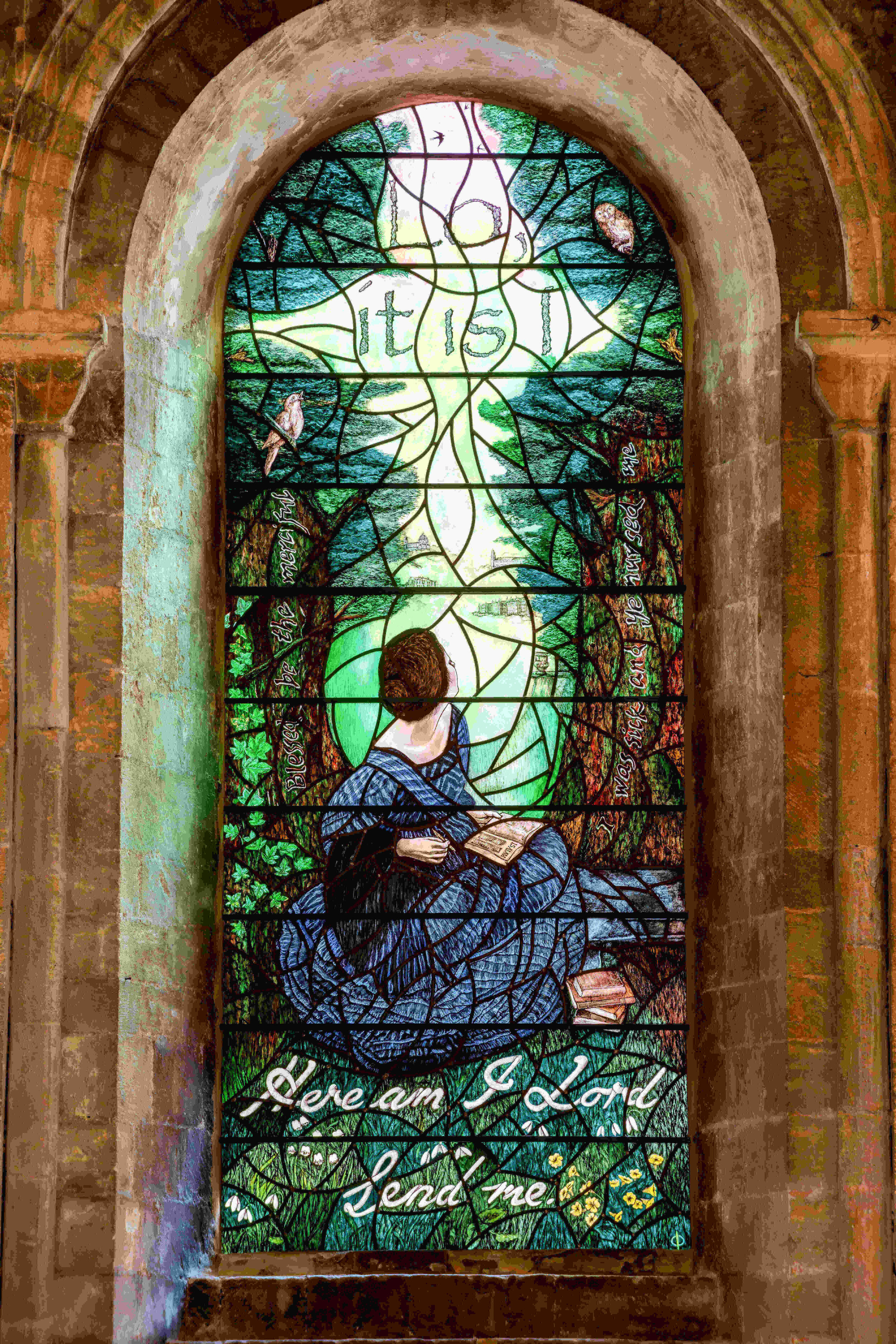
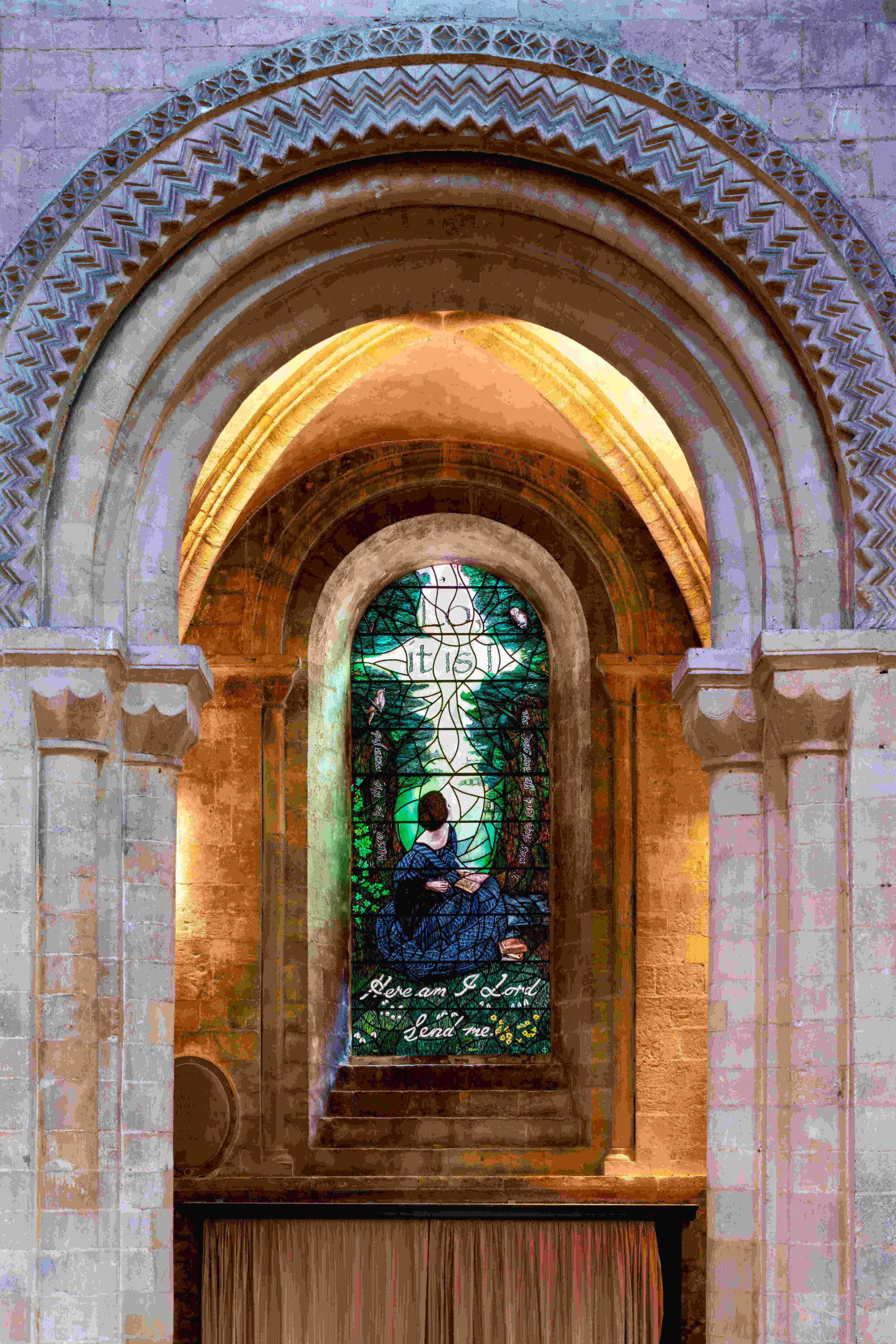
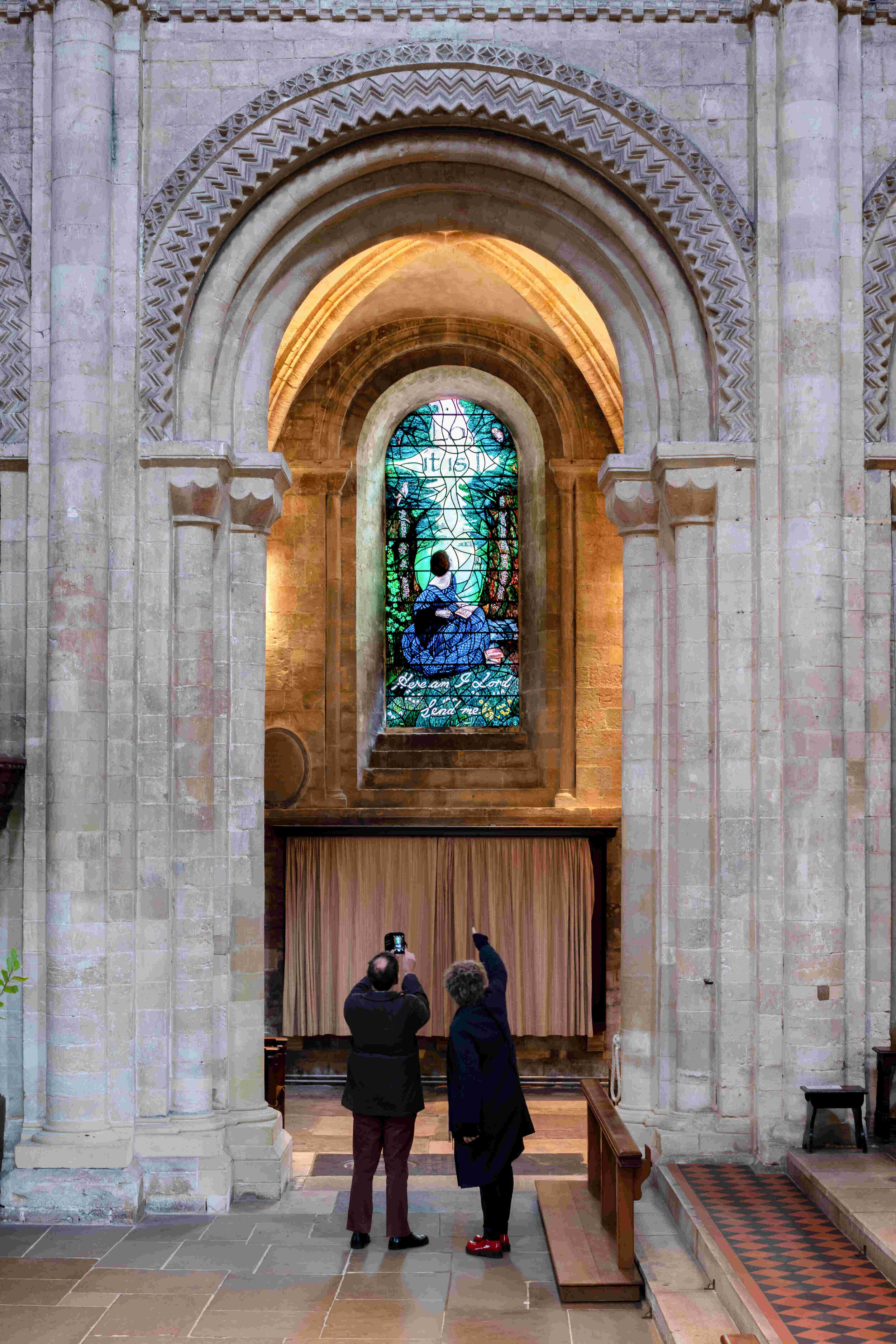
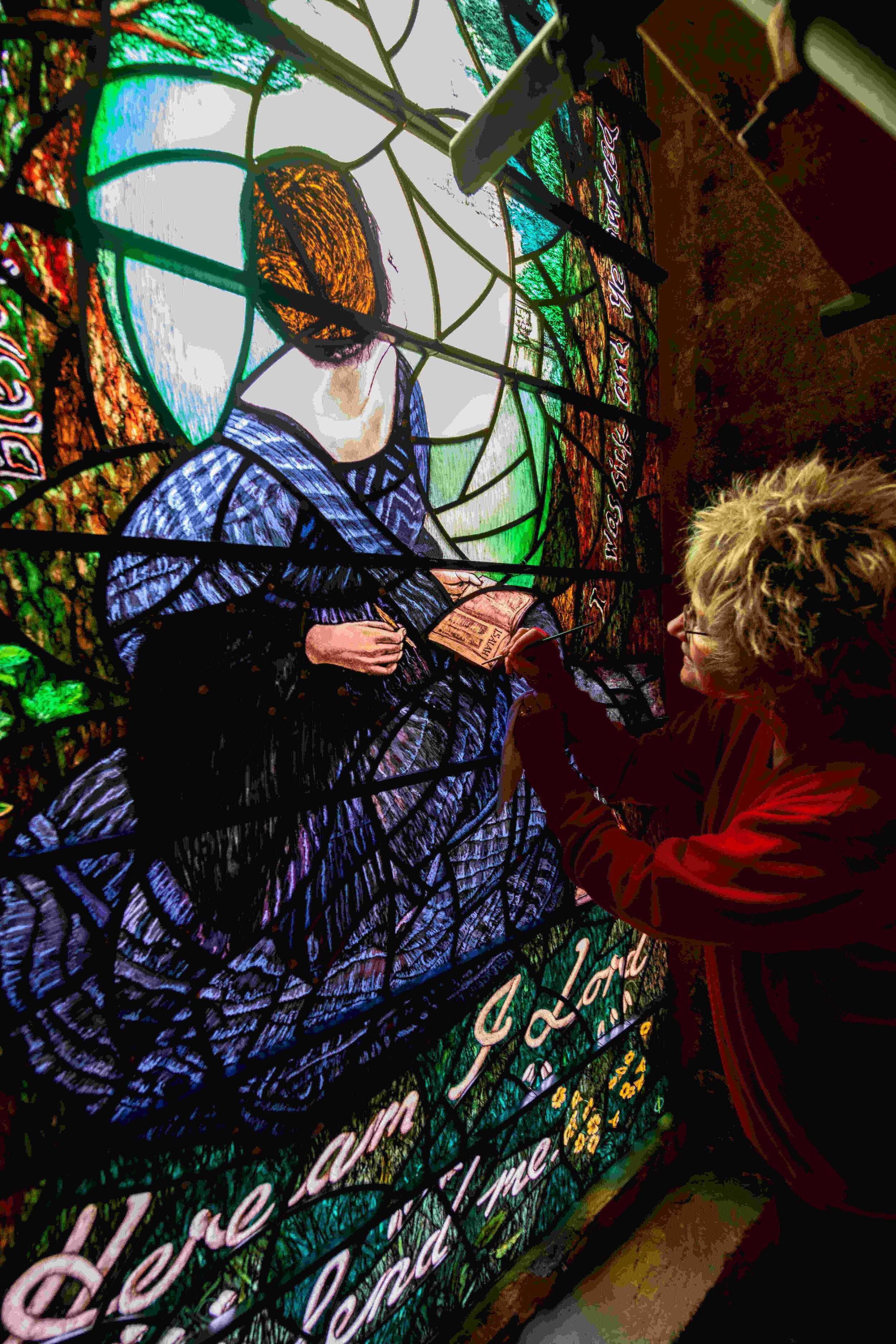
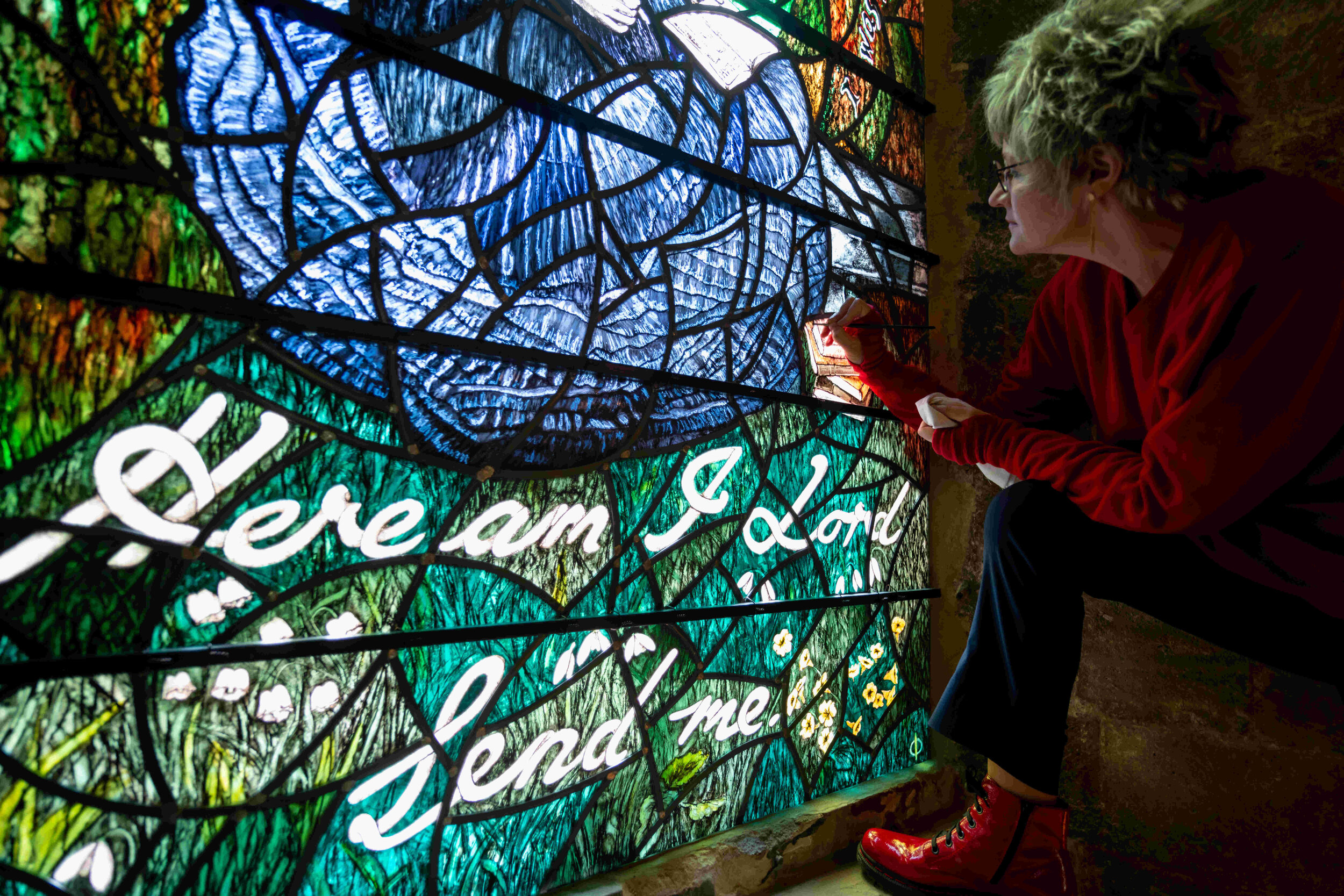
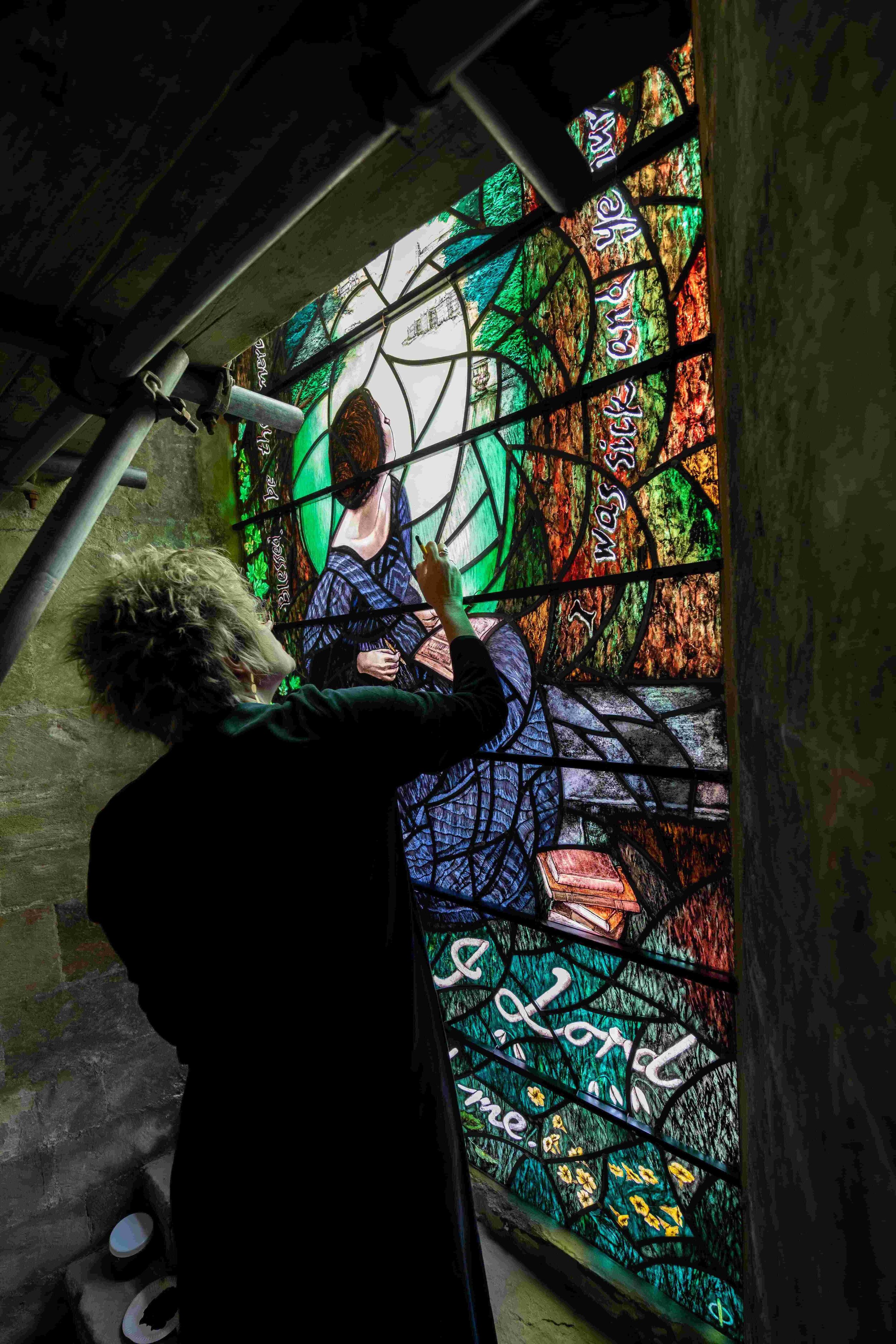
Julie Dypdal talks to local artist Sophie Hacker about the stained glass window she created for Romsey Abbey to mark Florence Nightingale’s bicentenary last year, and Florence’s lasting legacy in the county and beyond.

Sophie Hacker
Sophie specialises in Church Art, including stained glass windows, vestments, and re-ordering liturgical space. She is a trustee of Art and Christianity, the UK's leading organisation in the field of visual art and religion, and a Visiting Scholar at Sarum College in Salisbury Cathedral Close.
Since 2006 she has been Arts and Exhibitions Consultant for Winchester Cathedral. Current projects include a large stained glass window for Romsey Abbey to commemorate the bicentenary of the birth of Florence Nightingale, a new altar frontal for Winchester Cathedral, and a chapel Cross for the official residence of the Bishop of London.
Further Information and Additional Links
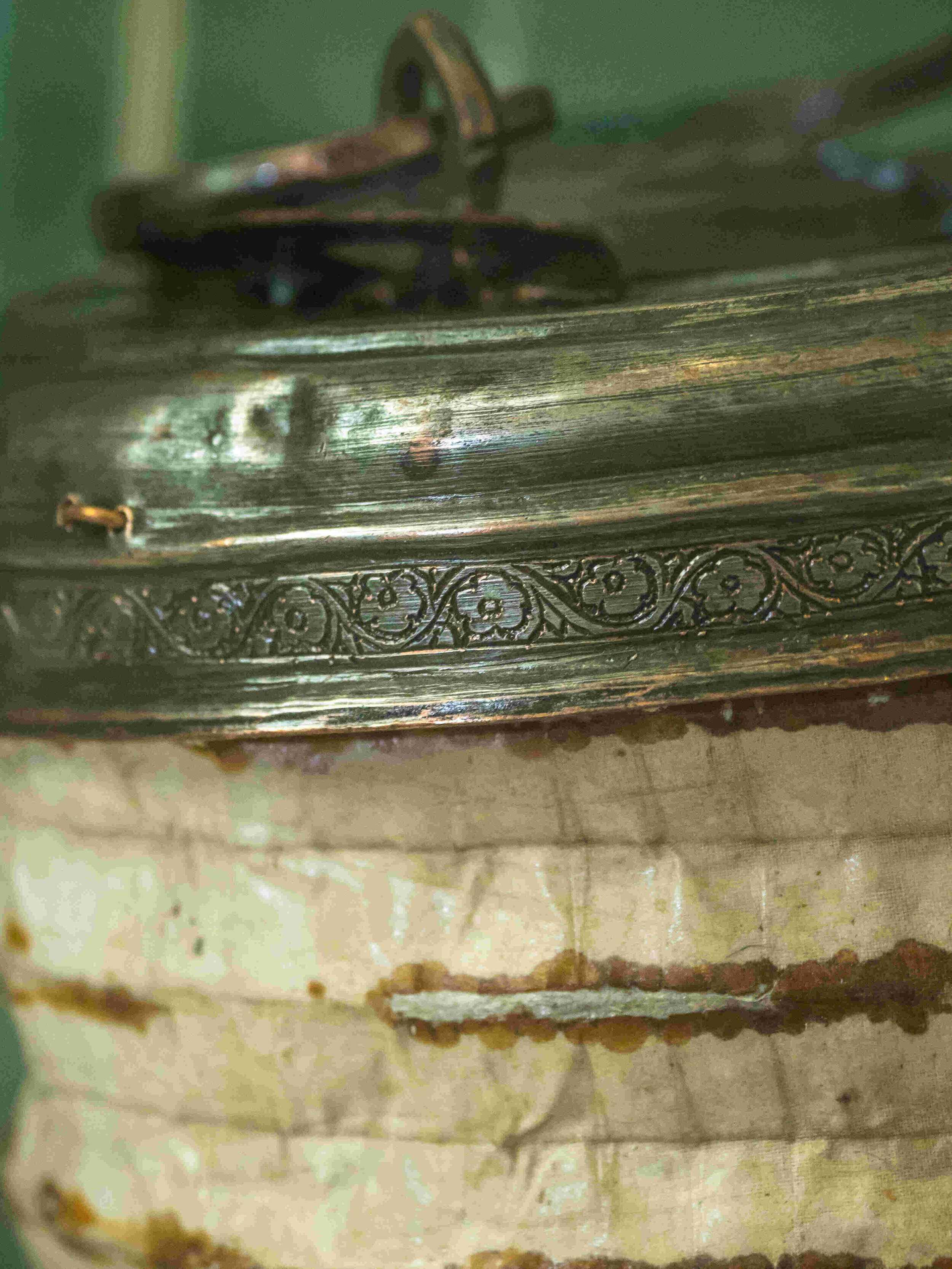
The Royal Hampshire County Hospital lamp has been exhibited during previous Winchester Heritage Open Days, but is not currently available to view.
To see one of Florence’s lamps, you can visit the Florence Nightingale Museum on the grounds of St Thomas’ Hospital in London. The Museum is closed due to Covid restrictions but plans to reopen on the first full weekend of each month from June 2021, government guidelines permitting.
To see more of Sophie’s work or what she is up to next, check out her:
Website: www.sophiehacker.com
Instagram: @sophieartstory
Twitter: @sophiehackerart
Facebook: @sophieartstory
This episode is the final one of Season 3, there will be a short break before we launch Season 4.
Creatures and Kings: A Viking Tale’s link with Winchester
Brush the snow off your coat and sit by the fire as Aisha Al-Sadie recounts a Norse folk tale in the Volsunga Saga. A story of treachery, intrigue, and action awaits!
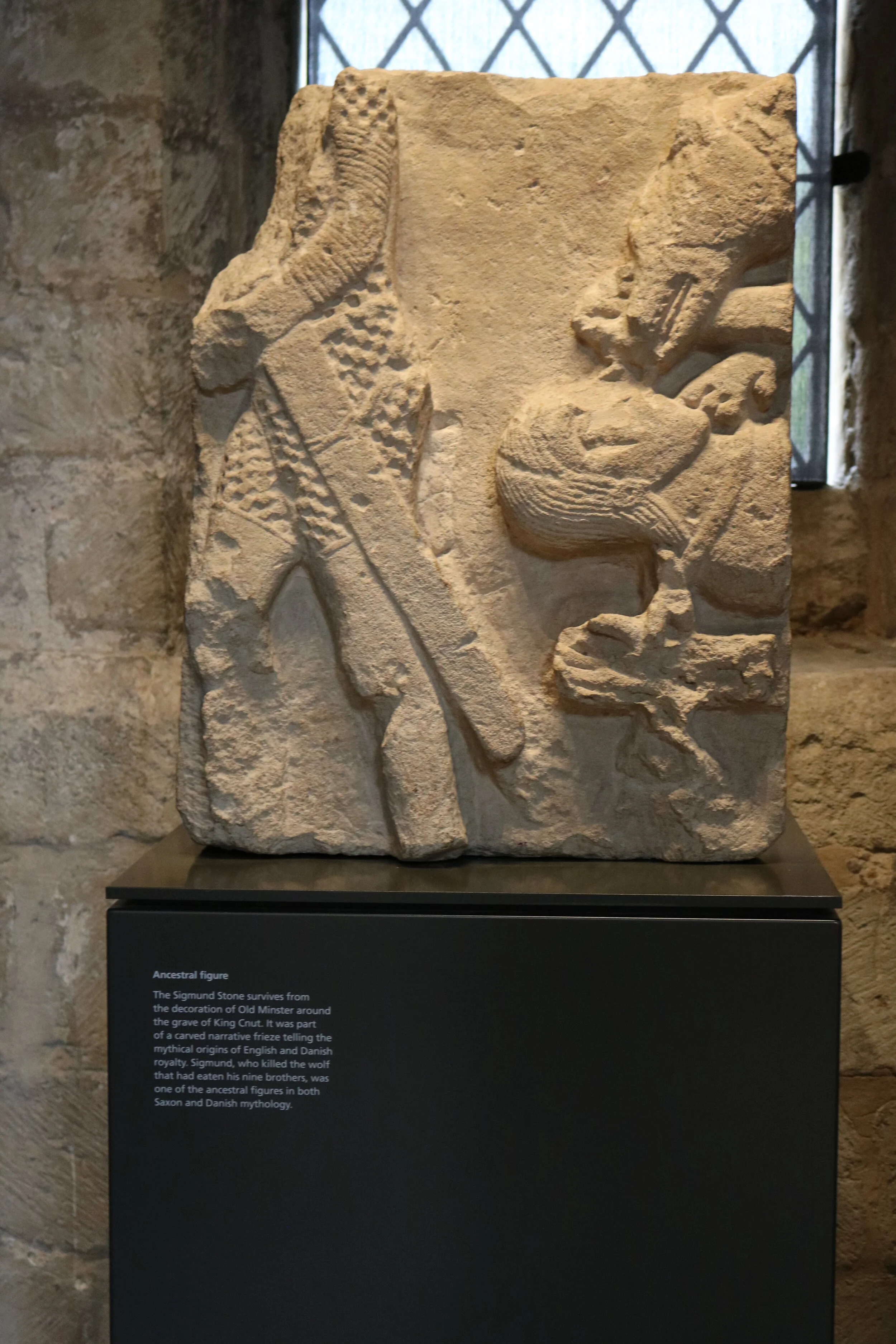
Among the treasures on display in Winchester Cathedral is the ancient Sigmund Stone, excavated from the remains of the Saxon cathedral on the same site. Carved on this stone fragment is a scene from the Old Norse Volsunga Saga, a compendium of tales that provide a window into the treacherous and brutal Viking world. Aisha Al-Sadie, Learning Officer at the cathedral, takes us back to the time of wolves and forests, great feasts and bloody battles as she narrates a story of King Volsung and his feud with the dastardly King Siggeir.
The Sigmund Stone is on display in the Kings and Scribes exhibition in Winchester Cathedral, which will be open to the public from May 17th, subject to government guidelines.
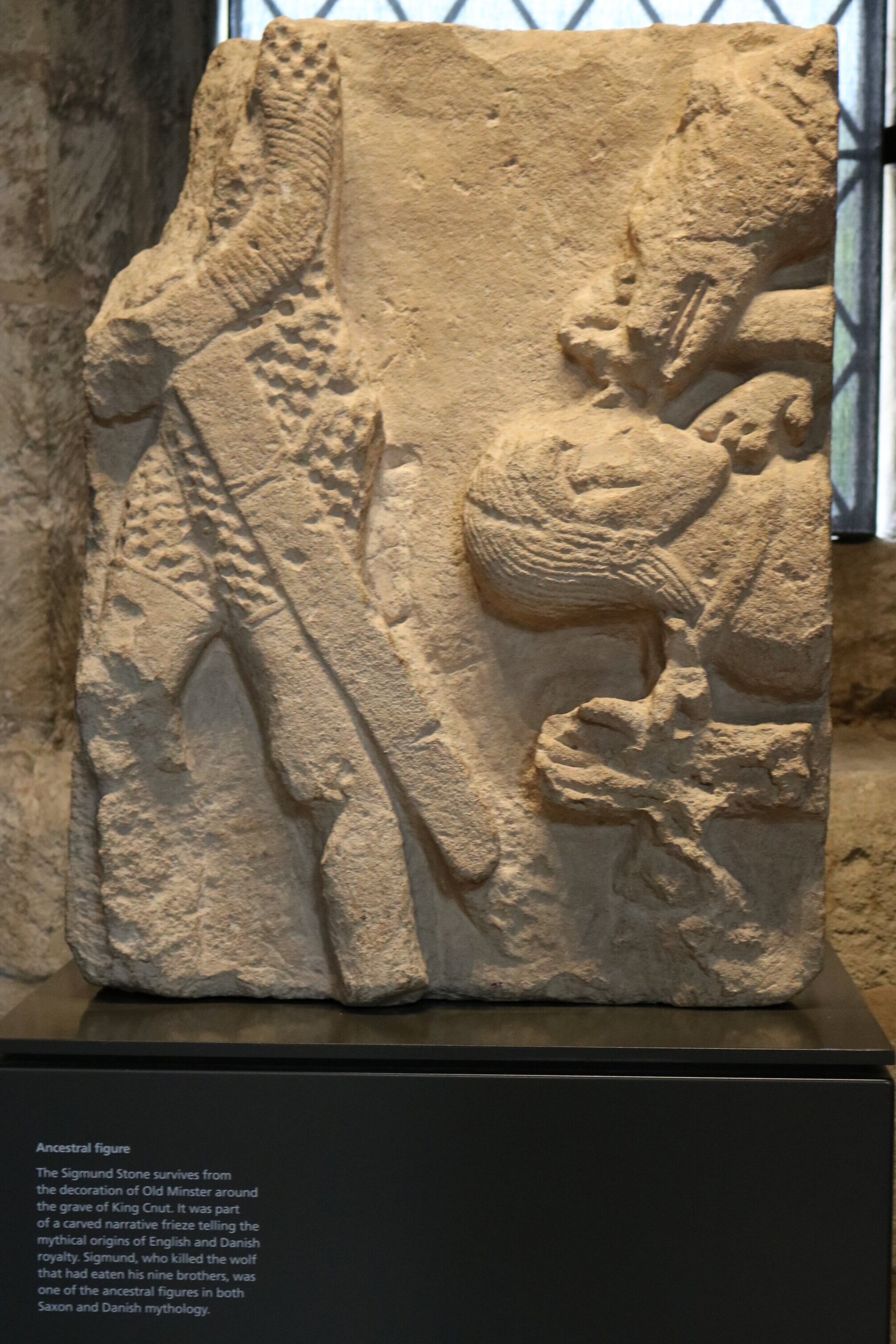
The Sigmund Stone that is on display at Winchester Cathedral’s Kings and Scribes exhibit.

Aisha Al-Sadie
Learning Officer and Interim Curator Aisha Al-Sadie is passionate about the incredible building that she has had the privilege of working in over the last three years.
Born in Scotland and graduating with a BA (Hons) Degree in Fine Art from Edinburgh College of Art, Aisha started out by volunteering with the National Trust for Scotland and the National Museums Scotland. From there she was awarded a place on the coveted Heritage Lottery Fund Skills for the Future Traineeship with The Royal Commission for the Ancient and Historical Monuments of Scotland (RCHAMS) where she gained experience in the sector as well as a Foundation Degree in Archive Interpretation from Dundee University.
As part of her RCHAMS traineeship, she was placed at the National Trust for Scotland’s Falkland Palace and Gardens where a permeant full-time position was soon made for her as the Palace’s first Learning Officer. After three years developing the Palace’s learning programmes, interpretation and family events she moved to John Wesley’s Chapel, Museum and House in London as their first Learning Officer. Over the next two years, she created their first learning programmes, family events, social media presence as well as founding the Faith and Heritage Learning Network with several other London sites such as St Paul’s Cathedral, Westminster Abbey and the Jewish Museum.
““I never imagined that my journey would lead me to this incredible place. To be able to share the Cathedral’s stories and show people that there is something here for everyone is a dream come true.””
Further Information and Additional Links
For more information and to hear the story again as part of a school class visit email the Learning Team at learning.centre@winchester-cathedral.org.uk
You can find out more information about Winchester Cathedral on their website or follow them on social media:
Web: www.winchester-cathedral.org.uk
Facebook: @winchestercathedral
Twitter: @winCathedral
Instagram: @winchestercathedral
In Conversation With John Pilkington: Hampshire's Own Explorer and Travel Writer
John Pilkington continues discussing his exciting adventures across the globe. In this latest episode he shares with us tales from Bolivia, Antarctica, Russia, and more.
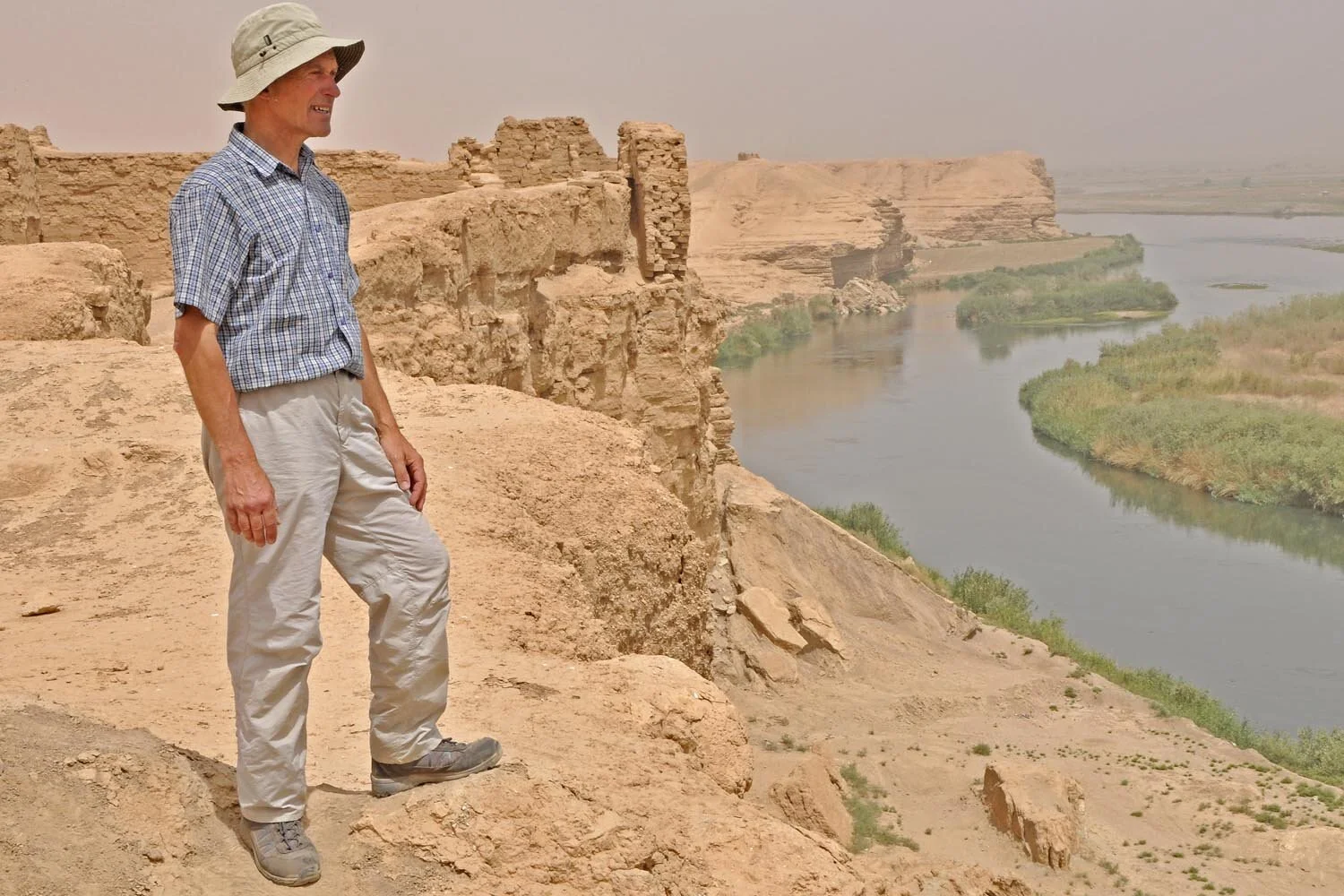
Hampshire-based explorer John Pilkington continues his travelogue, telling Emily Briffett how a childhood love of maps led to his wanderings in far flung corners of the globe. Here he regales us with tales of tracing dinosaur footprints in Bolivia, witnessing the birth of post-Soviet Kyrgyzstan, getting stranded in Antarctica, tracking down Butch Cassidy and the Sundance Kid and becoming the first European to visit the source of Mekong River.

John Pilkington
As some of you will know, John travels the world and brings back stories. He’s written books and has worked for BBC Radio 4, making documentaries and appearing on programmes like ‘From Our Own Correspondent’. In Hampshire you might have been to one of the illustrated talks he gives at Winchester Discovery Centre and elsewhere. He’s spoken to over 1,000 audiences in six countries, and holds the Royal Geographical Society’s Ness Award for popularising geography and the understanding of the world.
Further Information and Additional Links
You can visit John’s website to find out more about him and his many adventures, and you can contact him at John@pilk.net

Whitchurch Silk Mill's Six-Thousand Mile Connection
Join us on a travel adventure following the trail of Marco Polo along the ancient Silk Road to China,
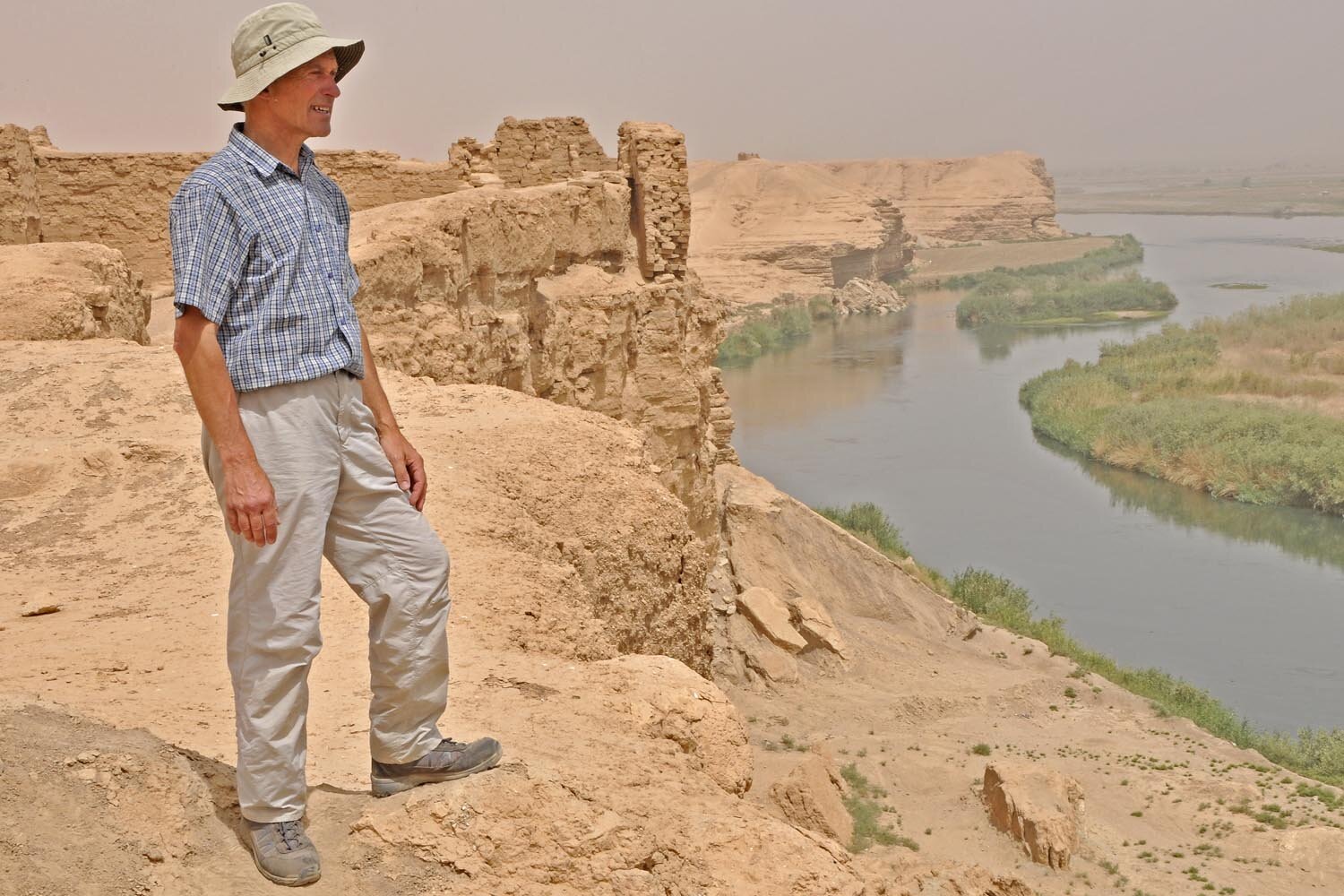
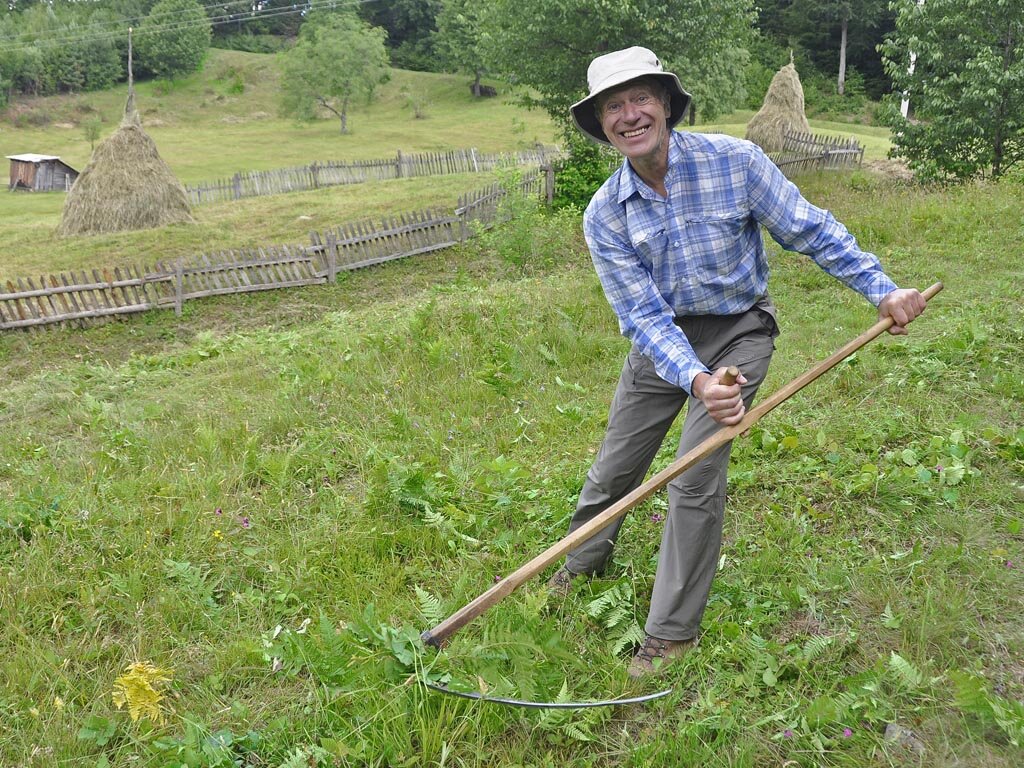
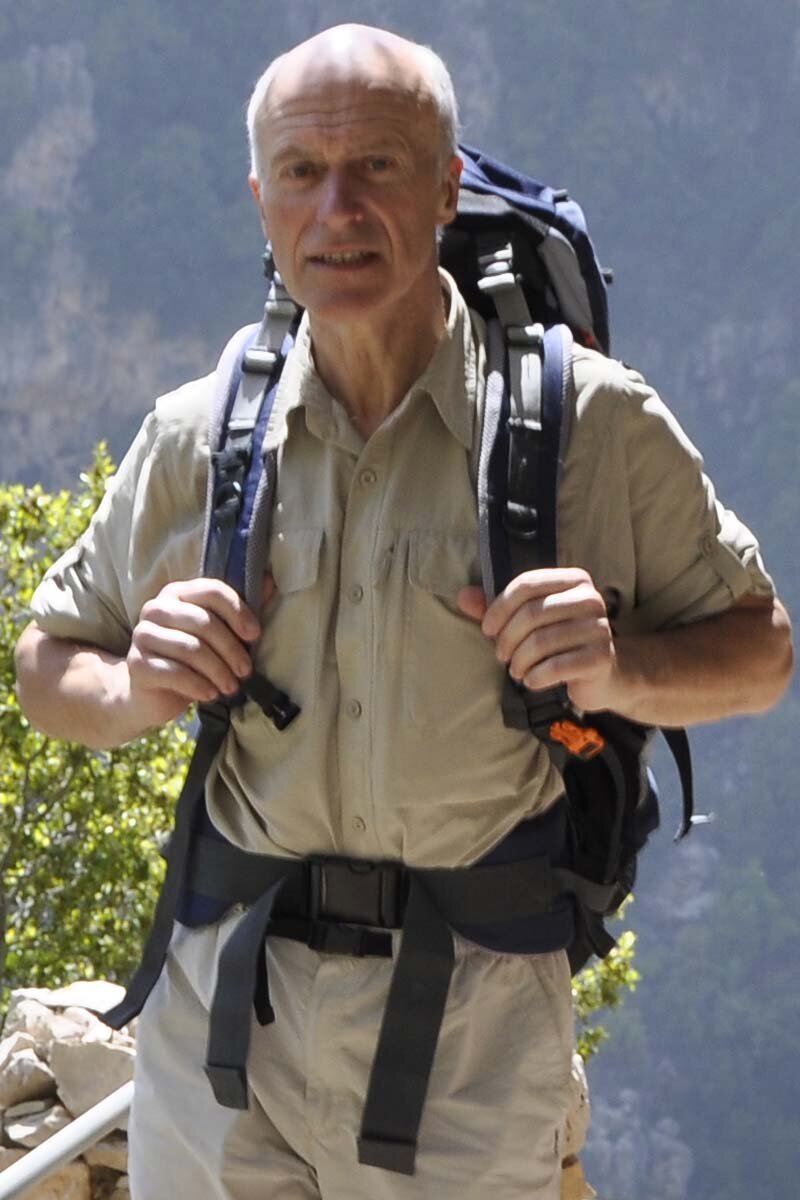
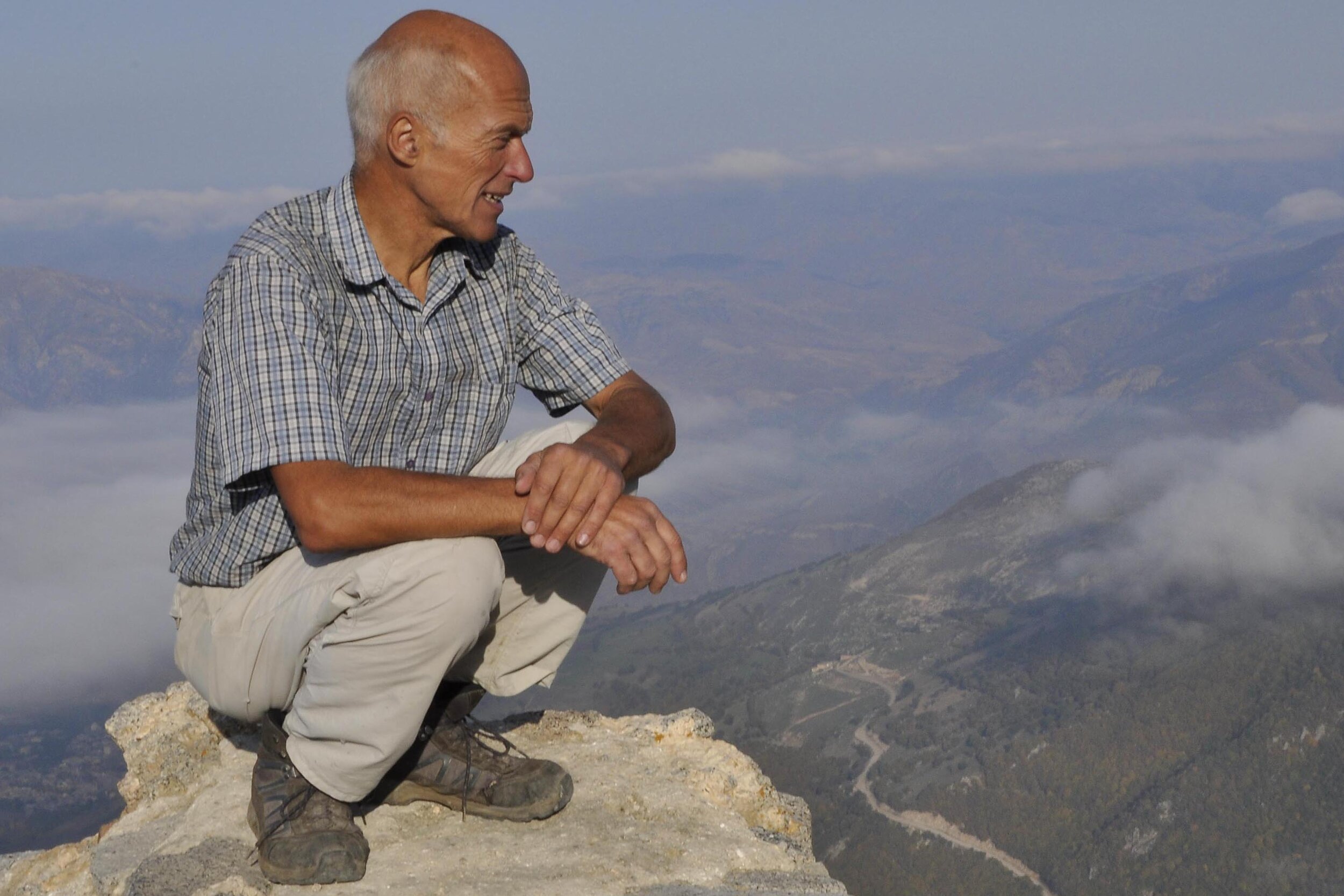
Inveterate traveller John Pilkington talks about following the trail of Marco Polo along the ancient Silk Road to China, where he discovers a surprising link between Suzhou, the Venice of the East, and Hampshire’s Whitchurch Silk Mill.
Among the highlights of his travels, he tells Emily Briffett, are his travels among nomadic people in Afghanistan and traversing high mountain ranges between Pakistan and China along the Karakoram Highway. En route he meets many challenges, including offerings of rancid yak butter tea and battles with obstinate camels.


Further Information and Additional Links
To learn more about Whitchurch Silk Mill, go to their website www.whitchurchsilkmill.org.uk
You can visit John’s website to find out more about him and his many adventures, and you can contact him at John@pilk.net
Stay tuned for next week’s episode which follows John on another one of his adventures.

Discovering Hidden Treasures at St Swithun's
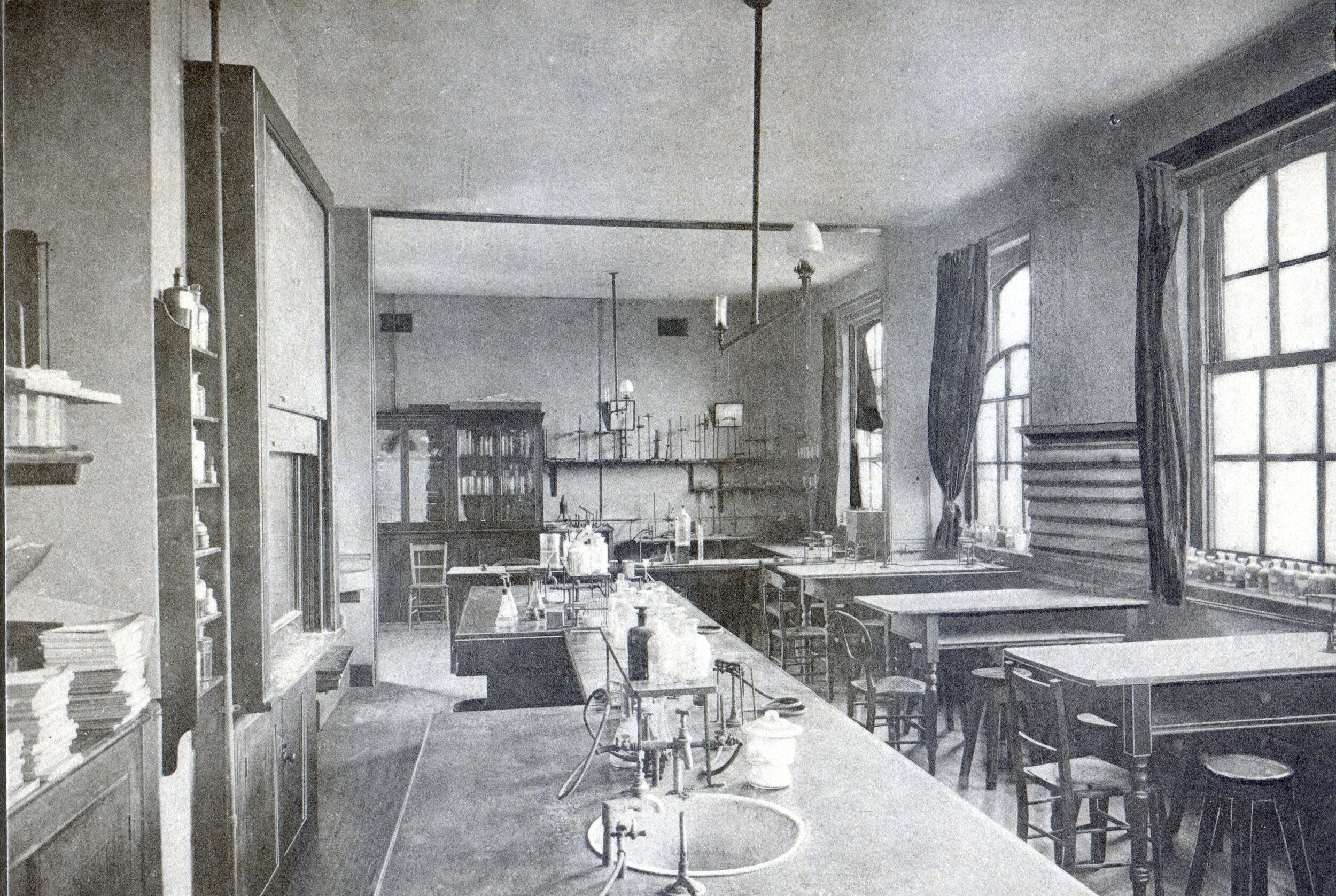
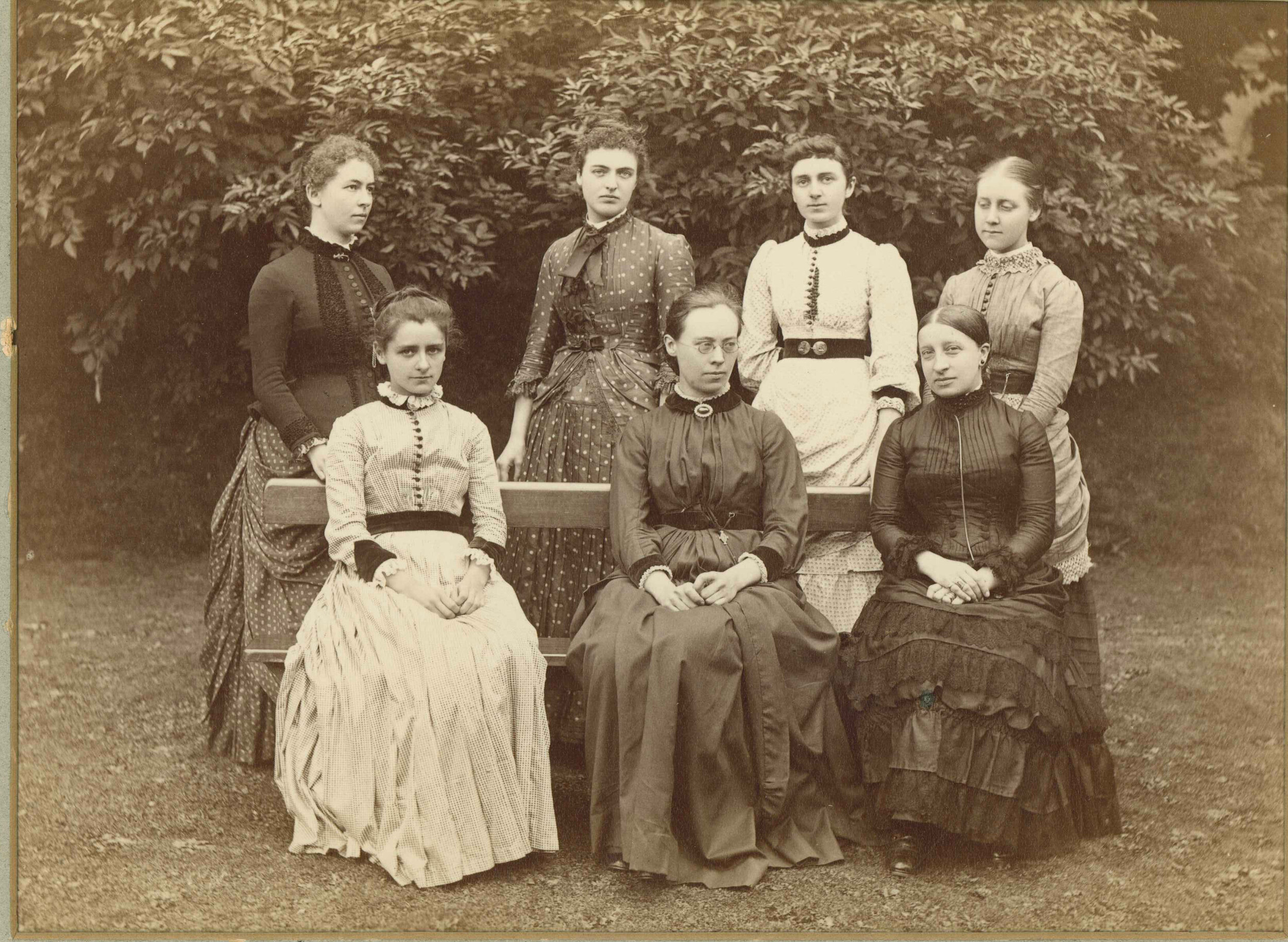
Since its foundation in 1884, St. Swithun’s School has been at the forefront of female education. Elly Crookes reveals the school’s history and the priceless artifacts located within its archives.
Educating girls wasn’t a priority in Victorian England but the pioneering founder of St Swithun’s School in Winchester helped to change that in Hampshire. By the end of the 19th century its female pupils were studying not just reading and writing but science, economics, engineering and money management.
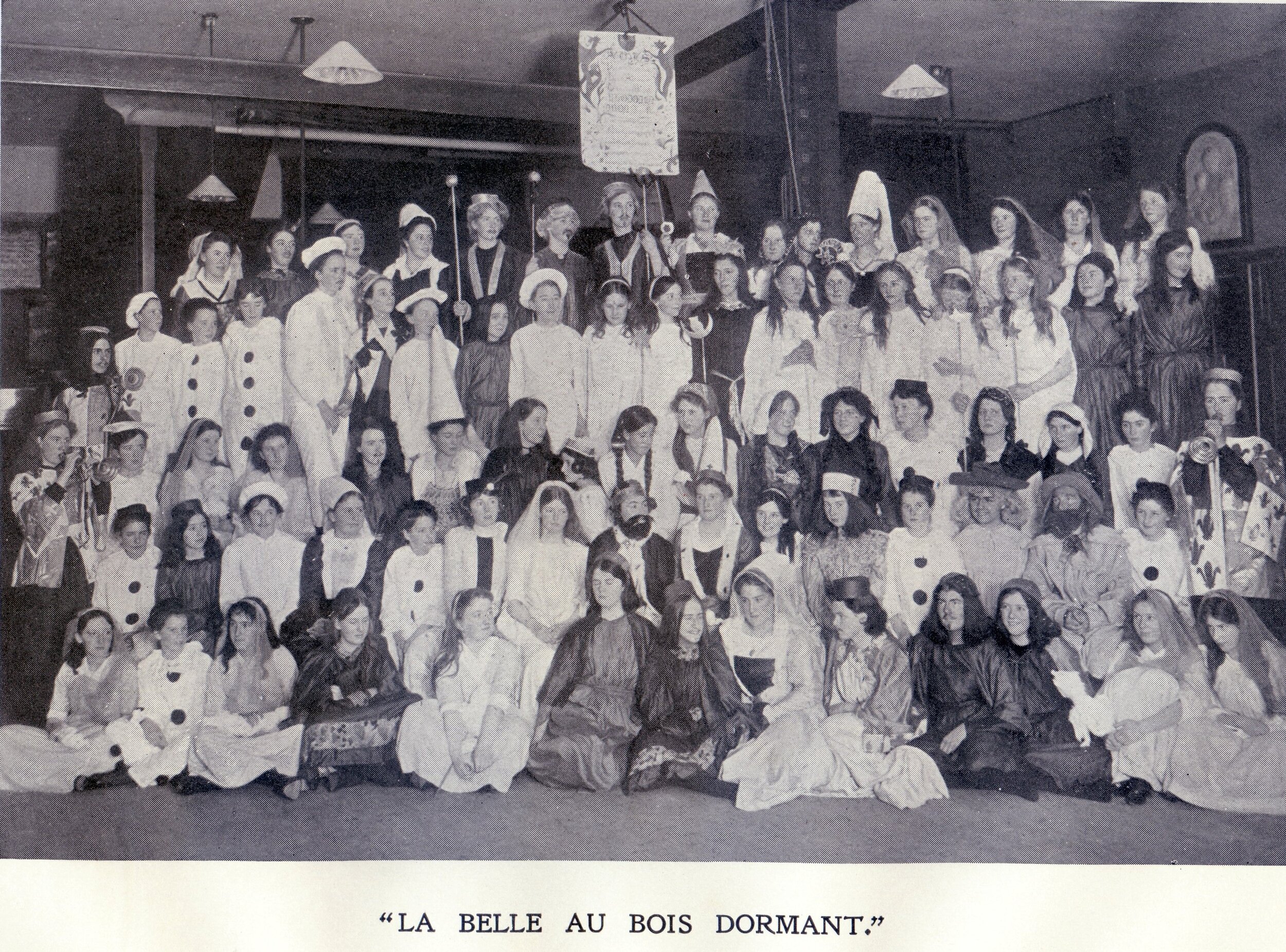
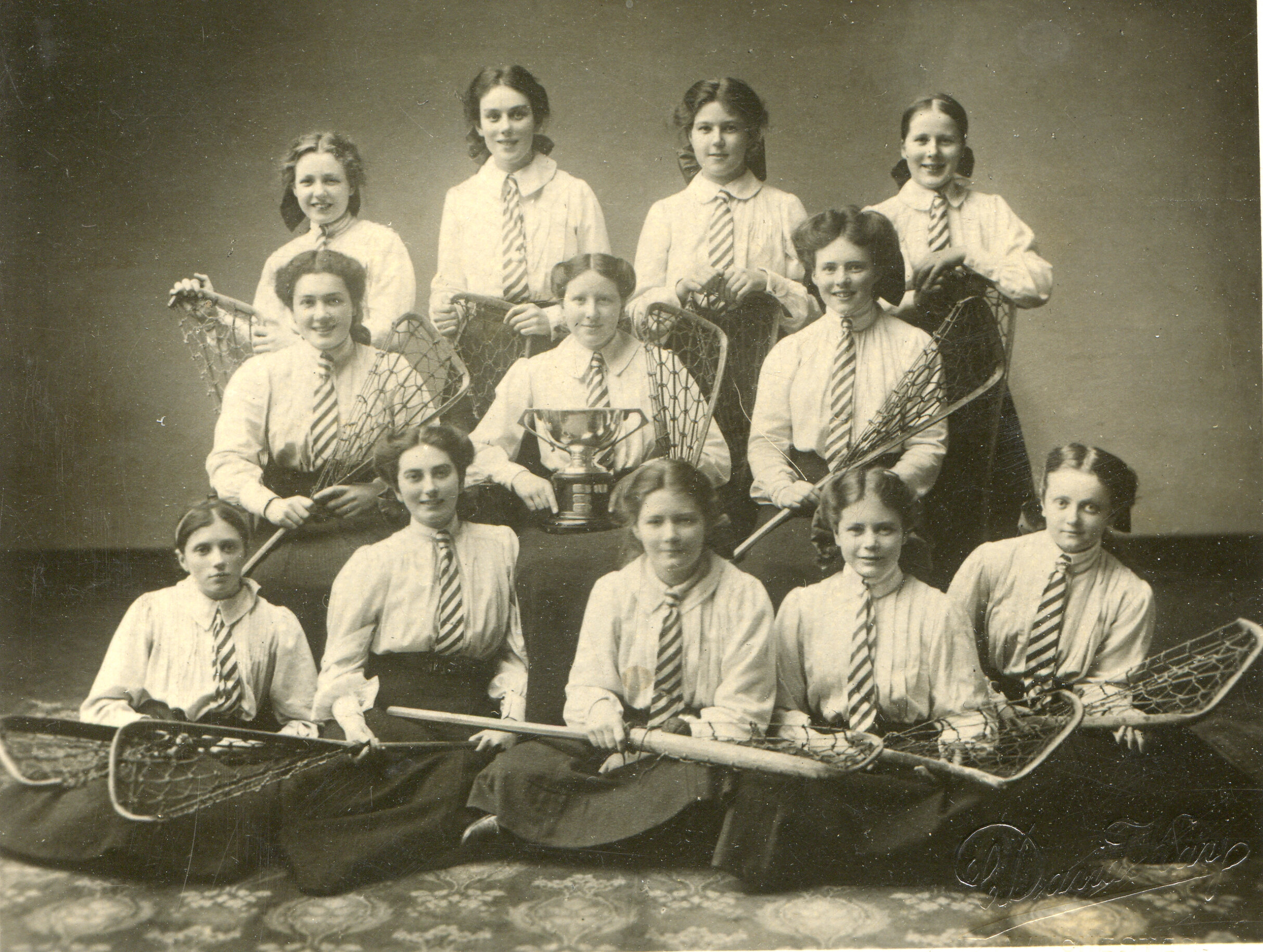
A feisty spirit was encouraged among pupils: when school buildings were requisitioned for troops during the two world wars, the girls played and beat Canadian soldiers at lacrosse and taught GIs to play cricket. St Swithun’s archivist Elly Crookes talks to Julie Dypdal about the school’s eventful history and its fascinating archives - which include letters from Christina Rosetti and William Wilberforce.
Elly Crookes
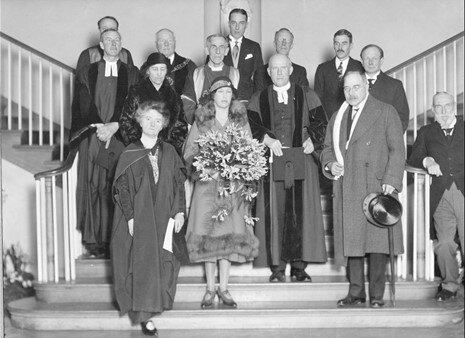
Elly Crookes has recently joined St Swithun’s as their School Archivist. It was thanks to a generous donation from a member of the school’s alumni which provided the opportunity for the school to employ a professional archivist, Elly is currently carrying out a survey of the school’s historical collection. As the records have been catalogued by her so much information has been uncovered, much of it that has never been revealed before. The school is keen to share it with the wider community, continue reading to find out more about their plans to share their fascinating history.
St Swithun’s School
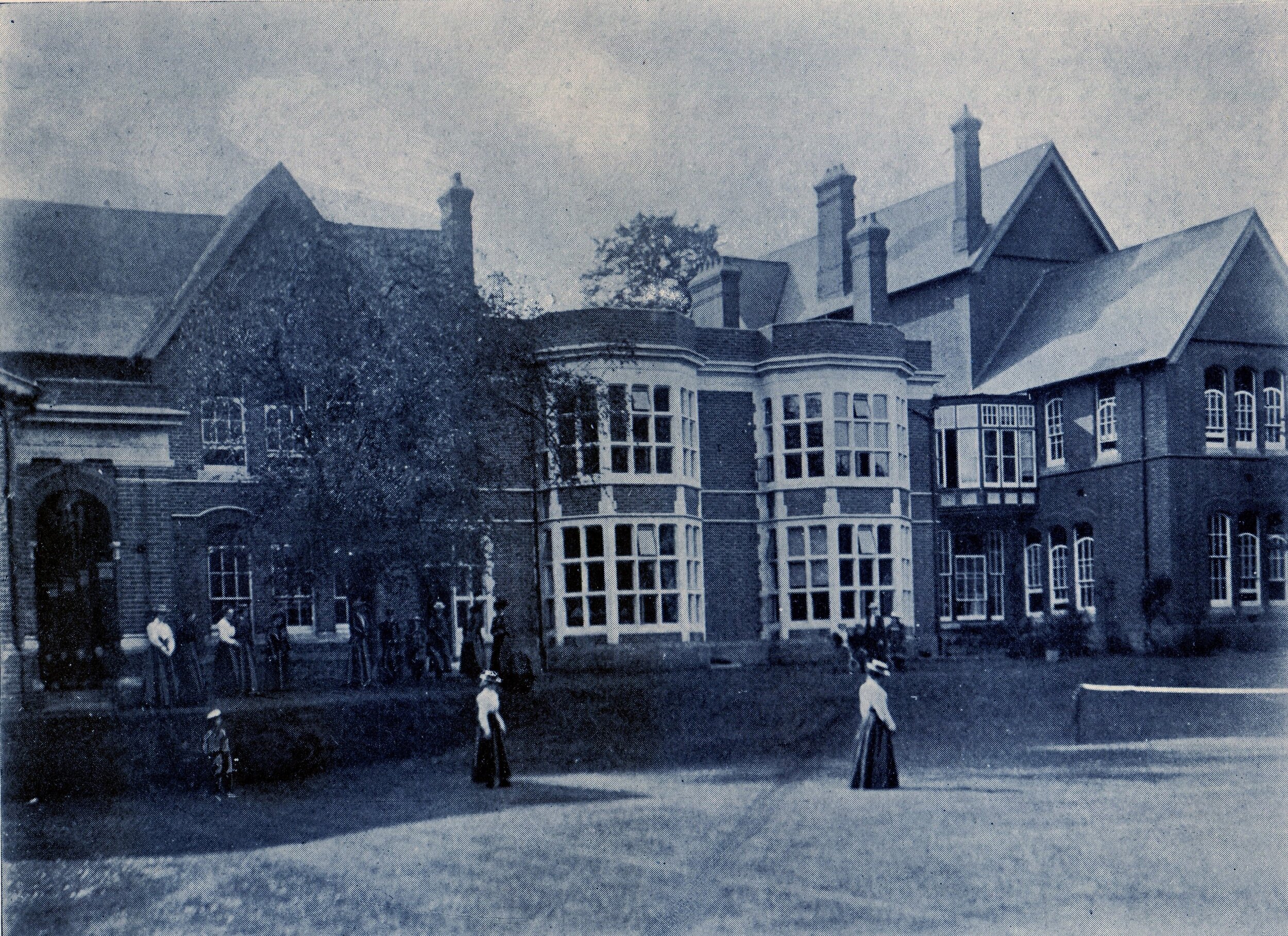
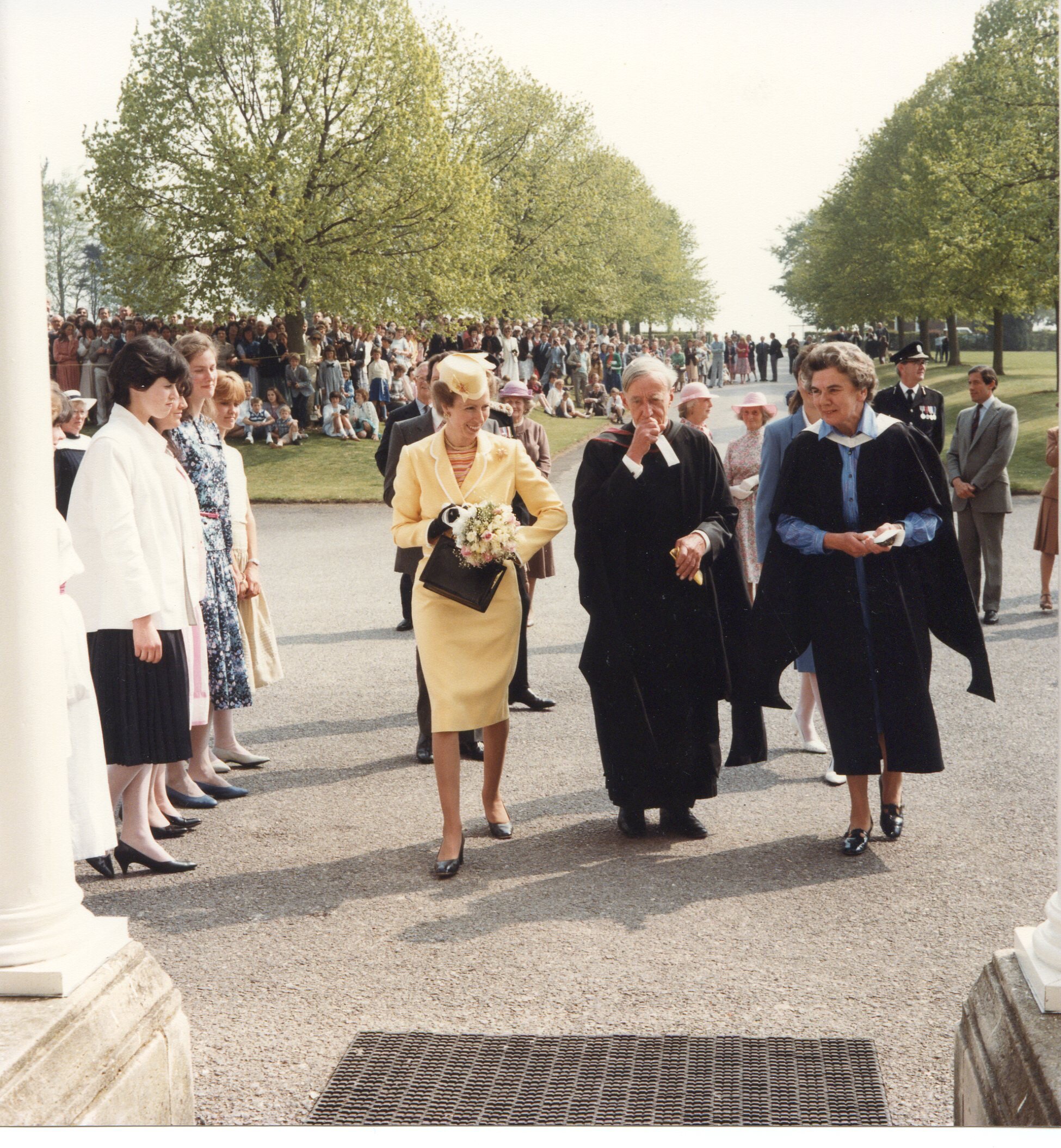
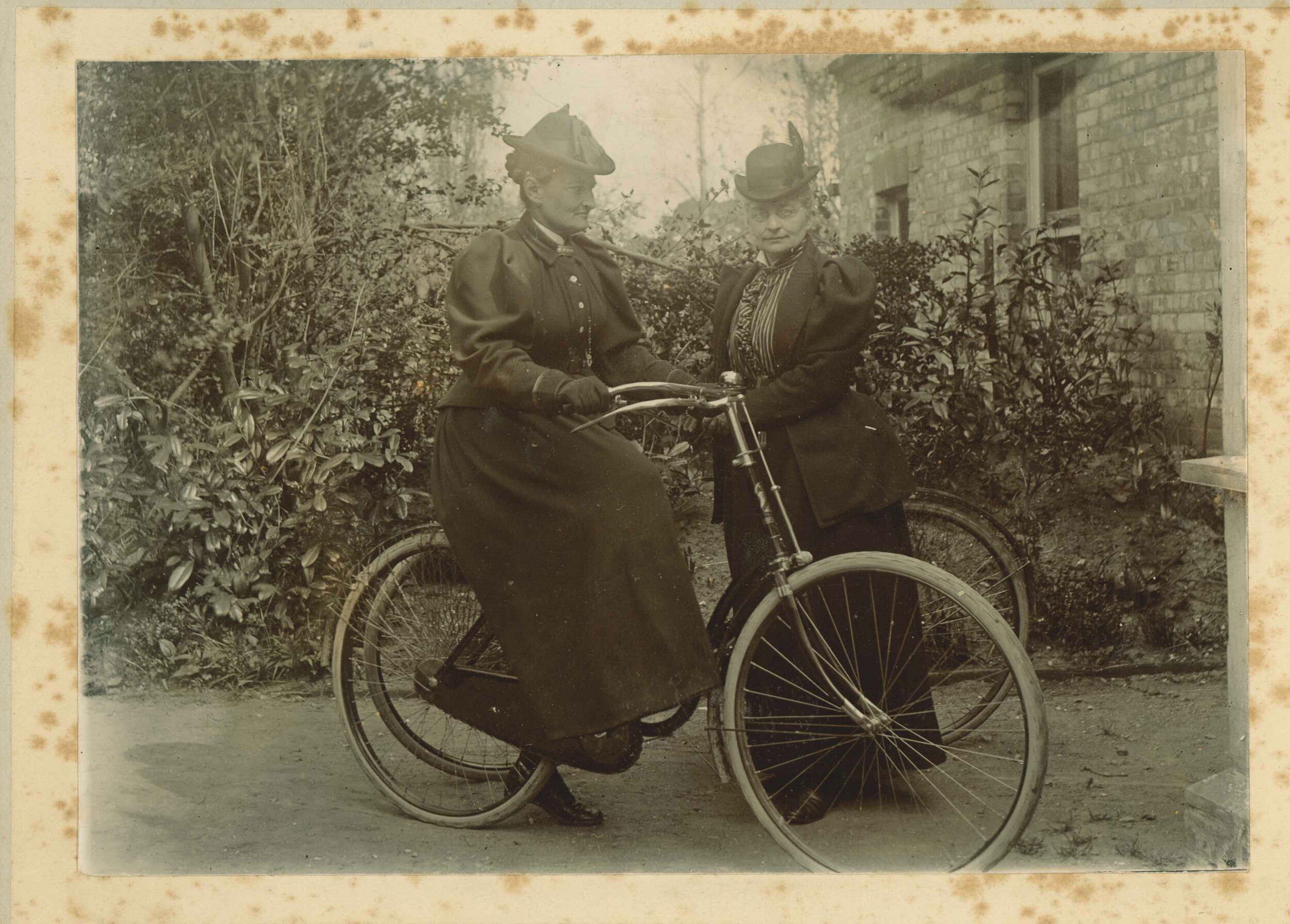
St Swithun’s is an independent school for girls that was founded in 1884 by Anna Bramston, the daughter of Revd John Bramston, the Dean of Winchester. With her close friend Amélie LeRoy they established Winchester High School for Girls (the precursor to St. Swithun’s) which offered a progressive curriculum that provided opportunities for young Victorian women to continue onto higher education. The original school was on Southgate Street but grew so much in popularity that in 1932 they moved to a larger site on Alresford Road where they have been ever since.
Further Information and Useful Links
To see more pictures and get more updates from the St Swithun’s Archive visit their Twitter page. They are running a digital puzzle challenge where the puzzles are of items from their collection. They were inspired by the Cooper Gallery in Barnsley to do this and they run a competition in school for pupils, parents and staff to see who can complete the puzzle in the fastest time. The aim is for more people to know more about their collection and the exciting items they have within it. They post these puzzles every week on Twitter.
If you wish to know more about the school, check out their website. You can also find the piece written by Elly, ‘St Swithun’s During the Two World Wars’, which she referenced during the episode.
Correction:
In the episode, we mention that the school opened on 5th September 1884. However, it actually opened on 5th May 1884 and we have added a footnote to the transcript with this correction as well.
Echoes Through Time: Our Connection with People of the Past
Technology advances, empires rise and fall, and the world changes. However, there is one constant throughout history: us! Carey Fleiner explores history through her research and work at the British Museum.
What was life like for women in Emperor Nero’s court? This knotty issue is just one of the preoccupations of Dr Carey Fleiner, senior lecturer in Classical and Early Medieval studies at the University of Winchester. Here she talks to Ingrid Tofteng about Nero’s wives, Pompeii and the Vesuvius eruption of 1944 - and how the influence of the Roman Empire has reached down through the centuries.
Along the way we hear about Dr Fleiner’s work behind the scenes at the British Museum and the joy of living in Winchester, where echoes of the Roman world lie just beyond her back door.
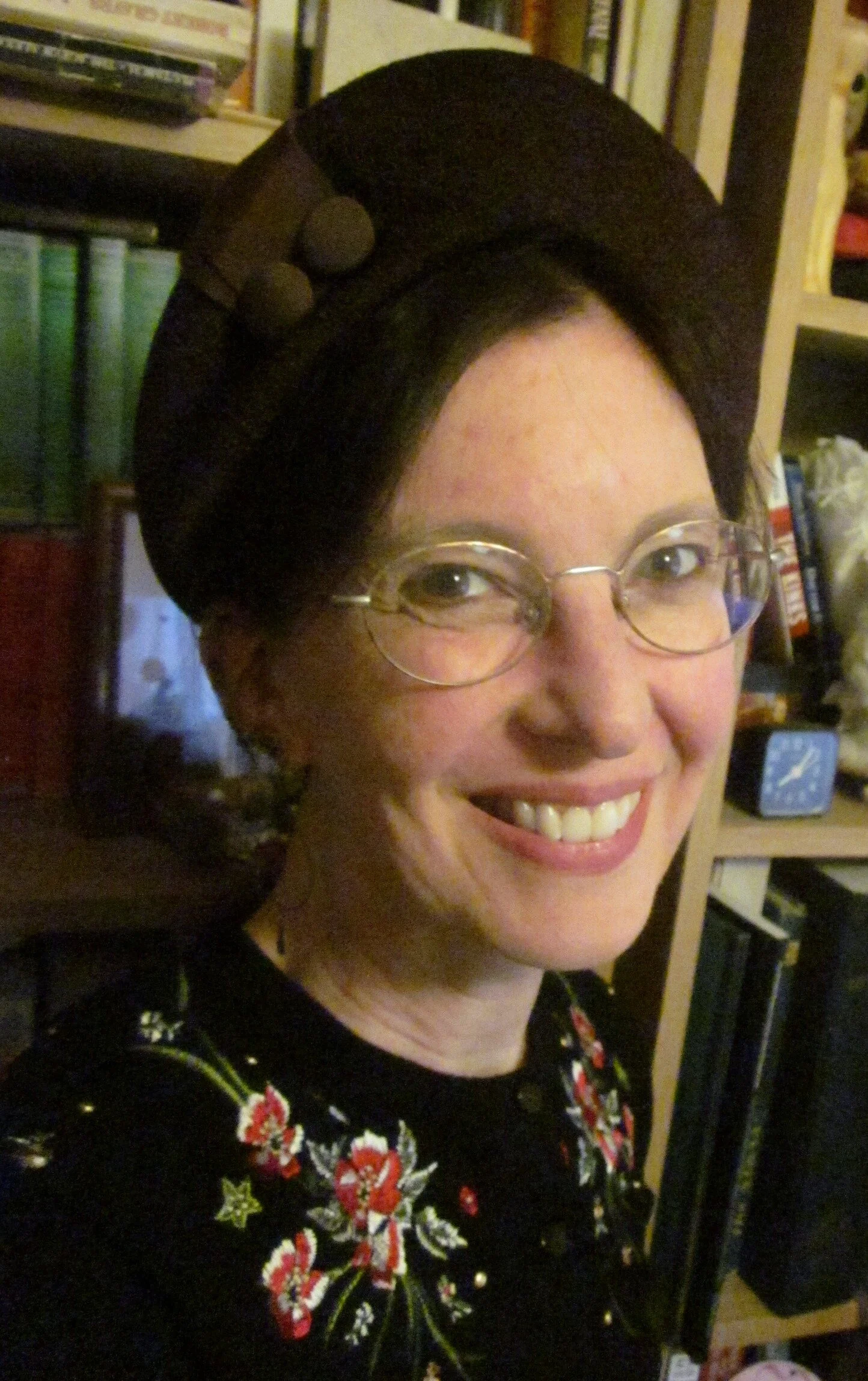
Dr Carey Fleiner
Carey Fleiner is a senior lecturer in Classical and Medieval History at the University of Winchester.
Carey completed a BA with Distinction in History at the University of Delaware. At the University of Virginia, she earned a MA and PhD in History and she obtained a Certification in Museum studies back in Delaware.
She spent a short time working at the British Museum, in the Department of Prehistory and Europe, after which she went to work at the University of Delaware. She joined the History Department at the University of Winchester in 2012.
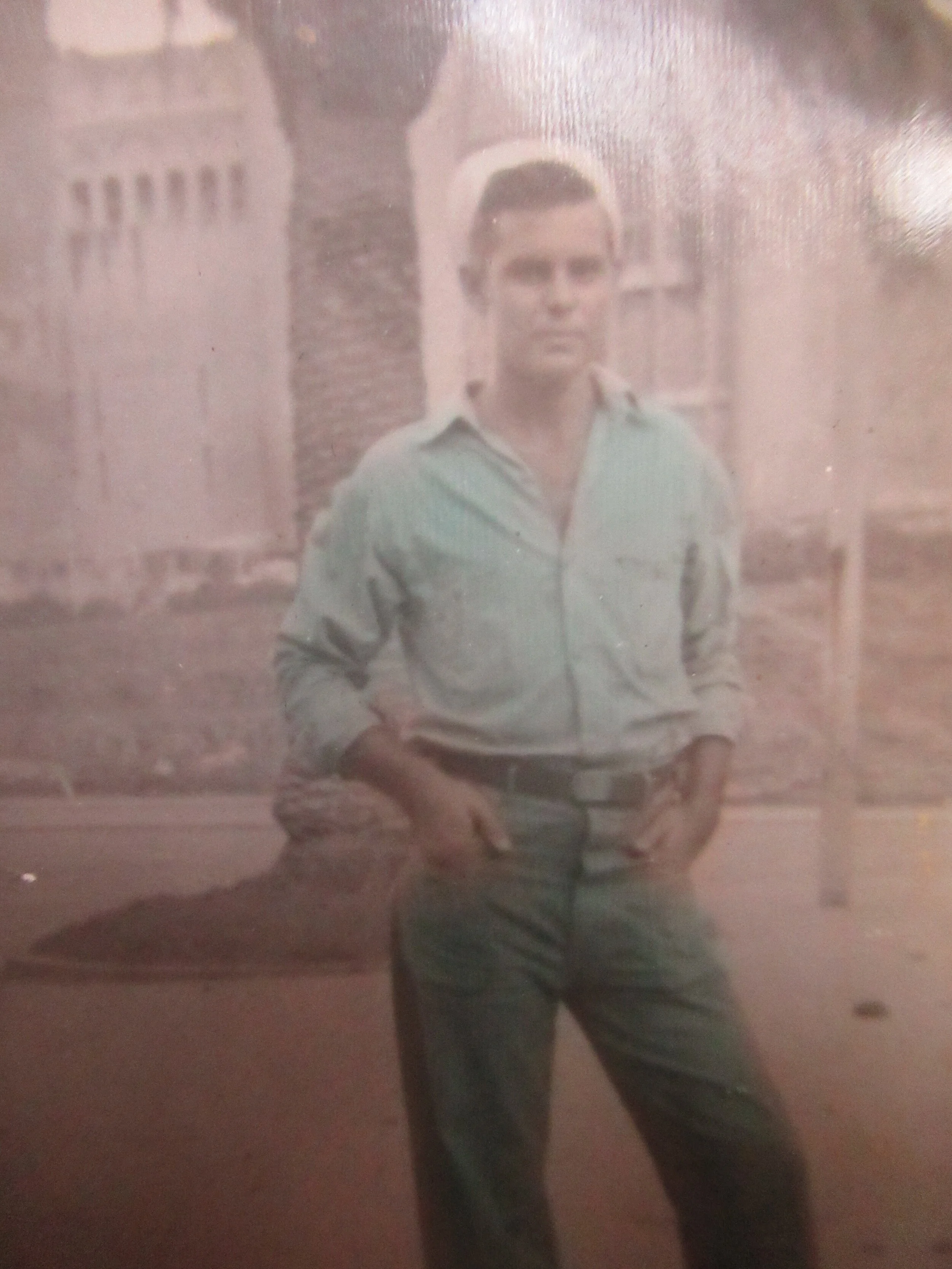
Henry Fleiner, Carey’s father, who was a member of he Navy stationed in Naples when Vesuvius erupted in 1944.
Further Information and Additional Links
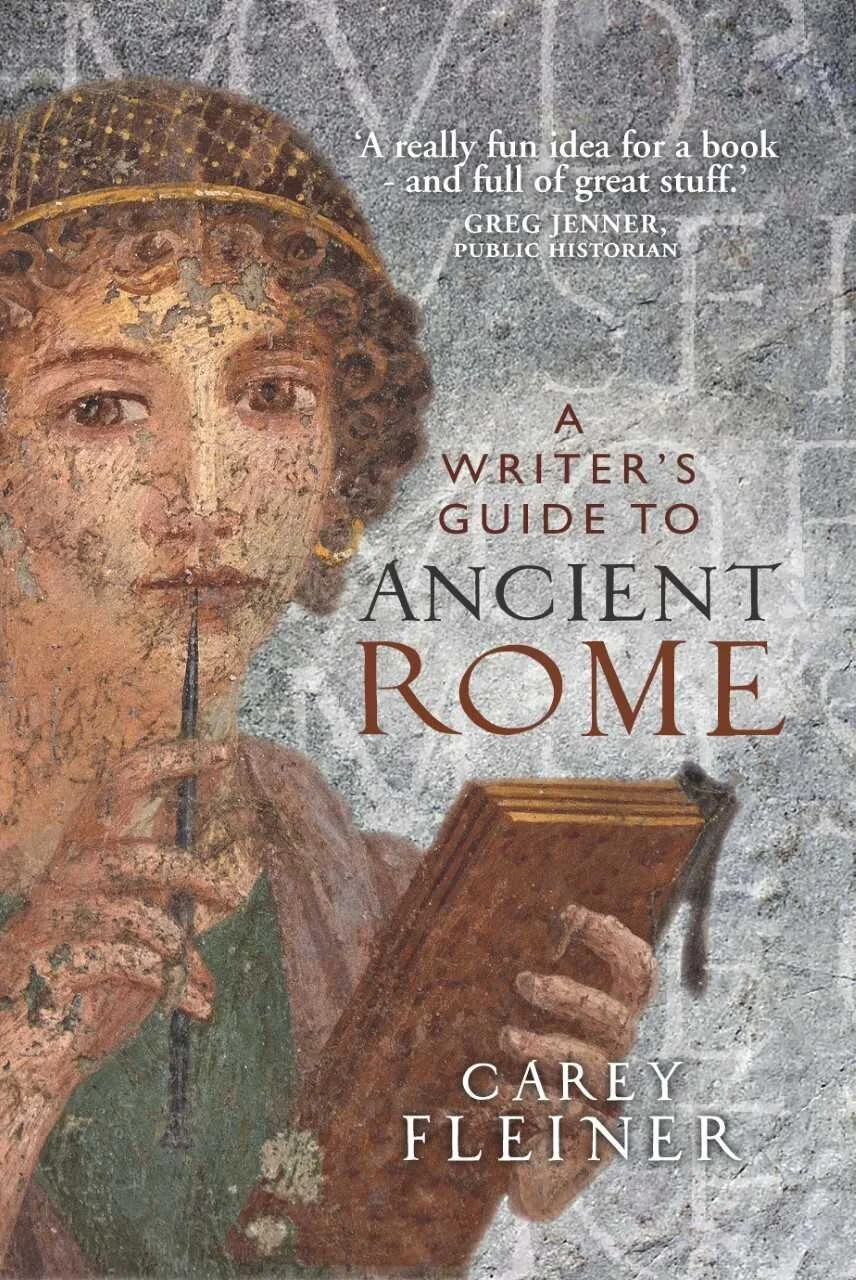
One of the places you can pick up Carey’s book, A Writer’s Guide to Ancient Rome, is from P & G Wells and you can follow her on Twitter.
Thank you
The original recording of this podcast was produced for the 2020 Winchester Heritage Open Days by the CHaRM course. We would like to thank again Ingrid Tofteng and Dr Carey Fleiner for taking part in and creating this wonderful episode.
Winchester’s Forgotten Second Railway Station
Did you know that Winchester once had two railway stations? Join Claire Dixon as she reveals the hidden history surrounding the Chesil Railway Station.
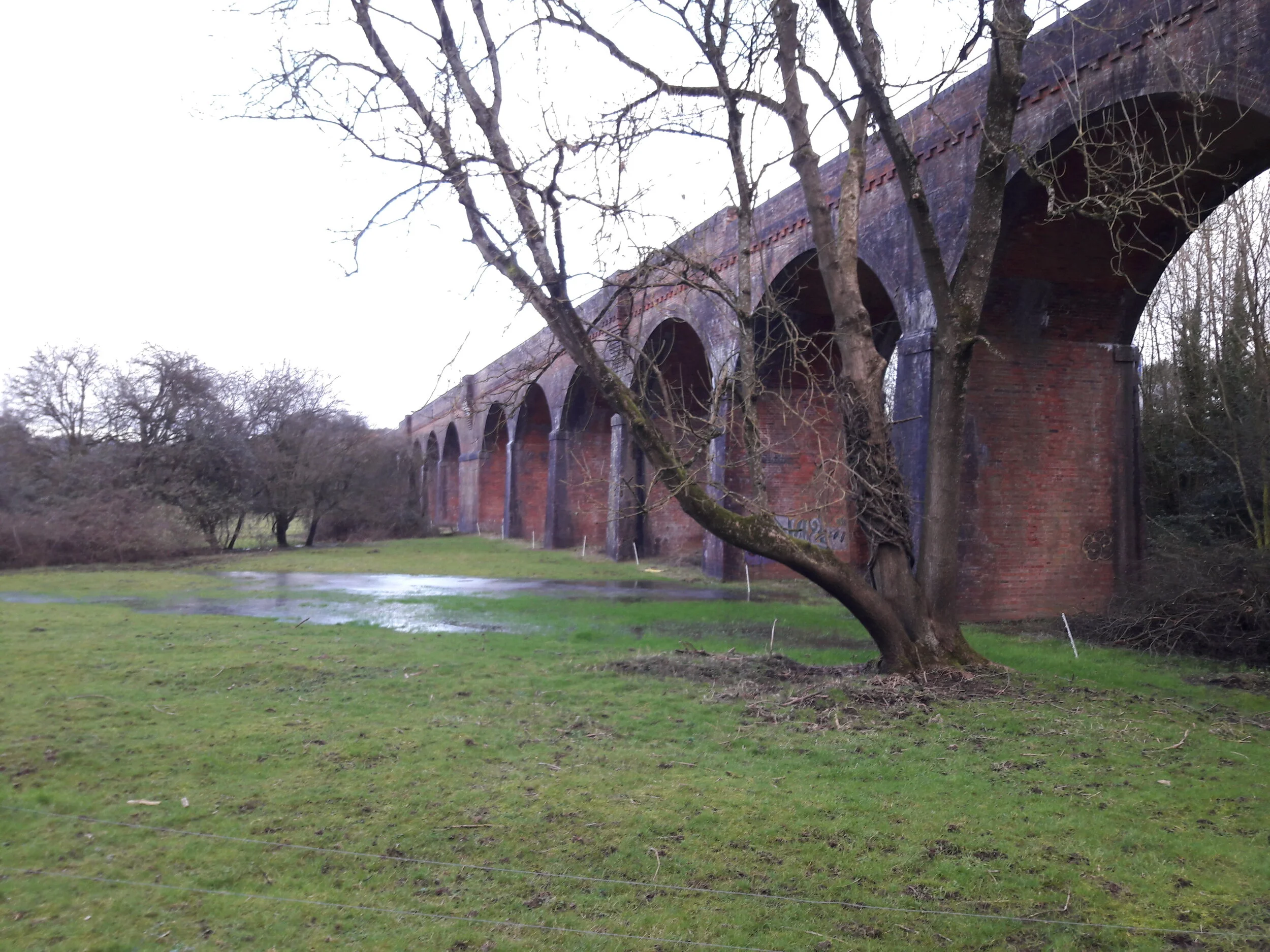
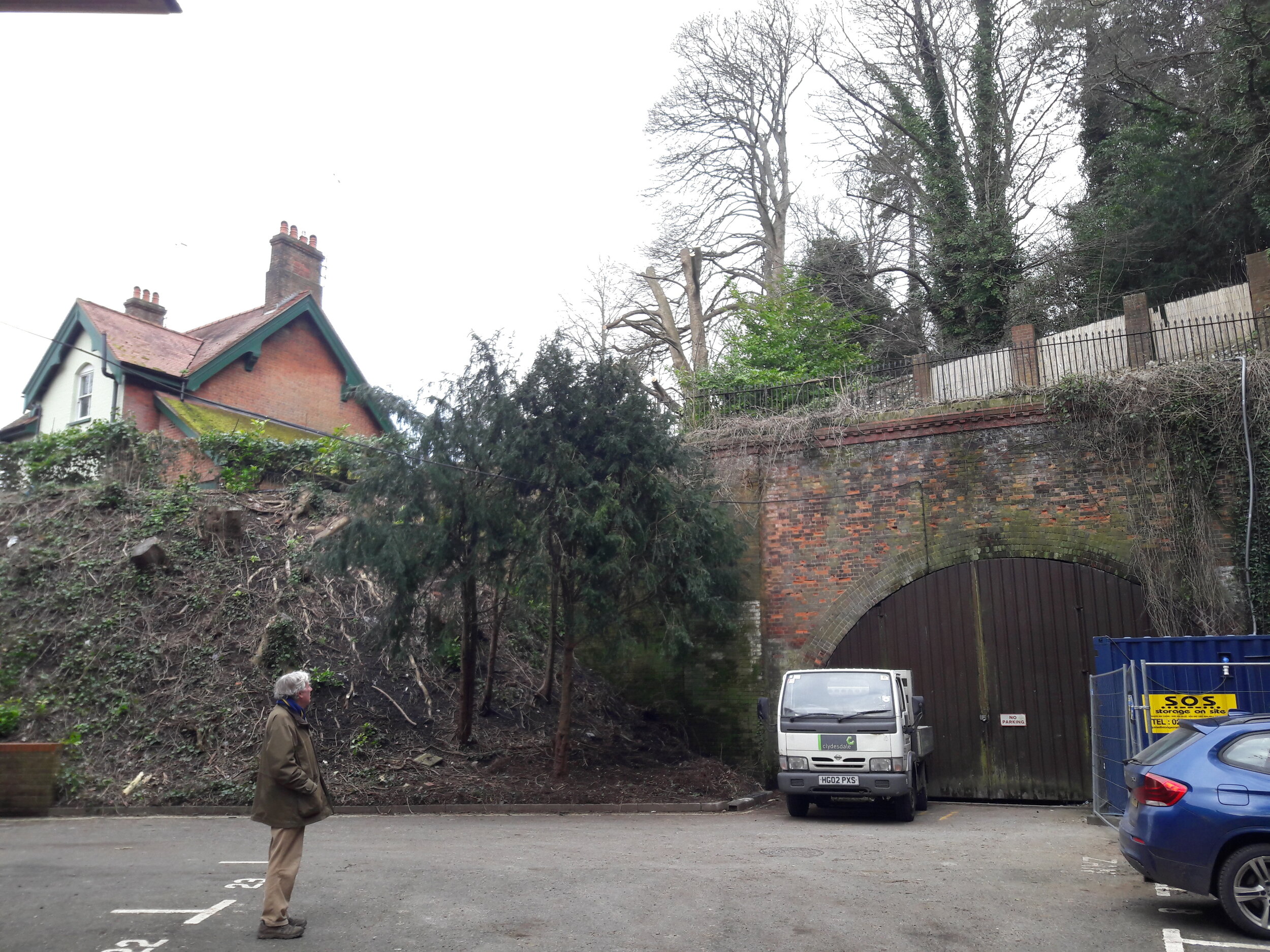
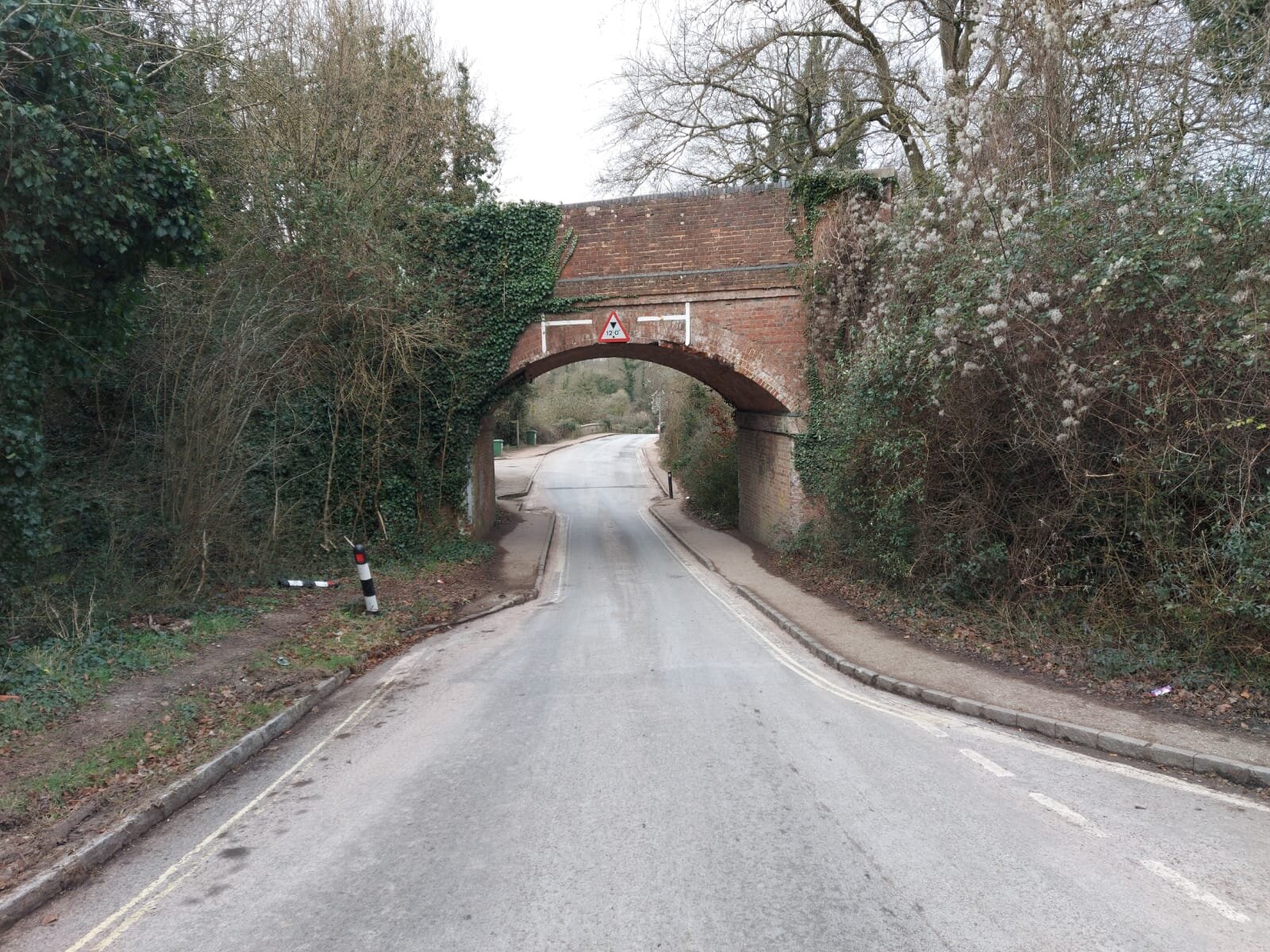
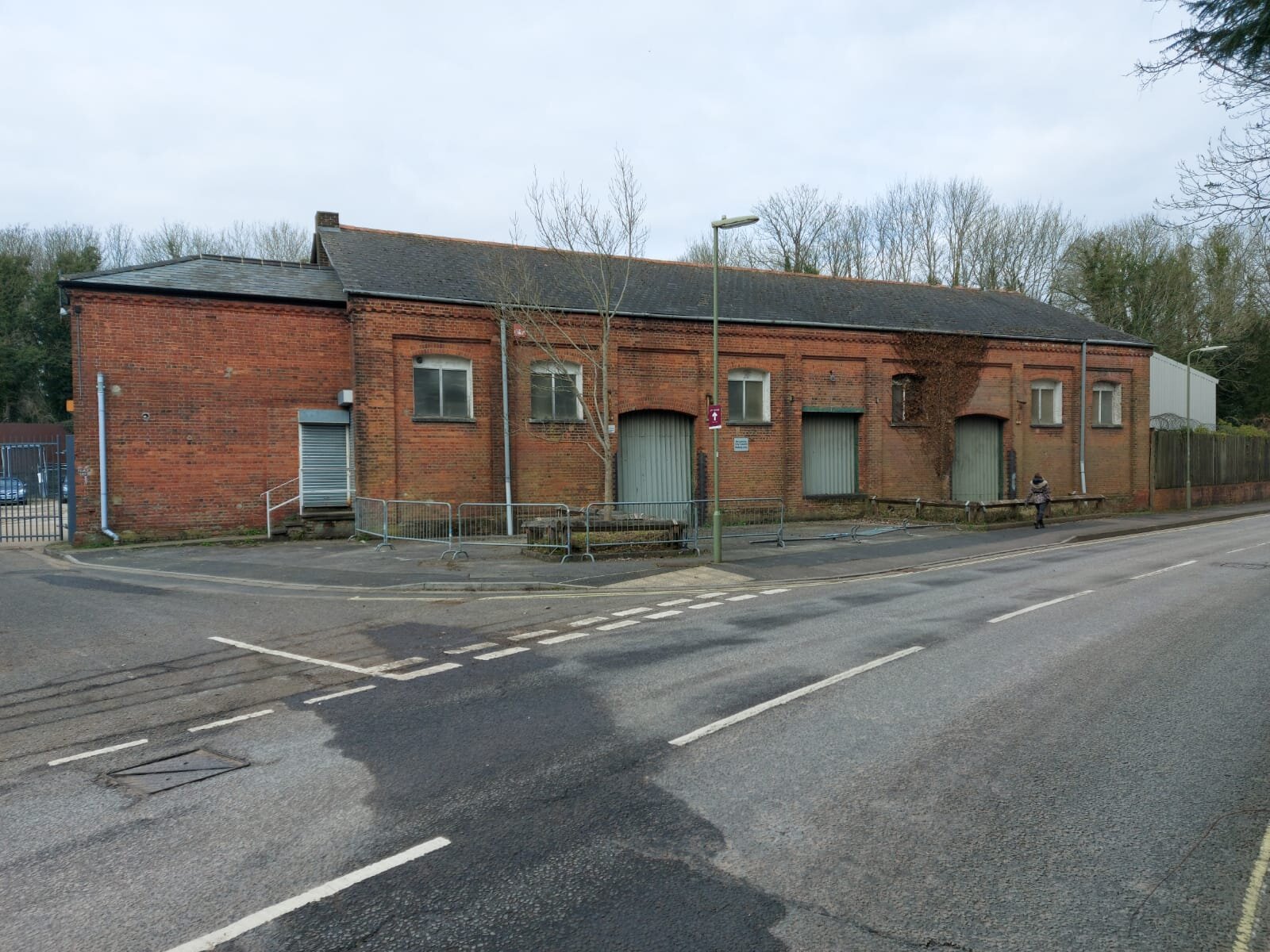
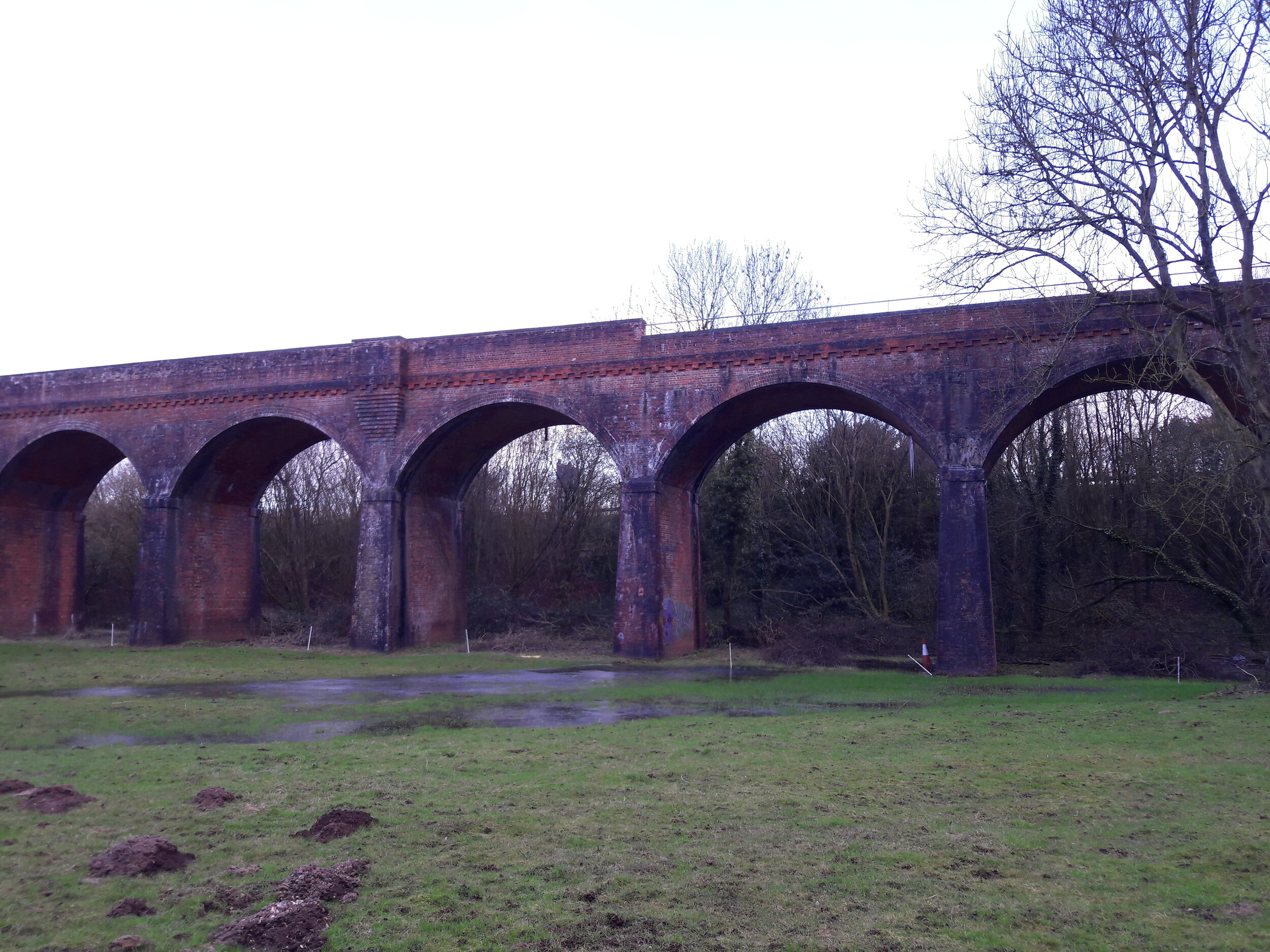
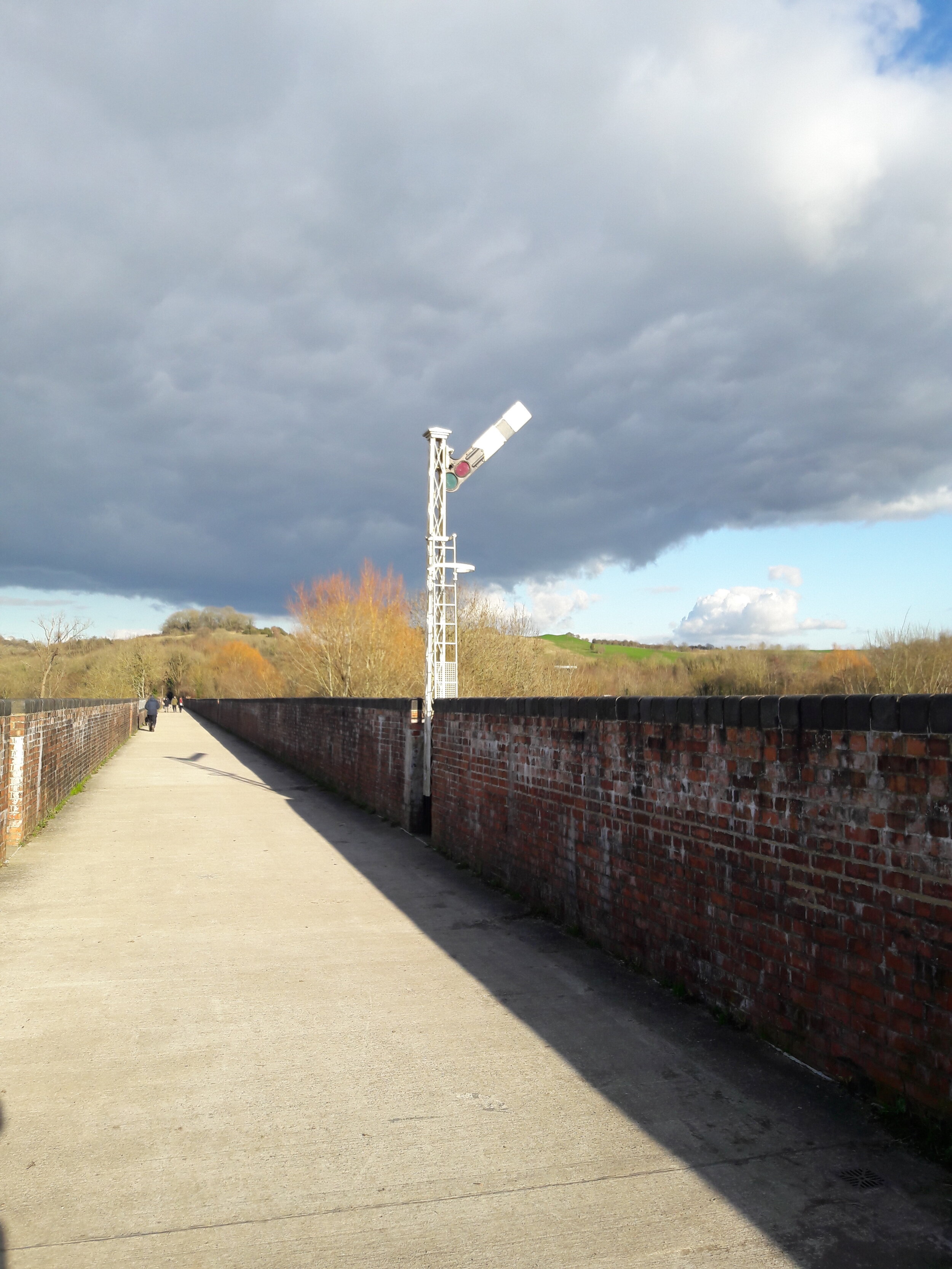
If you find yourself walking along Chesil Street in Winchester, listen out for the ghostly whistle of a steam train or the clang of a signal bell. Here, at the foot of St Giles Hill, was Cheese Hill (later Chesil) Station, opened in 1885 as a stop on the ill-starred Didcot, Newbury and Southampton Railway line. From here Hampshire strawberries were carried to London, race horses to Newbury and thousands of troops to Southampton to embark on journeys to the Western Front, and, later, the Normandy beaches. The line closed in the 1960s, but tantalising fragments of station and railway remain. Winchester tourist guide Clare Dixon talks to Julie Dypdal about the history of the railway, and takes us on a podcast tour of the bridges and buildings, tunnel and viaduct that still form part of the Winchester landscape.
Clare Dixon
Clare is a Winchester Green Badge Tourist Guide and South/South East England Blue Badge Guide
History has always been my passion. I have a degree in Modern History (which covered everything since the fall of the Roman Empire!), and I especially love local history and historical geography.
Most of my working life was spent in the charity sector and then following my husband around the world. But after a break to have children, I trained as a Tourist Guide for Winchester and discovered a way to unite a love of history with a part-time job – what could be better! That was in 2005. Since then I have trained again as a Blue Badge guide for the whole of southern England and in normal times my main work would be coach tours from the cruise ships in Southampton and Portsmouth to eg Windsor Castle or Stonehenge.
My favourite job as a Tourist Guide is to take people on a walking tour around Winchester. I have lived here now for over 20 years, and have been a Winchester guide for 15 of those, and am fascinated by all the quirky corners of its long history. One of which is the story of the Chesil Railway.

Further Information and Useful Links
Winchester Tourist Guides offer walking tours each summer that explore the remains of the Chesil Railway in Winchester and offer an opportunity to go inside the disused Chesil Tunnel. We hope to be able to offer some dates later this year.
You can watch a video created by Howard Blake and the Southampton Video Club with help from the guides which tells the story of the railway in Winchester and of the Hockley Viaduct.
The Viaduct Way footpath and cycle path runs across the Hockley Viaduct. Download a trail leaflet from Visit Winchester or pick up a leaflet from the Visitor Information Centre, The Broadway, Winchester.
We made a blog post about the Chesil Railway, which you can find here.