

Valkyries in the Water-Meadows: A Little-Known Piece of Winchester Folklore
In this podcast, we explore how Winchester’s folklore, dating from the medieval period, tells us about the English version of the Old Norse Valkyrja, a figure of Old Norse myth.
It’s amazing how we can learn so much about a place from its past, and Winchester is no different! Dating from the Anglo-Saxon period, Winchester’s folklore not only tells us more about the city, but it also highlights some details about an unusual creature: the English version of the Old Norse Valkyrja.
Join Dr Eric Lacey as he shares with us the story of the valkyries in the Water Meadows, how the English version of the valkyries was understood and how different it was from its somewhat romanticised Old Norse counterparts.

Dr Eric Lacey
Dr Eric Lacey is Senior Lecturer in Language and Linguistics at the University of Winchester, where he is Programme Leader for the English Language and English Linguistics degrees. His research applies close study of language towards various cultural and historical ends, and he has published on place-names, recovering the nuances of sensory perception in the past, and most especially, birds.
Further Information and Additional Links
If you are interested in today’s topic be sure to check out Dr Lacey’s chapter, ‘Wælcyrian in the Water Meadows: Lantfred’s Furies’, in the edited book Early Medieval Winchester: Communities, Authority and Power in an Urban Space, c.800-c.1200, which will be published September 2021.
For some further information about Eric, his work and how to contact him, see here.

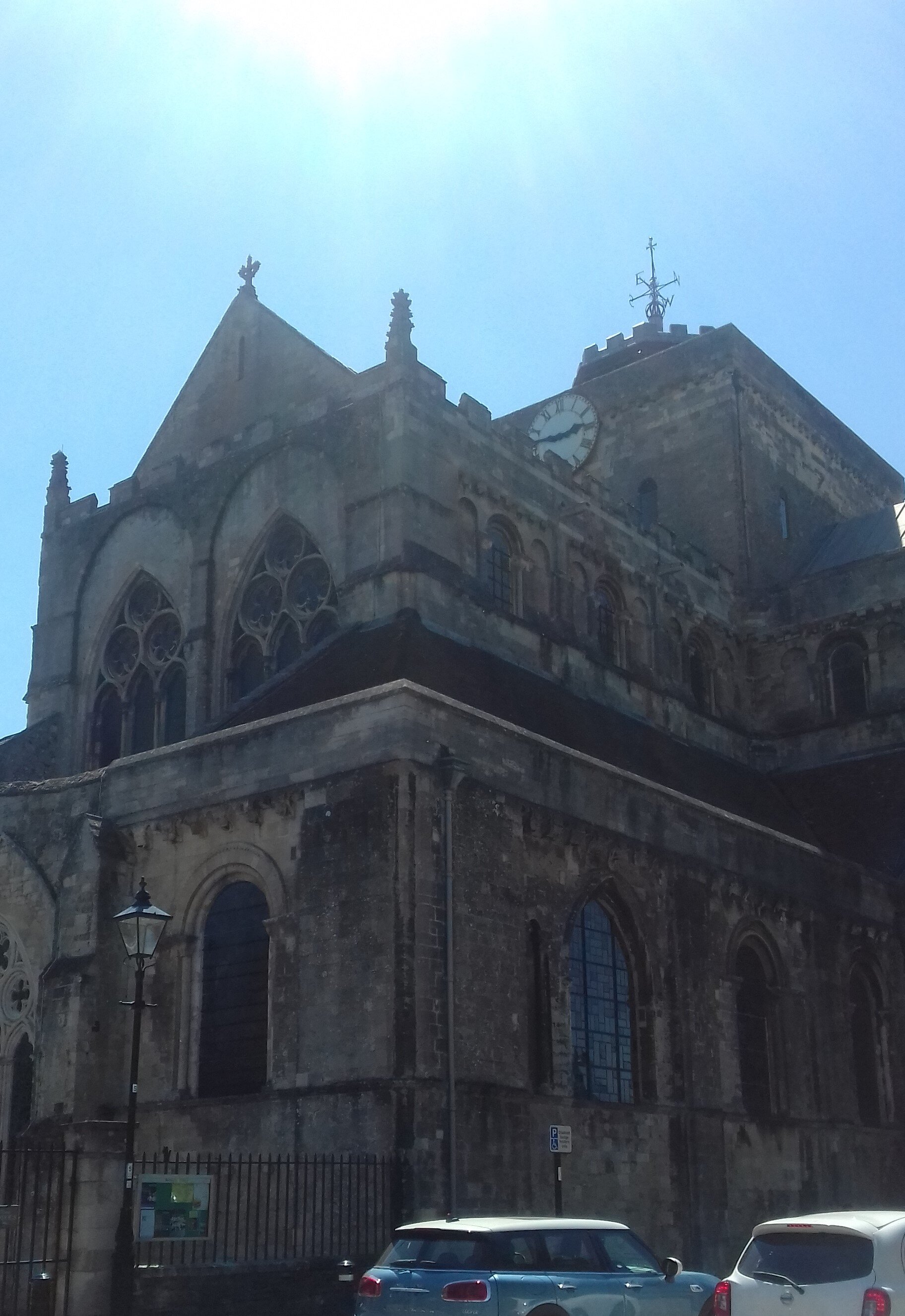
Romsey Abbey; a Haven, an Educational Opportunity or a Place of Power?
Romsey Abbey was an incredibly important abbey for women right from the time of its foundation in the early tenth century right up until its semi-dissolution in the sixteenth century
“Get thee to a nunnery” Hamlet declares to Desdemona in Shakespeare’s play, but for women in medieval England, being sent to an abbey or convent was not necessarily a penance. Taking orders could be as advantageous as an arranged marriage, providing women with a good education and positions of power and authority.
In the medieval era Hampshire’s Romsey Abbey was the church of a Benedictine nunnery and Catherine Capel of the University of Winchester tells the gripping stories of five women of royal blood who were connected in different ways with this great religious building.
We are delighted Catherine Capel has joined us again on Hampshire HistBites, you may recall her first podcast on Matilda’s last stand in Winchester. Catherine’s primary research interest focuses upon the participation and motivation of elite Anglo-Norman women in warfare, but she is also interested in notions of female power and reputation.
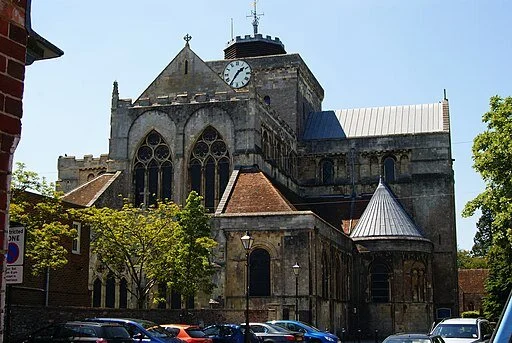
Rarely mentioned in the history books we read at school, and yet Romsey Abbey was an incredibly important institution in the medieval period. You can learn more about it here
https://www.romseyabbey.org.uk/
Perhaps not surprising this is not the first time Romsey Abbey has appeared either. Last season we discovered the history behind one its wonderful stained glass windows created by local artist Sophie Hacker. The window celebrates Florence Nightingale, and you can listen to the podcast here.

From a Cloister Arch to Medieval Glass and Some China Eggs!
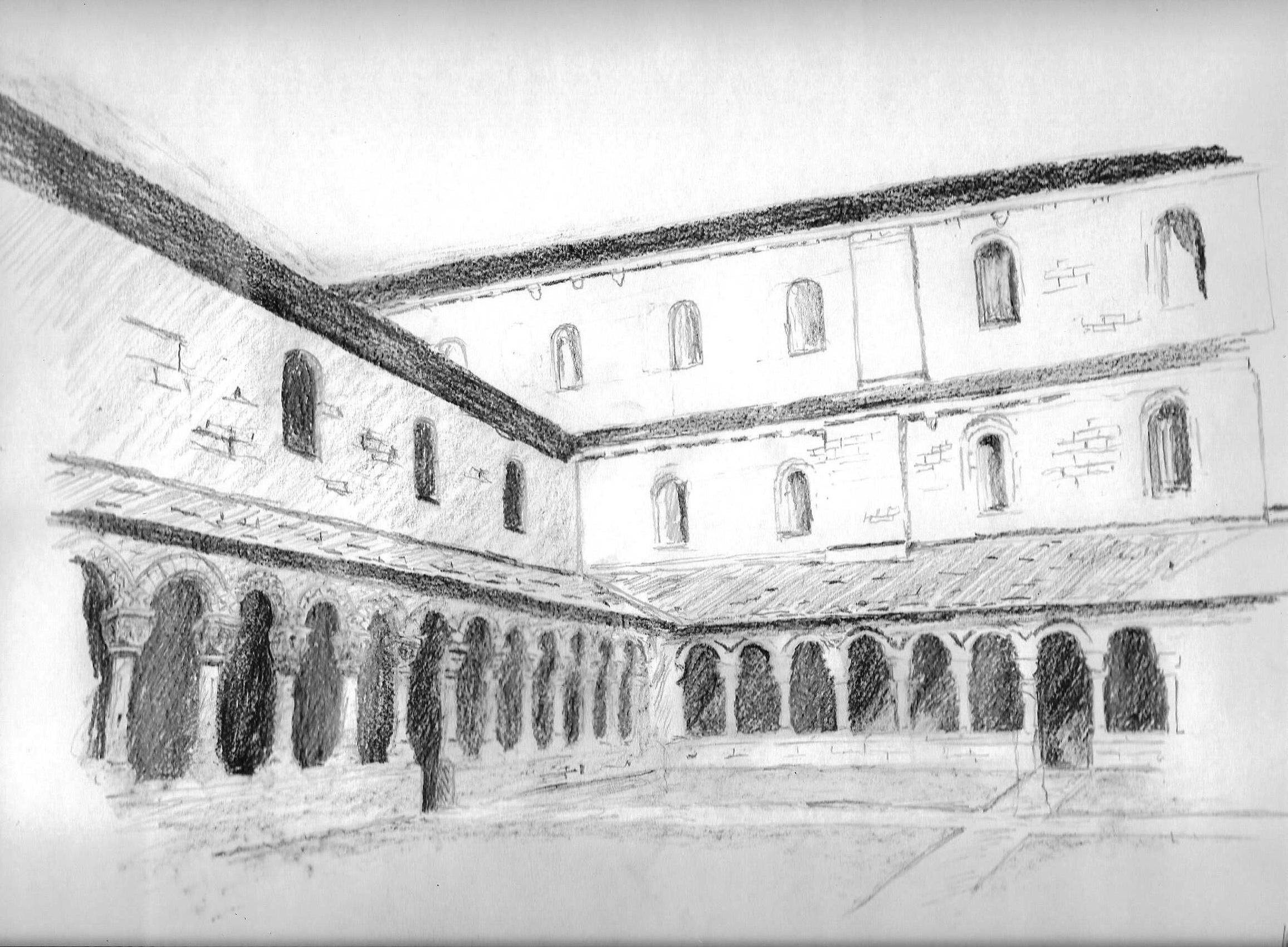
David Spurling reveals some of Hyde 900’s incredible finds and shares how you get involved with community digs and more this summer.
Having been moved from place to place for over 200 years, King Alfred the Great's roaming remains finally came to rest at Hyde Abbey in 1110: a newly formed Benedictine house. With such a regal presence, the Abbey became a hugely popular pilgrimage destination until its destruction during the Reformation. But now the history behind the burial place of one of Hampshire's most famous residents is being unearthed for all to see...
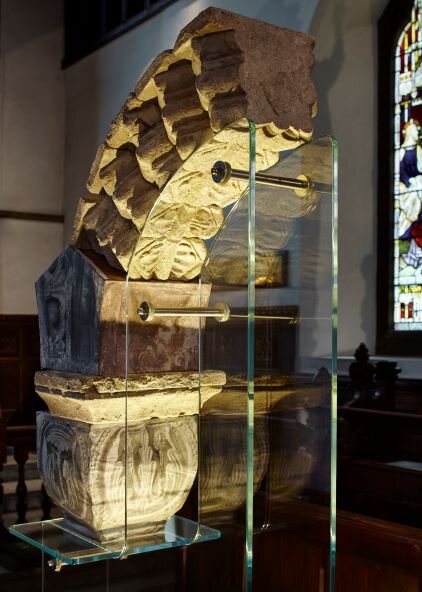
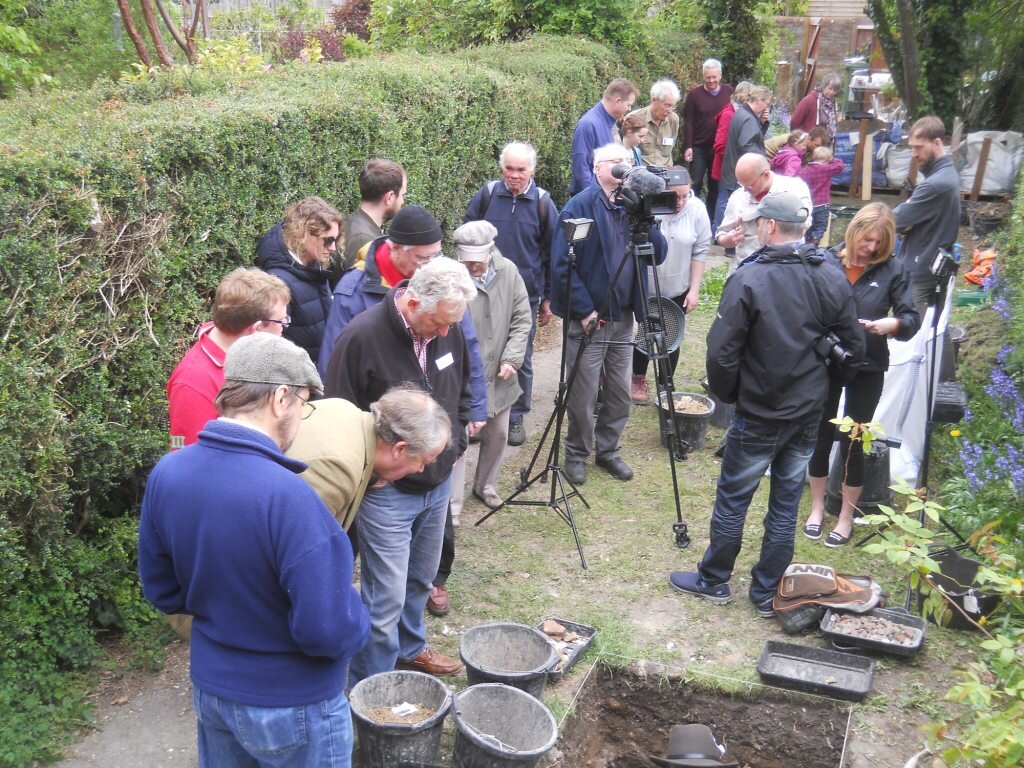
Just imagine unearthing a bit of 12th century cloister in your back garden, or a haul of medieval stained glass. For residents of the Hyde district of Winchester, these finds are among the many treasures to emerge from community digs in the area organised by the project Hyde 900.
Established in 2008, Hyde900 is a community project that was originally set up to commemorate the 900th anniversary of the foundation of Hyde Abbey. The project has since gone on to organise further cultural events and archaeological digs as well as support research into the Abbey's history. We spoke to David Spurling, current lead trustee and community dig organiser (2016-20) of Hyde900, about the history and archaeology surrounding the site. Listen to this episode to find out more about the Hyde900 story and some of their amazing discoveries, as well as some light-hearted and interesting tales from the past.
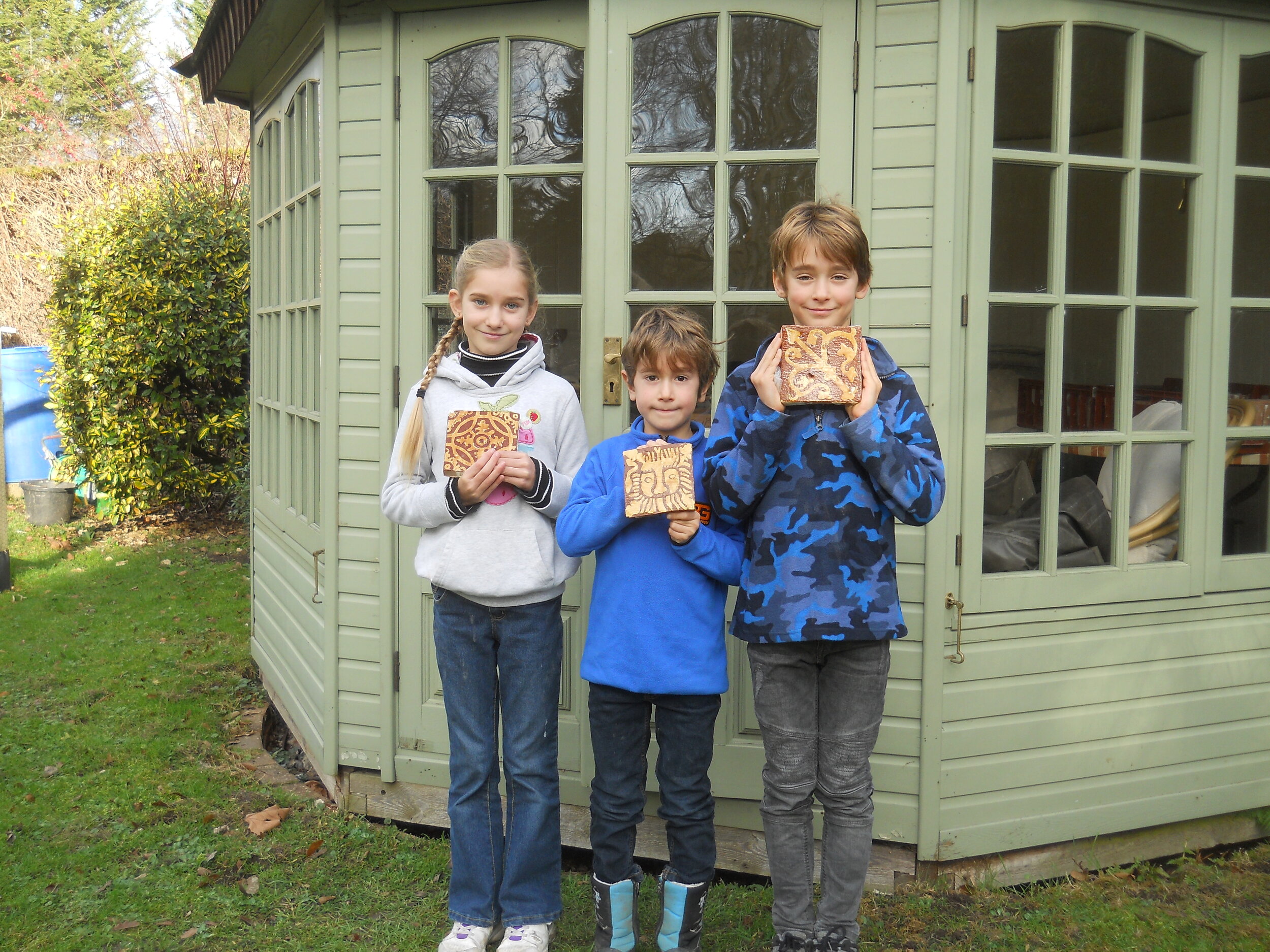
In this episode, you can also find out more about Hyde900's upcoming events including a local meet and greet, their latest community did In this episode, and a free tile-making event for children where they can create their own medieval tiles (similar to those in the cathedral) and these tiles are also available to be glazed and fired for a small fee.
David Spurling
David lives in a 16th century cottage on outskirts of Winchester, married with 4 children (and 9 grandchildren!). Since he got involved with Hyde 900 he has discovered that the stone chimney in his cottage is made from recycled stone from Hyde Abbey
He is also a trustee of Hampshire Archives Trust and committee member of WARG and WARG dig committee.
Further Information and Additional Links
If you would like to find out more about Hyde 900 and all of their digs and other projects, visit their website or social media pages:
Website - www.hyde900.org.uk
Facebook - @Hyde900
Twitter - @Hyde900org
There are several organisations that deserve credit for their collaboration with Hyde900 and they include ADAM Architecture, CBA, Hampshire Field Club and Belgarum. David also recommends taking a look at
WARG - the society for Winchester archaeology and local history, promotes the study of archaeology and local history in the City of Winchester and the surrounding area,
Hampshire Archives Trust - a member-led charity that works to support and promote Hampshire's rich archival heritage.

Weaving History and Tradition with the Whitchurch Silk Mill
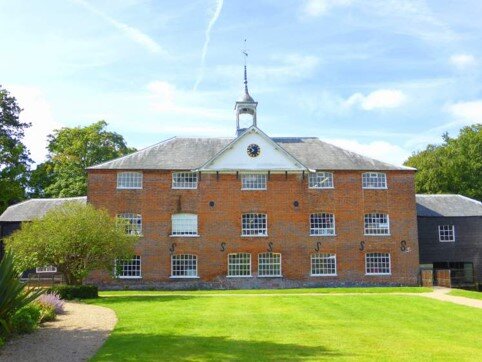
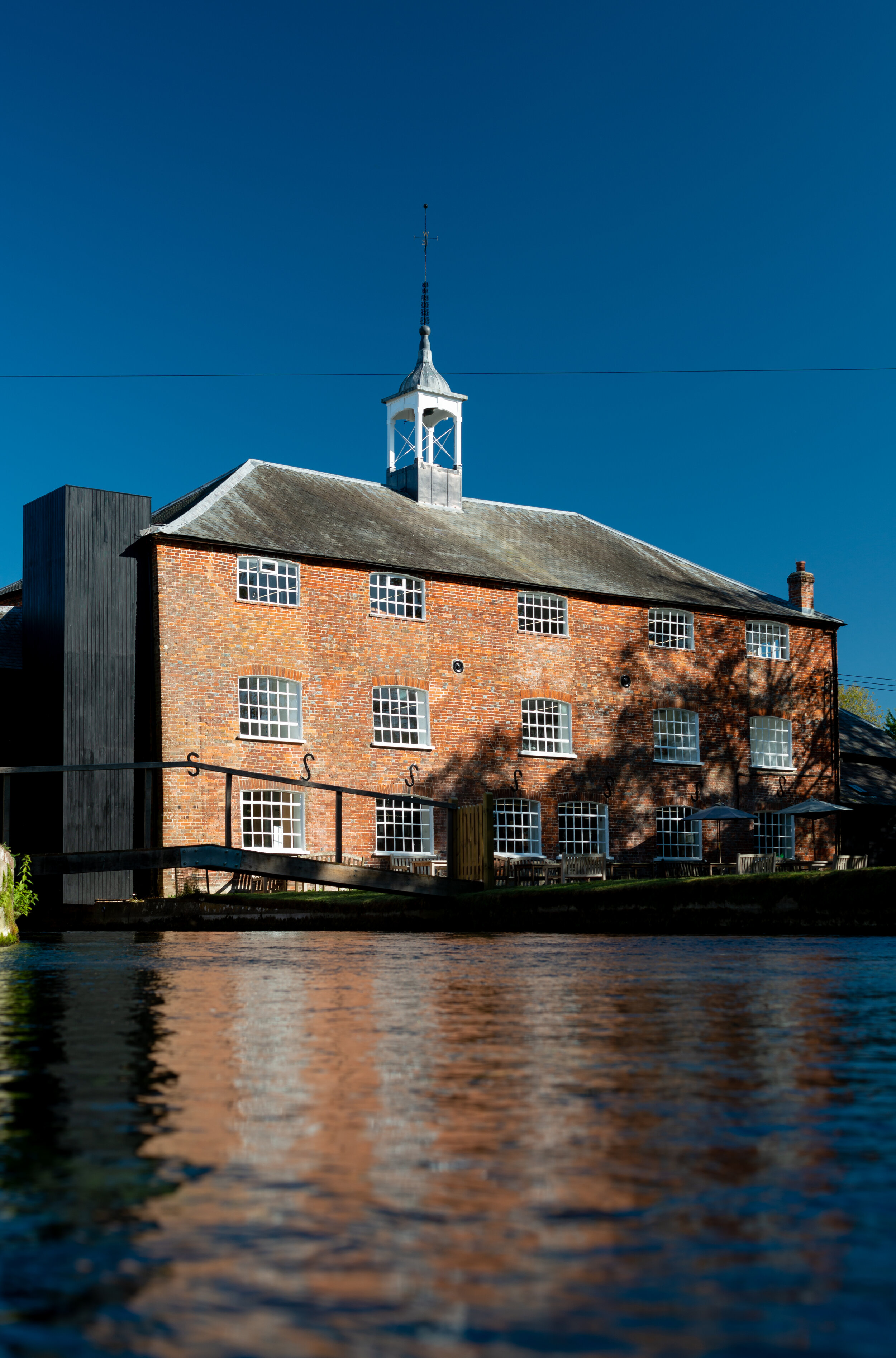
The Whitchurch Silk Mill offers centuries of history inside its walls. Shannon Bye and Zoë Umpleby reveal its fascinating stories from both the past and present.
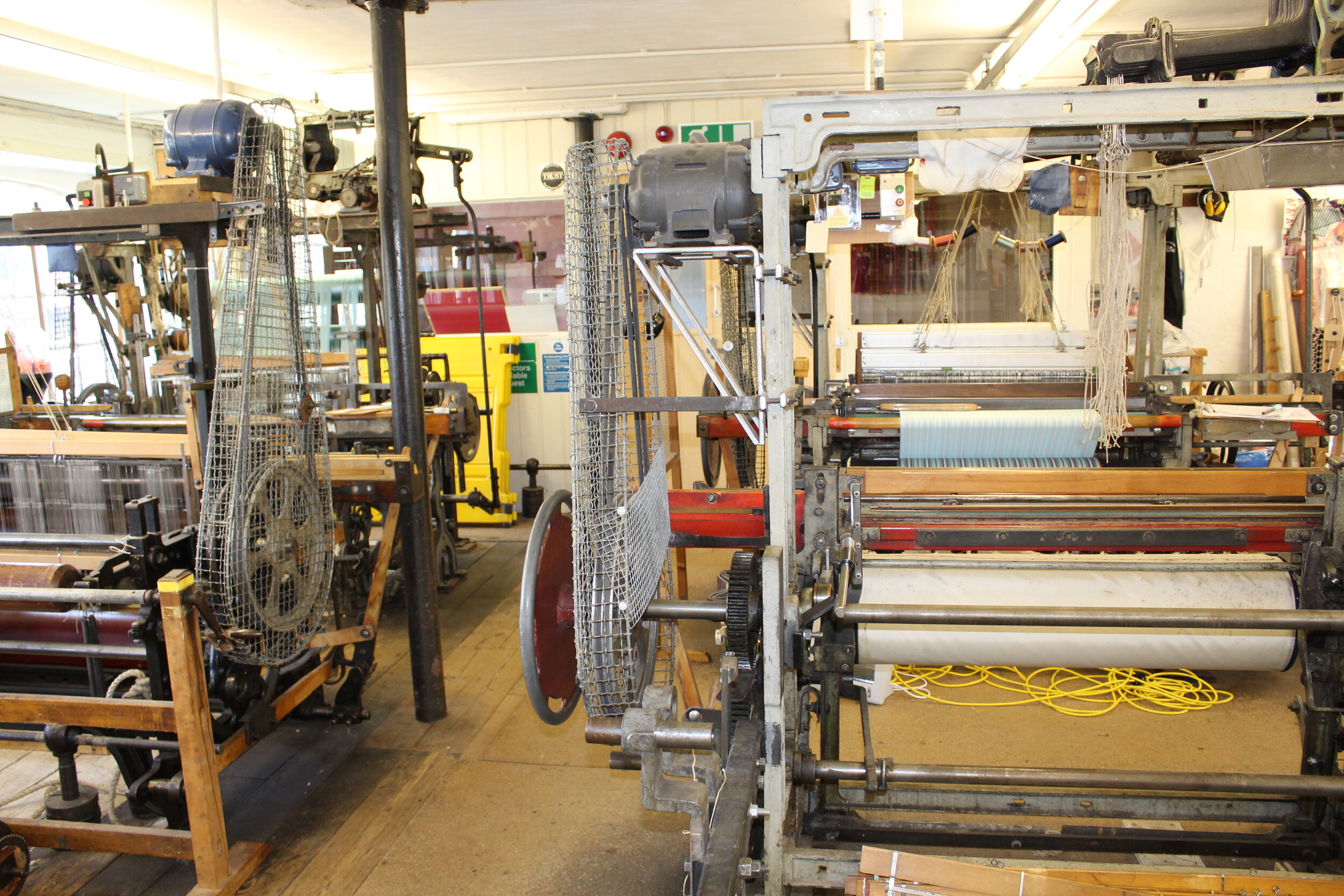
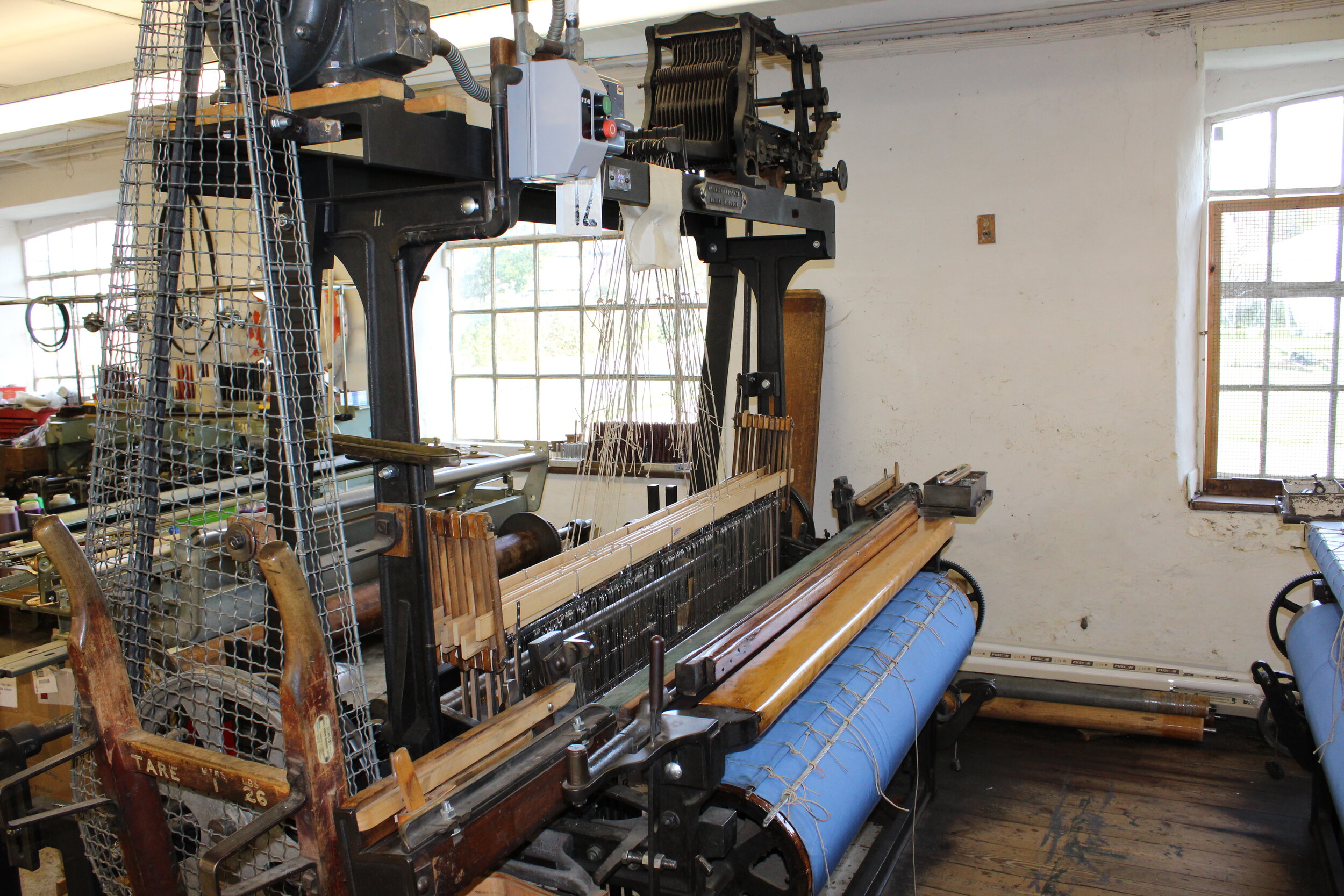
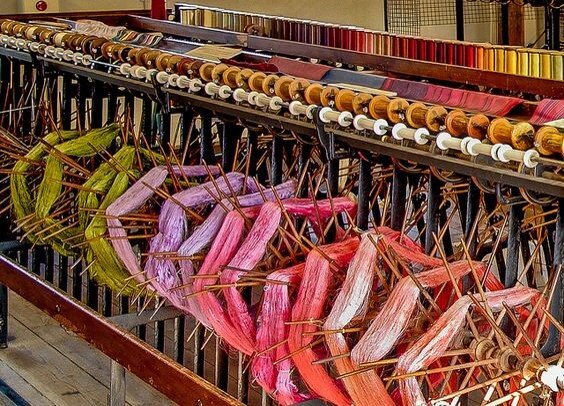
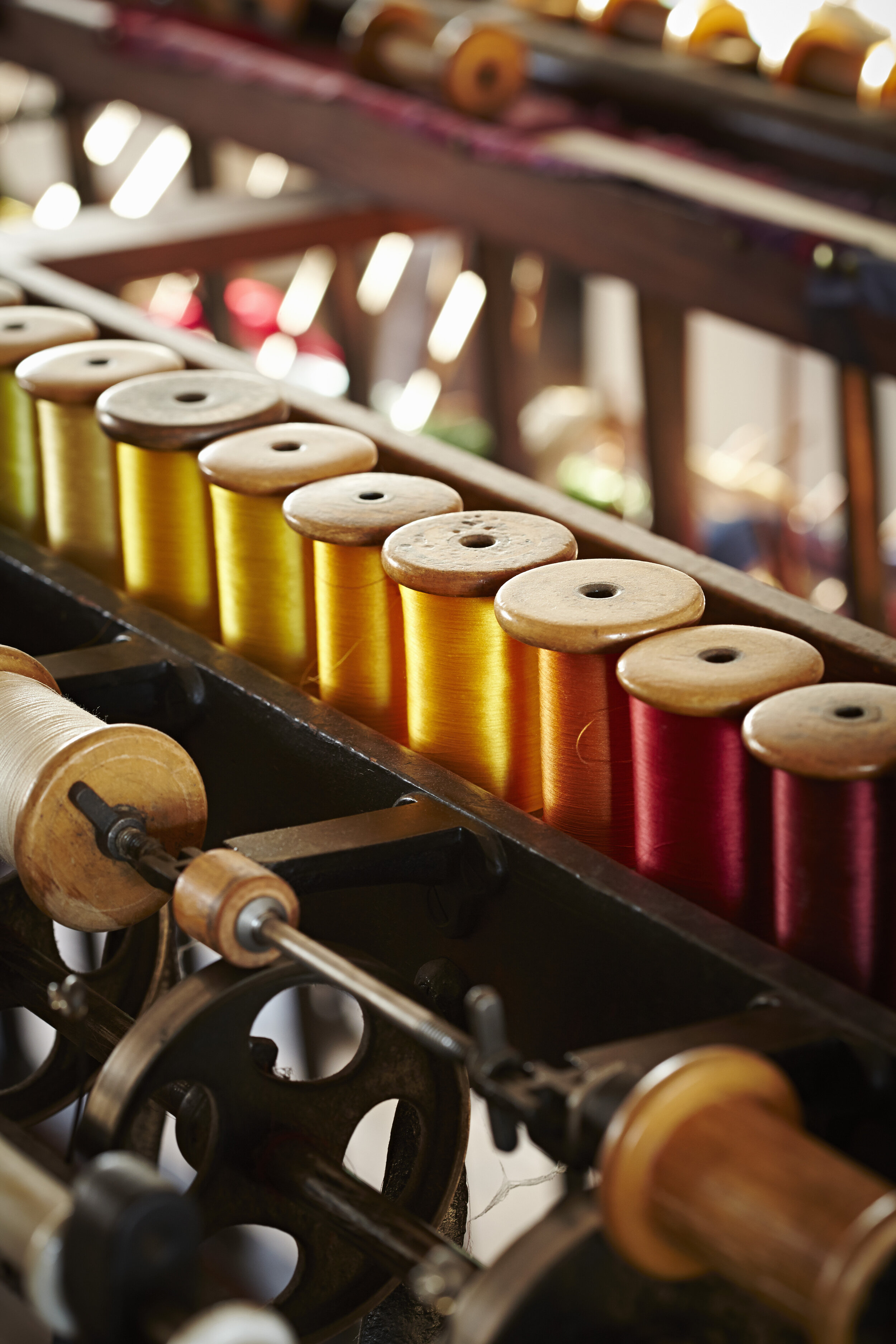
The ancient tradition of silk weaving is not just alive but flourishing at Hampshire’s very own silk mill, housed in its original building in the little town of Whitchurch. Emily Briffett talks to some of the team at Whitchurch Silk Mill and discovers that the fabric and ribbons produced here over the years have clothed both the famous and the infamous.
A segment of the silk used for the wedding dress of Diana, Princess of Wales was prepared right here at Whitchurch, while on a less salubrious note, one of the Kray twins is rumoured to have ordered silk from here while detained at Her Majesty’s Pleasure.
Episode Guests

Shannon Bye
Is currently a Weaver/Tackler at Whitchurch Silk Mill. Shannon’s interest in weaving was first sparked in her hometown of Norwich. In 2015, Shannon began her Undergraduate degree at Norwich University Arts, and was initially interested in learning about printing when she discovered weaving and fell in love with it!
Shannon joined the Weaving team at the Mill in September 2019 on a Heritage Weaving Traineeship scheme generously funded by the National Lottery Heritage Fund. She has spent the last two years whilst on the scheme learning the process and skills of silk weaving on industrial heritage looms (the majority of the machinery in the Mill is over two hundred years old) from our Senior Weaver, with the aim of continuing the legacy of heritage weaving for future generations. Shannon can often be found in the Weaving Shed threading up a loom for a project and delighting visitors with her stories and knowledge of the machines and silk weaving.

Zoë Umpleby
Zoë Umpleby is the Visitor Experience Coordinator at Whitchurch Silk Mill. Zoë joined the Mill team in 2017, as part of a National Heritage Lottery funded post. Her job at the Mill is very varied, and every day is different! Her day to day involves helping support the exhibition, events and education and outreach programmes, and she currently manages the Mill’s digital media programme across the Mill’s social media and website platforms.
Zoë went on to study history at the University of Winchester and then completed a Masters in Cultural Heritage Management learning about exhibition design, curating and museum collection management. She has worked at a number of museums and heritage organisations including the National Trust, the Holocaust Educational Trust and the Royal Hampshire Regiment Museum in Winchester and is also currently working for the National Museum of the Royal Navy. Zoë is studying for a PhD at the University of Winchester researching the possible therapeutic effects of heritage in museums on the recovery of military veterans and personnel suffering from Post-Traumatic Stress Disorder (PTSD).
Further Information and Additional Links
For further information on Whitchurch Silk Mill, information about how to visit, and to follow along in the work that Whitchurch Silk Mill does, have a look at their:
Instagram: @whitchurchsilkmill
Twitter: @whitchurchmill
Facebook: @WhitchurchSilkMill
Website: www.whitchurchsilkmill.org.uk
If you enjoyed this episode, have a look at our other episodes relating to Whitchurch Silk Mill: Whitchurch Silk Mill’s Six-Thousand Mile Connection and In Conversation With John Pilkington: Hampshire’s Own Explorer and Travel Writer

Three Abbeys and a Castle: Visiting Royalty in Hampshire
Throughout history, the Royals have made their mark all across Hampshire. Dr. Gabby Storey unveils the unique stories of four important sites in the county.
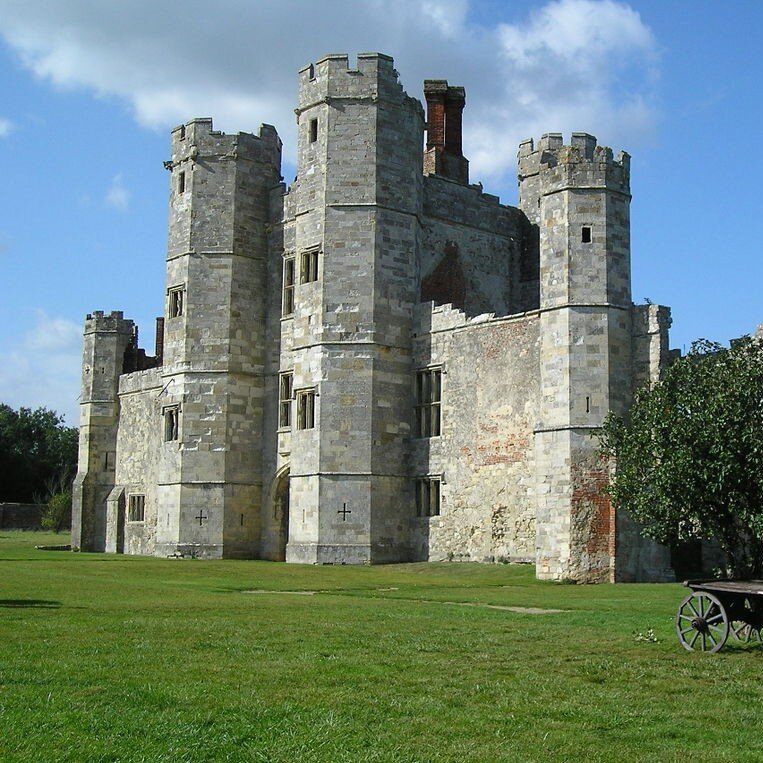
When it comes to swanky guest lists it’s hard to beat the roll call of visitors to Hampshire’s Titchfield Abbey over the centuries. Henry V stopped off here en route for the campaign in France that inspired Shakespeare’s famous St Crispin’s Day speech. Later Henry VI married Margaret of Anjou here and Elizabeth I and Charles I were among the Tudor and Stuart monarchs to drop in for a visit.
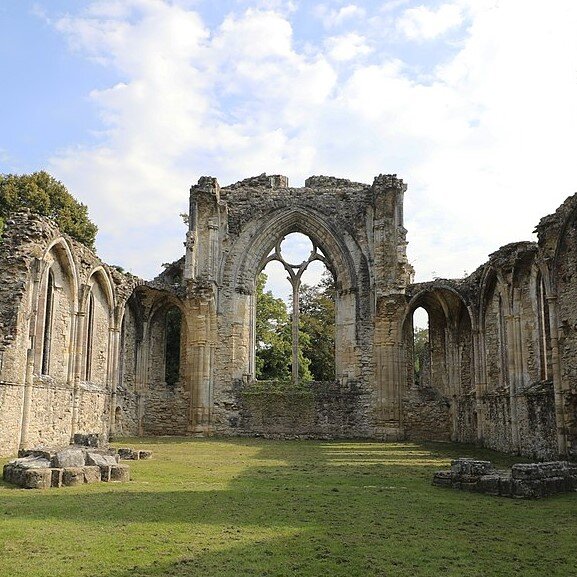
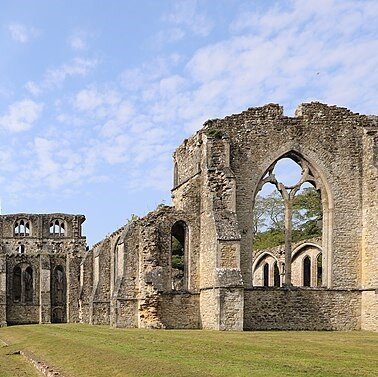
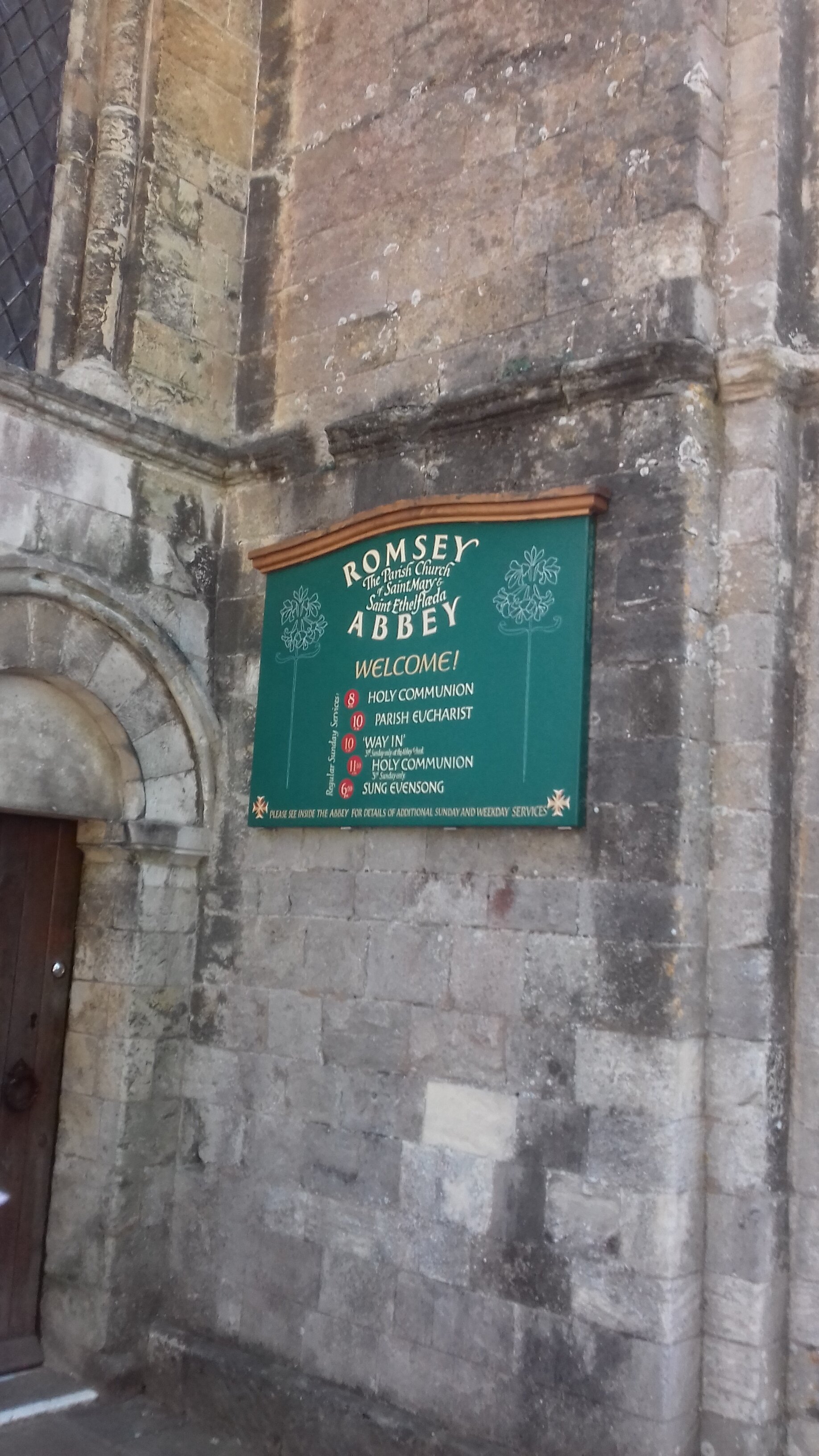
But Titchfield is not the only Hampshire location with strong royal connections. In fact it has some serious competition from other Hampshire sites according to Dr Gabby Storey who takes us on a royal tour around the county. Join us as we go from Titchfield Abbey to Odiham Castle, Romsey Abbey and Netley Abbey, revealing the royal links and fascinating history of each site. And after you have listened, why not create your own tour of these extraordinary places.
Gabrielle Storey
Gabrielle Storey is a historian of Angevin queenship, with a particular interest in familial relations and the exercise of power and authority. Her wider interests focus on gender and sexuality in the medieval period in Western Europe. She is currently working on the production of a monograph from her thesis which is a comparative study of Angevin queens, focussing on co-rulership, competition, and co-operation with their royal husbands and sons. She is also producing a biography of Berengaria of Navarre which is forthcoming. Her previous publications include a chapter on Berengaria of Navarre and Joanna of Sicily as crusading queens, and she has presented at several international conferences and public talks including the International Medieval Congress, Heritage Open Days, and Kings and Queens.
Further Information and Additional Links
To find out more about Team Queens, an educational history blog on all things queens, run by #teamqueens, a collective of historical scholars, click here.
You can follow Gabrielle Storey on Twitter - @GabbyStorey and Instagram - @drgabbystorey.

When the Messiah came to Andover
Local historian Alex Beeton talks to Julie Dypdal about this fascinating tale and the light it shone on our society at the time
Hampshire during the English Civil War was a pretty miserable place. Looting was rife and the population politically divided and plagued by disease. Into this gloomy scene came the London rope-maker William Franklin, a self-proclaimed Messiah, who set up camp in Andover in 1649 with his female companion Mary Gadbury. Was he a visionary or a blasphemer?
Local historian Alex Beeton talks to Julie Dypdal about this fascinating tale, the fluctuating fortunes of Franklin and his band of followers and the light this shines on society at the time.

Alex Beeton
I am a second-year PhD student at Oxford University studying early modern British history. I grew up in Compton and have always loved local history. Winchester is full of fantastic stories, especially from the Civil Wars, and it’s great to have a chance to talk about them.
Alex will also be speaking at the 2021 Winchester Heritage Open Days on Winchester College during the Civil Wars and a curious story involving bribery and sugar.
“I’d recommend ignoring books and going to some of the places which still have traces of the seventeenth century. The Westgate Museum in Winchester has a really wonderful collection of early modern artefacts and is in a lovely setting. Winchester Cathedral and College also are full of stories and objects from the period.”

Ellis, H.,d.1676. (1650). Pseudochristus. London, Printed by John Macock, for Luke Fawn, and are to be sold at his shop at the sign of the Parrot in Pauls Church-yard. Retrieved from https://www.proquest.com/books/pseudochristus-true-faithful-relation-grand/docview/2240921816/se-2?accountid=27803
© ProQuest 2021
Wonder what happened to Mr. and Mrs. Woodward?
After the ordeal with the Messiah, Mr. Woodward lost his church living at Crux Easton, but reappears 10 years later in Kent in another church role. Bizarrely, Mr. Woodward starts to proclaim that he met the Messiah some years ago, a complete turnaround from his statement at the examination. This is in the 1660s and he suddenly reverts to this deeply held belief in the messianic nature of Mr. Franklin and it most probably loses him his job in Kent. It’s very hard to interpret why he went back to saying that Mr. Franklin was the Messiah: perhaps he truly was a sincere believer in 1649/1650 and had a moment of fear, trying to save his skin during the examinations. However, it is possible that Mrs. Woodward had a role in this rekindling of Mr. Woodward’s belief in the 1660s as she was the more active believer in the Franklinite cause (according to the sources).
While Mr. Woodward only spent one day in prison until someone paid security for him and he was released, Mrs. Woodward was indicted as a brothel housekeeper as she allowed un-married people to sleep under her roof in the same bed, which must have carried an enormous social stigma. And it is quite interesting that Mr. Woodward managed to find another church living after this complete humiliation.
William Franklin and Mary Gadbury: Some Final Thoughts
It’s not really clear what Mr. Franklin’s intention was when setting out to Andover and declaring himself the Messiah. When reading the pamphlet, they decide to go to Andover due to a vision. It also seems that Mr. Franklin intends on carrying on with his trade as a rope maker, but also to start preaching. So it is likely that the plan was to continue in a fairly normal life, but also to preach and start spreading the word while trying to be the Messiah.
Another interesting thing to note is that they had several followers: they had people coming to see them in prison and they received financial and physical support. But what is even more interesting is that Franklin and Gadbury attracted followers who gave themselves biblical roles: there’s a John who declared himself to be John the Baptist and there’s a Henry from Stockbridge who declared himself as a destroying angel.
In the end, Franklin and Gadbury don’t get charged with anything, but there are certain laws that came out of this incident (although this cannot be directly linked to the Messiah case, it is part of a wider societal context at the time). In 1650, a couple of important religious and moral laws are passed, including an Adultery Act which makes adultery or fornication punishable by death. And a Blasphemy Act, which specifically says people who declared themselves Messiah are going to be in trouble. Sound familiar?
Further Information and Additional Links
Be on the lookout for Alex’s appearance at the 2021 Winchester Heritage Open Day, where he will be discussing Winchester College during the Civil Wars and a curious story involving bribery and sugar.

Celebrating and remembering with Hampshire's oldest bells
Phil Watts, Bells Advisor for the Winchester diocese reveals all to Cathy Booth in this fascinating heritage podcast as he tells the stories of Hampshire’s extraordinary bells and shares how has bell ringing changed over the centuries.
On Sundays and feast days and in times of celebration and mourning bells ring out from Hampshire’s churches, abbeys and cathedrals to mark the occasion. It’s a practice that has continued since Saxon times, but where are the county’s oldest church bells which once rang to sound the curfew, or to remind households to cover their fires overnight? And where were they made?
Phil Watts, Bells Advisor for the Winchester diocese reveals all to Cathy Booth in this fascinating heritage podcast as he tells the stories of Hampshire’s extraordinary bells and shares how has bell ringing changed over the centuries.
Cathy Booth
Cathy Booth is the host of the Fun with Bells podcast, which she set up to support her husband who rings church bells in the English change ringing style. With a background in technology and interviewing, Cathy enjoys learning about different aspects of this fascinating hobby. Cathy also helped to set up the Hampshire HistBites podcast.
Phil Watts
An active Church Bell Ringer since 1970, Phil Watts has been involved in the care, maintenance and restoration of church bells for almost fifty years. He is presently Bells Advisor to the Winchester Diocesan Advisory Committee for the Care of Churches. A retired Chartered Land Surveyor, Phil has also served as a Churchwarden and in other roles in his local parish church.
Further Information and Additional Links
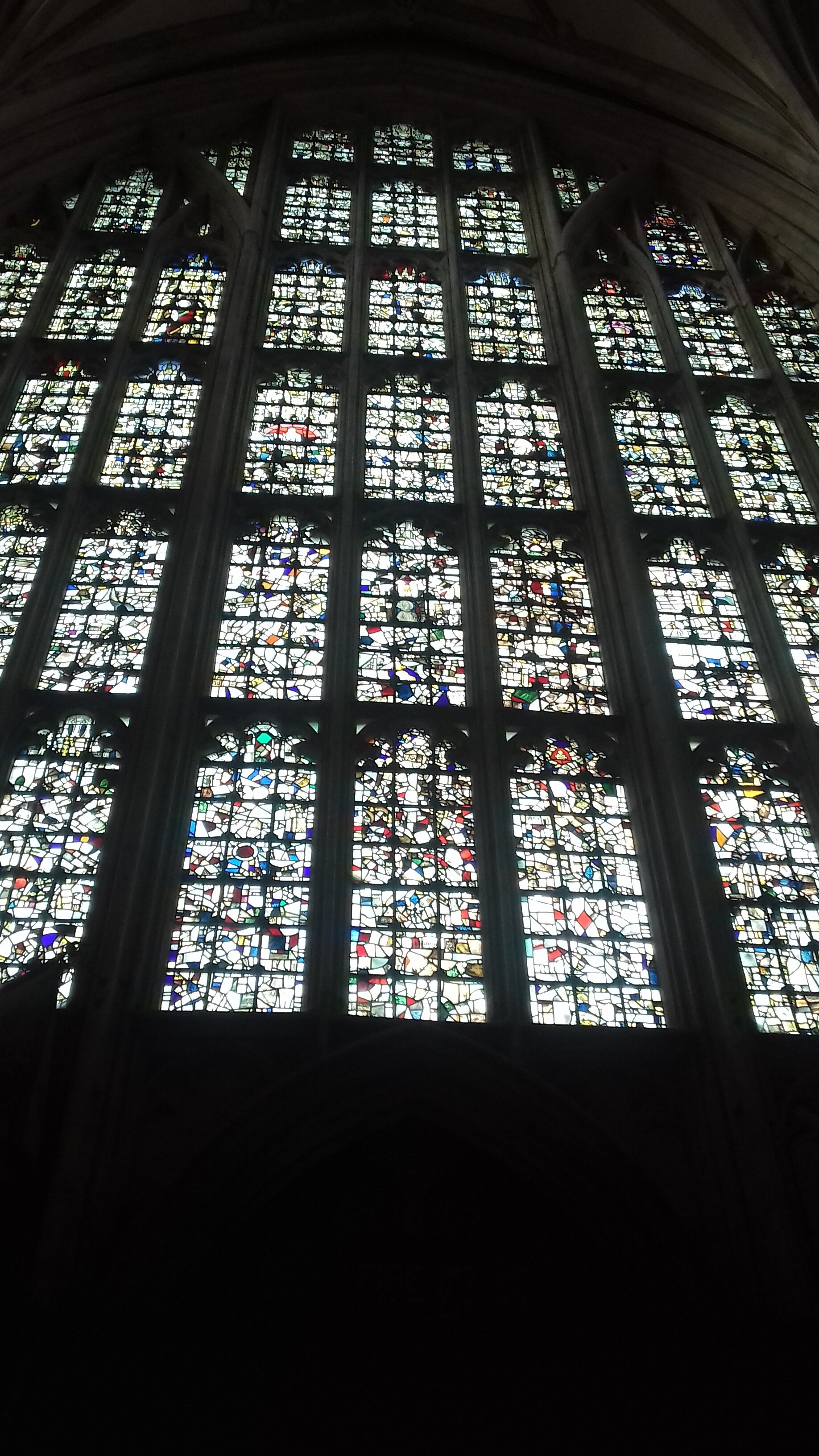
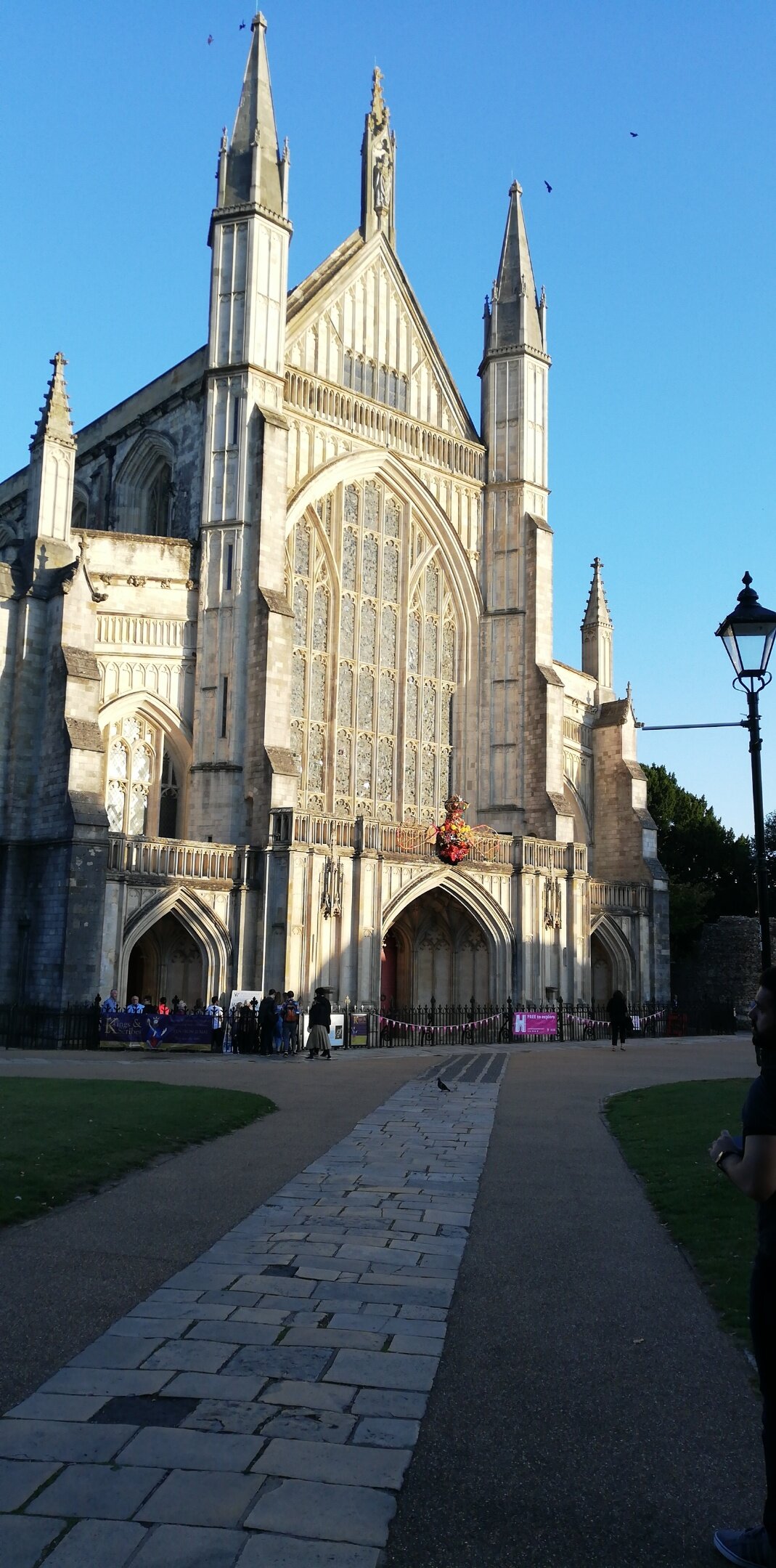
Visit the Winchester Cathedral website for more information about the Winchester Cathedral bells and to book a Tower tour, where you can view the bells at close range.
If you are interested in bells or want to hear more from Cathy, she has a podcast called Fun With Bells, which we recommend you listen to.
A Single Thread by Tracy Chevalier is set in Winchester and provides an interesting insight into bell-ringing here in the 1920s.