

The Buried History of the Winchester Geese: Part Two
Join Lucy and Ellie in the second part of their deep dive into the history of medieval sex workers in London and Surrey ー the Winchester Geese. In this episode, Lucy and Ellie discuss the Geese’s legacy in the modern era.
Join Lucy and Ellie in the second part of their deep dive into the history of medieval sex workers in London and Surrey ー the Winchester Geese. You may recall from part one of this series that from the 12th to 17th century, Southwark in London was controlled by the Bishop of Winchester which had the right to license and tax the borough’s prostitutes, and they became known as the ‘Winchester Geese’.
In this episode, Lucy and Ellie discuss the Geese’s legacy in the modern era.
How do we remember the struggle of medieval sex workers? Lucy Coleman Talbot explains how the Winchester Cathedral keeps the memory of the Winchester Geese alive.
Also discussed is the history of Cross Bones Graveyard throughout the years and its link between modern and medieval sex work. The modern social issues around sex work have existed for centuries, discover how we can remember the Geese for a brighter future.
Lucy Coleman Talbot is in the final stages of her PhD at the University of Winchester, her work focuses on the materiality of myth and ritual, heritage from below and the heritage management of difficult history. Lucy's focus is the Cross Bones Graveyard in Southwark, London, a site of community reclamation and a rich social history with mythic origins.

Vigil at Cross Bones

The gates at Cross Bones
FURTHER RESOURCES AND A CALL TO ACTION
Learn more about the Cross Bones Graveyard and the Winchester Geese here, and have a look at the Winchester Geese plate.
Discover the Museum of Sex Objects in London to learn more about sex workers throughout history.
If you want to learn about charities that supports women and about ending sexual exploitation, SWARM is a national charity focusing on providing skills and exit strategies/support to sex workers while BASIS is a charity that supports sex workers in Holbeck, Britain’s only legal sex-work area. Both charities have excellent resources and outreach.

The Buried History of the Winchester Geese: Part One
Lucy Coleman Talbot sheds light on the role of the Bishops of Winchester, as well as the suffering endured by medieval sex workers and how we know their story from a graveyard.
Did you know that from the 12th to 17th century Southwark in London was controlled by the Bishop of Winchester? Among other powers, the Bishop had the right to license and tax the borough’s prostitutes, they became known as the ‘Winchester Geese’. Lucy Coleman Talbot sheds light on the Bishops involvement, as well as the suffering endured by medieval sex workers and how we know their story from a graveyard.
There were many rules that the ‘Winchester Geese’ ー or legal sex workers ー had to follow, including:
Ordinance No. 14: No whore to entice any man into the brothel by pulling on his coat or any other item of clothing. Fine: 20 shillings.
And it wasn’t just the rules that made life for a Winchester Goose full of struggle. Lucy Coleman Talbot tells their story that was almost lost to history.
Lucy Coleman Talbot is in the final stages of her PhD at the University of Winchester, her work focuses on the materiality of myth and ritual, heritage from below and the heritage management of difficult history. Lucy's focus is the Cross Bones Graveyard in Southwark, London, a site of community reclamation and a rich social history with mythic origins.

The Outcast Dead R.I.P
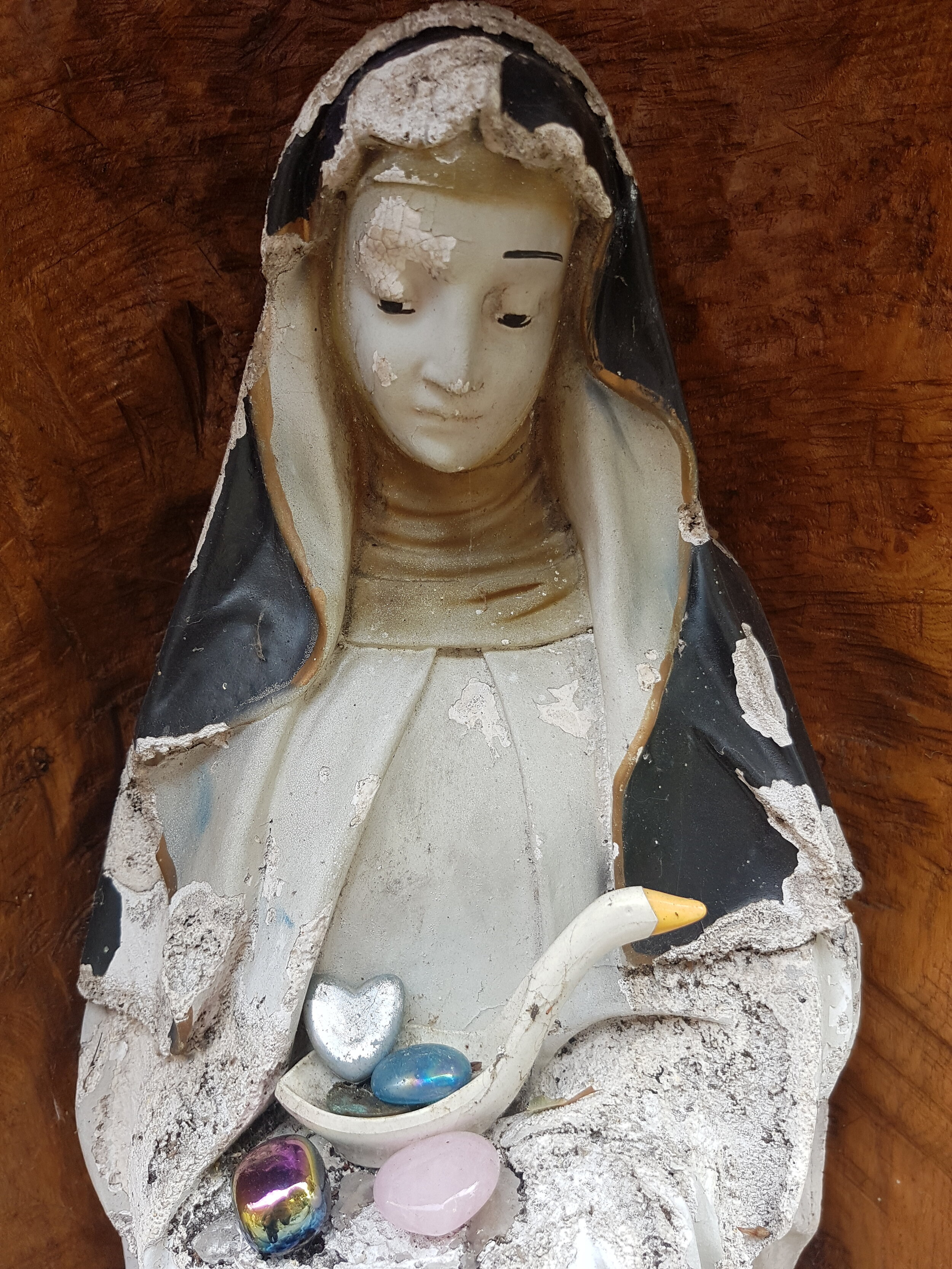
Redcross Mary
FURTHER RESOURCES AND A CALL TO ACTION!
Learn more about the Cross Bones Graveyard and the Winchester Geese here.

Crude Carvings: Graffiti in the Winchester Cathedral
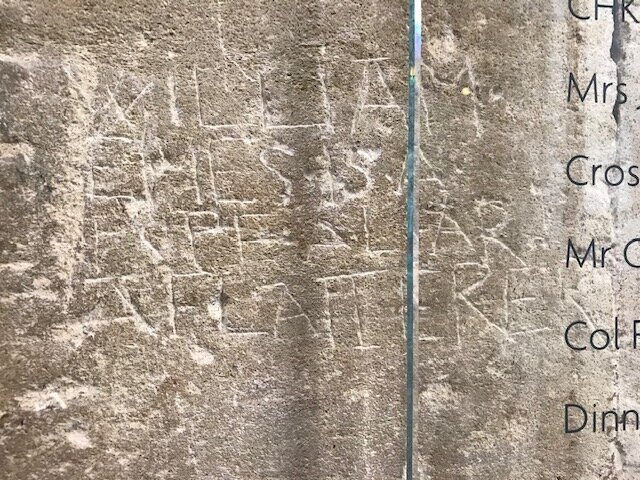
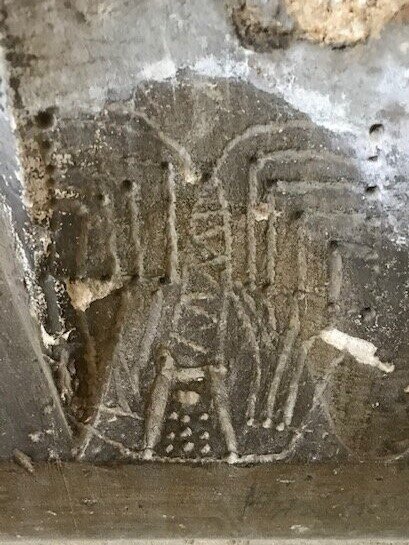
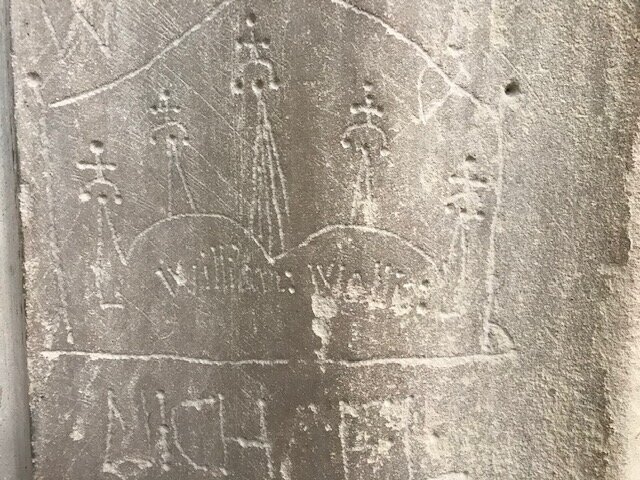
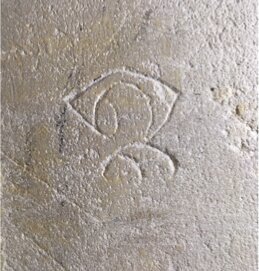
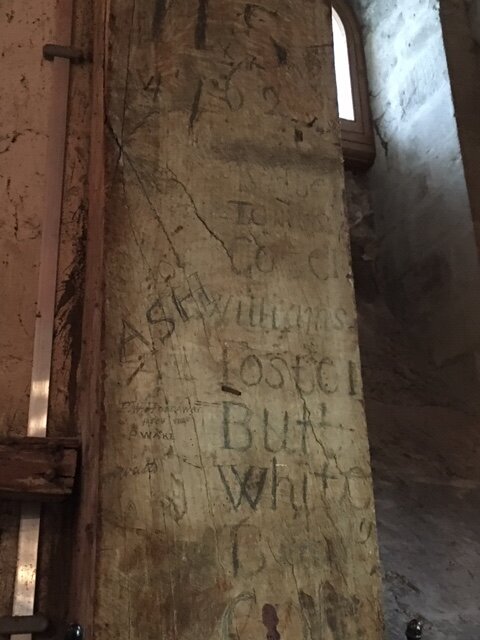
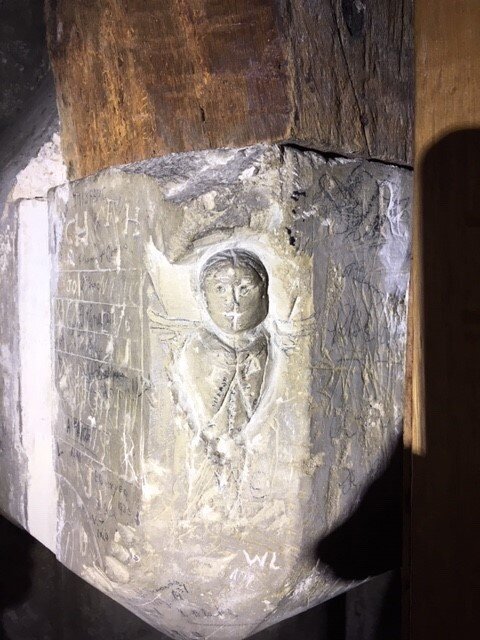
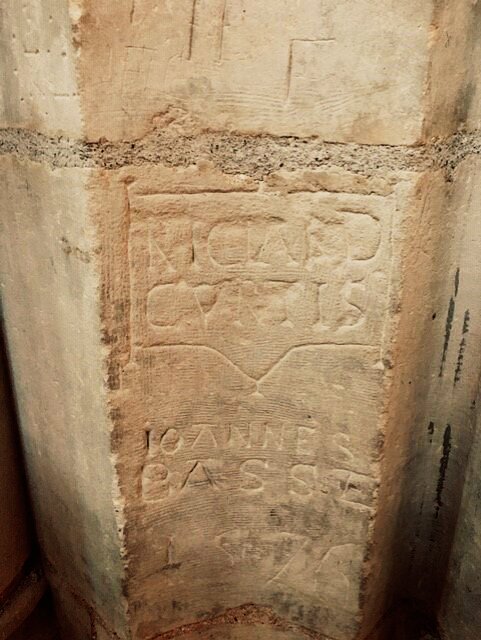
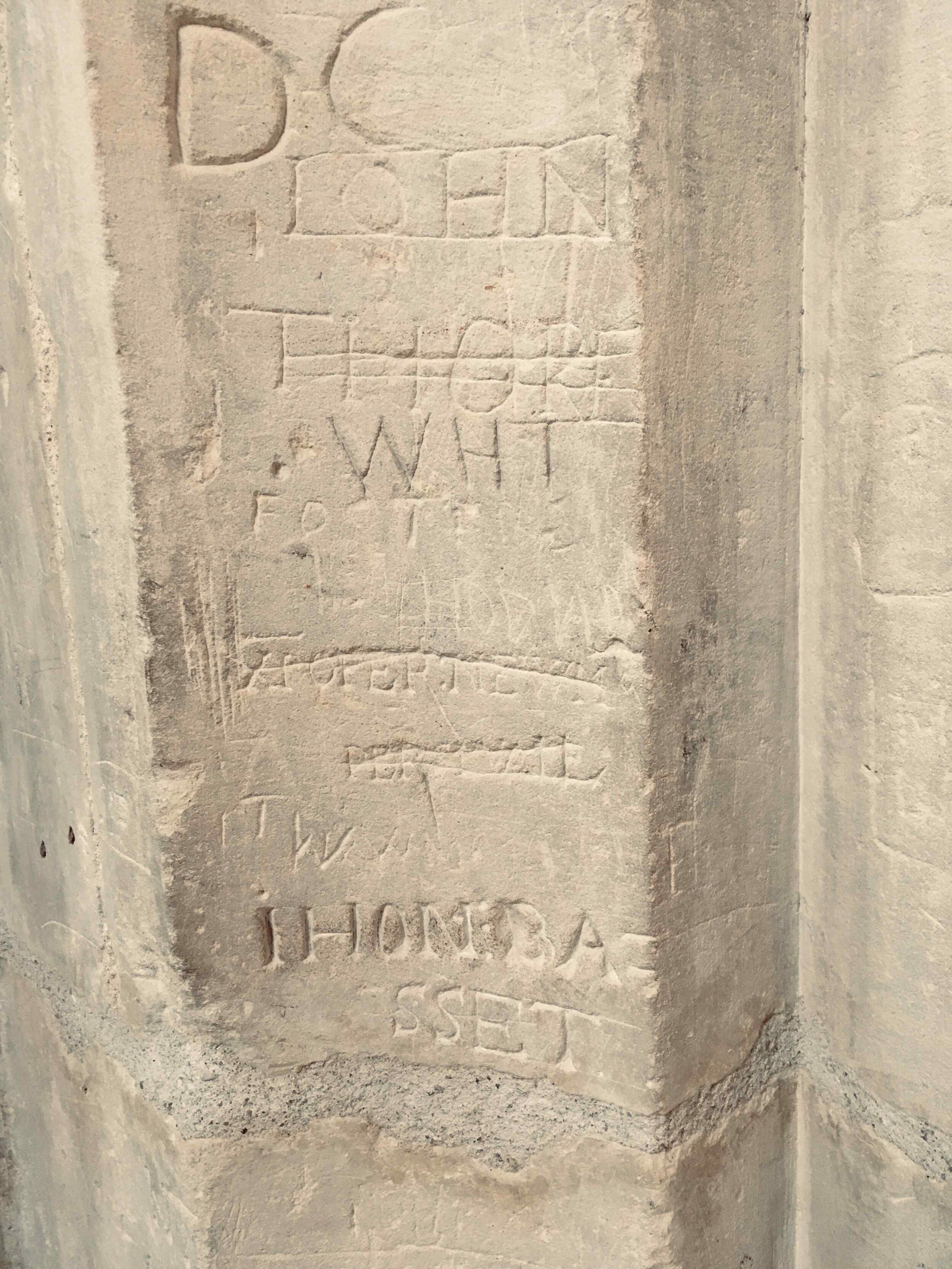
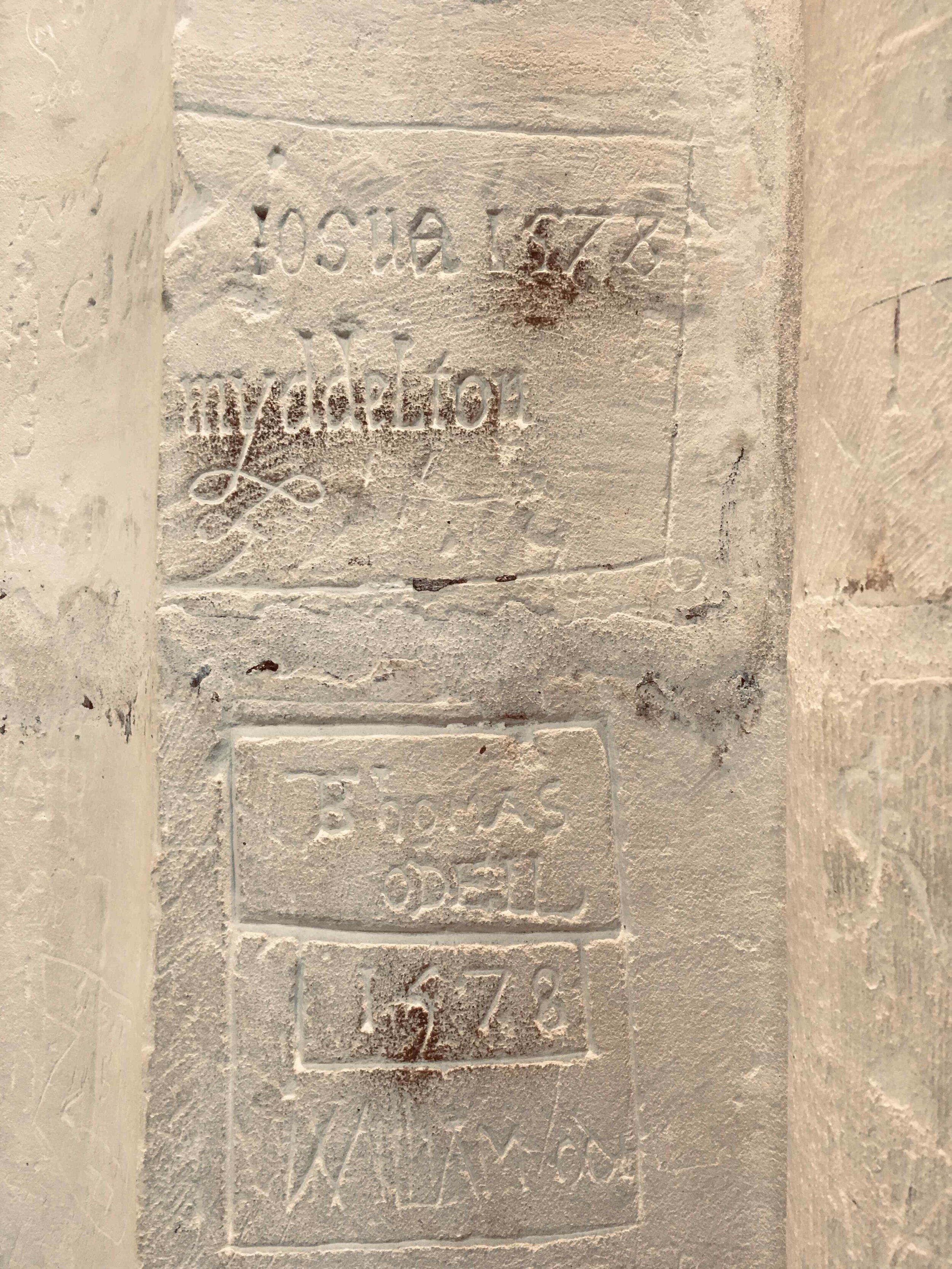
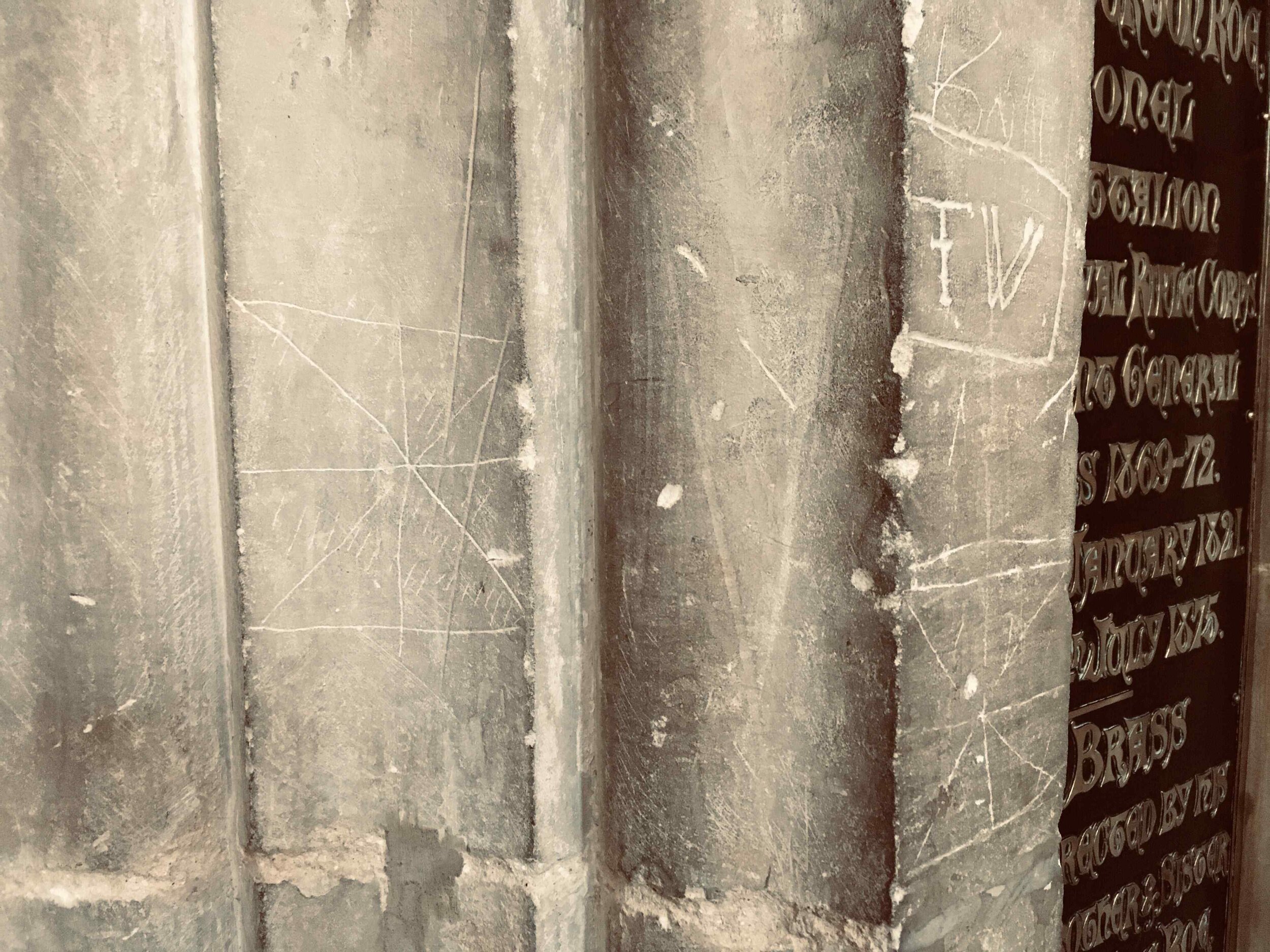
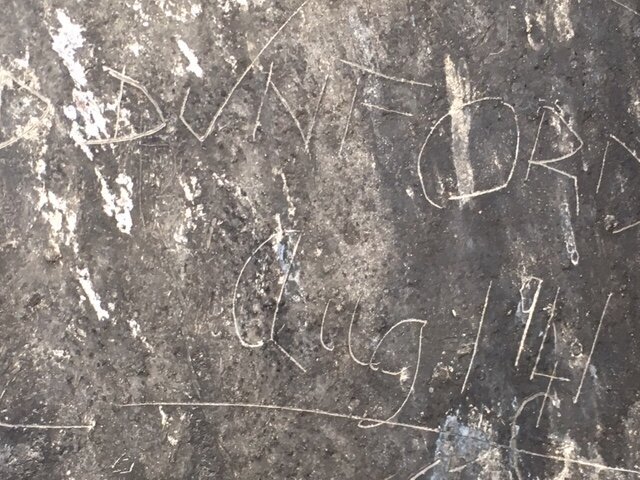
Throughout the Winchester Cathedral’s history, hundreds of people have made their mark on its walls. From the sophisticated to the lewd and rude, Dr Cindy Wood reveals the stories behind the carvings.
Throughout the Winchester Cathedral’s history, hundreds of people have made their mark on its walls. From the sophisticated to the lewd and rude, Dr Cindy Wood reveals the stories behind the carvings.
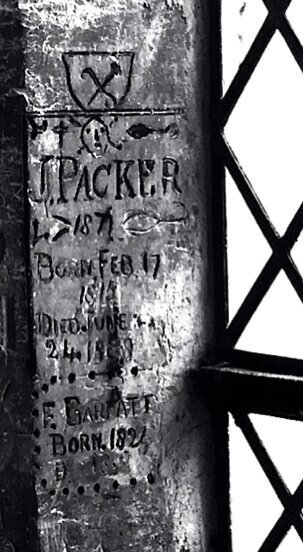
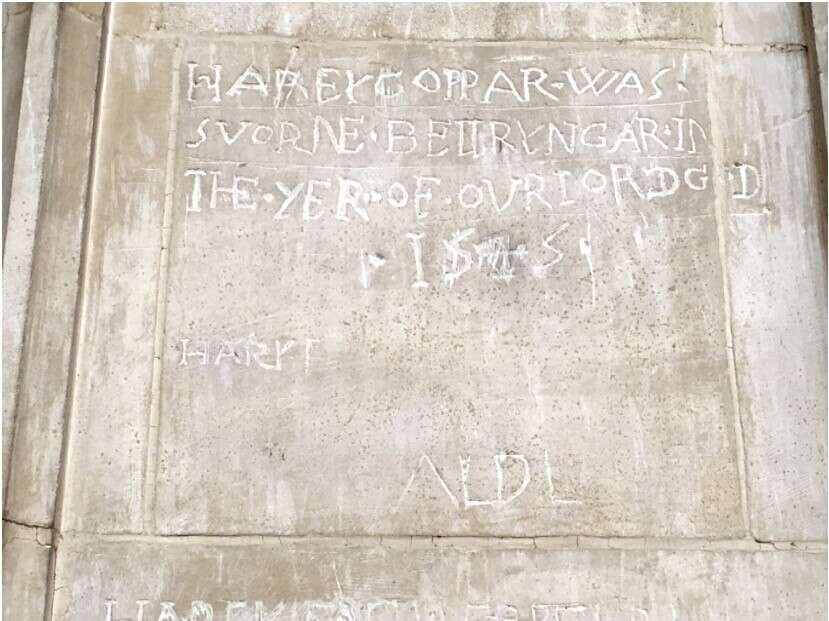
When most people see someone’s initials scratched into the wall of the cathedral, the carvings are dismissed as graffiti and vandalism. However, those letters tell a story about the Winchester Cathedral in centuries past and the people that walked under its vaulted ceilings. Is it history, vandalism, or both? Dr Cindy Wood explores the controversial topic.
Cindy is a Senior Lecturer at the University of Winchester and lead on the Graffiti project with Winchester Cathedral. She has always worked with material culture in churches, and other than graffiti, specialises in intercession for the soul in the later medieval period. Cindy teaches a variety of topics including medieval death, the Crusades, food and drink in the medieval and early modern periods, the medieval life cycle and other generic history modules.
Alongside this, she is also a Trustee of the Friends of Winchester Cathedral and Chair of the Friends of Clarendon Medieval Palace in Salisbury.
FURTHER INFORMATION & A CALL TO ACTION!
Earlier this year, Dr Cindy Wood held a lecture with the Churches Conservation Trust about the graffiti project at Winchester Cathedral. The recording of that lecture can be found here.
Do you have any photos of historical graffiti in the Winchester Cathedral or elsewhere in Hampshire? Share it with us on Instagram, Facebook, or Twitter!
Visit the Winchester Cathedral’s official website.