
In Plain Sight: The Treasures all Around Us!
Guest hosts, Catherine and Madelaine, discuss those heritage treasures that are apart of our everyday life but hidden in plain sight!
Join us for our final podcast of Season Two, a delightful conversation about the Twitter postbox challenge with this week’s guest hosts, Madelaine and Catherine.
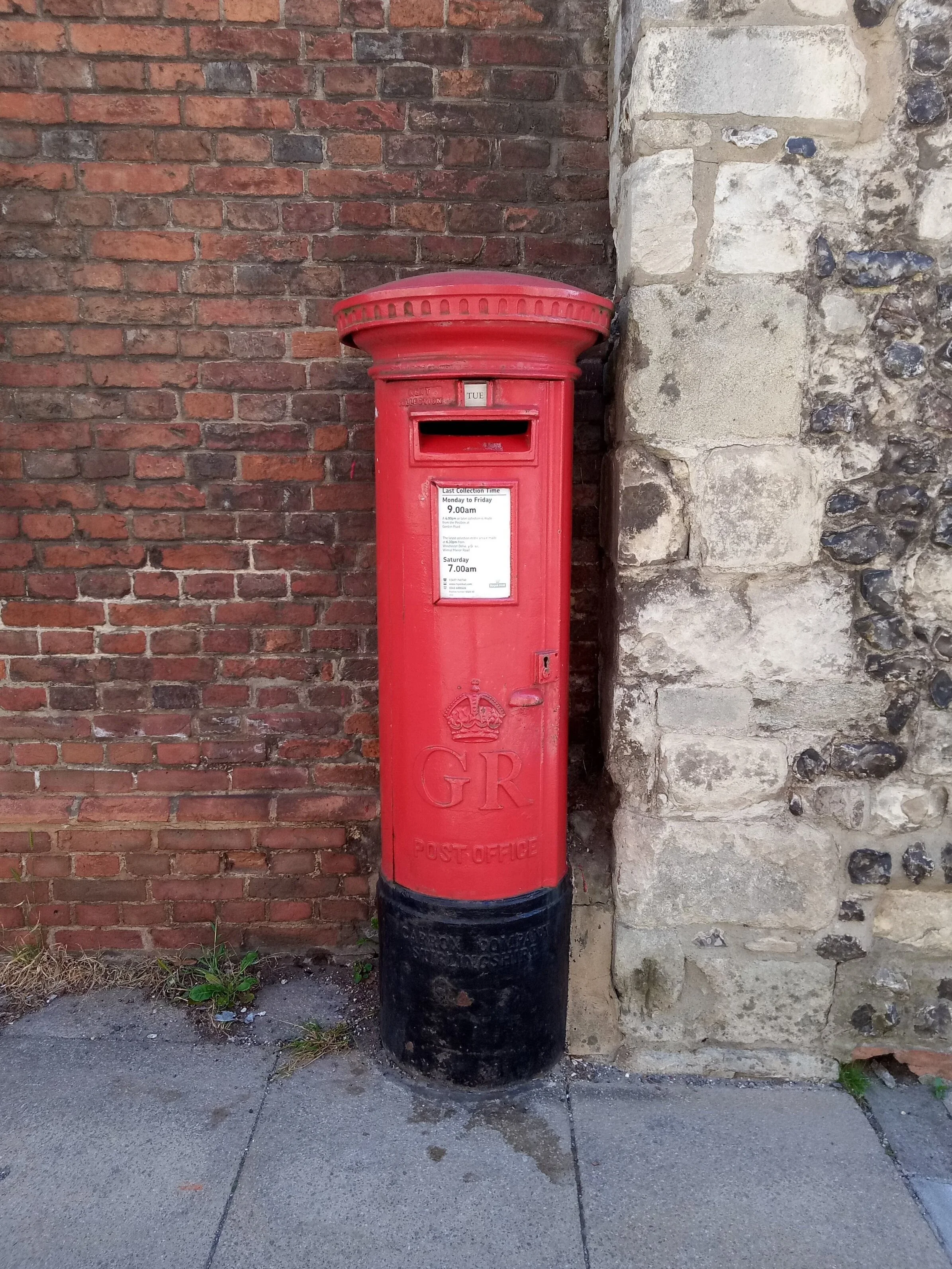
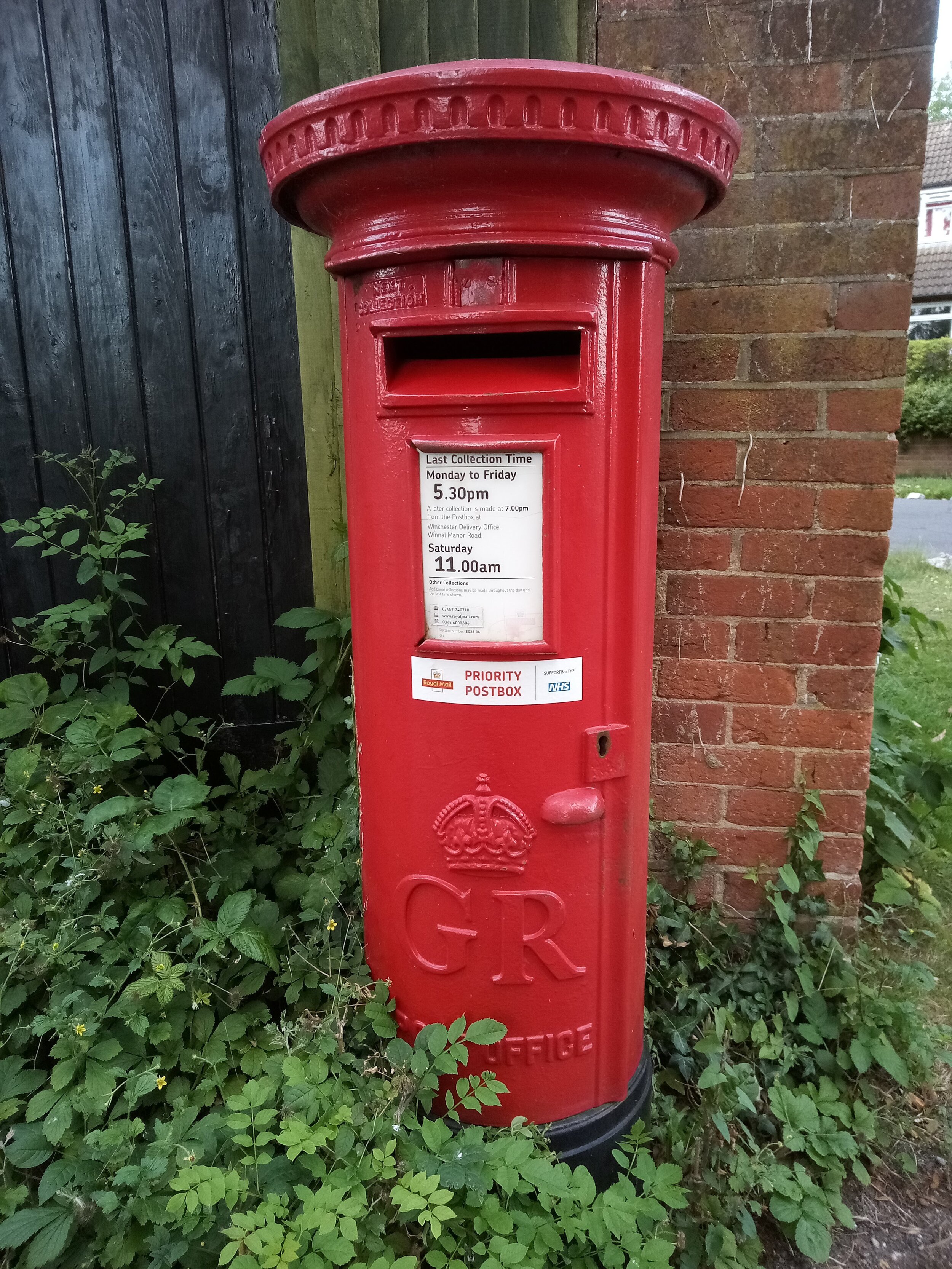
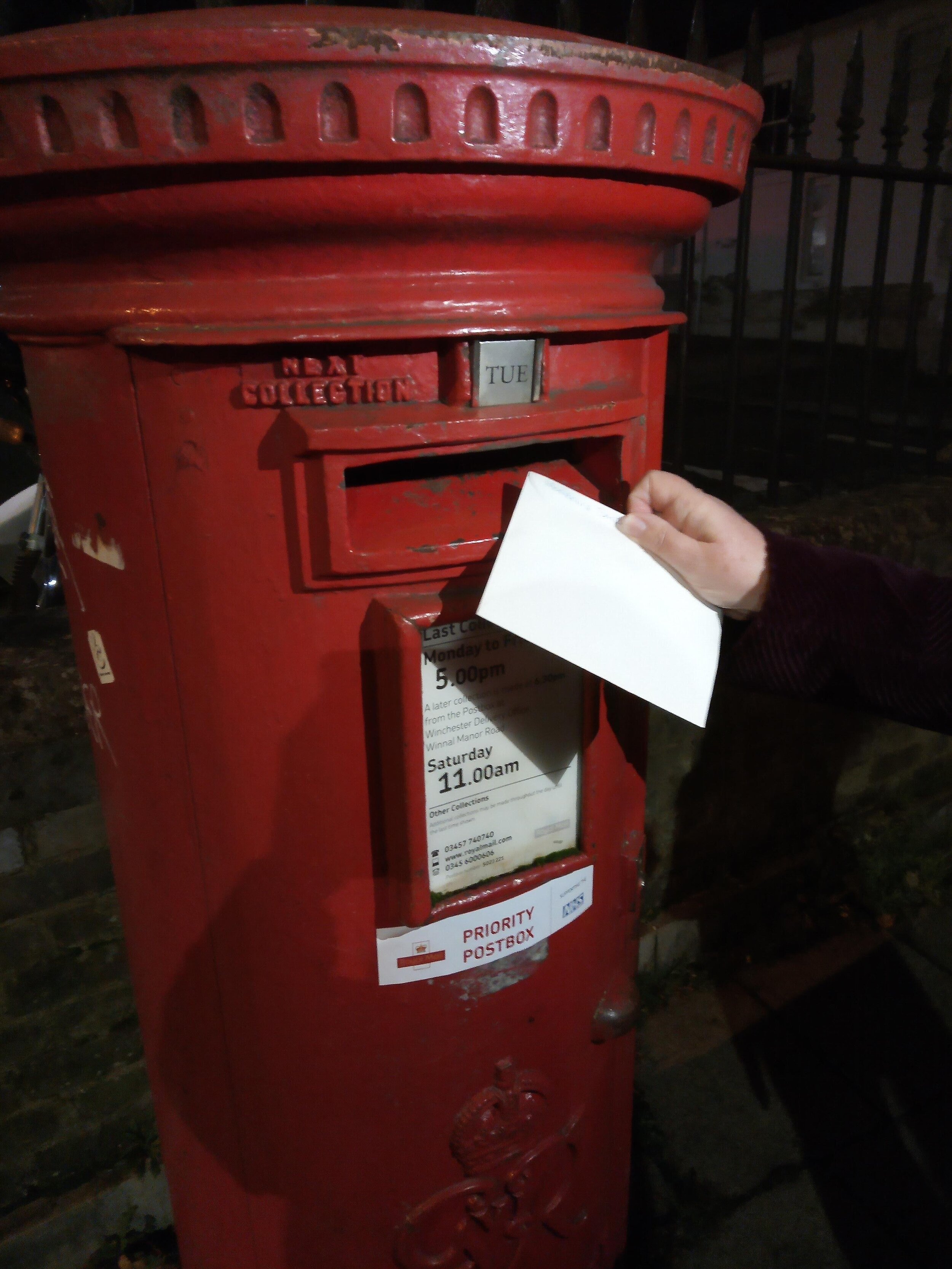
During previous and current lockdowns they have been able to get out and walk in their respective neighbourhoods, and on those walks have noticed everyday objects and details that might normally be missed. For example, Catherine spotted various door knockers and Madelaine started photographing boot scrapers outside front doors. By photographing these items, not only did it add interest to their daily walks but they were able to spot differences and fashions. A tweet by Winchester Heritage Open Days about the only Edward VIII postbox in Winchester set them off photographing post-boxes and posting them on Twitter with the hashtag #PostboxChallenge
In this lovely podcast they share some stories from their walks and the challenge.
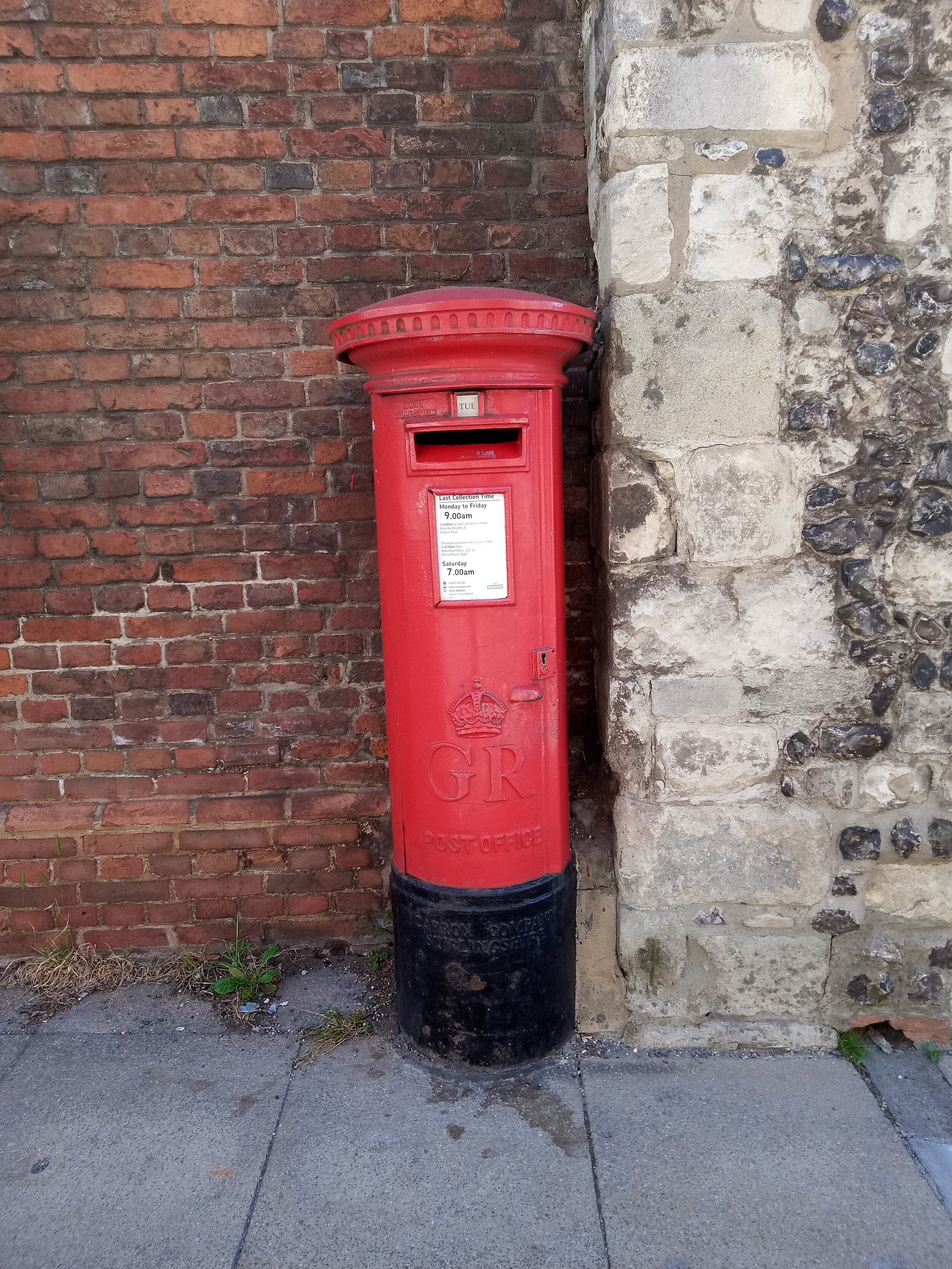
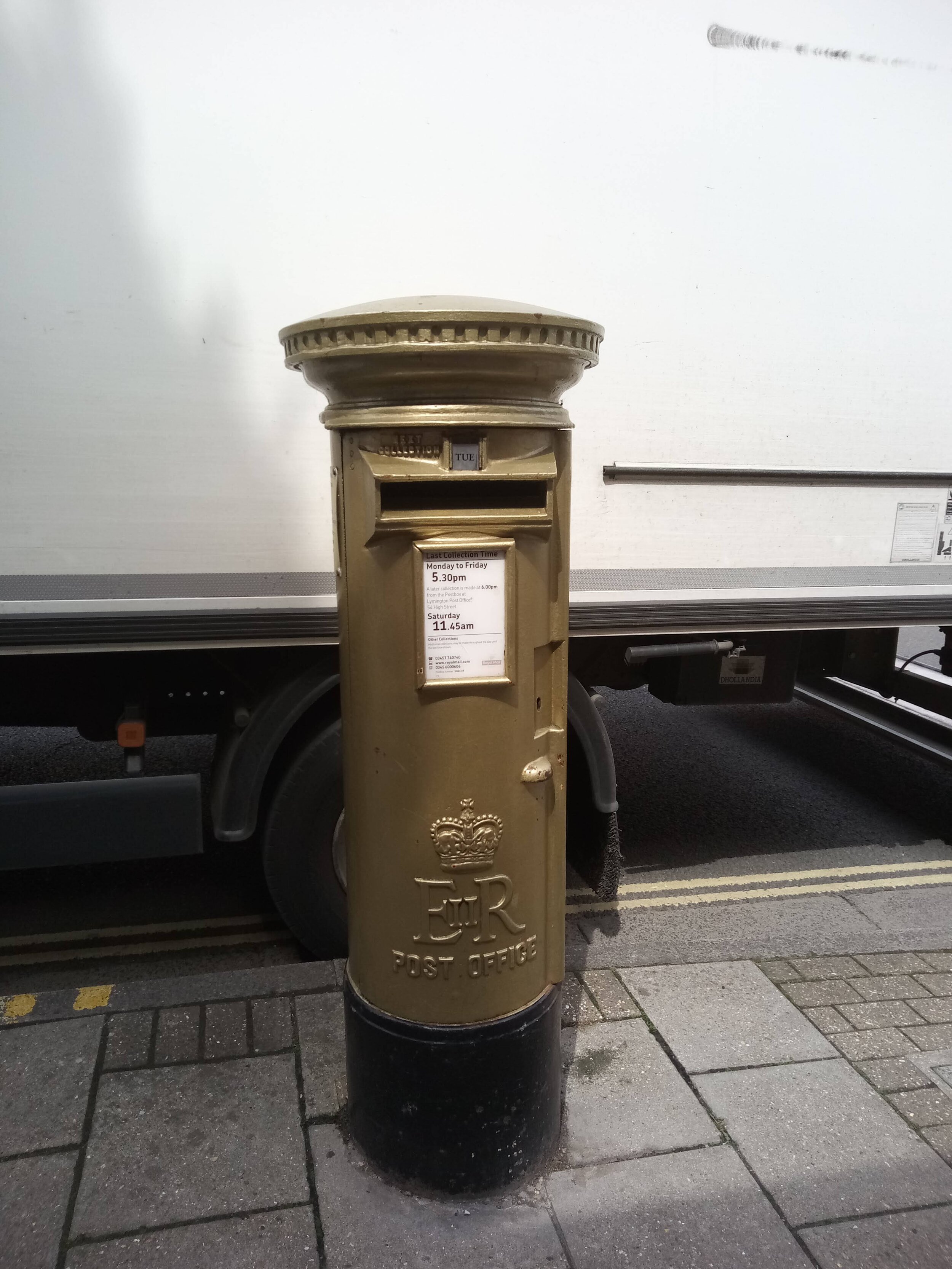
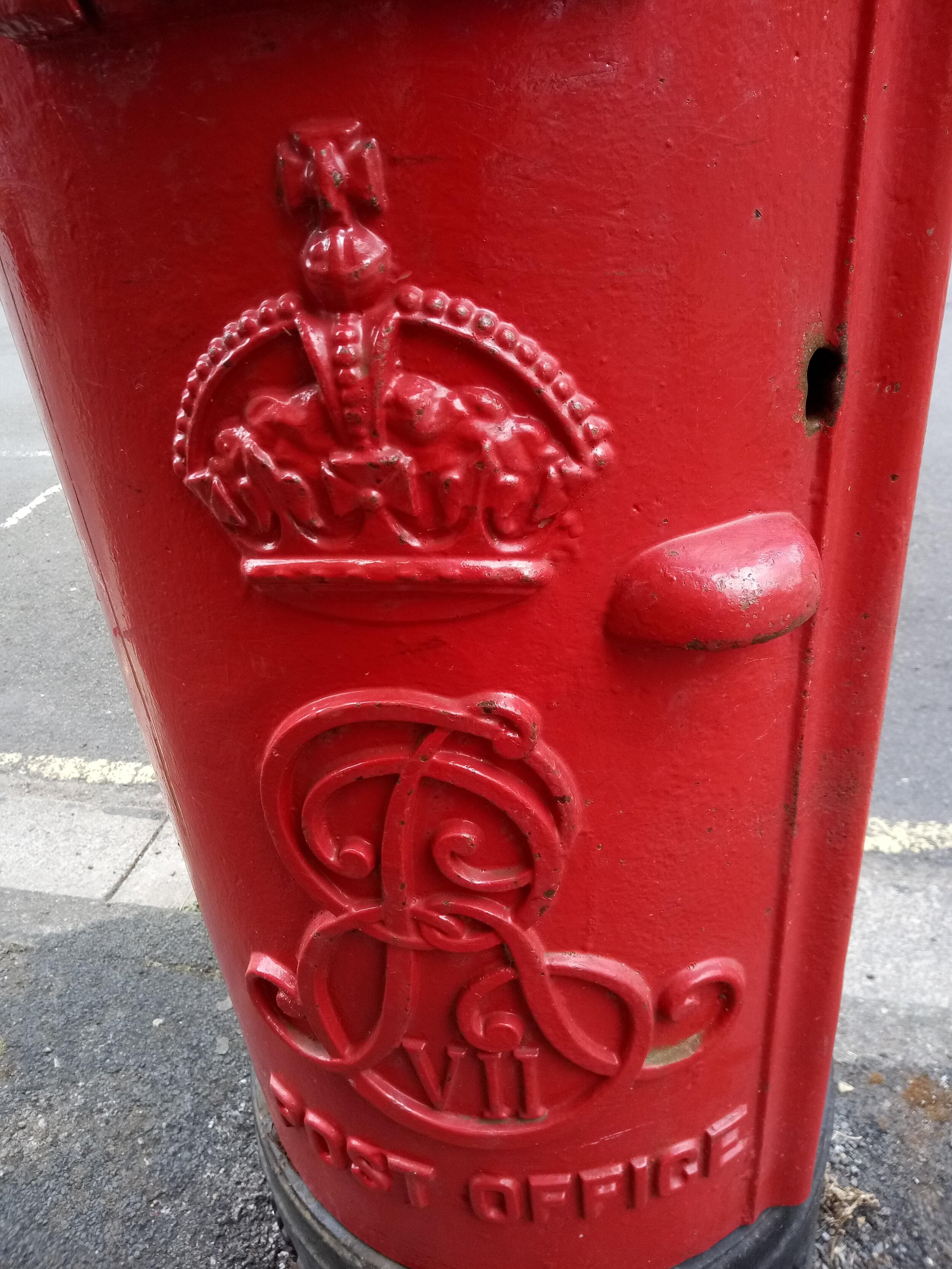
Further Information and Additional Links:
If you enjoyed this podcast, give this episode on the Handwritten Letters Appreciation Society a listen from Season 1!
You can find Madelaine and Catherine on Twitter.
The Postal Museum has more information if you want to learn more about the various letter boxes or how to spot a royal cypher.
And if you want to go exploring and join us on our #PostboxSaturday journey, you can enter your postcode into this interactive map to discover the postboxes in your area and go looking. Have fun (and stay safe)!
This is our final podcast of Season Two - we are now going to take a short break to prepare Season Three. We will be back on 3rd March, but until then you can listen again (and again) to all our podcasts from Season One and Two, as well as enjoy our films and recorded talks from last year’s Heritage Open Days festival. Find out more here.

Creating stories and treading the boards with 2TimeTheatre
Join Cecily and Rachel as they share their passion for dramatising the stories of Hampshire's ‘unheard, unsung and unvisited’
William Shakespeare, Jane Austen and Sir Walter Raleigh are among the host of characters with local connections whose Hampshire lives and adventures have been brought to life by Rachel and Cecily O’Neill. Here they discuss the joys and challenges of using words and music to stage the stories of these and a host of other fascinating characters in churches, halls and other venues around Winchester and Southampton.
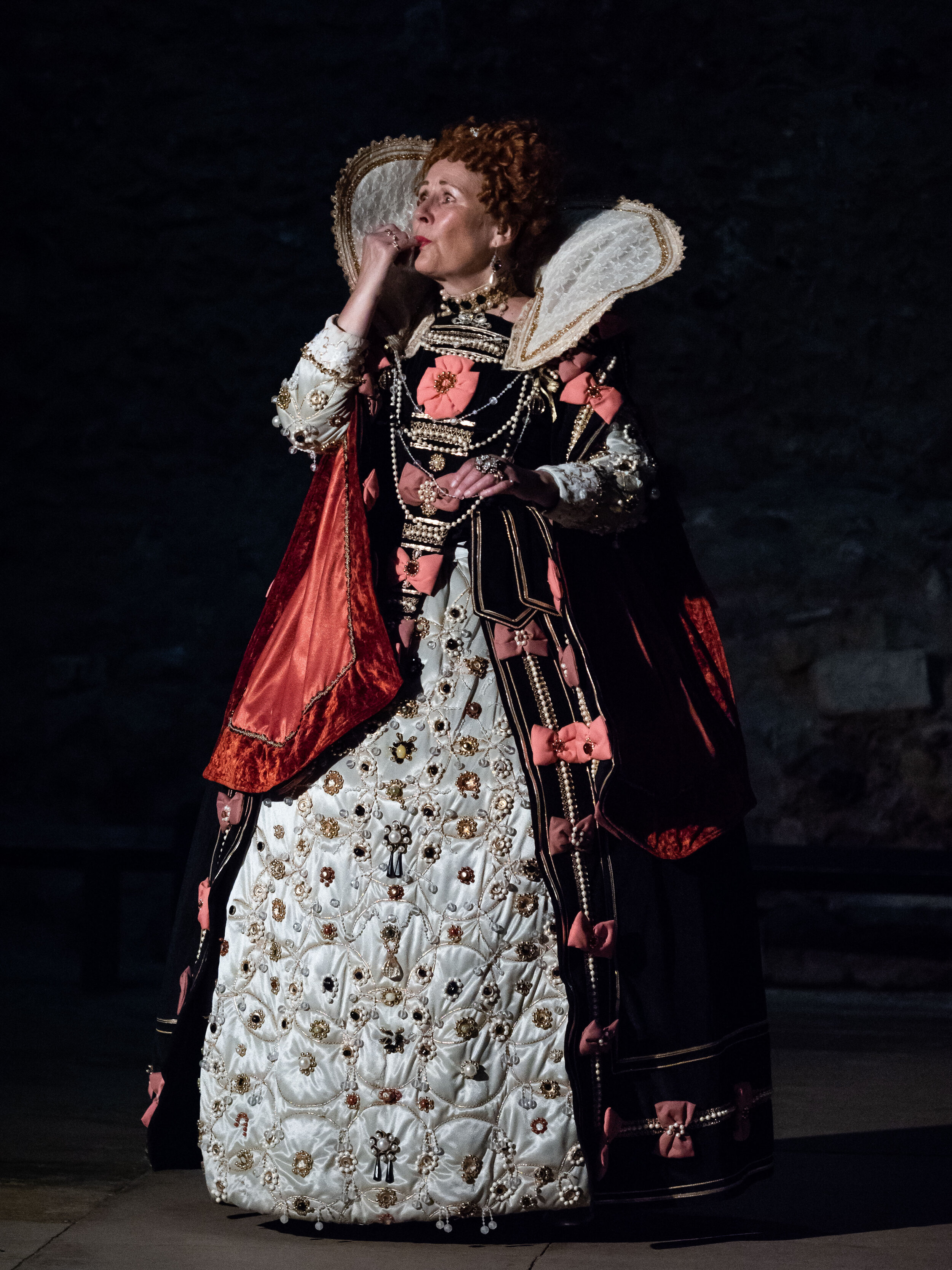
2TimeTheatre is a young and innovative Hampshire theatre company that works with local talent and tiny budgets to revitalise the work of long dead writers as well as producing brilliant original work telling the hidden stories of women. The photographs below are from their 2018 performance of the world premiere of ‘Sir Walter’s Women’



Cecily O’Neill
Cecily is the founder and director of 2TimeTheatre.
Adaptations for 2TimeTheatre include Meeting Miss Austen, Winchester Festeival 2017, and Venus and Adonis, Winchester Festival 2016. She had Jane Austen and The Waterman, co-written with Philip Glassborow, performed October 2017.
Cecily works extensively in theatre and is the author of a number of influential books on drama education, including Drama Words (1995). Children’s fiction includes Miss Macdonald had a Zoo (1991) and Tim and the Wolf (1986), both published and broadcast by the BBC. Her recent production, A Fruitful Season: Keats in Winchester, was staged in July 2019.

Rachel O’Neill
Rachel O'Neill is managing director of 2TimeTheatre. Since graduating in Drama, she has had an extensive career in marketing and communications across a range of industries from dance label Gee Street Records to online giant AOL.
Rachel has attended several play-writing courses including those run by Angie Street, Amy Rosenthal and Shaun McCarthy. Her work includes Playing with Clouds, co-written with Sian Radinger, and Sir Walter's Women, directed by Alice Kornitzer, which received its premiere at The Great Hall in Winchester, 14 & 15 September 2018. Her most recent play, Tilly and the Spitfires, was performed at the NST City Space as part of the Make It SO Season, 2019.
Want to discover more?
Watch 2TimeTheatre in production today by visiting their video gallery, they are also on twitter @2timetheatre
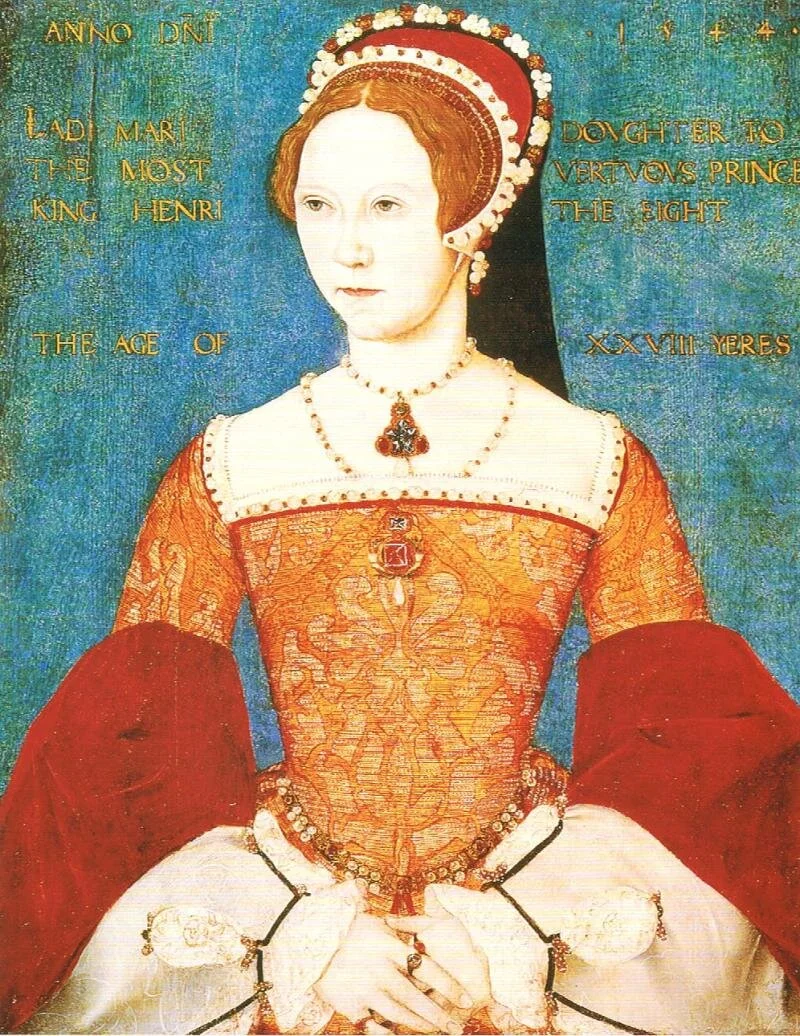
Continuing our quest to discover Mary I's connections to Winchester and beyond
Mary I made history when she became Queen of England, yet little of her life has been interpreted at Wolvesey Castle and Hampton Court Palace, where some of her life changing moments occurred.
Welcome to part two of Johanna Strong’s episodes exploring Mary I’s life. In this one we discover Mary I’s connections to two English landmarks - Wolvesey Castle in Winchester, and Hampton Court Palace in Surrey. Both sites observed major moments in her life, namely marriage and expected childbirth.
Content Warning - This episode contains a sensitive topic that some people may find uncomfortable. It concerns phantom pregnancies. If you wish to avoid this section, skip between 11:15 and 15:18.
In 1553, Mary I succeeded Edward VI to the throne and in doing so made English history by being the first crowned queen regnant of England – that is, she was queen in her own right. As a result, many important events in her life as queen were historical firsts for England. Never before had a queen regnant in England been married during her reign and never before had an English queen regnant taken to her chambers to give birth. Yet little of her life has been interpreted at either of the sites which saw some of these historical firsts.
In this episode Johanna digs a little deeper into why Mary isn’t included in the larger narrative of;

Wolvesey Castle - photograph taken by and copyright to Johanna Strong.
Wolvesey Castle, once one of the greatest medieval buildings in England and Winchester’s second castle. It is where Mary stayed before her wedding to Philip II of Spain and also where their wedding banquet was held. The ruins are now owned by English Heritage, and you can visit throughout the year. Find out more here.
Hampton Court Place, the home of Mary’s father Henry VIII. It is where Mary had her ‘lying-in’ in 1555. The place is now run by Historic Royal Palaces, find out more here.
Further information: To hear more about Johanna’s research, follow her Instagram @_johanna.strong_, her Twitter @jo_strong_, or email her where she’d be happy to answer any and all questions about her research!
For more on Mary and Philip’s wedding and marriage, look out for Johanna’s chapter “Happily Ever After?: Elizabethan Representations of Mary I and Philip II’s Marriage” in Valerie Schutte and Jessica S. Hower’s edited collection ‘Writing Mary I: History, Historiography, and Fiction’, due to be published in late 2021
Primary Sources for Podcast [please contact us for details of secondary sources]
Holinshed, Raphael et al. The Firste [Laste] Volume of the Chronicles of England, Scotlande, and Irelande Conteyning the Description and Chronicles of England, from the First Inhabiting Unto the Conquest : The Description and Chronicles of Scotland, from the First Original of the Scottes Nation Till the Yeare of our Lorde 1571 : The Description and Chronicles of Yrelande, Likewise from the First Originall of that Nation Untill the Yeare 1571 / Faithfully Gathered and Set Forth by Raphaell Holinshed. London: 1577.
http://english.nsms.ox.ac.uk/holinshed/texts.php?text1=1577_5331

Mary I in 1544, nine years before she took the throne. Painting downloaded from WikiMedia Commons, first painted by Master John
The chronicle of Queen Jane, and of two years of Queen Mary. Edited by J. G. Nichols. London, 1850.
Wolvesey Castle (Old Bishop’s Palace). English Heritage. https://www.english-heritage.org.uk/visit/places/wolvesey-castle-old-bishops-palace/
History of Wolvesey Castle (Old Bishop’s Palace). English Heritage. https://www.english-heritage.org.uk/visit/places/wolvesey-castle-old-bishops-palace/history/

Winchester and Westminster: How Did These Churches Forget Mary I?
The life of Mary I has deep connections with both Winchester Cathedral and Westminster Abbey. How was she forgotten by these churches? Johanna Strong uncovers the truth.
The life of Mary I has deep connections with both Winchester Cathedral and Westminster Abbey. How was she forgotten by these churches? Johanna Strong uncovers the truth.
This podcast looks at the ways in which Mary I, first crowned queen regnant of England, is remembered in Westminster Abbey – the site of her coronation and burial – and in Winchester Cathedral – the site of her marriage to Philip II of Spain. Mary’s presence is not physically easily evident in either church which is in itself a representation of her legacy in the historical narrative.
*Johanna was rounding up in the episode. It has actually been 462 years since her death.

For more on Mary and Philip’s wedding and marriage, look out for Johanna’s chapter “Happily Ever After?: Elizabethan Representations of Mary I and Philip II’s Marriage” in Valerie Schutte and Jessica S. Hower’s edited collection ‘Writing Mary I: History, Historiography, and Fiction’, due to be published in late 2021.
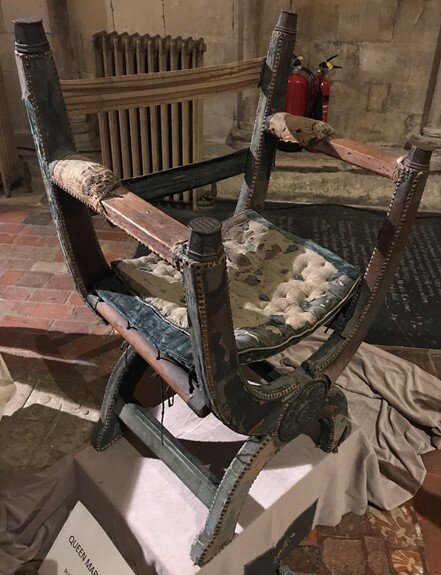

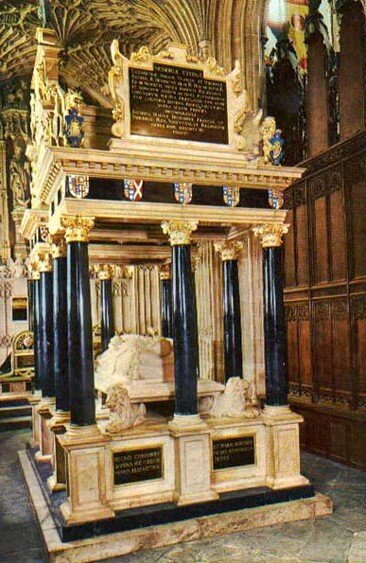
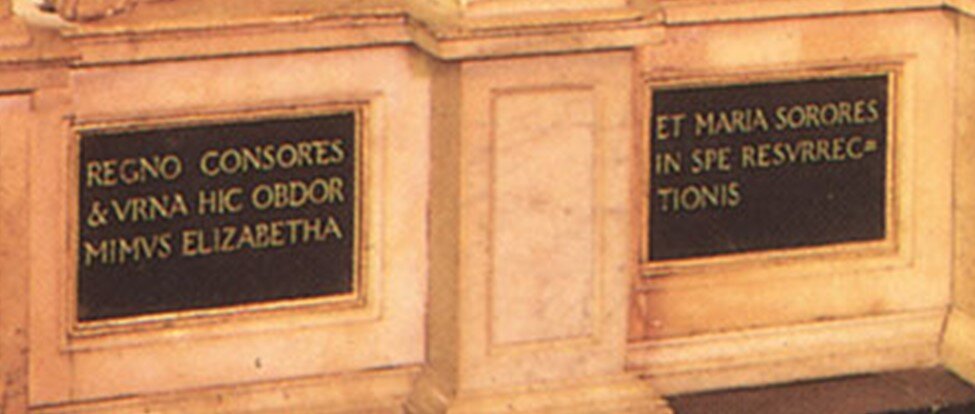
FURTHER RESOURCES AND A CALL TO ACTION!
To hear more about Johanna’s research, follow her Instagram or her Twitter where she’d be happy to answer any and all questions about her research!
The original recording of this podcast was produced for the 2020 Winchester Heritage Open Days by a small team of students at the University of Winchester. We would like to thank again the following individuals for their contributions: Johanna Strong, Charlotte Tindle and Abbie Cooley.

Warfare in Winchester: Empress Matilda’s Last Stand
As civil war rages across England, Empress Matilda and her forces lay siege to the key city of Winchester. Who will emerge victorious when her opponents strike back?
As civil war rages across England, Empress Matilda and her forces lay siege to the key city of Winchester. Who will emerge victorious when her opponents strike back?
After Empress Matilda fails to gain the support of London and is chased out by its inhabitants, she journeys to Winchester and makes her camp there. Join Catherine Capel as she explores the events leading up to this moment and analyses the Empress’ decision to make the city her base of operations.
In Winchester, arrows will fly, blades will clash, and blood will spill, but only one side will come out on top.

Catherine Capel is in her third year of a full time PhD at the University of Winchester, which she was awarded in 2018 as a full studentship. Her primary research interest focuses upon the participation and motivation of elite Anglo-Norman women in warfare, but she is also interested in notions of female power and reputation.
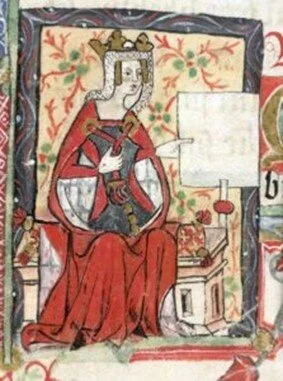
Empress Matilda from a 15th Century manuscript image

Queen Matilda from Agnes Stricklands ‘Lives of the Queens of England: From the Norman Conquest’
FURTHER RESOURCES AND A CALL TO ACTION!
Follow Catherine Capel on Twitter.
Learn more about Empress Matilda’s fight for the English throne here.
The original recording of this podcast was produced for the 2020 Winchester Heritage Open Days by a small team of students at the University of Winchester. We would like to thank again the following individuals for their contributions: Catherine Capel, Charlotte Tindle and Hannah Bell.

A Modern Take on Historical Drinks: 'for the bold and curious'!
Eoghan Proudfoot, founder of Proudfoot & Co, explores the traditional methods he uses to preserve British culture and create distinctive drinks.
One of our most popular events from the 2020 Winchester Open Days Festival was a live streamed event with Eoghan, founder of Proudfoot & Co. We were therefore delighted Eoghan met up with food historian and HistBites podcaster, Emma Cornell-Stoffer and discussed our incredible British culinary heritage.
In this wonderful podcast they explore the history of the British pantry, and take us into the fascinating and innovative world of foraging, fermenting and barrel-ageing.
Proudfoot & Co are based on St Thomas Street in Winchester, and all of their creations are non-alcoholic for a more inclusive and unique drinking experience. Find out more here at www.proudfootco.uk
“We preserve the past to innovate for the future. Whether foraging, fermenting, or barrel-aging, we combine rare ingredients with lost techniques to create one-of-a-kind drinks #fortheboldandcurious.”


Eoghan Proudfoot is the founder of Proudfoot & Co., a British drinks innovator in the heart of historic Winchester.
Whether foraging, fermenting, or barrel-aging, Eoghan is constantly on a mission to resurrect lost British ingredients and techniques. He reinvents them for the 21st century, creating one-of-a-kind non-alcoholic drinks #fortheboldandcurious.
Eoghan also fights against the degradation of Britain's national cuisine. He scours the country to stock rare and endangered products, many sourced directly from Slow Food™ and Heritage Crafts Association™ artisans.'
Emma Cornell-Stoffer is a social historian and broadcaster based in Hampshire. Emma appears regularly on British television and radio and her numerous broadcast credits include: BBC, ITV, Channel 4, Discovery UK and That’s Solent TV. Emma also organizes heritage events including immersive food history experiences ranging from pop-up suffragette tea-rooms to wartime street parties.

Handwritten Letters: Surviving the Digital Age
Do you remember the excitement you felt last time you received a handwritten letter, or what about that moment you came across a letter from your family's past?
We’ve been handwriting letters for thousands of years, but in recent times it has become a lost art as many of us use emails and text messages instead. A loss for us and possibly also for future historians, as not only have letters often revealed intimate thoughts and details of life in the past, but they enable us to touch a piece of history. Emails are unlikely to do that, and text messages certainly won’t! So why not join Ellie as she talks to Dinah Johnson, founder of The Handwritten Letter Appreciation Society, and discover why sending and receiving letters is a special and unique way to connect with each other and our past.

Dinah Johnson
The Handwritten Letter Appreciation Society, founded by Dinah Johnson, aims to inspire and encourage people to write letters to each other, to put the fun and meaning back into sending proper handwritten correspondence, and to celebrate all things letter and postal related. It currently has 400 members from 25 countries, on all seven continents. As Dinah explains
"People are missing out on something so special by not having a letter or two in their lives so before it's too late I'm encouraging a handwritten letter revival together with a quiet revolution in the art of intimacy - by that I mean the one to one connection we don't have so much of anymore. I should say we aren't a penpal club but rather about promoting letter writing between friends and family, and whomever people feel like writing to."
Further Information and a Call to Action
The Handwritten Letter Appreciation Society celebrated its 3rd birthday on 26th October 2020. If you would like to hear more about the Society Dinah has been giving talks via Zoom about the idea behind it and the letter writing adventures they've had along the way. Get in touch to find out more or visit their website.
Discover five centuries of postal history from The Postal Museum in London
You might even be inspired to send a letter or two, so go on, why not have a go? And as the Society says: you never know, the person you write to might write back!