

Hampshire Ramblers’ Fight to Preserve our Paths
The UK’s historic walking trails have been used for millennia. Roman sandals have walked the same paths as modern trainers. But these routes are in danger of disappearing forever. Join Peter and Paul from the Hampshire Ramblers to learn how they’re being saved!
Don't Lose Your Way UPDATE
Good news! On 16th February 2022, the UK government announced that the 2026 deadline of registering historic paths is to be abolished in England - this means there is no immediate pressure to register these Rights of Ways. This will ease the pressure on the volunteers working on the project and will help ensure that most paths are recorded and protected for future generations.
Read more about what this means for the project on the Hampshire Ramblers website.
The UK’s historic walking trails have been used for millennia. Roman sandals have walked the same paths as modern trainers. But these routes are in danger of disappearing forever. Join Peter Cresswell and Paul Howlands from the Hampshire Ramblers to learn how they’re being saved!
2026 represents the deadline for retracing and reclaiming lost paths, and old rights of way, that have since dropped off the (latest) map in England and Wales. In this episode, we hear from two volunteers leading the effort to uncover what has been lost, and restore the rights of way to the map before time runs out. The project, ‘Don’t Lose Your Way’, aims to bring a nationwide community of volunteers together to review old maps of England and Wales, spot historic rights of way that no longer appear on the most modern plans, and support applications to have these ‘lost paths’ restored and preserved for posterity.
With a 2026 Deadline (instituted by the 2000 Countryside Rights of Way Act), the clock is ticking for this crucial work. But as we hear, there’s more to this than rushing to reclaim every path: prioritising which paths we look at matters - as does taking account of changes that have occurred over time - where development has blocked a way, for example, diversion is an important option today. Listen-in for a great guide as to where to start finding paths, what to consider when scanning the map and then, if you’re keen, how you too can lend a hand!
Alongside hearing about the project and its processes, we take a look back at how walking has helped us connect with our past throughout history and how our rights of way have been recorded in different types of sources over time. Sources like Tithe Maps are things of beauty in themselves and we hear first-hand how leafing through these documents allows us quite literally walk through time, witnessing the growth of towns, seeing local industry come and go and tracing changes in landscape, society and government in each evolution.

Discover more
Peter Cresswell (pictured) is Hampshire born and bred, having grown up in Bishopstoke and only having moved as far as Fareham. He is the Area Publicity Officer for the Hampshire Ramblers, which oversees all the county’s individual Ramblers groups, including the age-targeted groups like the Hampshire 20/30s Walking group, of which Peter is currently the youngest Area Committee position-holder.
Peter is passionate about dispelling the myth that the Ramblers is just for the retired, and is keen to get more younger people into walking, appreciating the natural world around us and enjoying both the physical and mental health benefits walking can bring. He has a long-held passion for the outdoors, the environment, history and literature as well as being in, and experiencing it… Whether that be a quiet walk along a wildlife-filled canal in Titchfield, walking in the footsteps of Charles II along the Monarchs way or seeing and experiencing the same things that - who knows? - may have influenced Jane Austen.
Paul Howland is a volunteer contributor to the ‘Don’t Lose Your Way’ project. He grew up in the Chilterns (Buckinghamshire) and has always been a keen walker. He moved to Andover in Hampshire in 1986 and has worn out many hiking boots walking the ancient paths that criss-cross this history-laden county. Paul joined the Ramblers around 1995 and was the Andover Ramblers Group footpath secretary between 2000 and 2005, before he started working on the Ramblers Don’t Lose Your Way project in November 2016. He has so far investigated 515 routes and made Definitive Map Modification Order Applications for 186 of them. His favourite walking places are the Himalayas where he met his wife, the Alps where his in-laws live, the White Mountains in Crete and much of this green and pleasant England he calls home.
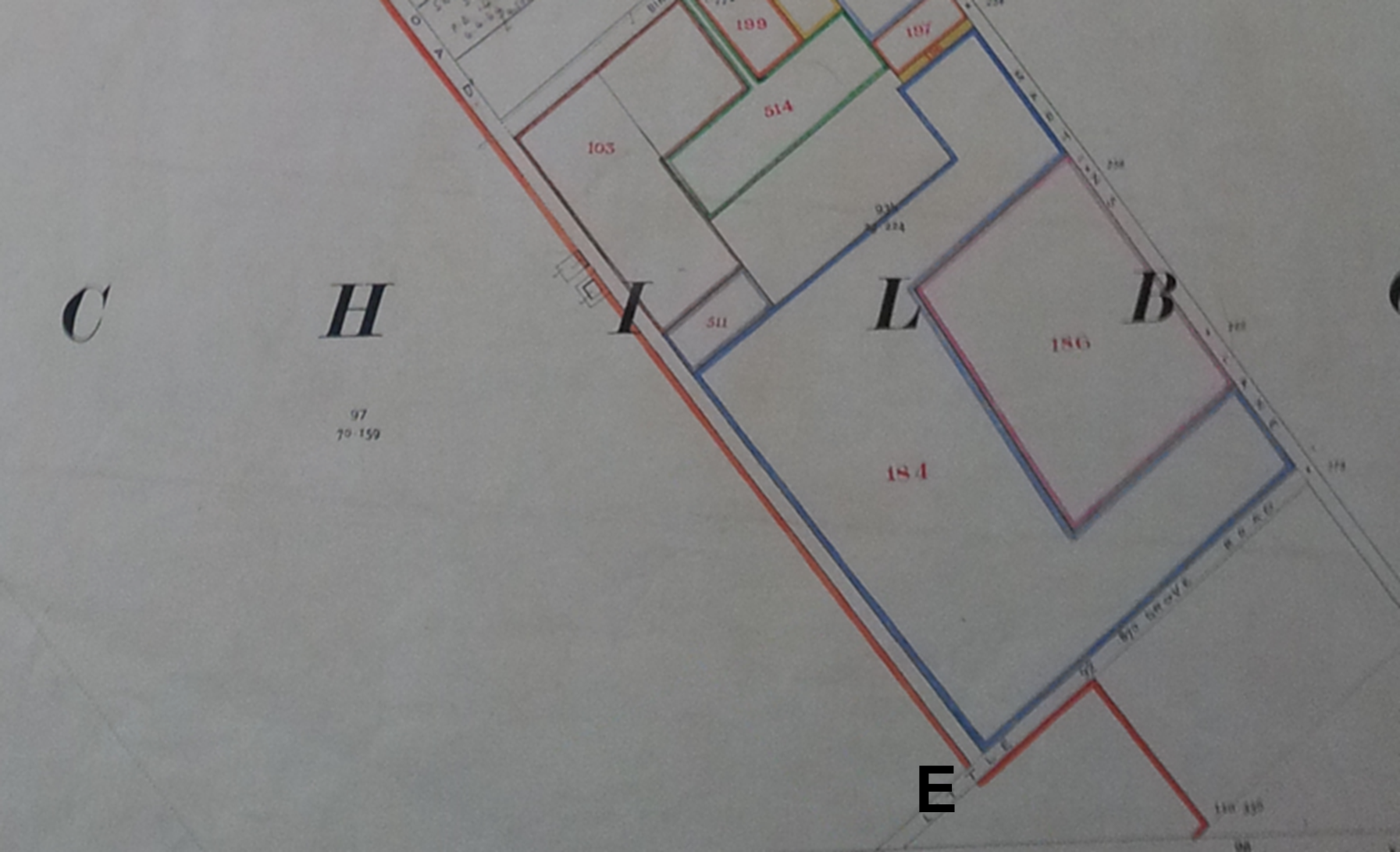
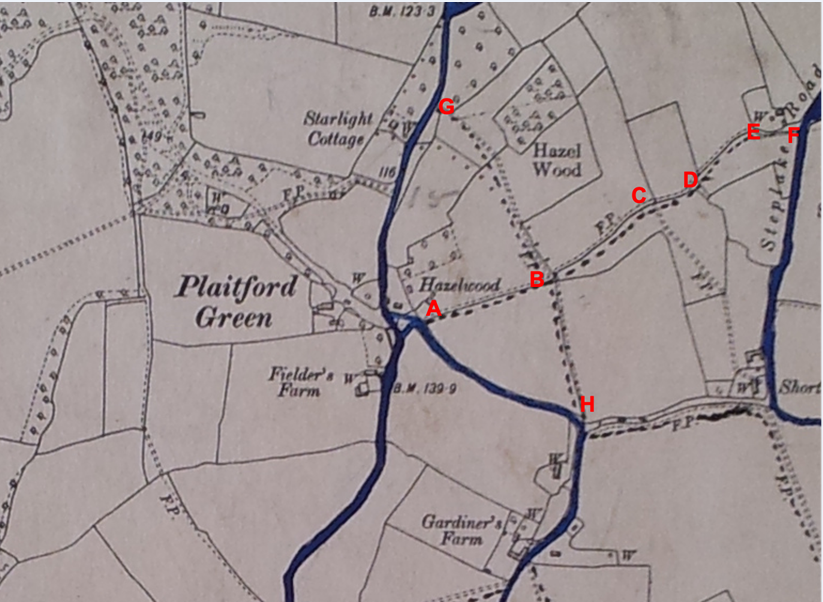
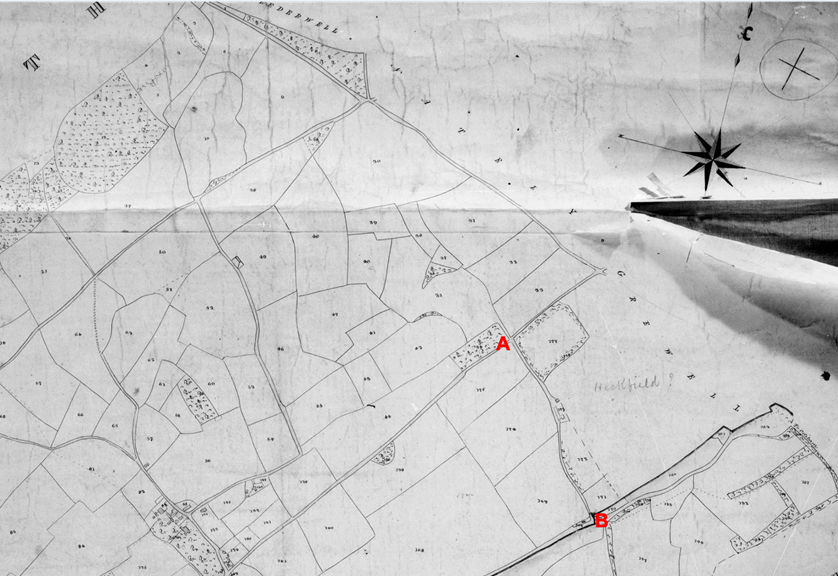
“Protecting these lost ways is important because if we lose them, we lose a connection to the past”
Further Resources and Links
Some advice from Paul Howland:
“The key to a successful application for a lost public right of way (PROW) is to show on the balance of probability the accumulated evidence confirms the likelihood of a particular route being a PROW.
When researching a route, its history unfolds, often providing tantalising glimpses into the lives of the people who used or owned them over the previous centuries. Their struggles, their work and their way of life. These fragments of the landscape also reflect the national and international challenges facing the political classes. How to raise more tax (Finance Act), how to cope with poor roads (Turnpike Act), how to respond to the motor car and tarmacadam and how to improve agricultural efficiency (Enclosure acts).
Having researched over one hundred lost ways, never again will I walk through the Hampshire landscape without pausing occasionally to think of the people who trod these routes or travelled them in their carriages. They, after all, made us what we are today.”
Why not explore the Ramblers ‘Don’t Lose Your Way’ project website, where you can sign up and also access maps to help you identify lost paths.
More old maps can be accessed at https://www.oldhampshiremapped.org.uk and https://maps.nls.uk
You can also visit the Hampshire Ramblers home website or have a look at their Hampshire 20s and 30s Walking Group.
If you’re on Facebook, just search for ‘Hampshire Ramblers’ or “Hampshire 20&30sWalking Group” for more information.
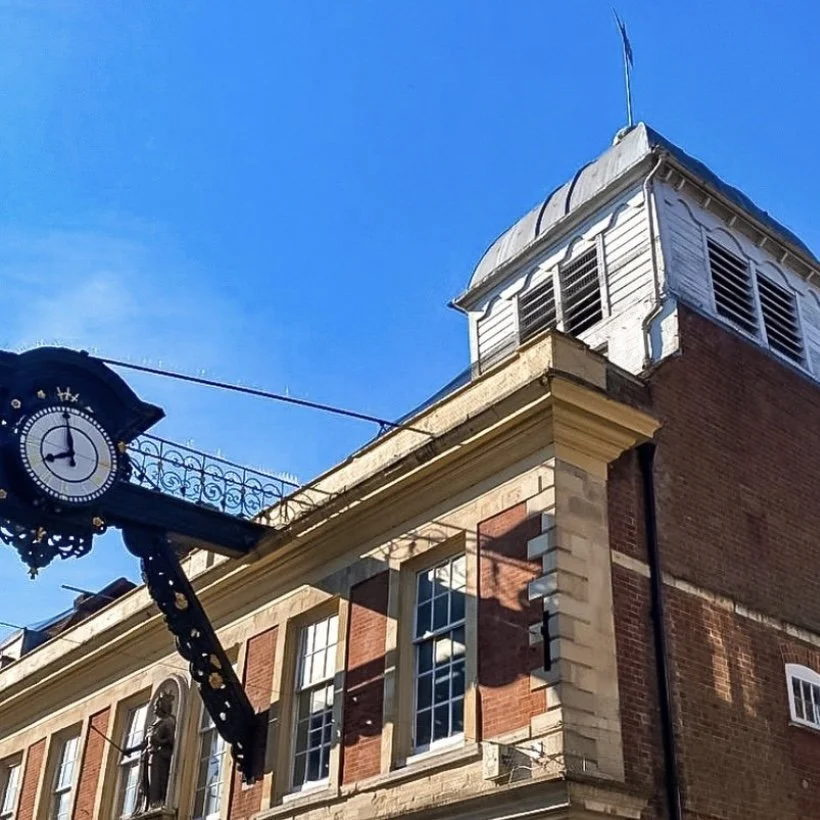
A Story Around Every Streetcorner: Explore Winchester's Vibrant History
Winchester is a city immersed with history, no matter where you look there is a past to discover and thanks to Instagrammer Miss Winchester we can discover its fascinating hidden history together
Winchester is a city immersed with history, no matter where you look there is a past to discover.
Instagrammer Miss Winchester has made it her duty to reveal fascinating hidden history behind objects and places throughout the old city.
Winchester is an old city filled with a rich and exciting history, echoes of the past can be seen all around as you walk through its streets - if you only know where to look. Join Instagram blogger Miss_WinchesterUK as she highlights some of the unusual facts throughout the city: discover where you can walk in the footsteps of royals; what curious rhyme you can find on a gravestone at the Cathedral and where you can hear the whispers of a ghost.
“Let’s Explore Winchester Together”

Miss_WinchesterUK is a Winchester based blogger on Instagram. Enthralled by her home city, she writes about everything happening in Winchester including food and drink, fitness, activities, shops, the past and most importantly the people. She uses the tagline 'Let's Explore Winchester Together’ as she enjoys sharing the love of her city with her followers.
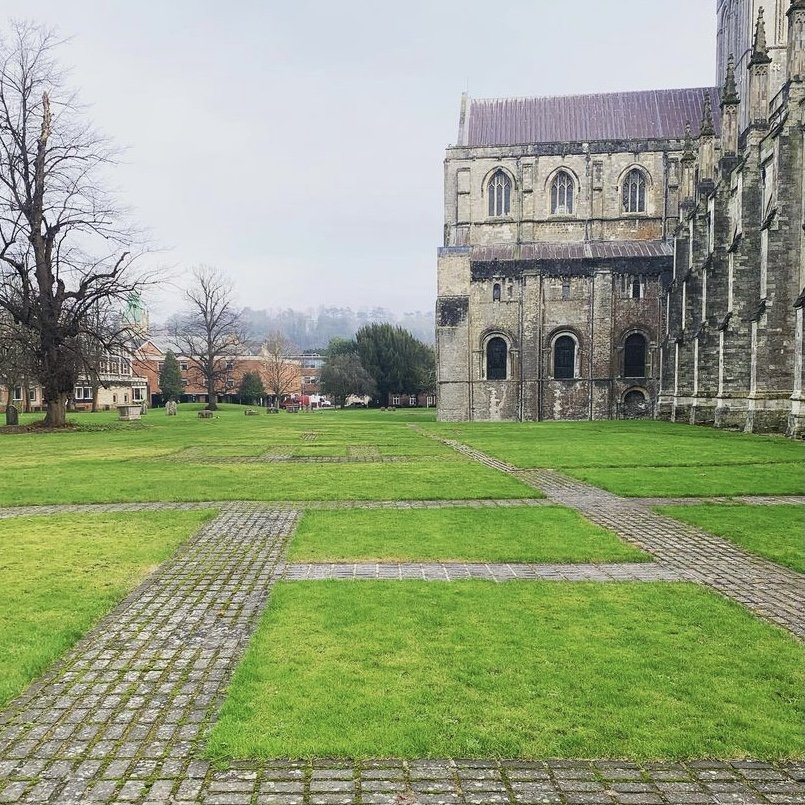
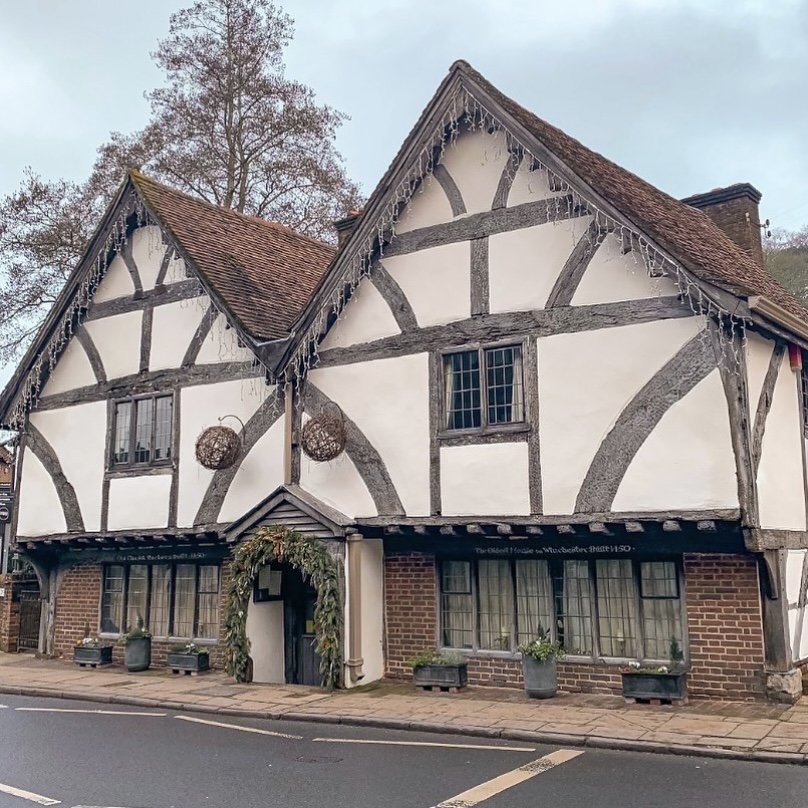
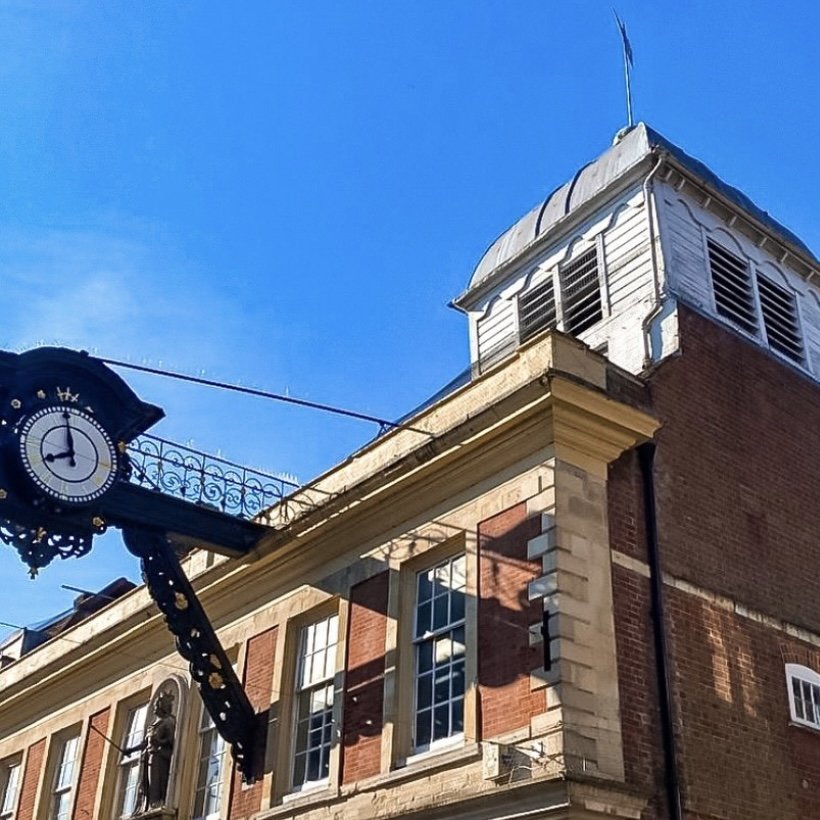
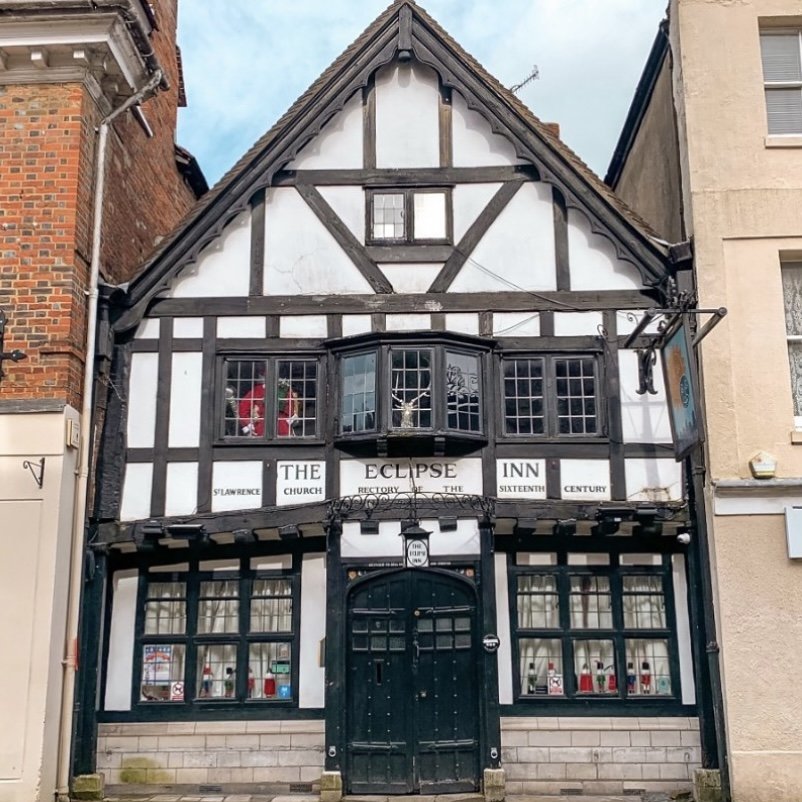
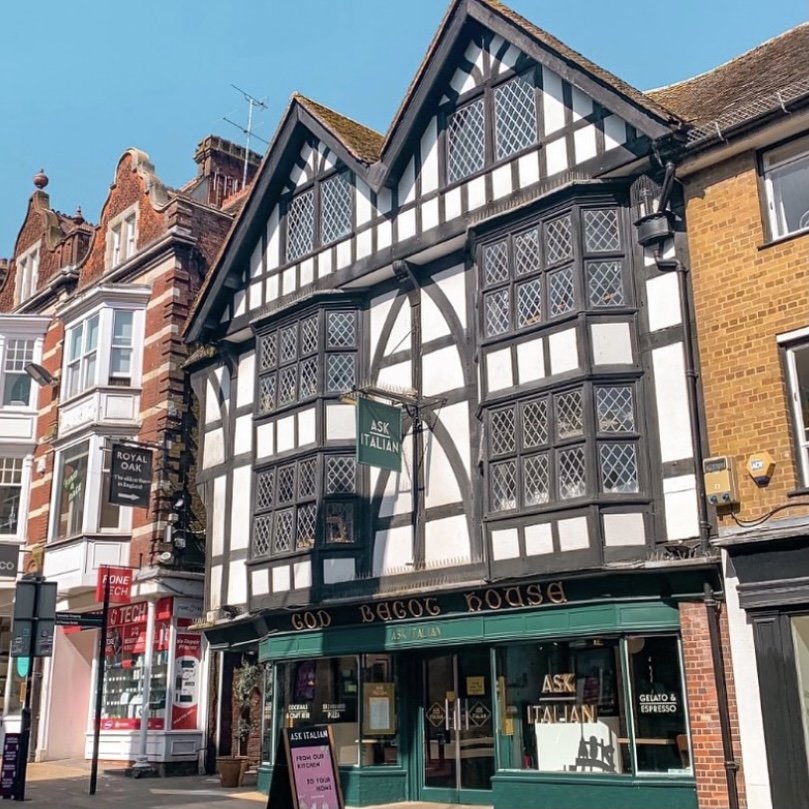
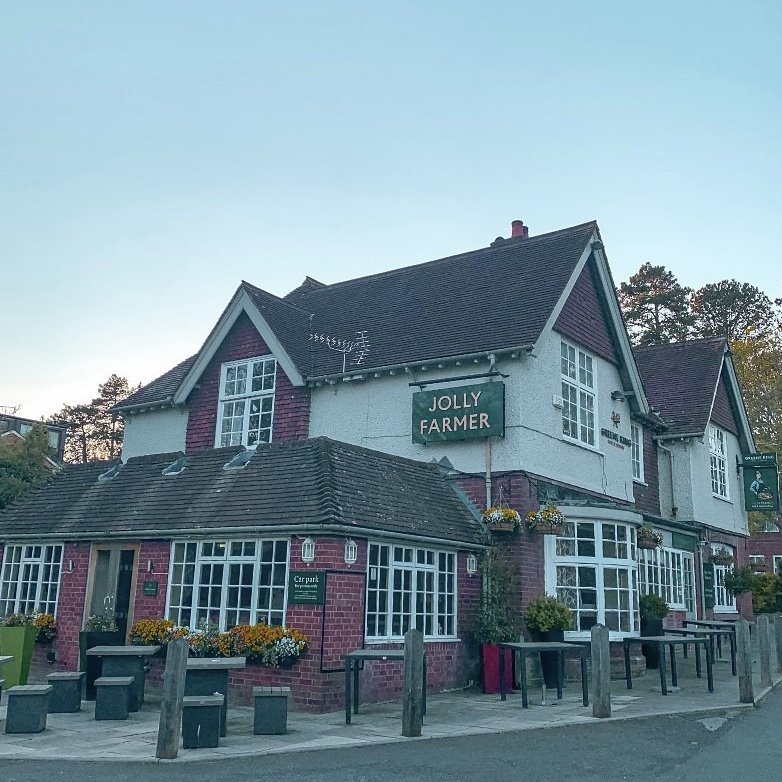
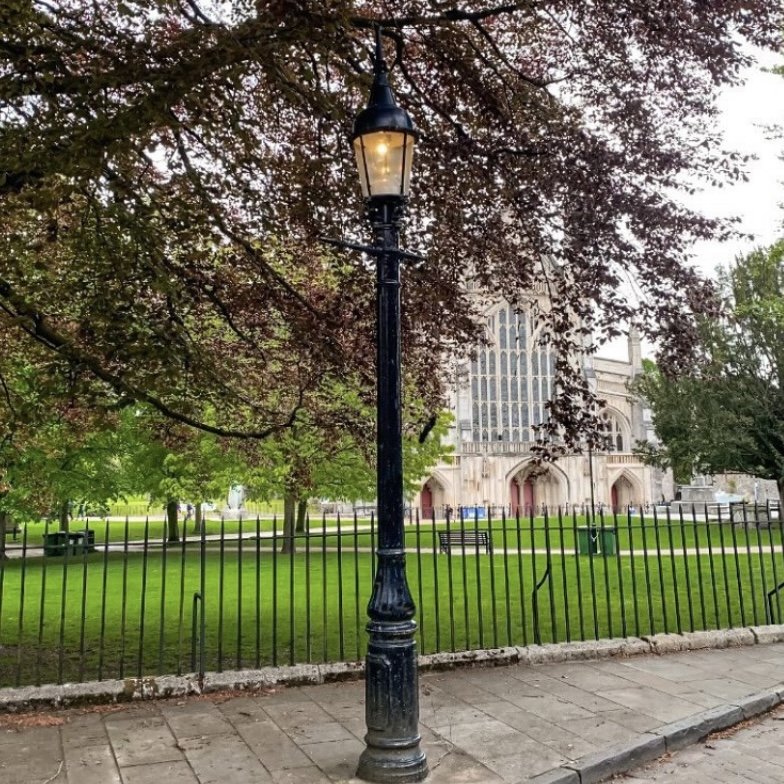
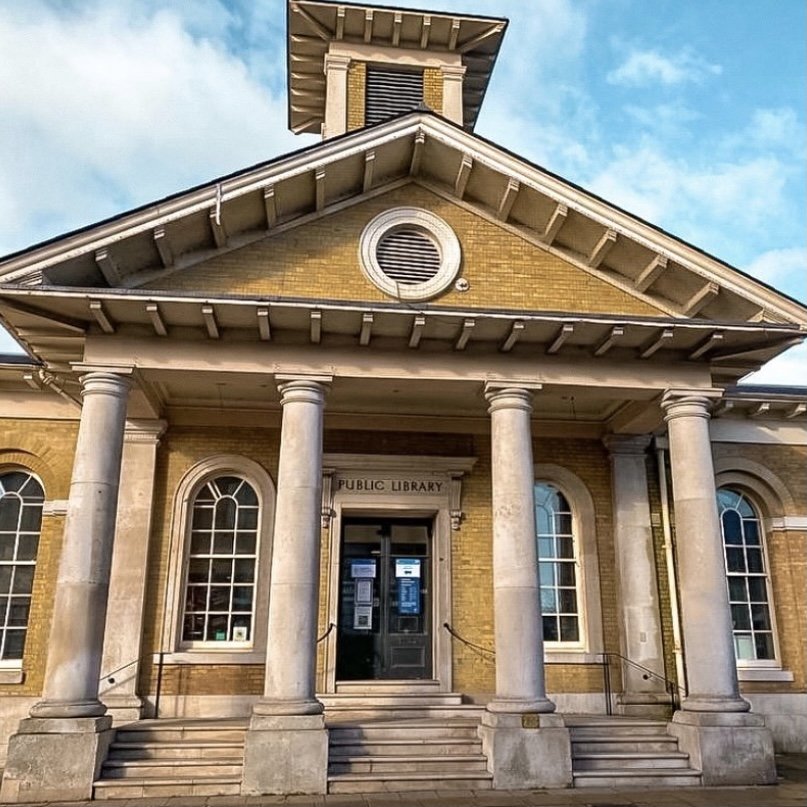
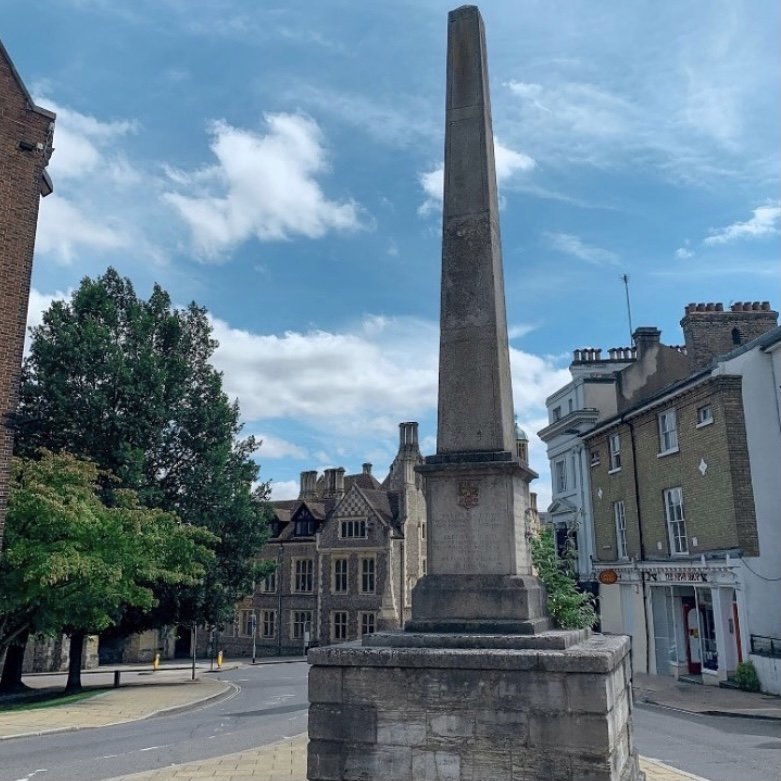
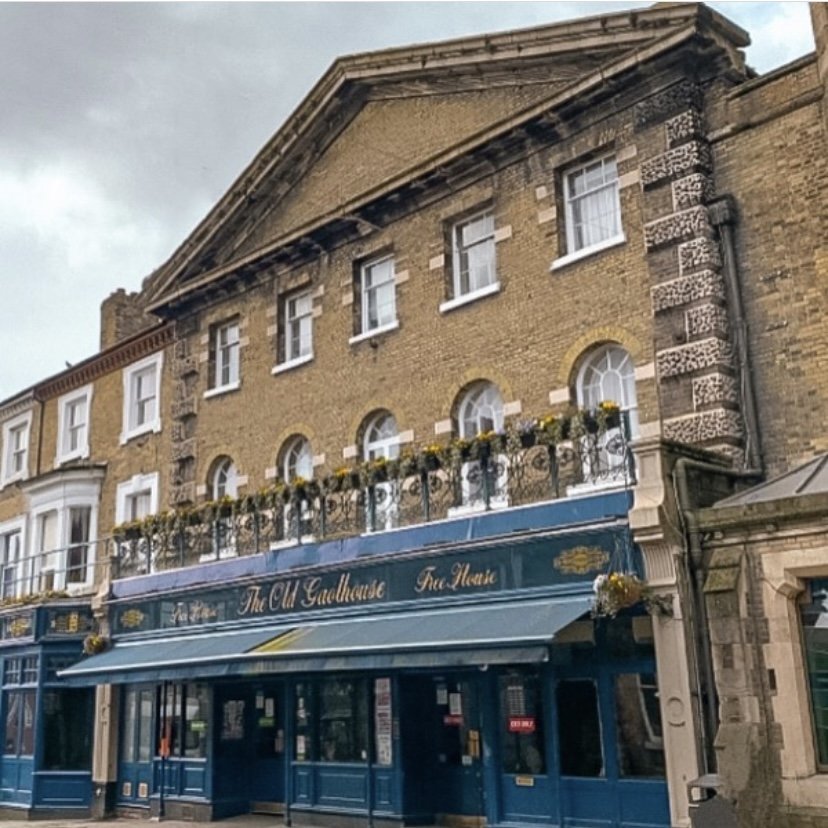
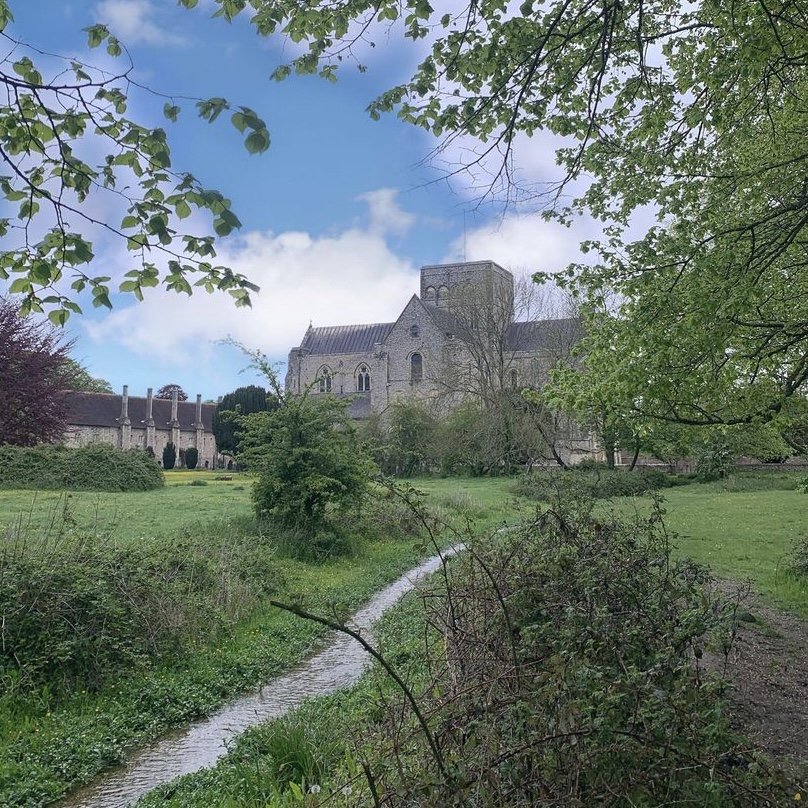
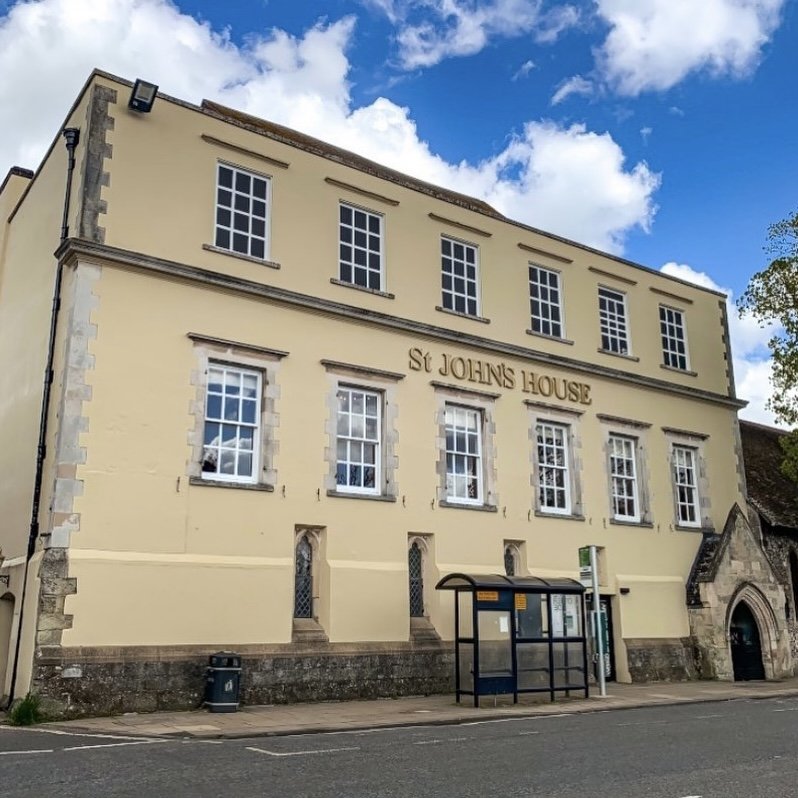
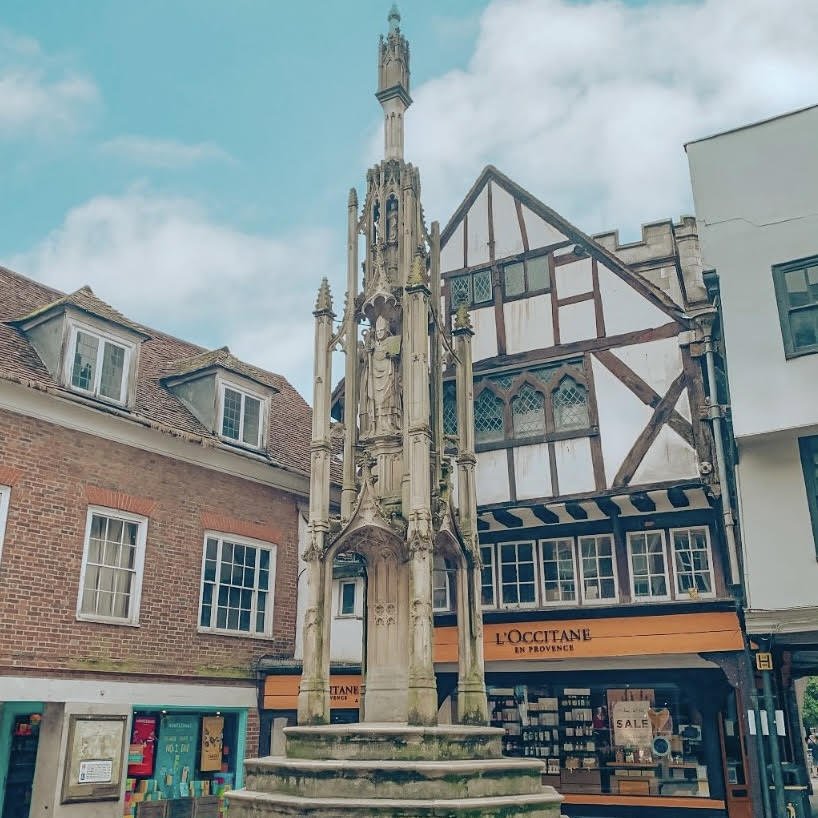
Photo credit: Miss Winchester
Further Information and Additional Links
Follow Miss Winchester on Instagram and join her every week for fun features which include ‘Where in Winchester’, ‘Let’s Discover Winchester’, ‘Fun Fact Friday’ as well as new guides and reels released every week!

Trenchers and Teapots: Food at Winchester College
In 2020 Winchester College helped launch our festival season, and so we're delighted that they are returning again this year with another fascinating podcast.
Thomas and Douglas, two Winchester College boys specially recorded this 'Edible England' podcast for the Heritage Open Days 20221 festival. In it, they share the history of 'school food' at the Winchester College. They have delved into the school archives to discover fascinating insights into banquets organised by the school founder, and have also interviewed Old Wykehamists (former pupils) for more recent memories of the College's menus and food traditions.
Winchester College are delighted to be able to offer additional information to accompany this excellent podcast. We do hope you enjoy reading.
School Shop
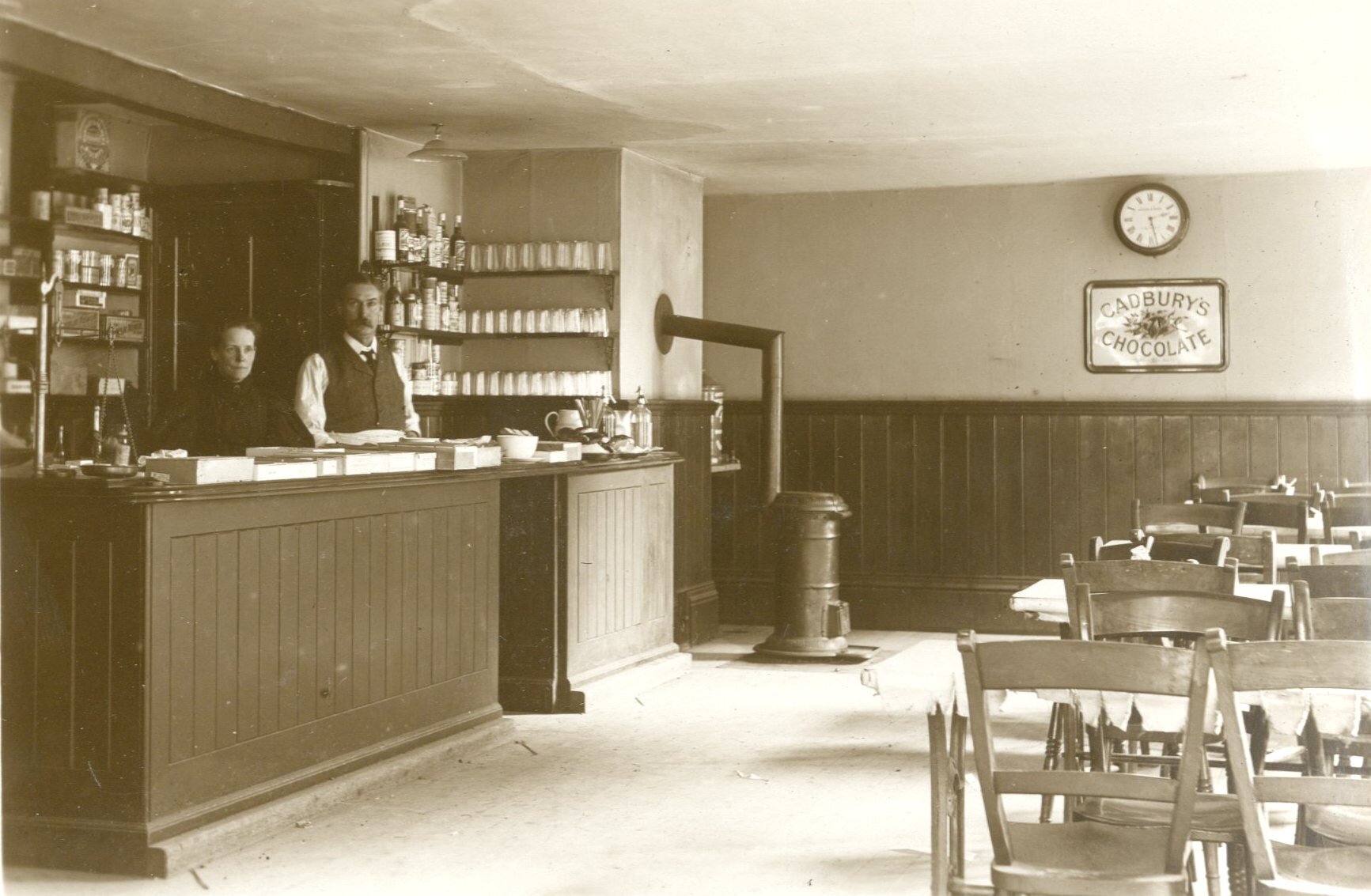
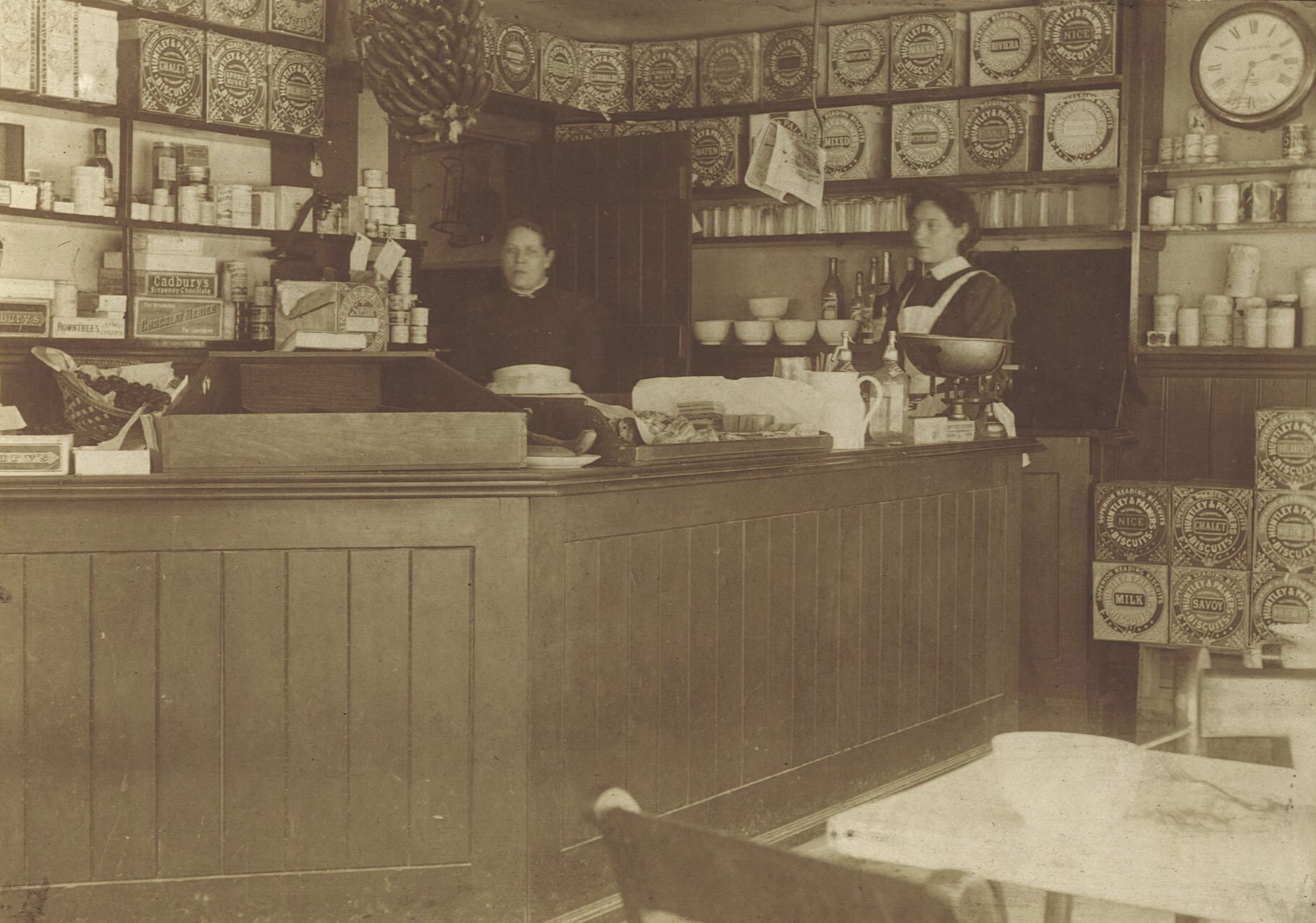
Below are photos that show what was the school shop – located where Cornflowers now is. Downstairs was a traditional shop and upstairs was used as a café where boys could get hot meals.
Beer for the Boys
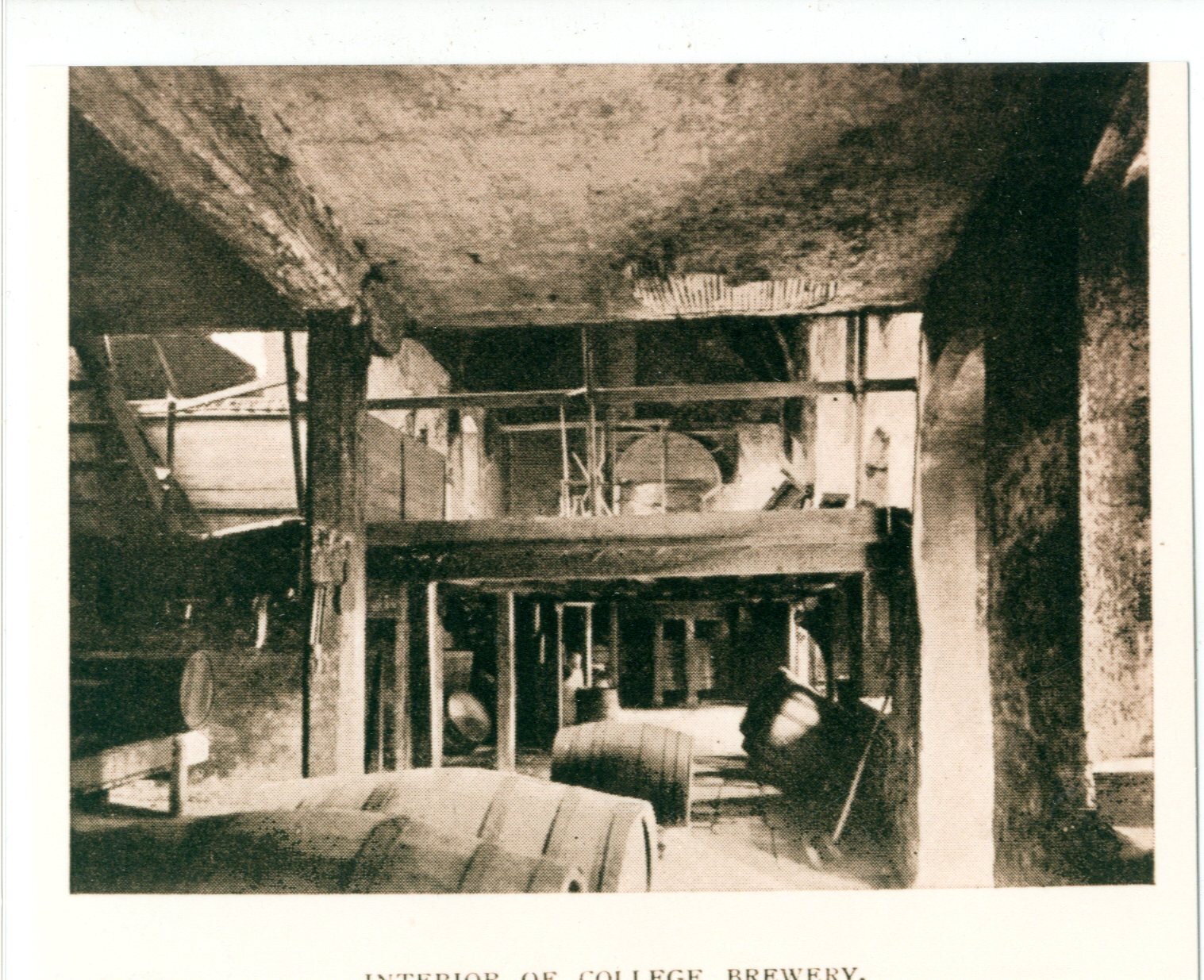
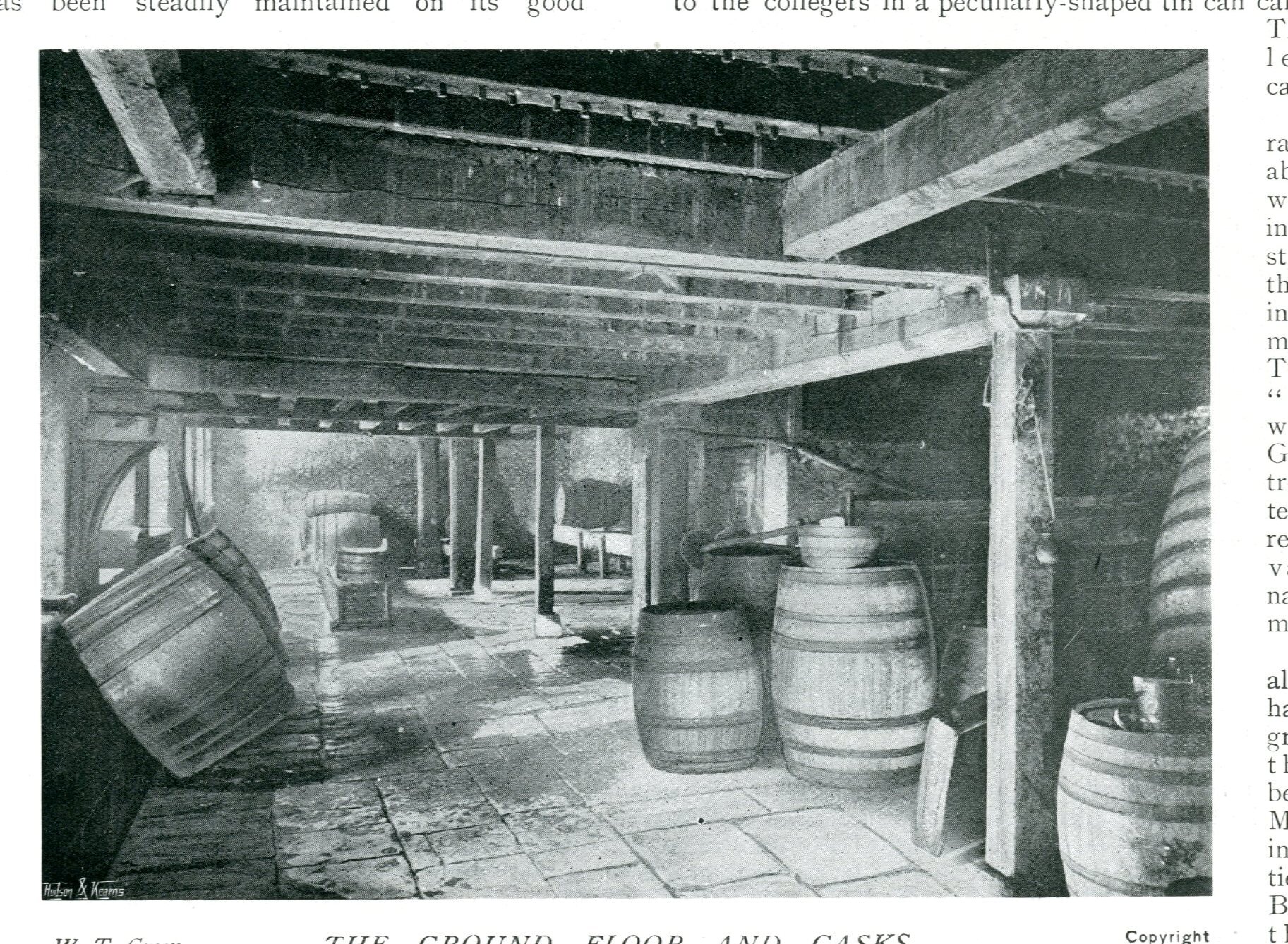
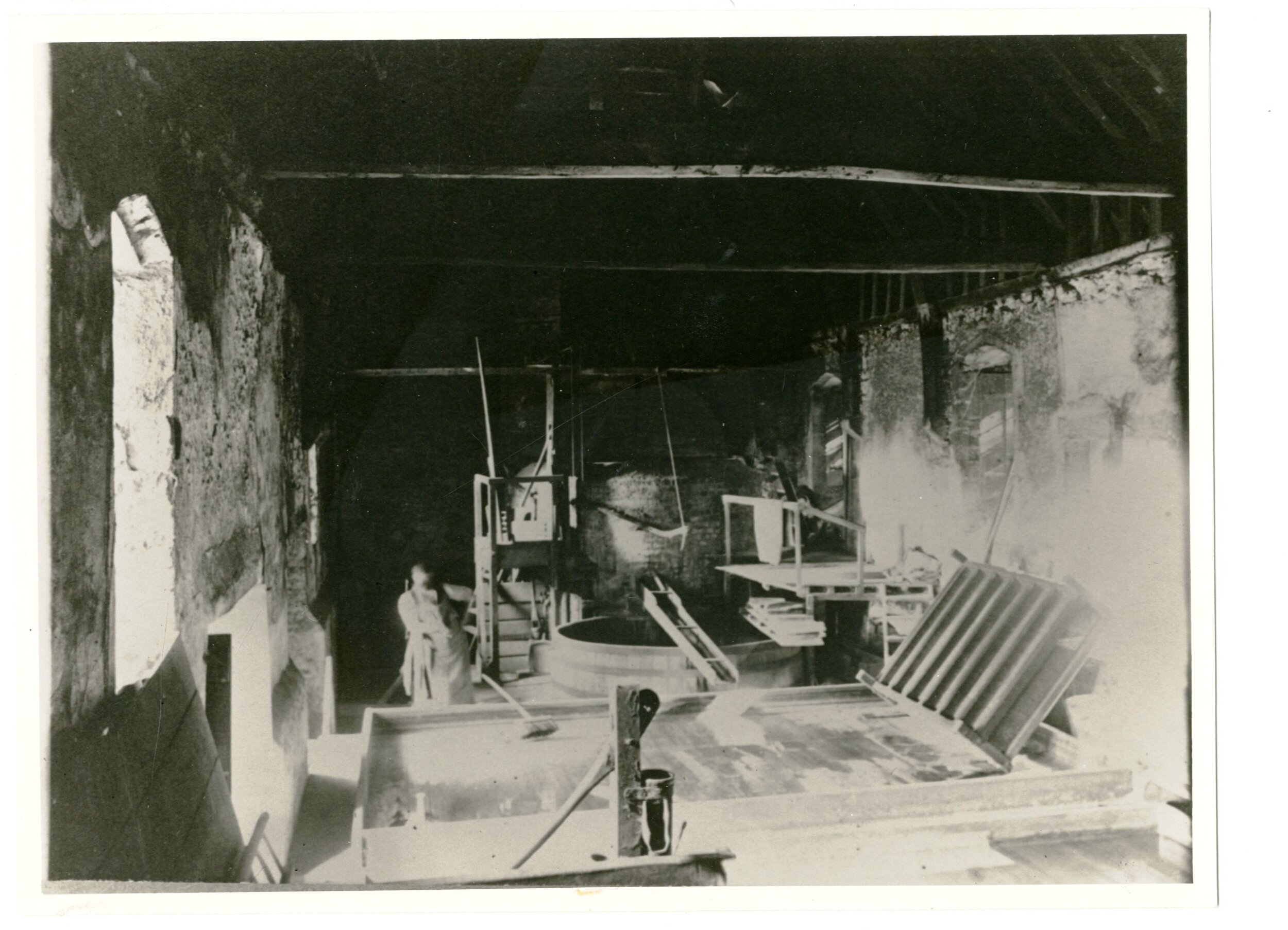
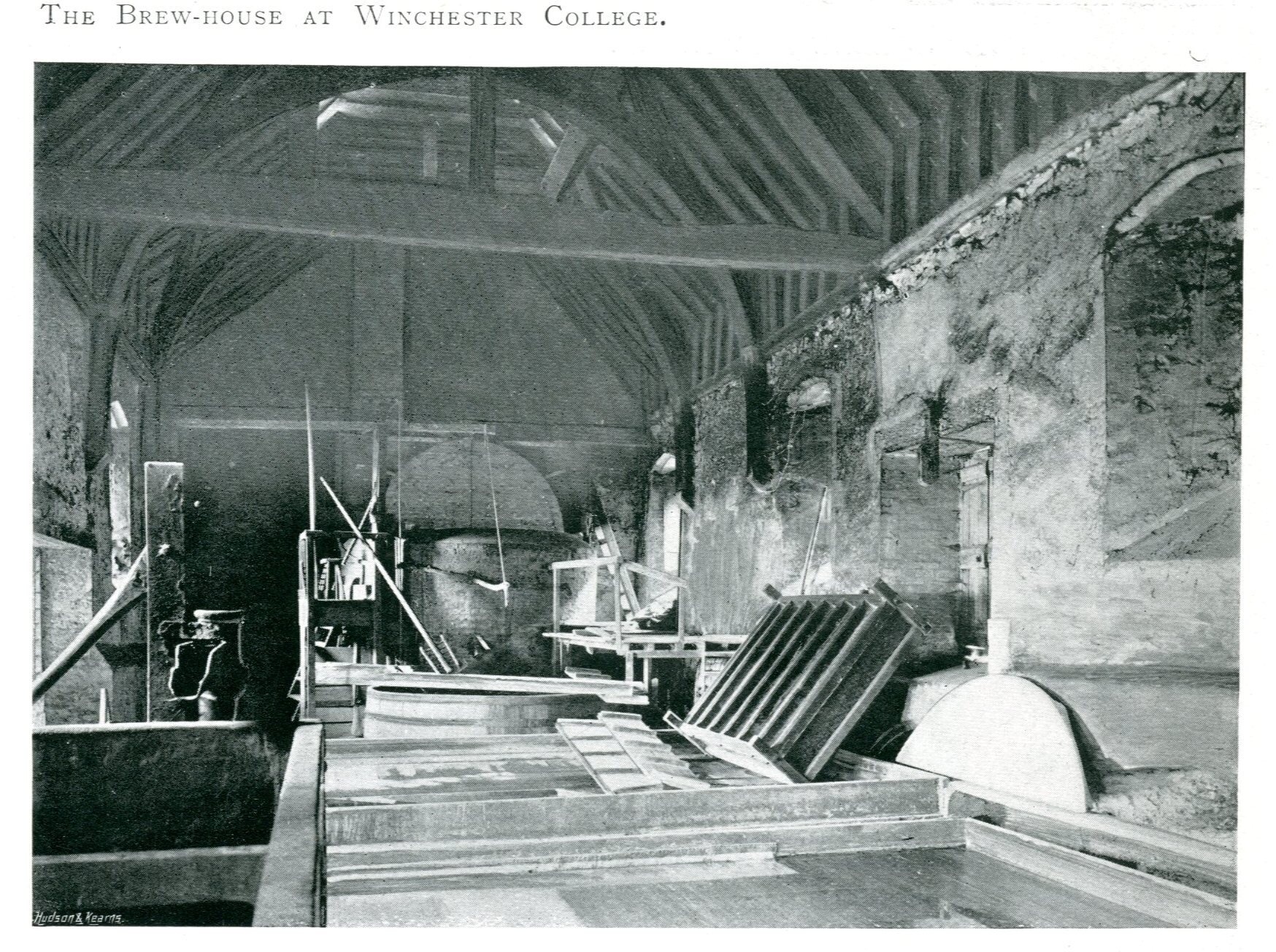
As mentioned in the episode, Winchester College brewed all their own beer until 1904, and in 1932/33 the old brewery was converted to house the school library, known as Moberly Library. The college continued to serve beer to the boys – and this was only abandoned when rationing was introduced during World War I in 1915.
The November 30th 1901 issue of Country Life included an article about the college’s “Brew-House”. The article, titled ‘Wykehamists’ Beer. The Brew-House at Winchester College’, describes the brewery and the brewing process, overseen by the Brewer of the College at the time, Mr A. Chamberlin.
In this next gallery you will find images of the Winchester College brewery and were taken in 1900.
The Language of Food at Winchester College
You may have heard some rather unusual words and phrases during the episode as Winchester College has developed its own language around its food over the years. They refer to these as food-related notions and here are a few more examples:
Cargoes - boys supplemented the food provided by the school with supplies sent from home.
Cat’s head – the end of a shoulder of mutton.
Chandler’s finger – notion c1920 for a long roly-poly pudding, named after a butler called Chandler who’d sliced off a finger in a bread machine.
Fat flab – a cut of the fat part of a breast of mutton.
Fleshy – a thick cut out of the middle of a shoulder of mutton.
Gobbets – a roly-poly pudding cut in slices and covered with treacle. c1920s. The name was inspired by a ballad rendering of the Cyclops’ indigestion in the Odyssey after eating too many hunks of meat.
Husky – gooseberry fool with the husks in.
King’s daughter – a roly-poly pudding with jam in the middle. Inspired by a passage from Psalm 45.13: ‘the King’s daughter is all glorious within’.
Egg-flip - hot spiced beer, with egg and lemon added, particularly served in School in the mid 19th century.
Open cesspool – an open jam-tart served once a week in College Hall in the 1920s
Porges or small Porges – small squares of fried bread served in College Hall with soup once a week from 1919.
Rokeby – blancmange and jam, served in College Hall in the 1920s and was named after its resemblance to one of the scholars.
Squish – weak tea.
Suction – sweets.
Tug bun – currant bun.
Verdigris – custard served with prunes.
For Further Information and Additional Links
To find out more about Winchester College visit:
Website: www.winchestercollege.org
Facebook: @WinchesterCollegeOfficial
Twitter: @WinColl
Instagram: @winchestercollege
You can still enjoy many of our other Heritage Open Days events including our Edible England Exhibition and some of the festival films, interviews and tour. Click here to visit our YouTube channel.
Credits: Additional information was provided by Suzanne Foster, Archivist at Winchester College. Winchester College also provided us with the photos used for this episode.

The Heritage of Bell Ringing in Hampshire
We’re delighted to begin Season 5 with an episode created by Cathy Booth. Cathy helped launch HistBites in 2020, and so seems perfect she has returned to open our special festival season.
The singing of bells is a sound everyone has heard. But do you know about the captivating history of traditional bell ringing? Experts Chris Pickford, Elizabeth Johnson, and Micky Nadal join Cathy Booth to uncover never-before-heard tales and unique traditions on the historic profession. From the grand bells of Winchester Cathedral to smaller churches across Hampshire, every chime carries centuries of history with it. Discover their fascinating stories!
In this special Heritage Open Days 2021 festival podcast, our experts discuss what traditional bell ringing is - From the history of bell ringing to the role it has in the current era, our guests offer stories and information of the role bell ringing played in local communities and some of the challenges that it has faced in the past and why it holds a special place in the lives of bell ringers.

Cathy Booth
Cathy Booth is the wife and mother of bell ringers and hosts a podcast about it – Fun With Bells.
In her podcast, she has been delighted to meet bell ringers from across the world, who have many fascinating stories to tell, from performing lifesaving CPR in the tower to record-breaking feats and the imposition and lifting of the ban on ringing during World War II.
Elizabeth Johnson
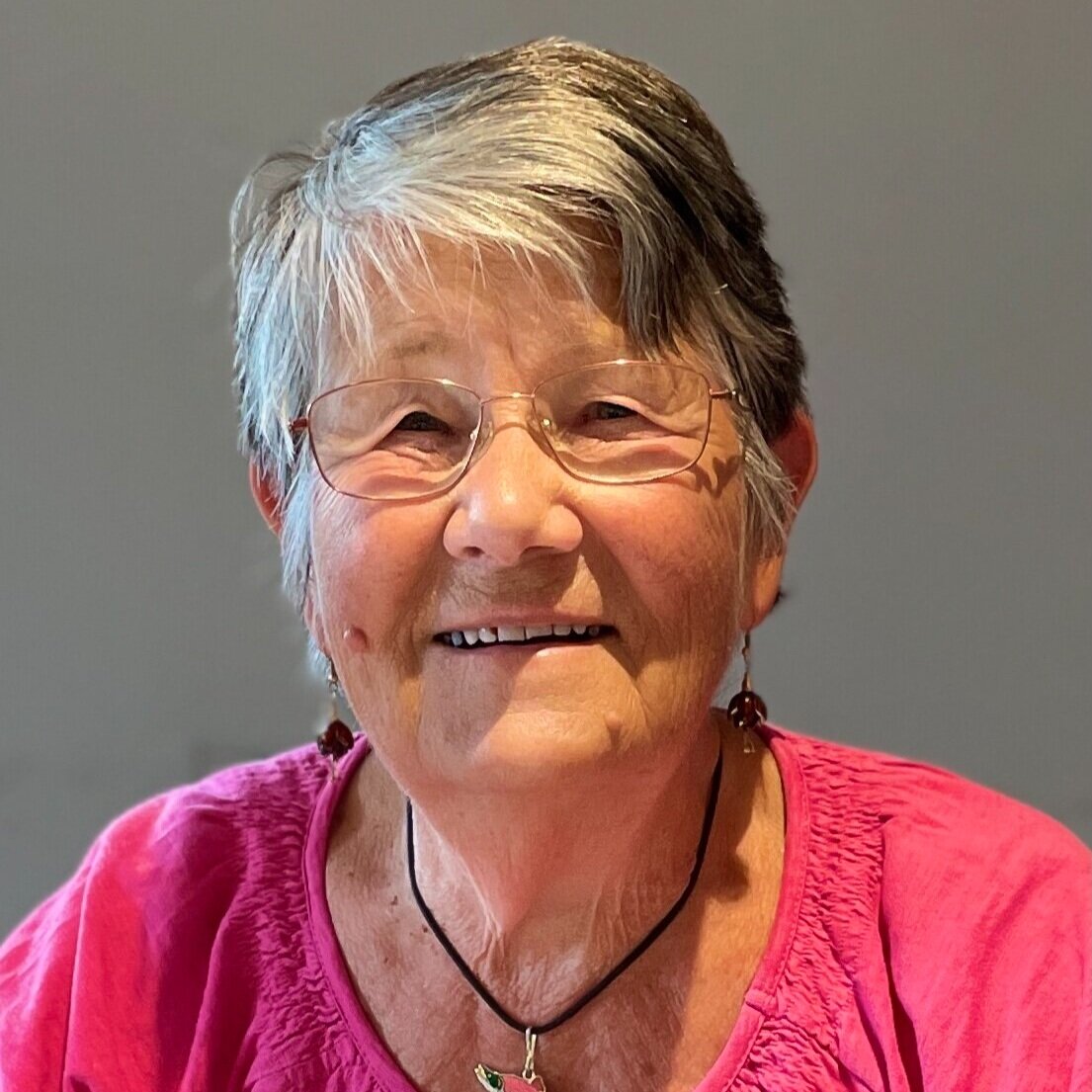
Elizabeth Johnson started to ring as a teenager in 1956, took a break to bring up a family but has been ringing at St. John's, New Alresford since the 1980s.
She has rung 107 peals and nearly 800 quarter peals.
Elizabeth has been secretary and chairman of the Winchester District and President of The Guild of Medical Ringers.

Micki Nadal
Micki Nadal is the secretary of the Winchester District of The Winchester and Portsmouth Guild of Church Bell Ringers.
She comes from a bell ringing family in Wiltshire and her earliest recollections are of being told to sit still in towers and feeling sick on coaches on ringing outings.
She rang in London and, after a long break, returned to ringing in Hampshire when she stopped working.

Chris Pickford
Chris Pickford is a lifelong ringer who has been studying the history and heritage of bells for several decades. He was formerly the County Archivist for Bedfordshire.
Now in semi-retirement, he volunteers with the John Taylor Bellfoundry Museum and Archives at Loughborough.
Through lockdown, he was much in demand for online talks about the history of the bell founding industry and on ringing history.
Further Information and Additional Links
If bell ringing is something you are interested in taking part in, visit The Winchester and Portsmouth Guild of Church Bell Ringers website by clicking here.
If you enjoyed any of the festival episodes or events and want more, share what we are doing on social media or with your friends so we can continue to grow and offer you more episodes and events in the future.

The Spitfires in the ballroom at Hursley Park
A fascinating tale of extraordinary logistics, unvetted cooks, panelling from Winchester College and a butler walking in on secret meetings.
Everyone has heard of the Spitfire - one of the most successful aircraft ever produced and one of greatest iconic pieces of design. But how many of us knew they were designed in the magnificent setting of an oak panelled ballroom in an 18th century mansion?!
Join David Key as he shares fascinating stories about the Hursley Park near Winchester and the very important part it played in the Second World War when it was taken over by the ministry of aircraft production, and became the home for the design team from Vickers Supermarine, the Spitfire manufacturers. A fascinating tale of extraordinary logistics, unvetted cooks, panelling from Winchester College and a butler walking in on secret meetings.

The Supermarine staff at Hursley Park in 1943

David Key
David Key has a long-standing passion for local history in Hampshire and has been the voluntary site historian at Hursley Park for several years. In this role, he’s carried out wide-ranging research on Hursley Park’s incarnations as a grand country estate, wartime hospital, design facility for Vickers Supermarine and most recently as a development laboratory for technology company IBM.
Further Information and Additional Links
If you enjoyed this podcast and would like to find out more about the very important work of the Supermarines or the rich history of Hursley Park, follow @Supermariner and @hursleypark on Facebook.
This is the final episode of Season 4! We will be back with Season 5 during the Winchester Open Days Festival on the 10th of September.
If you enjoy the episodes we make, please tell a friend, share your thoughts on social media or leave a review on your podcasting app so we can continue to grow. Thank you for your support!

Whitchurch Silk Mill's Six-Thousand Mile Connection
Join us on a travel adventure following the trail of Marco Polo along the ancient Silk Road to China,
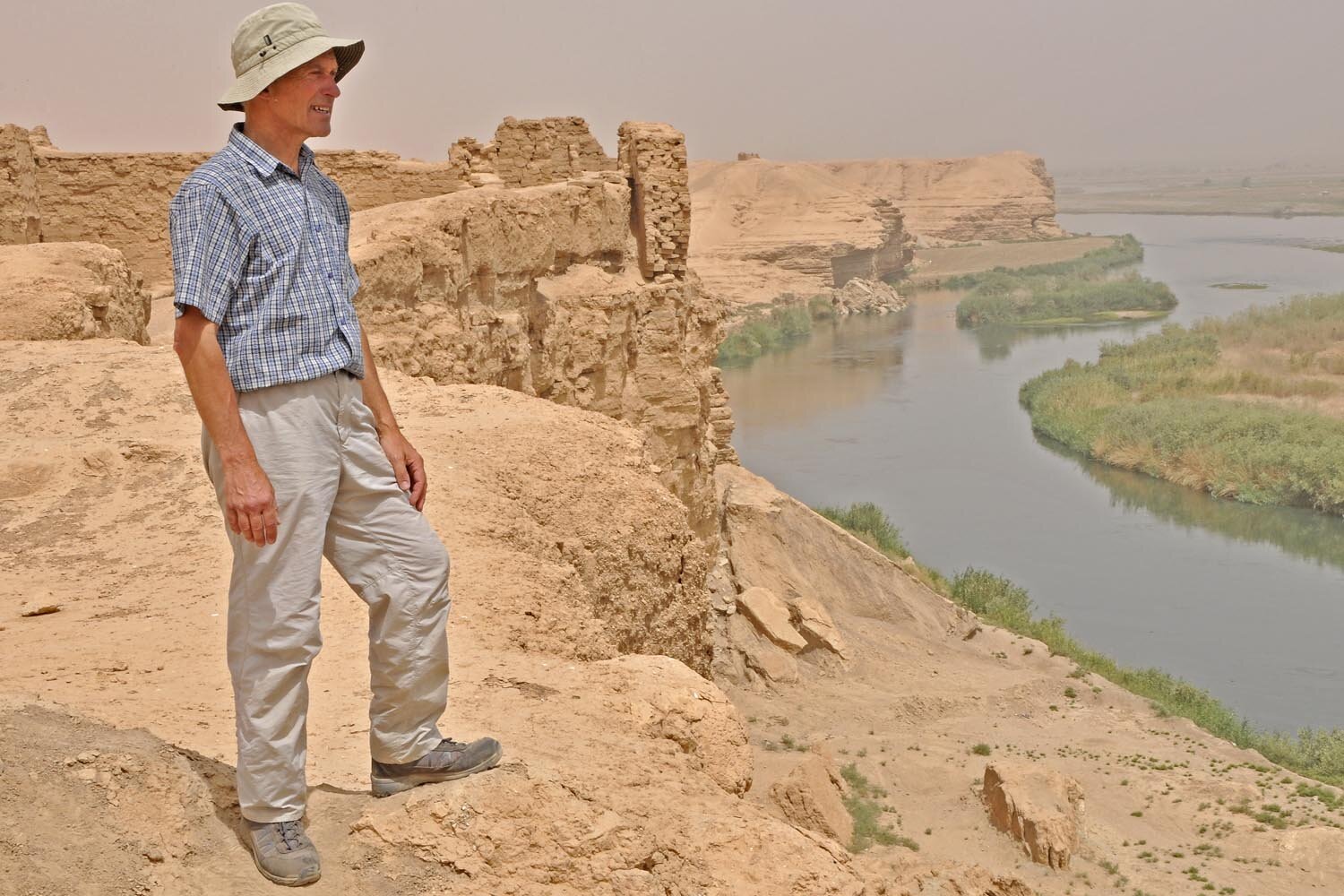
Inveterate traveller John Pilkington talks about following the trail of Marco Polo along the ancient Silk Road to China, where he discovers a surprising link between Suzhou, the Venice of the East, and Hampshire’s Whitchurch Silk Mill.
Among the highlights of his travels, he tells Emily Briffett, are his travels among nomadic people in Afghanistan and traversing high mountain ranges between Pakistan and China along the Karakoram Highway. En route he meets many challenges, including offerings of rancid yak butter tea and battles with obstinate camels.




Further Information and Additional Links
To learn more about Whitchurch Silk Mill, go to their website www.whitchurchsilkmill.org.uk
You can visit John’s website to find out more about him and his many adventures, and you can contact him at John@pilk.net
Stay tuned for next week’s episode which follows John on another one of his adventures.

Discovering Hidden Treasures at St Swithun's
Since its foundation in 1884, St. Swithun’s School has been at the forefront of female education. Elly Crookes reveals the school’s history and the priceless artifacts located within its archives.
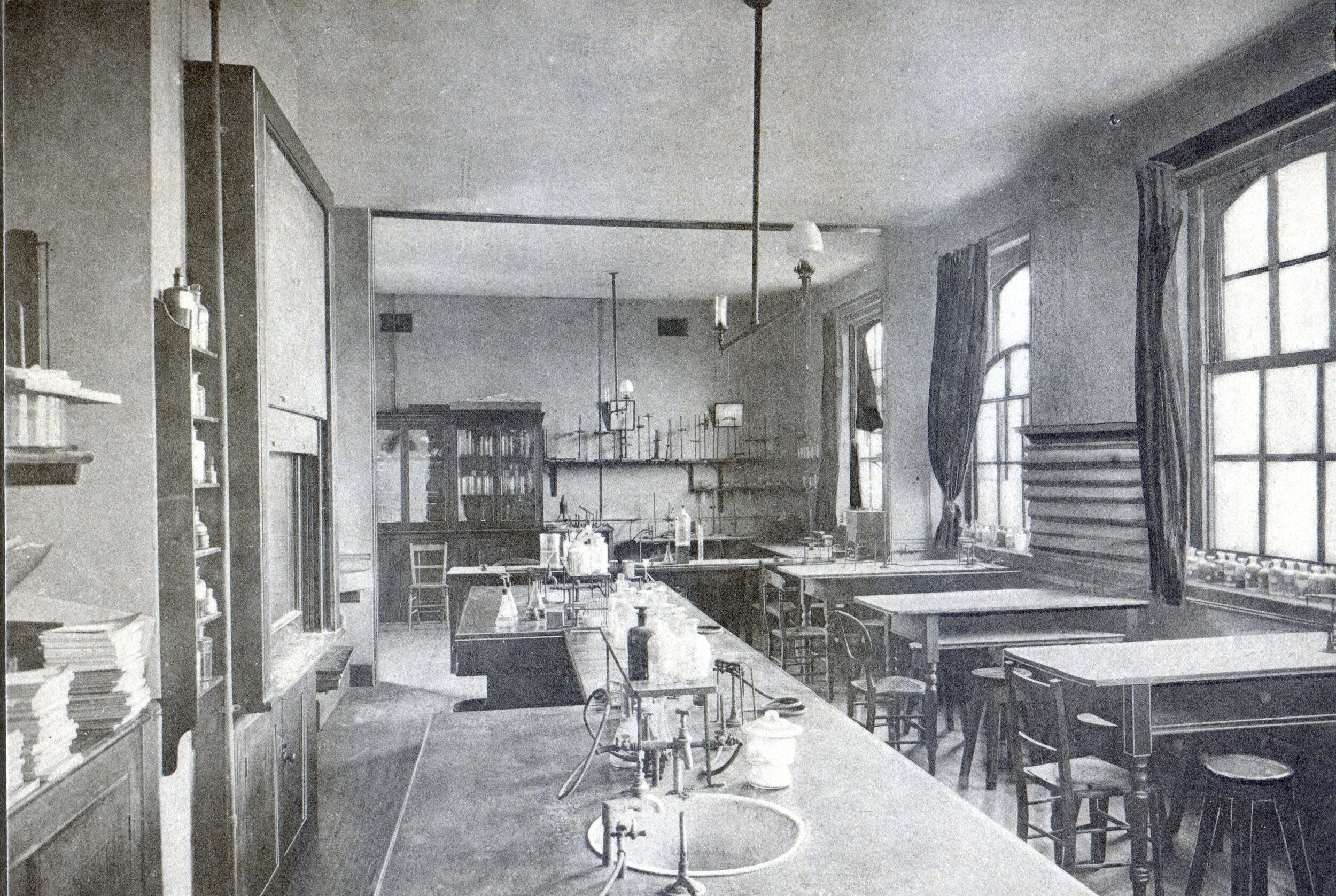
Educating girls wasn’t a priority in Victorian England but the pioneering founder of St Swithun’s School in Winchester helped to change that in Hampshire. By the end of the 19th century its female pupils were studying not just reading and writing but science, economics, engineering and money management.
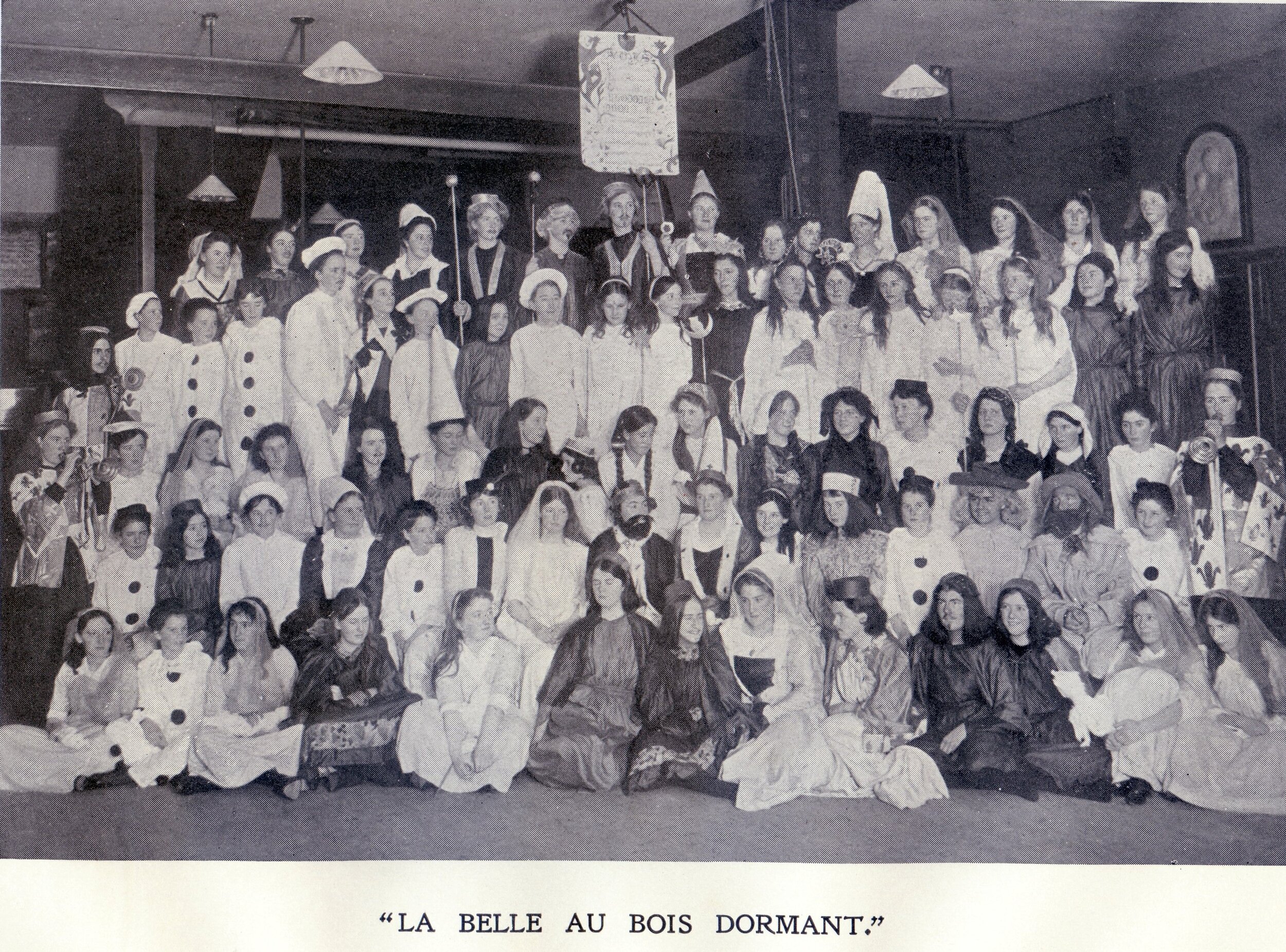
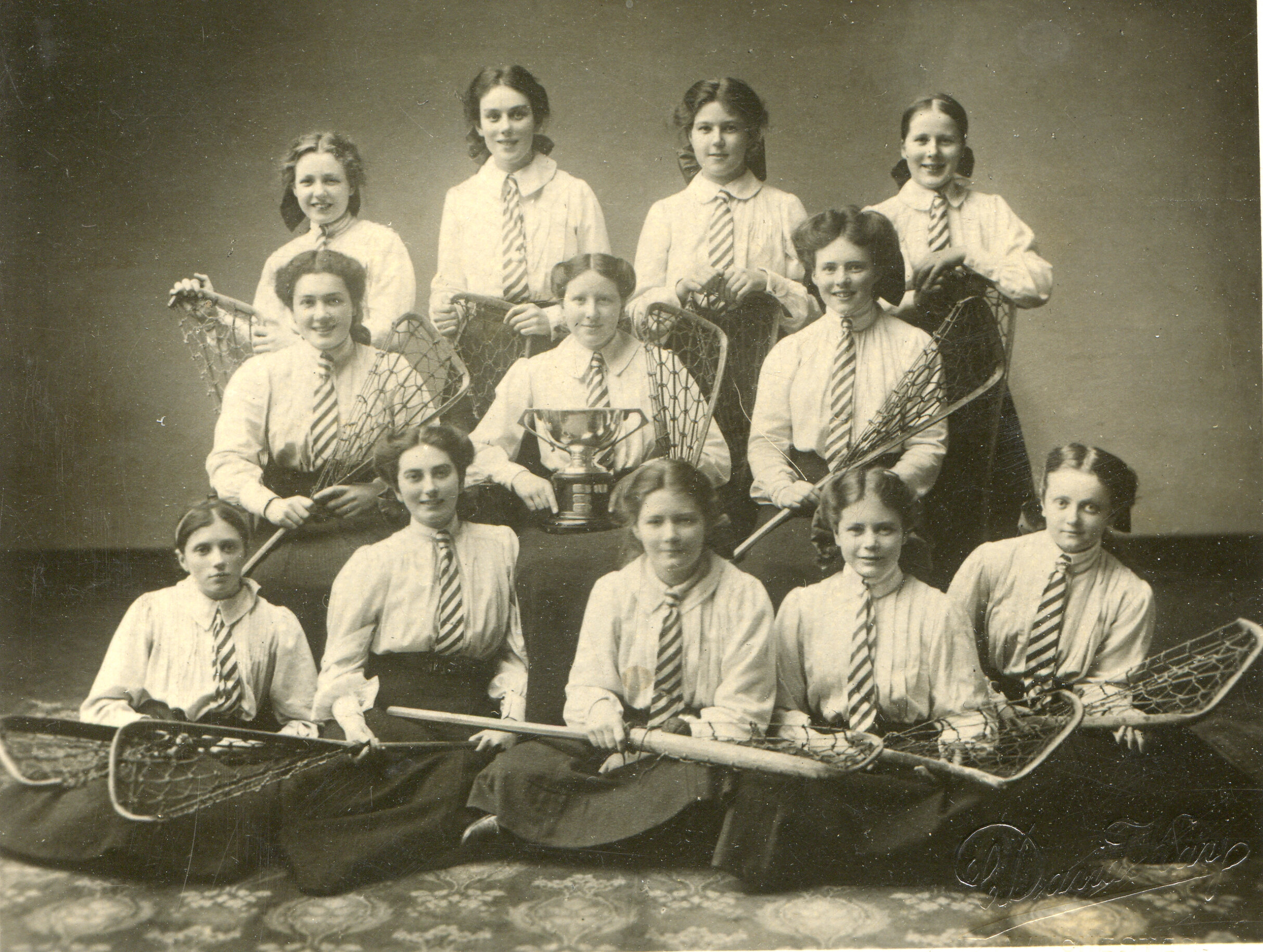
A feisty spirit was encouraged among pupils: when school buildings were requisitioned for troops during the two world wars, the girls played and beat Canadian soldiers at lacrosse and taught GIs to play cricket. St Swithun’s archivist Elly Crookes talks to Julie Dypdal about the school’s eventful history and its fascinating archives - which include letters from Christina Rosetti and William Wilberforce.
Elly Crookes
Elly Crookes has recently joined St Swithun’s as their School Archivist. It was thanks to a generous donation from a member of the school’s alumni which provided the opportunity for the school to employ a professional archivist, Elly is currently carrying out a survey of the school’s historical collection. As the records have been catalogued by her so much information has been uncovered, much of it that has never been revealed before. The school is keen to share it with the wider community, continue reading to find out more about their plans to share their fascinating history.
St Swithun’s School
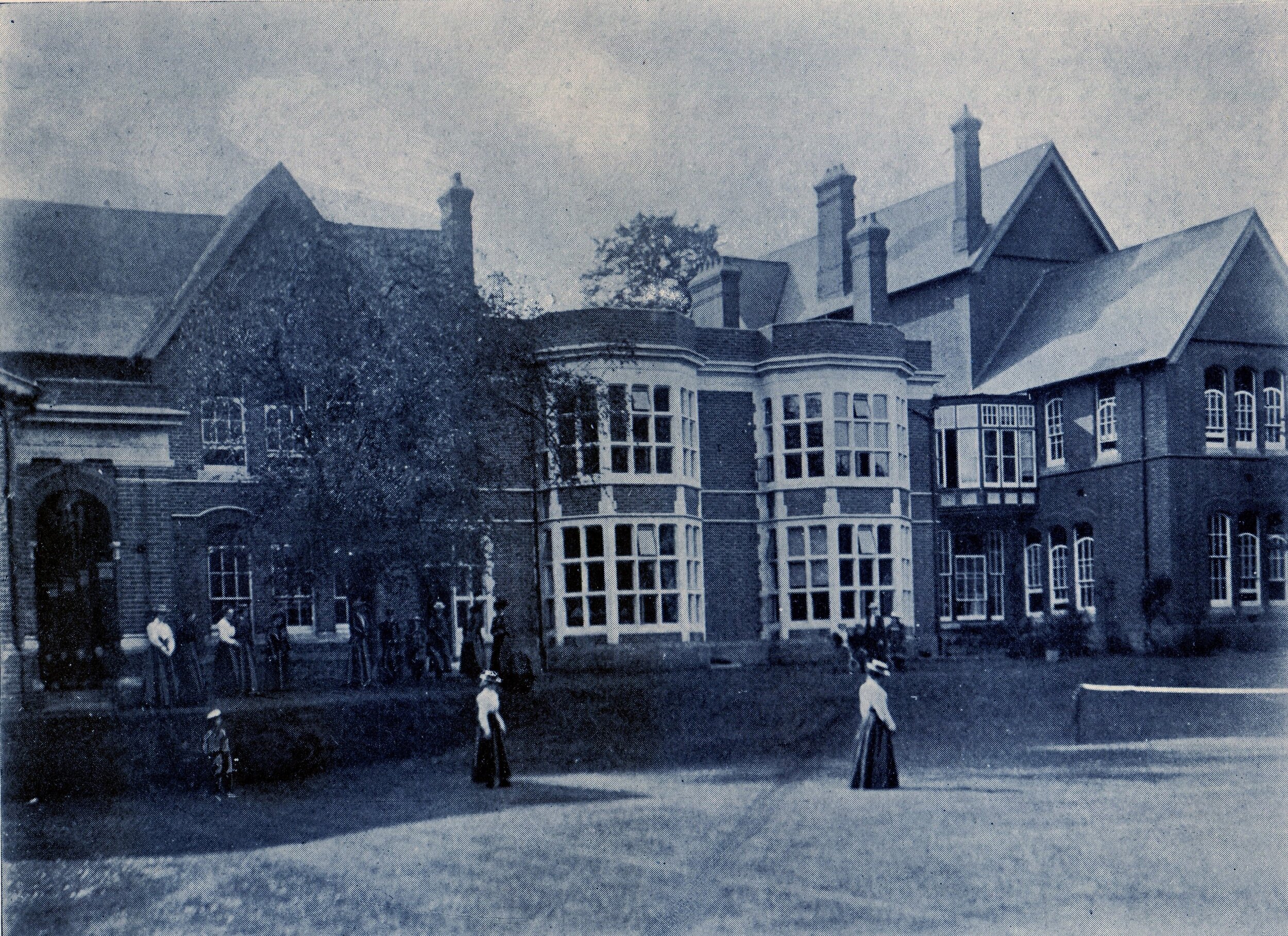
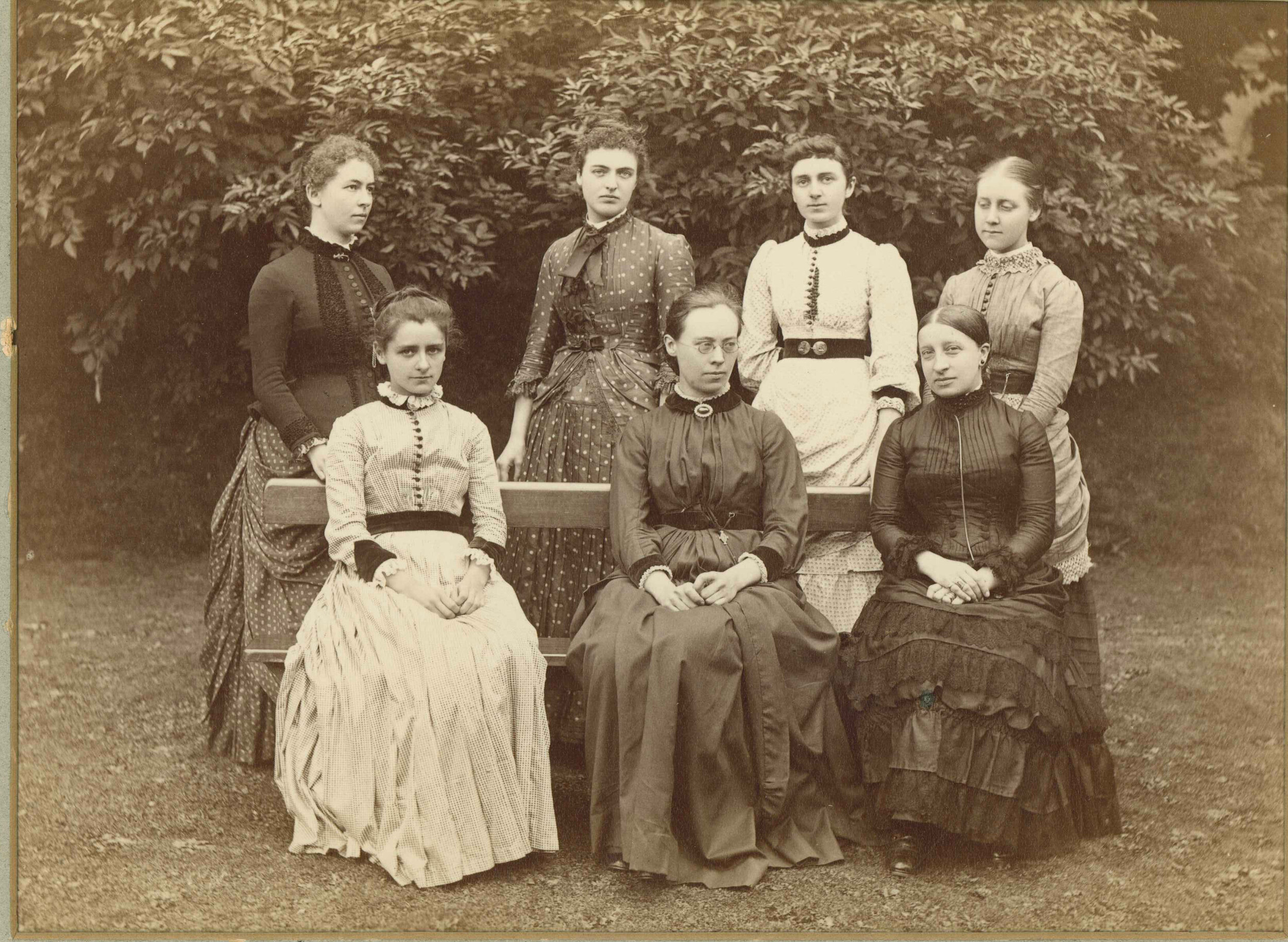
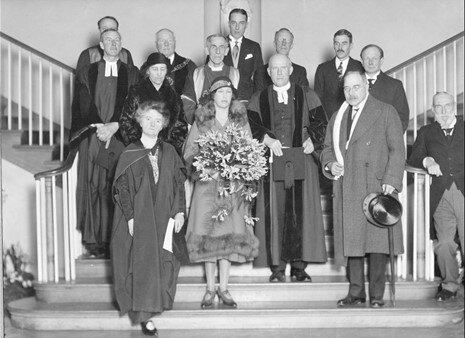
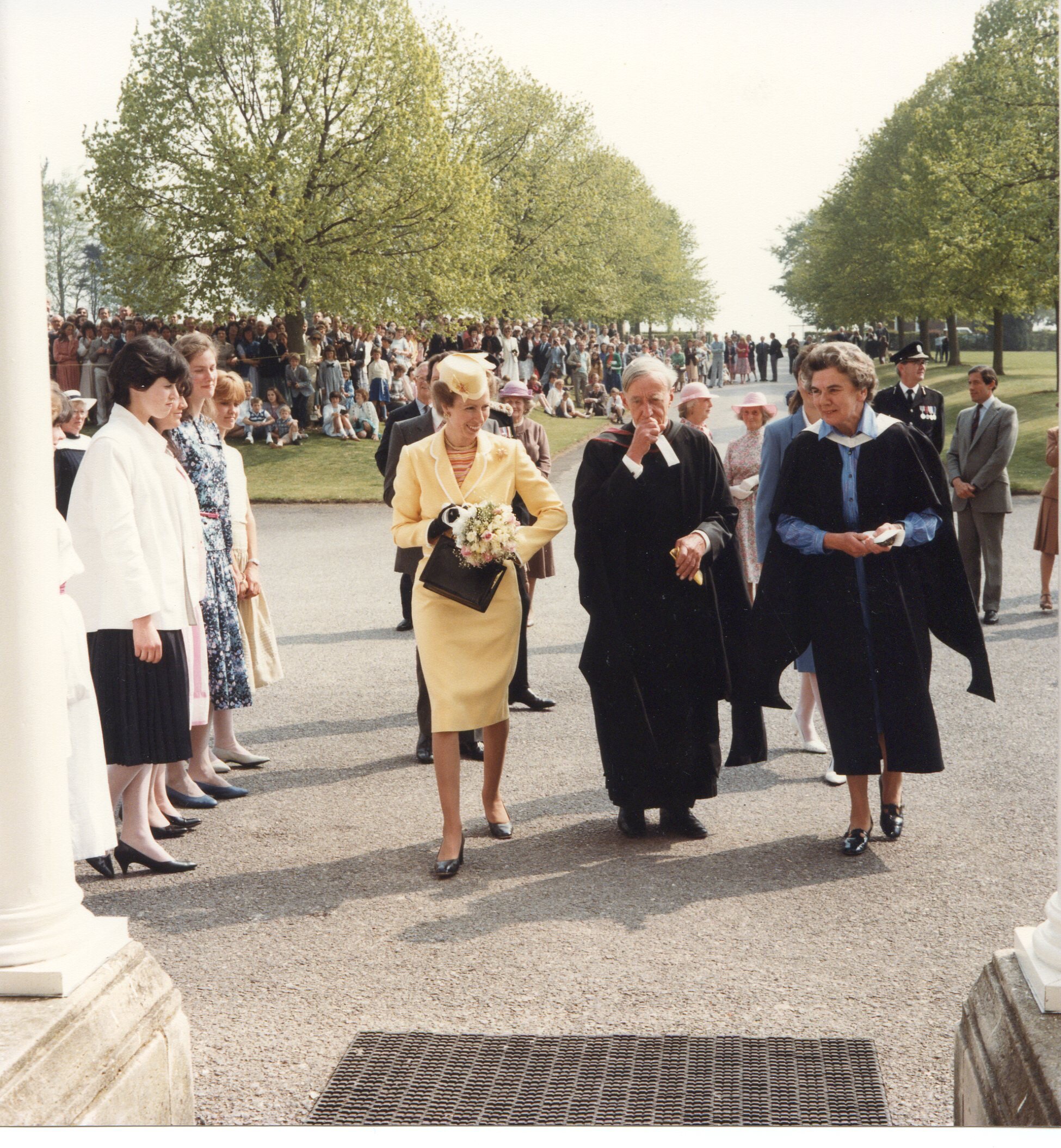
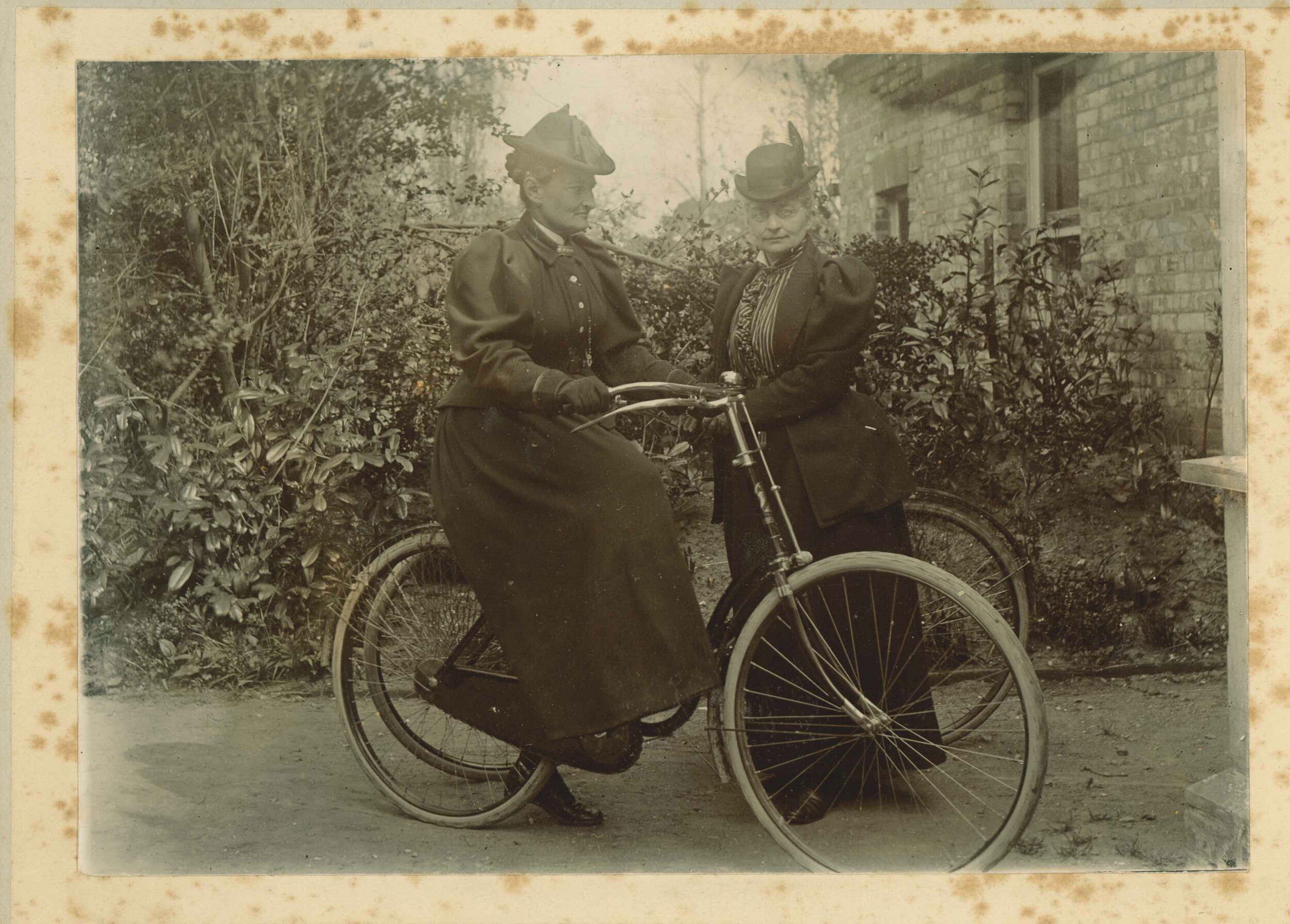
St Swithun’s is an independent school for girls that was founded in 1884 by Anna Bramston, the daughter of Revd John Bramston, the Dean of Winchester. With her close friend Amélie LeRoy they established Winchester High School for Girls (the precursor to St. Swithun’s) which offered a progressive curriculum that provided opportunities for young Victorian women to continue onto higher education. The original school was on Southgate Street but grew so much in popularity that in 1932 they moved to a larger site on Alresford Road where they have been ever since.
Further Information and Useful Links
To see more pictures and get more updates from the St Swithun’s Archive visit their Twitter page. They are running a digital puzzle challenge where the puzzles are of items from their collection. They were inspired by the Cooper Gallery in Barnsley to do this and they run a competition in school for pupils, parents and staff to see who can complete the puzzle in the fastest time. The aim is for more people to know more about their collection and the exciting items they have within it. They post these puzzles every week on Twitter.
If you wish to know more about the school, check out their website. You can also find the piece written by Elly, ‘St Swithun’s During the Two World Wars’, which she referenced during the episode.
Correction:
In the episode, we mention that the school opened on 5th September 1884. However, it actually opened on 5th May 1884 and we have added a footnote to the transcript with this correction as well.