

Trenchers and Teapots: Food at Winchester College
In 2020 Winchester College helped launch our festival season, and so we're delighted that they are returning again this year with another fascinating podcast.
Thomas and Douglas, two Winchester College boys specially recorded this 'Edible England' podcast for the Heritage Open Days 20221 festival. In it, they share the history of 'school food' at the Winchester College. They have delved into the school archives to discover fascinating insights into banquets organised by the school founder, and have also interviewed Old Wykehamists (former pupils) for more recent memories of the College's menus and food traditions.
Winchester College are delighted to be able to offer additional information to accompany this excellent podcast. We do hope you enjoy reading.
School Shop
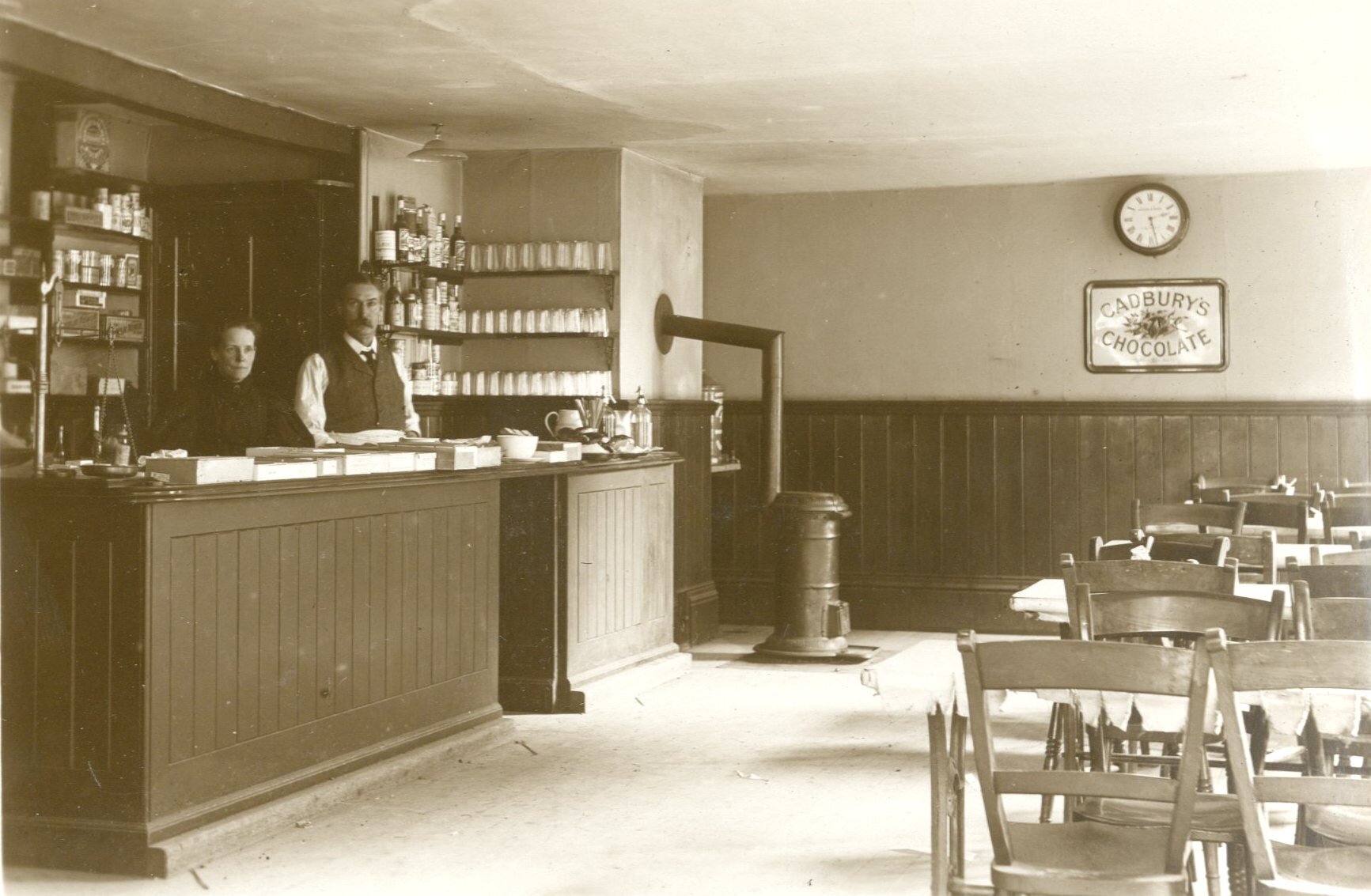
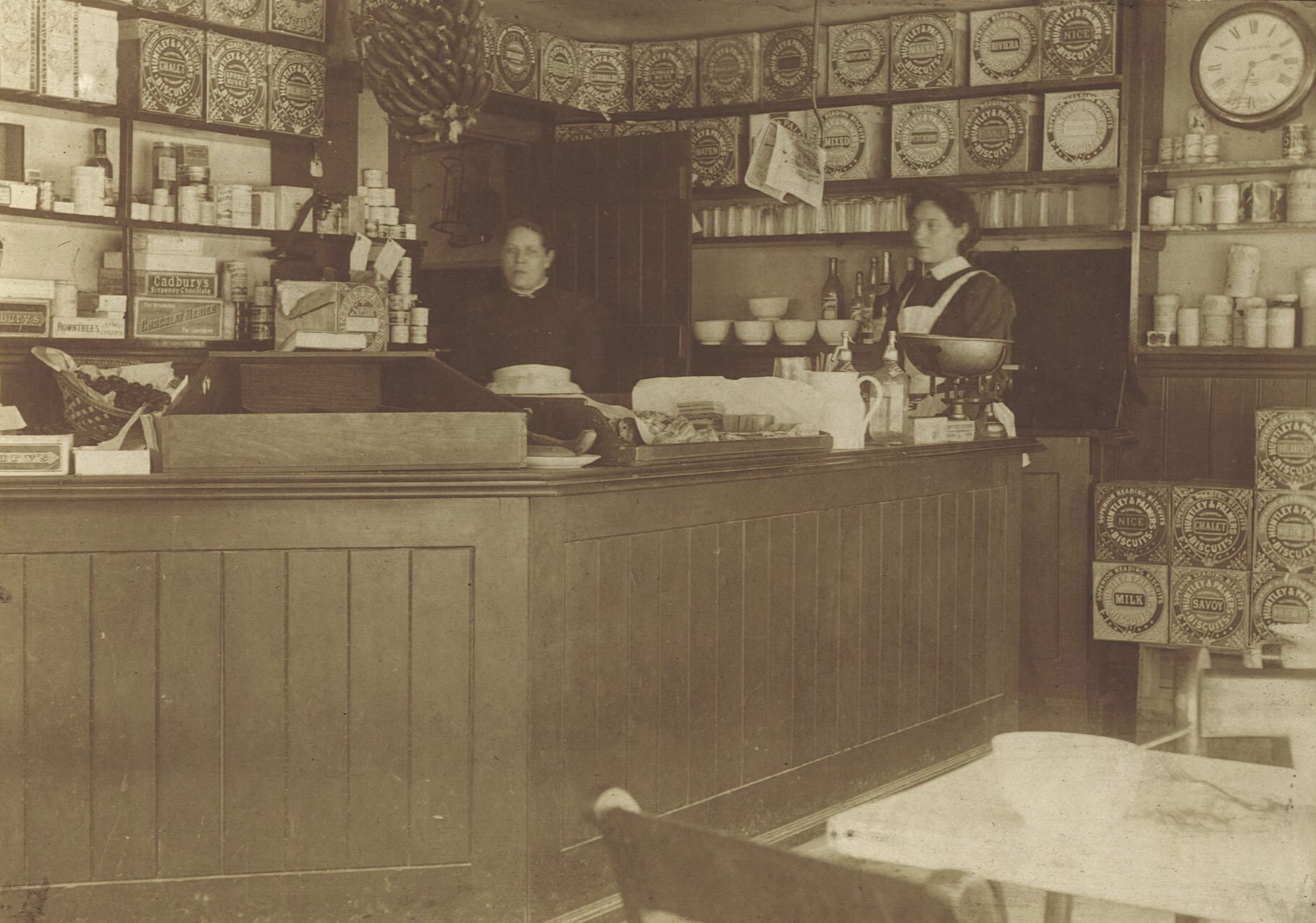
Below are photos that show what was the school shop – located where Cornflowers now is. Downstairs was a traditional shop and upstairs was used as a café where boys could get hot meals.
Beer for the Boys
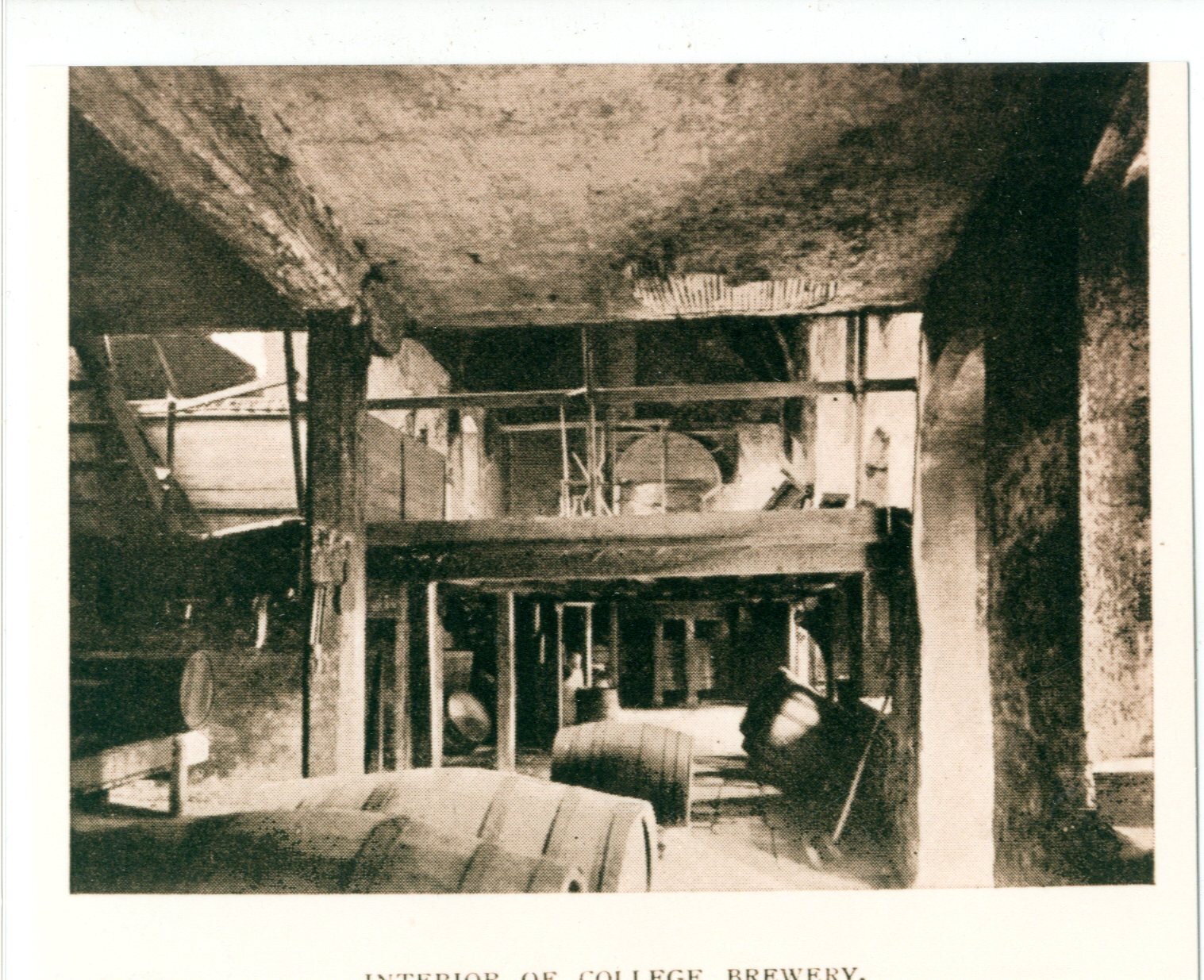
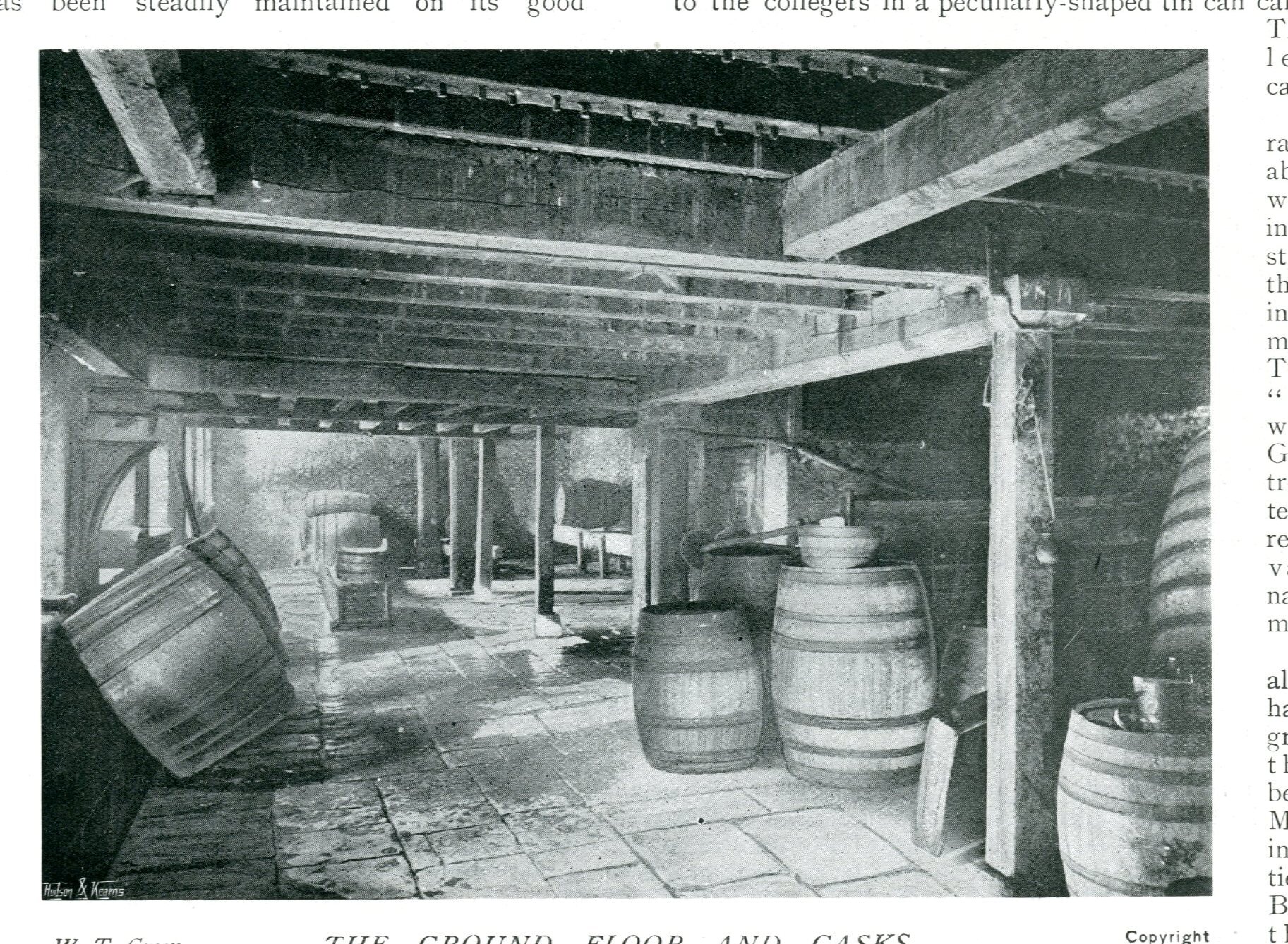
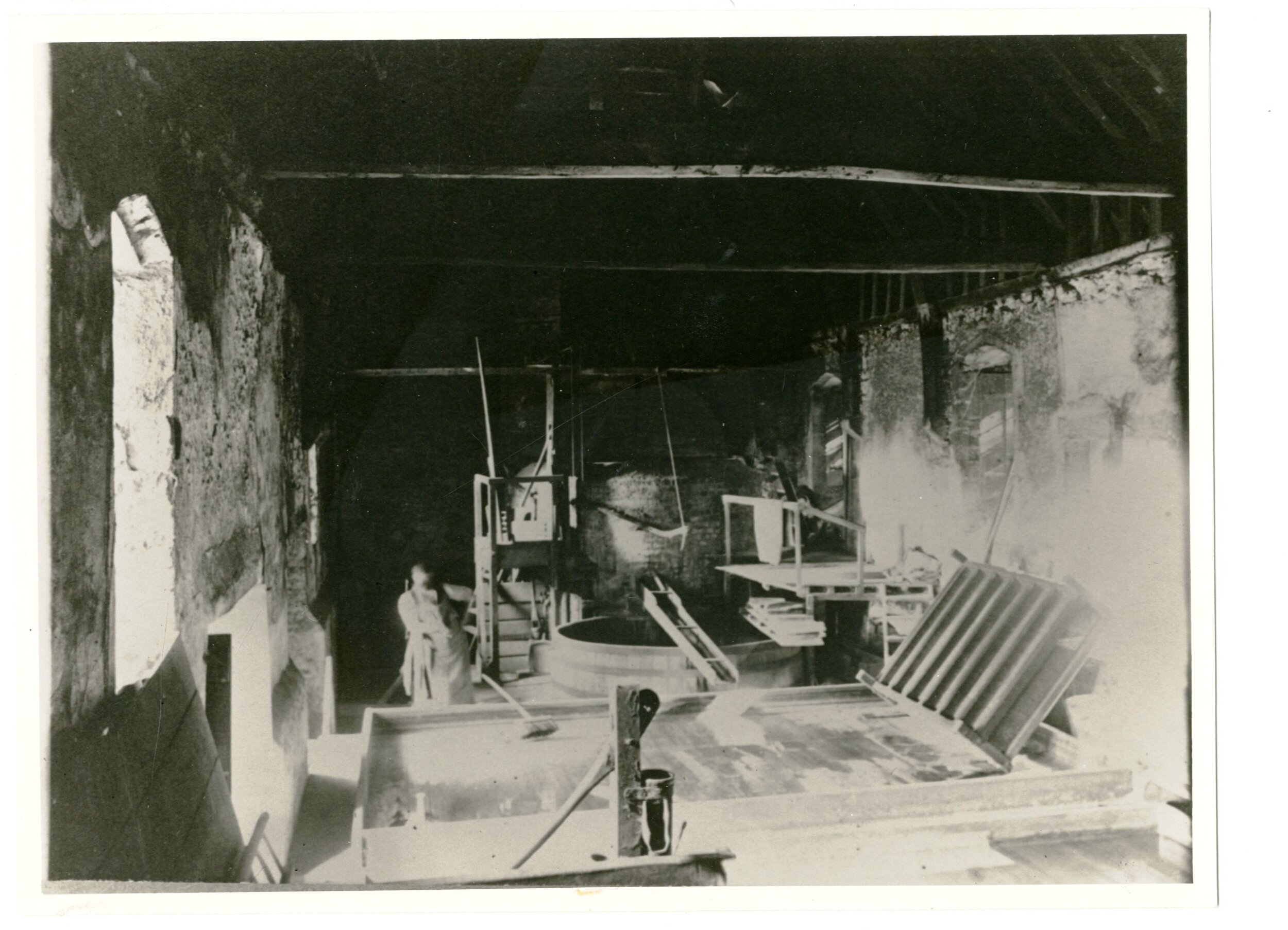
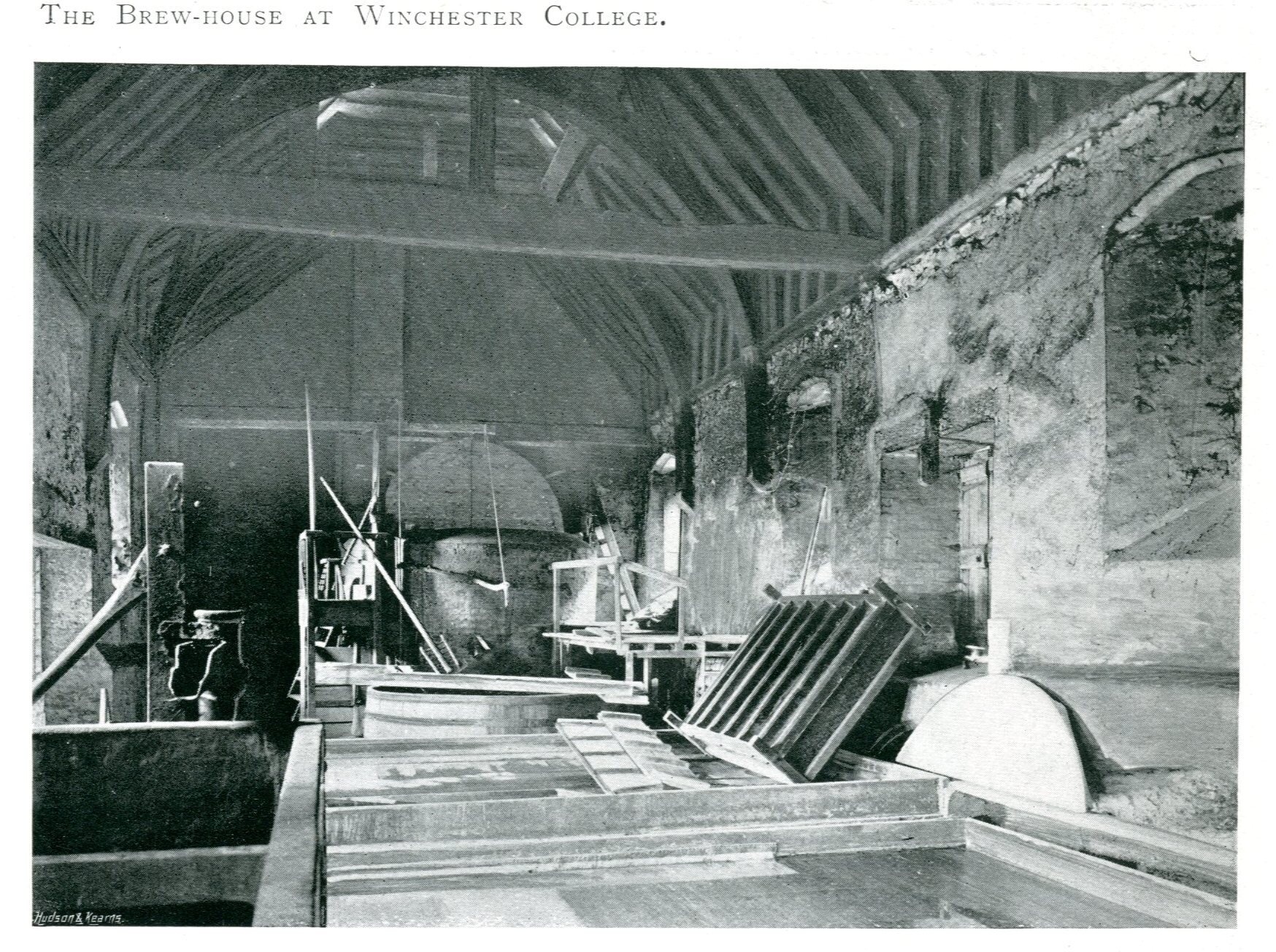
As mentioned in the episode, Winchester College brewed all their own beer until 1904, and in 1932/33 the old brewery was converted to house the school library, known as Moberly Library. The college continued to serve beer to the boys – and this was only abandoned when rationing was introduced during World War I in 1915.
The November 30th 1901 issue of Country Life included an article about the college’s “Brew-House”. The article, titled ‘Wykehamists’ Beer. The Brew-House at Winchester College’, describes the brewery and the brewing process, overseen by the Brewer of the College at the time, Mr A. Chamberlin.
In this next gallery you will find images of the Winchester College brewery and were taken in 1900.
The Language of Food at Winchester College
You may have heard some rather unusual words and phrases during the episode as Winchester College has developed its own language around its food over the years. They refer to these as food-related notions and here are a few more examples:
Cargoes - boys supplemented the food provided by the school with supplies sent from home.
Cat’s head – the end of a shoulder of mutton.
Chandler’s finger – notion c1920 for a long roly-poly pudding, named after a butler called Chandler who’d sliced off a finger in a bread machine.
Fat flab – a cut of the fat part of a breast of mutton.
Fleshy – a thick cut out of the middle of a shoulder of mutton.
Gobbets – a roly-poly pudding cut in slices and covered with treacle. c1920s. The name was inspired by a ballad rendering of the Cyclops’ indigestion in the Odyssey after eating too many hunks of meat.
Husky – gooseberry fool with the husks in.
King’s daughter – a roly-poly pudding with jam in the middle. Inspired by a passage from Psalm 45.13: ‘the King’s daughter is all glorious within’.
Egg-flip - hot spiced beer, with egg and lemon added, particularly served in School in the mid 19th century.
Open cesspool – an open jam-tart served once a week in College Hall in the 1920s
Porges or small Porges – small squares of fried bread served in College Hall with soup once a week from 1919.
Rokeby – blancmange and jam, served in College Hall in the 1920s and was named after its resemblance to one of the scholars.
Squish – weak tea.
Suction – sweets.
Tug bun – currant bun.
Verdigris – custard served with prunes.
For Further Information and Additional Links
To find out more about Winchester College visit:
Website: www.winchestercollege.org
Facebook: @WinchesterCollegeOfficial
Twitter: @WinColl
Instagram: @winchestercollege
You can still enjoy many of our other Heritage Open Days events including our Edible England Exhibition and some of the festival films, interviews and tour. Click here to visit our YouTube channel.
Credits: Additional information was provided by Suzanne Foster, Archivist at Winchester College. Winchester College also provided us with the photos used for this episode.

From ‘Field to Fork’ in World War II
Join Hampshire Cultural Trust and Hampshire HistBites for a fascinating podcast on food in World War II.
In this special podcast for Heritage Open Days 2021 festival recorded by Hampshire Cultural Trust we explore Edible England in World War II - from 'field to fork'.
Join us to hear how ‘Digging for Victory’ worked in World War Two. Together with Nick Suffolk, Head of Cultural Experience for Hampshire Cultural Trust, we’ll hear how we grew more, made our food go further, and how the allotments that were at the heart of it all have changed (or not!) today.
Coaxing the plots of 1940s Britain into producing over 1.3 million tonnes for food annually was no easy process. But along the way, more and more of the country discovered the joy of seasonal produce, tried its hand at home-made preserves and even experienced a boom in membership of pig-keeping clubs! So it’s no surprise that allotments continue to thrive today - give or take a few changes with what we do with our produce, starting with the mashed potato sandwiches that Nick tries on this week’s episode..!
You can still enjoy many of our other Heritage Open Days events including our Edible England Exhibition and some of the festival films, interviews and tour. Click here to visit our YouTube channel.
Hampshire Cultural Trust (HCT)
Established as an independent charity in 2014, HCT promote Hampshire as a county that offers outstanding cultural experiences to both its residents and visitors. From museums to galleries to arts centres, we manage and support 26 venues across the county.

Nick Suffolk
Nick Suffolk is Head of Cultural Experience for Hampshire Cultural Trust.
He is based at Milestones Museum in Basingstoke, a large living history museum telling the stories of Victorian, Edwardian and World War II Hampshire.
Nick has worked in museums for over 25 years, creating exhibitions and experiences related to all kinds of aspects of the past, from Ancient Greeks to steam engines, and from the Roman Empire to the Second World War.
His most recent projects have been creating Milestones Pier and the new Mr Simpson’s Teddy Bear Museum at Milestones.
Further Information and Additional Links
To find out more about Hampshire Cultural Trust, visit their website. And if you wish to read some of Nick’s work along with other articles, check out HCT’s magazine platform, here.
You can find out more about HCT on their social media pages:
Facebook: @HampshireCulturalTrust
Twitter: @HantsCulture
Instagram: @hantsculture
You can see some of Nick’s recent projects at the Milestones Living History Museum in Basingstoke and follow them on social media:
Facebook: @MilestonesMuseum
Twitter: @MilestonesHCT
Instagram: @milestonesmuseum
If you enjoyed any of the festival episodes or events and want more, share what we are doing on social media or with your friends so we can continue to grow and offer you more episodes and events in the future.

Oral History, Where do You Start?
Every story is worth recording - join us for a fascinating chat with Padmini Broomfield and discover everything there is to know about recording oral history.
Oral history is about recording someone's own words about what has happened in their lives or it could be a recording of their views and recollections of a specific event in history. In this podcast specially recorded for the Heritage Open Days 2021 festival, we cover how to approach recording oral history, what to think about before you start, what is involved if you decide to deposit them in an archive and we also offer some top tips, as well as some, must do's and don'ts in recording.
Our guest, Padmini Broomfield, talks us through the very practical steps involved in recording oral histories and all the considerations that need to be made to get the most out of your recordings. Padmini also tells us where you can access oral histories and where you can deposit your own recordings. She also shares with us a few of the projects she has worked on and the lessons she has learned along the way.
Padmini Broomfield
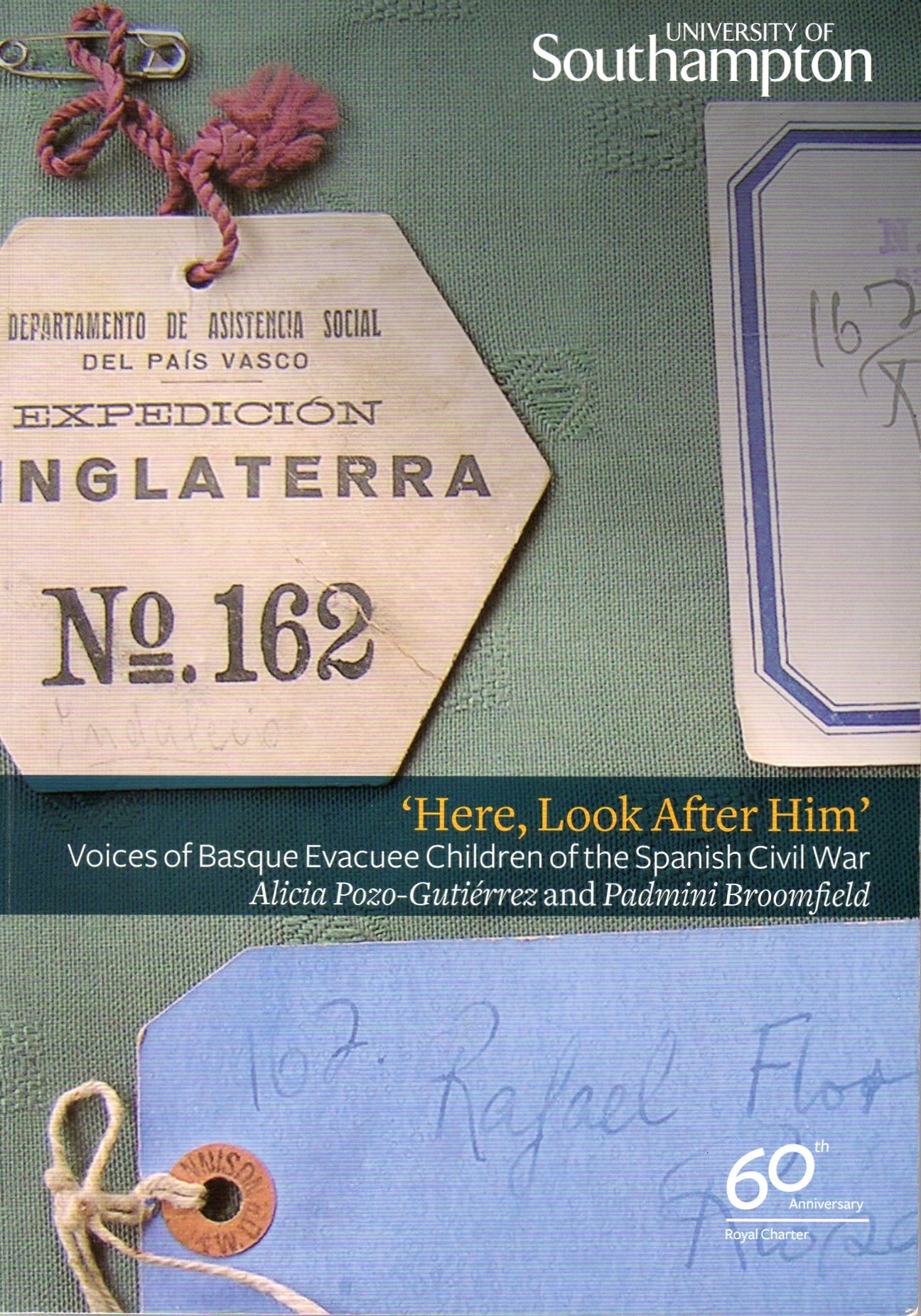
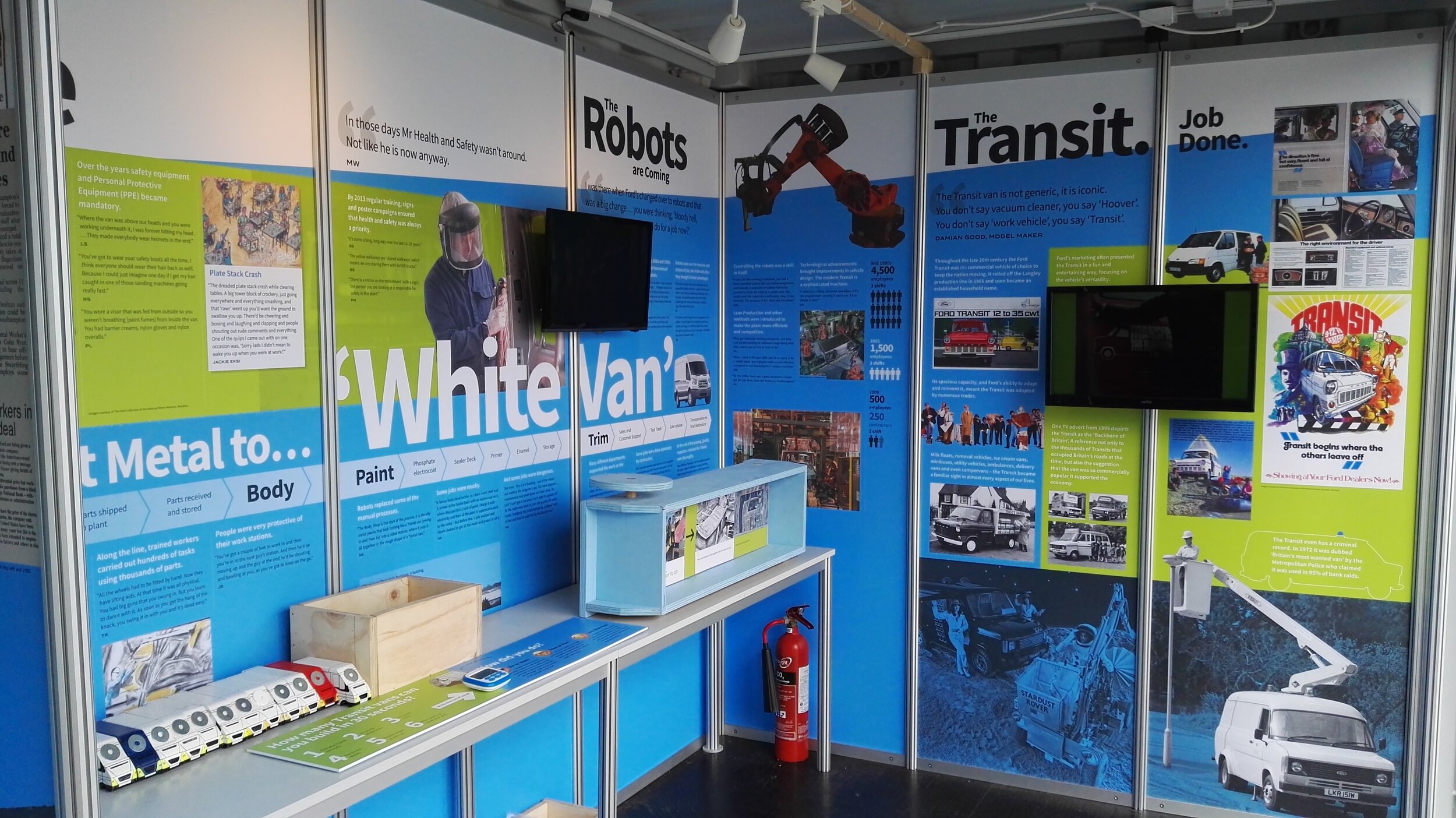
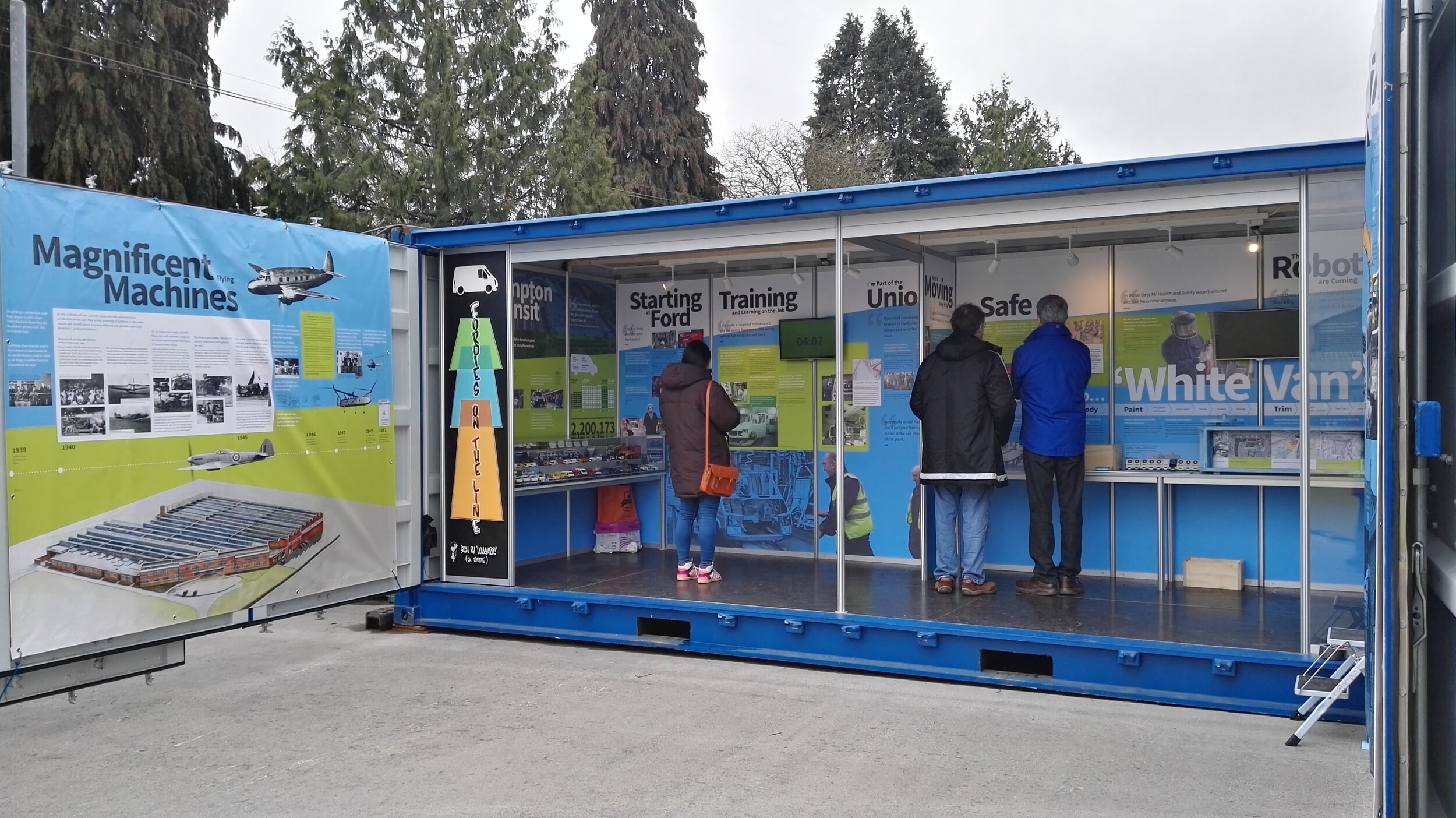
Padmini Broomfield is a freelance Oral History & Heritage Consultant. She has produced audio content for exhibitions at various museums in Hampshire and southeast England, based on her recordings with people working at the Southampton Ford Transit factory, Southampton Football Club, cruise liners and other local industries. She is co-author of Thorny’s: an oral history of Vosper Thornycroft shipyard Southampton and Here Look After Him: voices of Basque evacuee children of the Spanish Civil War.

Further Information and Additional Links
You can follow Padmini on Twitter @guptgargi, and contact her via her LinkedIn.
For further information on this topic, it is probably best to start on the Oral History Society website. However, we have also listed below, with the help of Padmini Broomfield, other useful links and publications.
Links:
Ford Transition Project
To watch the film, listen to oral history clips or download learning resources visit the website at: https://www.fordtransition.org.uk/‘Portal’
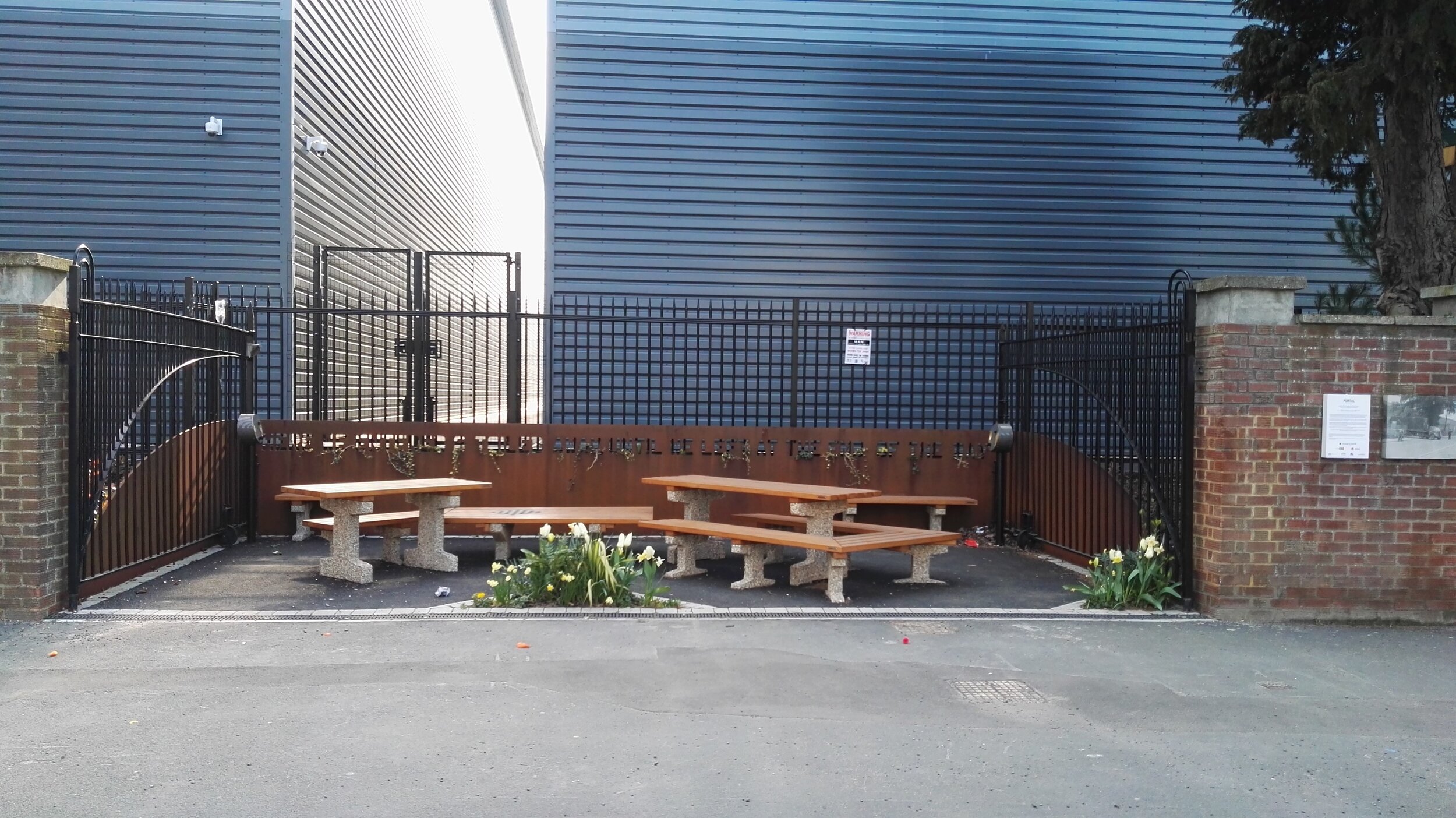
Public artwork on Wide Lane Southampton inspired by interviews with former Ford employees: https://aspacearts.org.uk/public-art/portal-southamptonLos Niños – child exiles of the Spanish Civil War
The project: https://www.southampton.ac.uk/ctns/projects/los_ninos.page
Online exhibition: https://www.southampton.ac.uk/archives/exhibitions/online/basques.pageMayflower 400 Southampton
Audio extracts from recordings of migration stories: https://mayflower400southampton.co.uk/events-and-workshops/oral-histories/SeaCity Museum Southampton
Exhibits, audio-visuals, sound posts and art installations using oral histories.
Publications:
Further publications & bibliographies at: www.ohs.org.uk/advice/publications/
Perks, Robert & Thomson, Al (eds.), The Oral History Reader, 3rd ed., London, Routledge 2016.
Ritchie, Don, Doing Oral History, 3rd edition, New York, 2015.
Thompson, P., with Bornat, J., The Voice of the Past: Oral History, fourth edition, Oxford, Oxford University Press, 2016.
Yow, Valerie Raleigh, Recording Oral History: A Guide for the Humanities and Social Sciences, 3rd ed. Alta Mira Press, 2014.

Intrigue in the New Forest Leads to a Mystery at Winchester Cathedral
Aisha Al-Sadie, Learning Officer at Winchester Cathedral features in the latest Hampshire HistBites podcast specially produced for this year’s Heritage Open Days festival.
1100 was an odd sort of year for some. William II had been King for a while, following the death of his father, William the Conqueror, but William II was not a good king, so might that explain this strange tale of mystery and intrigue.
Aisha Al-Sadie, Learning Officer at Winchester Cathedral features in the latest Hampshire HistBites podcast specially produced for the Heritage Open Days 2021 festival. She shares a strange tale that is full of mystery and intrigue. It is about a dead king in the New Forest and a tower at Winchester Cathedral. It will be up to you to decide if it was an accident or a murder!

Aisha Al-Sadie
Born in Scotland and graduating with a BA (Hons) Degree in Fine Art from Edinburgh College of Art, Learning Officer and Interim Curator Aisha Al-Sadie is passionate about Winchester Cathedral, an incredible building she has had the privilege of working in over the last three years. Do visit their website to discover more about the Cathedral - www.winchester-cathedral.org.uk
Regular listeners may remember Aisha as this is her second episode for Hampshire HistBites. She narrated an episode in season 3 called ‘Creatures and Kings: A Viking Tale’s Link with Winchester’. Do click on the link for Aisha’s full biography and to listen to that episode.
You can still enjoy many of our other Heritage Open Days events including our Edible England Exhibition and some of the festival films, interviews and tour. Click here to visit our YouTube channel.

Further Information and additional Links
To learn more about the fascinating history that involves Winchester Cathedral, check out their website here.
Additional for the Heritage Open Days 2021 Festival, you can watch and listen online to Aisha read her story ‘The Robin Who Came in From the Cold’.
If you enjoyed any of the festival episodes or events and want more, share what we are doing on social media or with your friends so we can continue to grow and offer you more episodes and events in the future.

The Heritage of Bell Ringing in Hampshire
We’re delighted to begin Season 5 with an episode created by Cathy Booth. Cathy helped launch HistBites in 2020, and so seems perfect she has returned to open our special festival season.
The singing of bells is a sound everyone has heard. But do you know about the captivating history of traditional bell ringing? Experts Chris Pickford, Elizabeth Johnson, and Micky Nadal join Cathy Booth to uncover never-before-heard tales and unique traditions on the historic profession. From the grand bells of Winchester Cathedral to smaller churches across Hampshire, every chime carries centuries of history with it. Discover their fascinating stories!
In this special Heritage Open Days 2021 festival podcast, our experts discuss what traditional bell ringing is - From the history of bell ringing to the role it has in the current era, our guests offer stories and information of the role bell ringing played in local communities and some of the challenges that it has faced in the past and why it holds a special place in the lives of bell ringers.

Cathy Booth
Cathy Booth is the wife and mother of bell ringers and hosts a podcast about it – Fun With Bells.
In her podcast, she has been delighted to meet bell ringers from across the world, who have many fascinating stories to tell, from performing lifesaving CPR in the tower to record-breaking feats and the imposition and lifting of the ban on ringing during World War II.
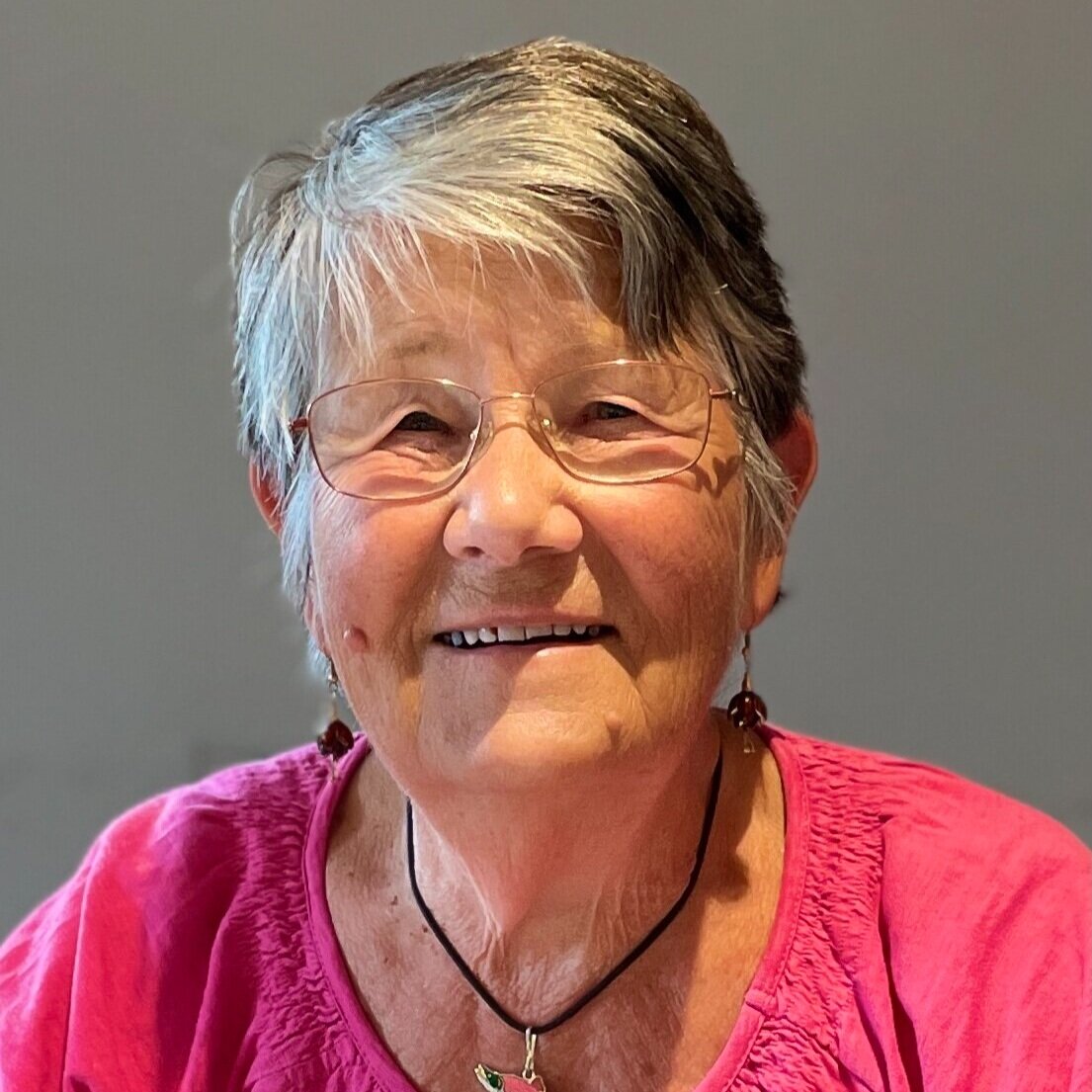
Elizabeth Johnson
Elizabeth Johnson started to ring as a teenager in 1956, took a break to bring up a family but has been ringing at St. John's, New Alresford since the 1980s.
She has rung 107 peals and nearly 800 quarter peals.
Elizabeth has been secretary and chairman of the Winchester District and President of The Guild of Medical Ringers.

Micki Nadal
Micki Nadal is the secretary of the Winchester District of The Winchester and Portsmouth Guild of Church Bell Ringers.
She comes from a bell ringing family in Wiltshire and her earliest recollections are of being told to sit still in towers and feeling sick on coaches on ringing outings.
She rang in London and, after a long break, returned to ringing in Hampshire when she stopped working.

Chris Pickford
Chris Pickford is a lifelong ringer who has been studying the history and heritage of bells for several decades. He was formerly the County Archivist for Bedfordshire.
Now in semi-retirement, he volunteers with the John Taylor Bellfoundry Museum and Archives at Loughborough.
Through lockdown, he was much in demand for online talks about the history of the bell founding industry and on ringing history.
Further Information and Additional Links
If bell ringing is something you are interested in taking part in, visit The Winchester and Portsmouth Guild of Church Bell Ringers website by clicking here.
If you enjoyed any of the festival episodes or events and want more, share what we are doing on social media or with your friends so we can continue to grow and offer you more episodes and events in the future.

The Spitfires in the ballroom at Hursley Park
A fascinating tale of extraordinary logistics, unvetted cooks, panelling from Winchester College and a butler walking in on secret meetings.
Everyone has heard of the Spitfire - one of the most successful aircraft ever produced and one of greatest iconic pieces of design. But how many of us knew they were designed in the magnificent setting of an oak panelled ballroom in an 18th century mansion?!
Join David Key as he shares fascinating stories about the Hursley Park near Winchester and the very important part it played in the Second World War when it was taken over by the ministry of aircraft production, and became the home for the design team from Vickers Supermarine, the Spitfire manufacturers. A fascinating tale of extraordinary logistics, unvetted cooks, panelling from Winchester College and a butler walking in on secret meetings.

The Supermarine staff at Hursley Park in 1943

David Key
David Key has a long-standing passion for local history in Hampshire and has been the voluntary site historian at Hursley Park for several years. In this role, he’s carried out wide-ranging research on Hursley Park’s incarnations as a grand country estate, wartime hospital, design facility for Vickers Supermarine and most recently as a development laboratory for technology company IBM.
Further Information and Additional Links
If you enjoyed this podcast and would like to find out more about the very important work of the Supermarines or the rich history of Hursley Park, follow @Supermariner and @hursleypark on Facebook.
This is the final episode of Season 4! We will be back with Season 5 during the Winchester Open Days Festival on the 10th of September.
If you enjoy the episodes we make, please tell a friend, share your thoughts on social media or leave a review on your podcasting app so we can continue to grow. Thank you for your support!

Matilda of Boulogne; a bold and valiant leader
Join us as we discover the incredible story of the other Matilda in Winchester.
Queen Matilda, otherwise known as Matilda of Boulogne, was arguably one of the most important English queens of the twelfth century. However, she seems to be overshadowed by, and sometimes even confused with, her cousin, the Empress Matilda, who opposed King Stephen during the civil war period known as the Anarchy.
The Queen played an intrinsic role during this time, actively working alongside Stephen to defend his position and the kingdom. Through her efforts, she proved herself to be an effective leader, being responsible for turning the favour of the civil war back towards Stephen at the Rout of Winchester (1141).
Following on from our previous episode, Warfare in Winchester: Empress Matilda’s Last Stand, we now turn to Queen Matilda to view the Rout of Winchester from her perspective. Join Catherine Capel as she considers the role the Queen played as a military leader at the Rout as well as her representation as a ruler within contemporary chronicles.
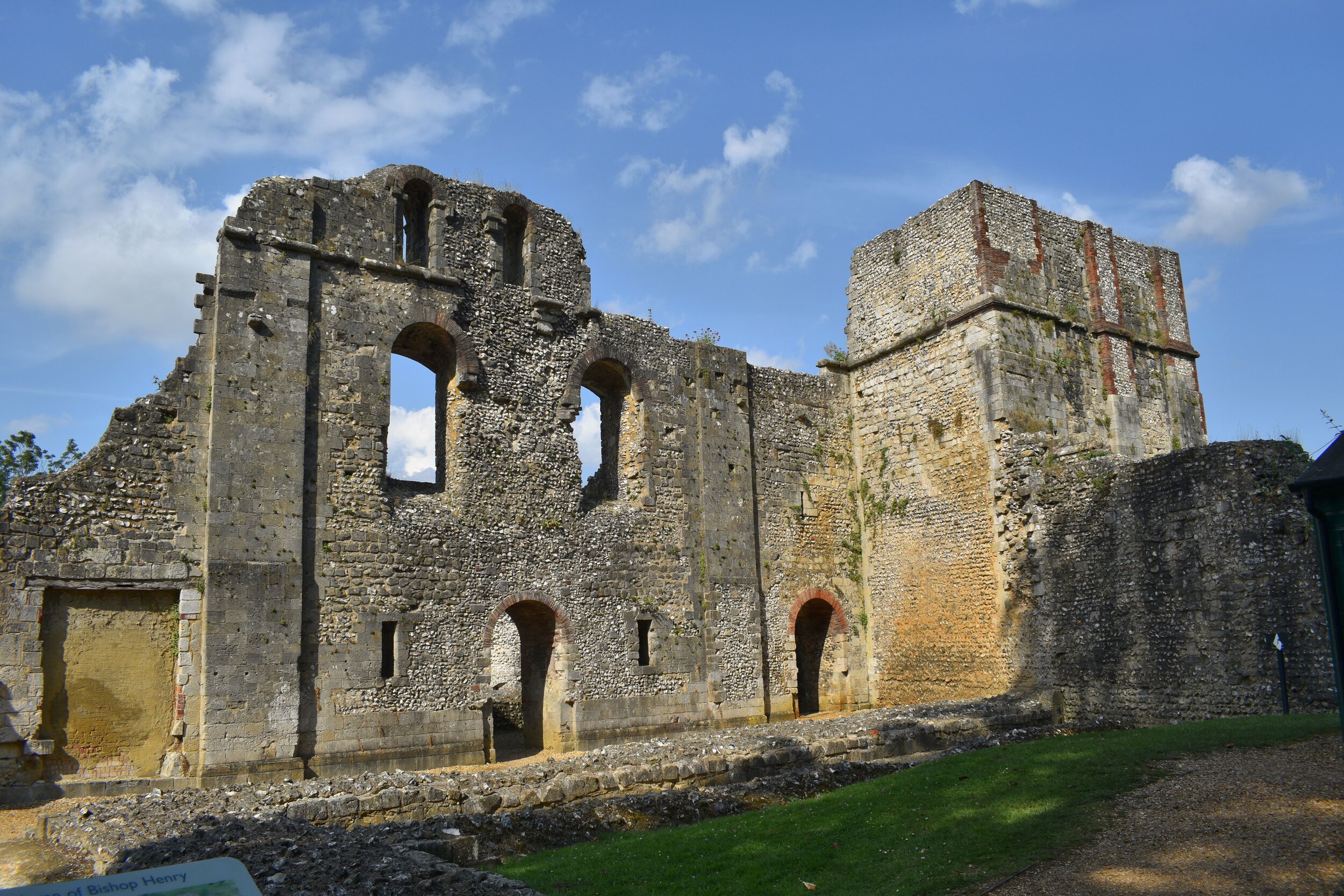
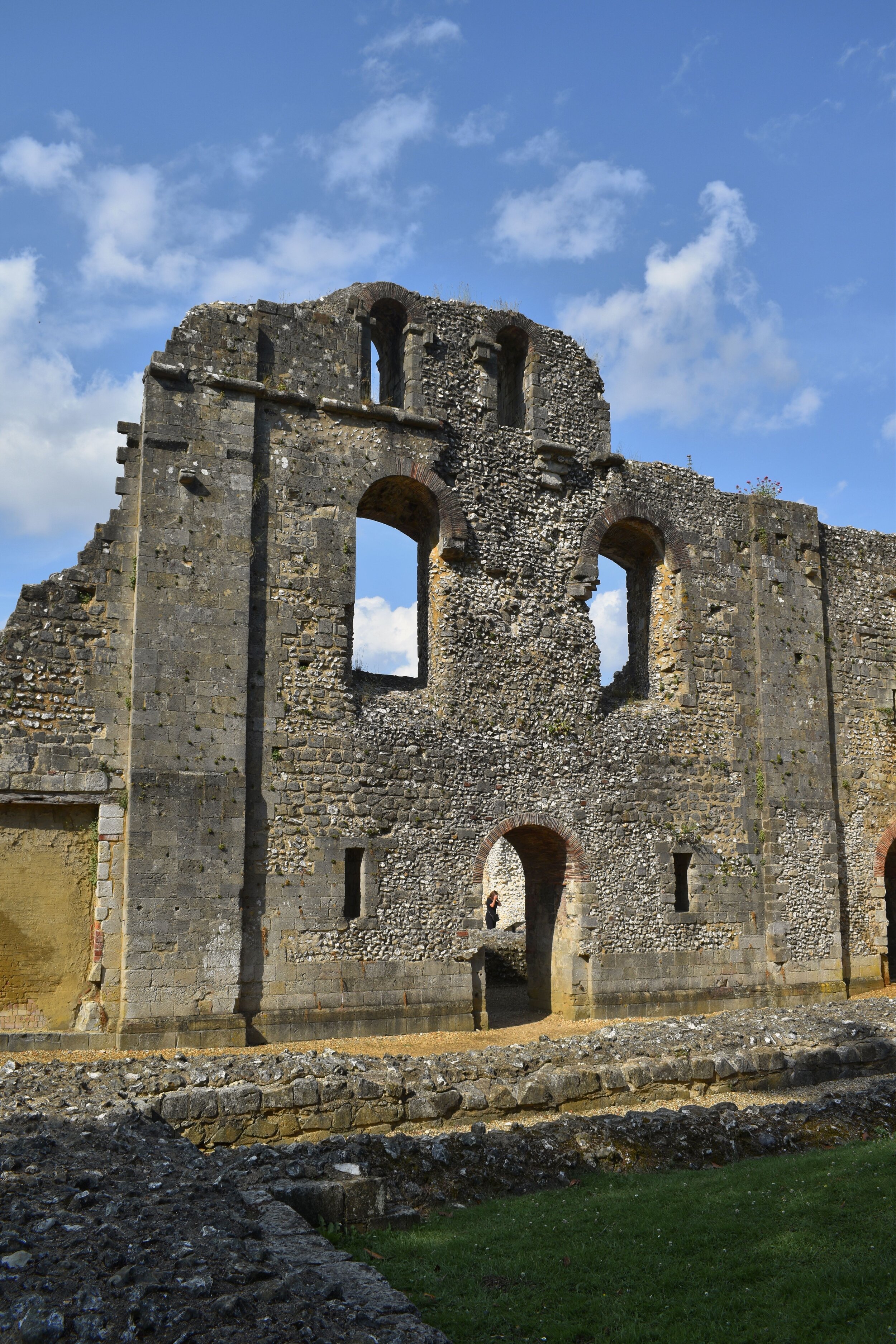
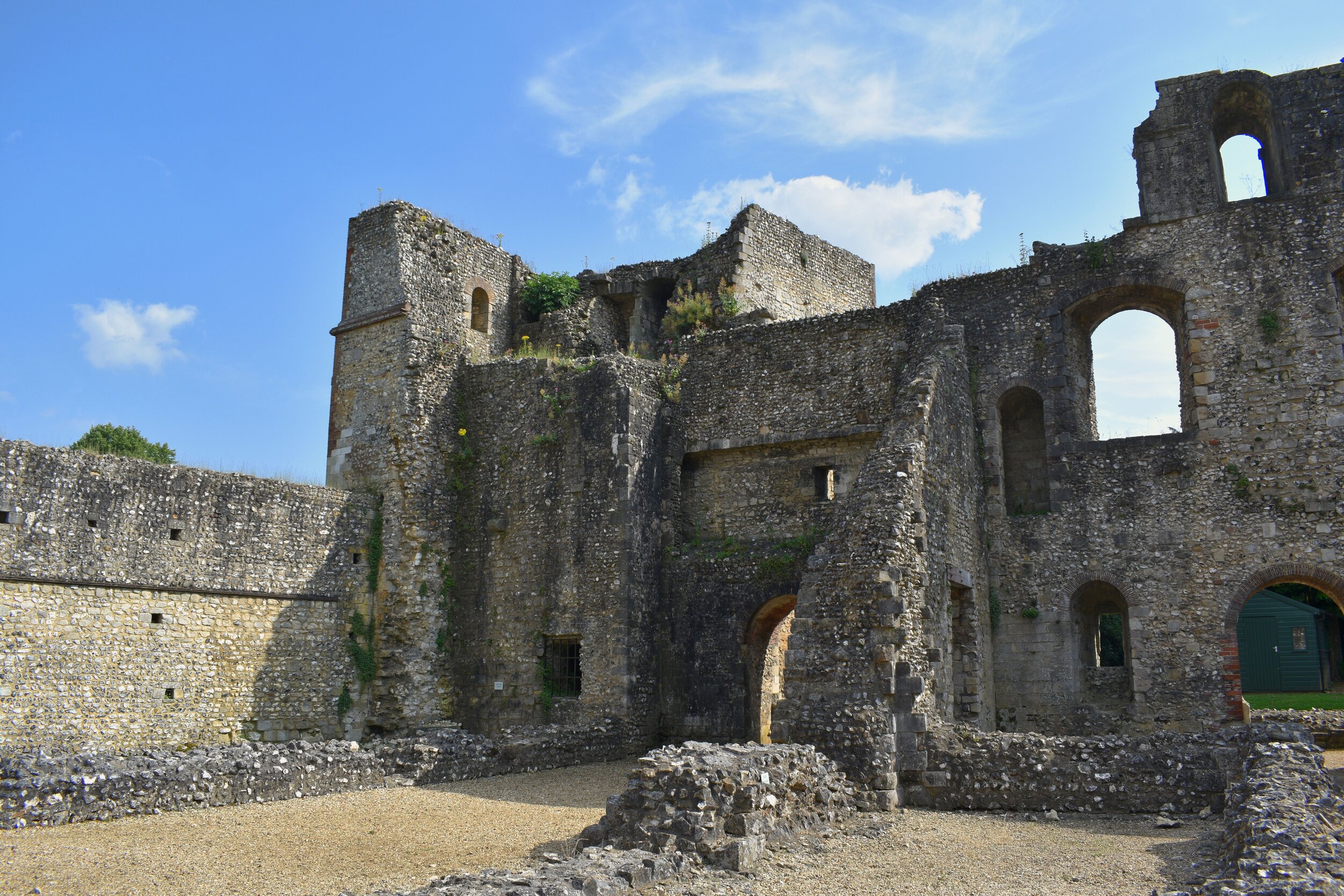
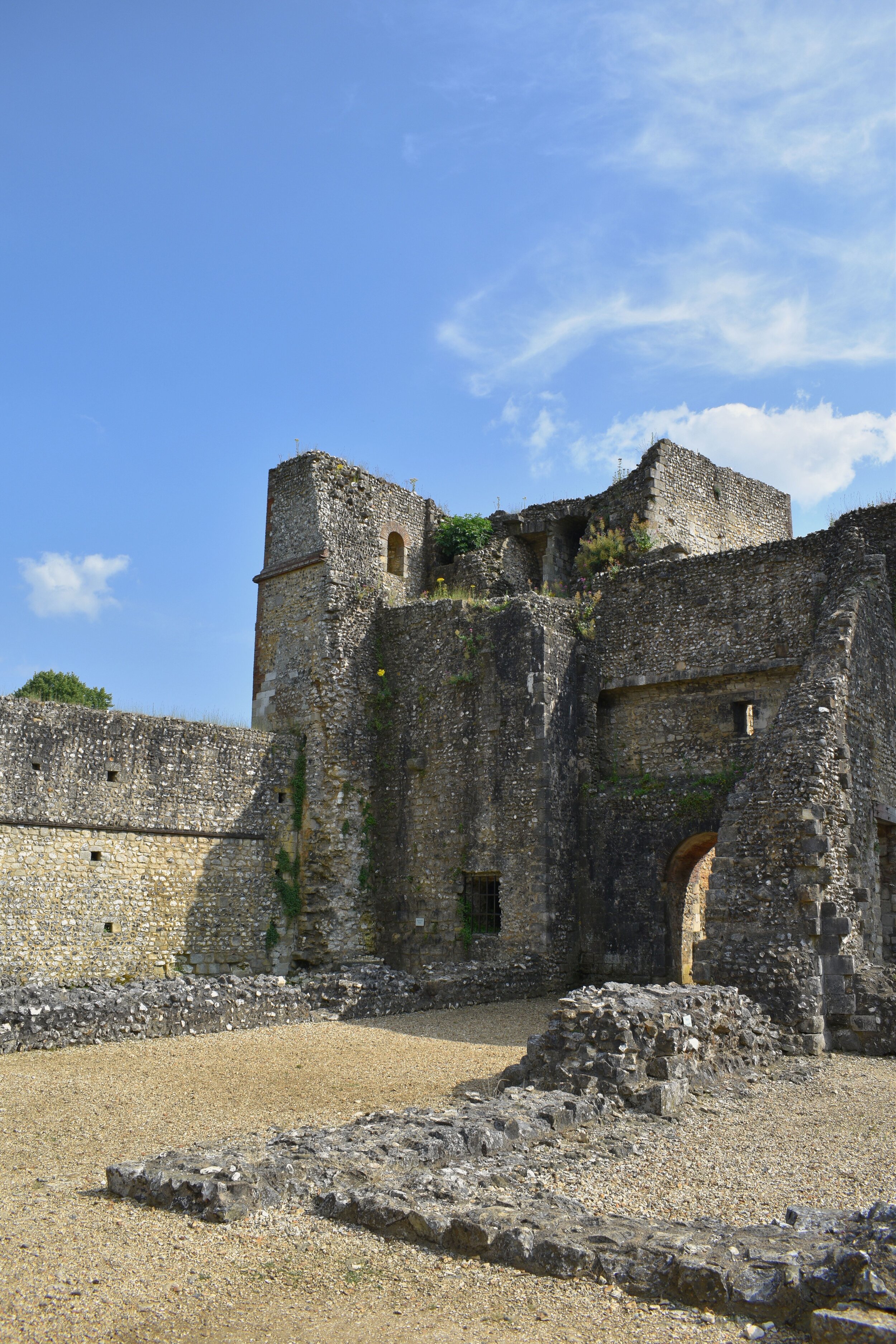
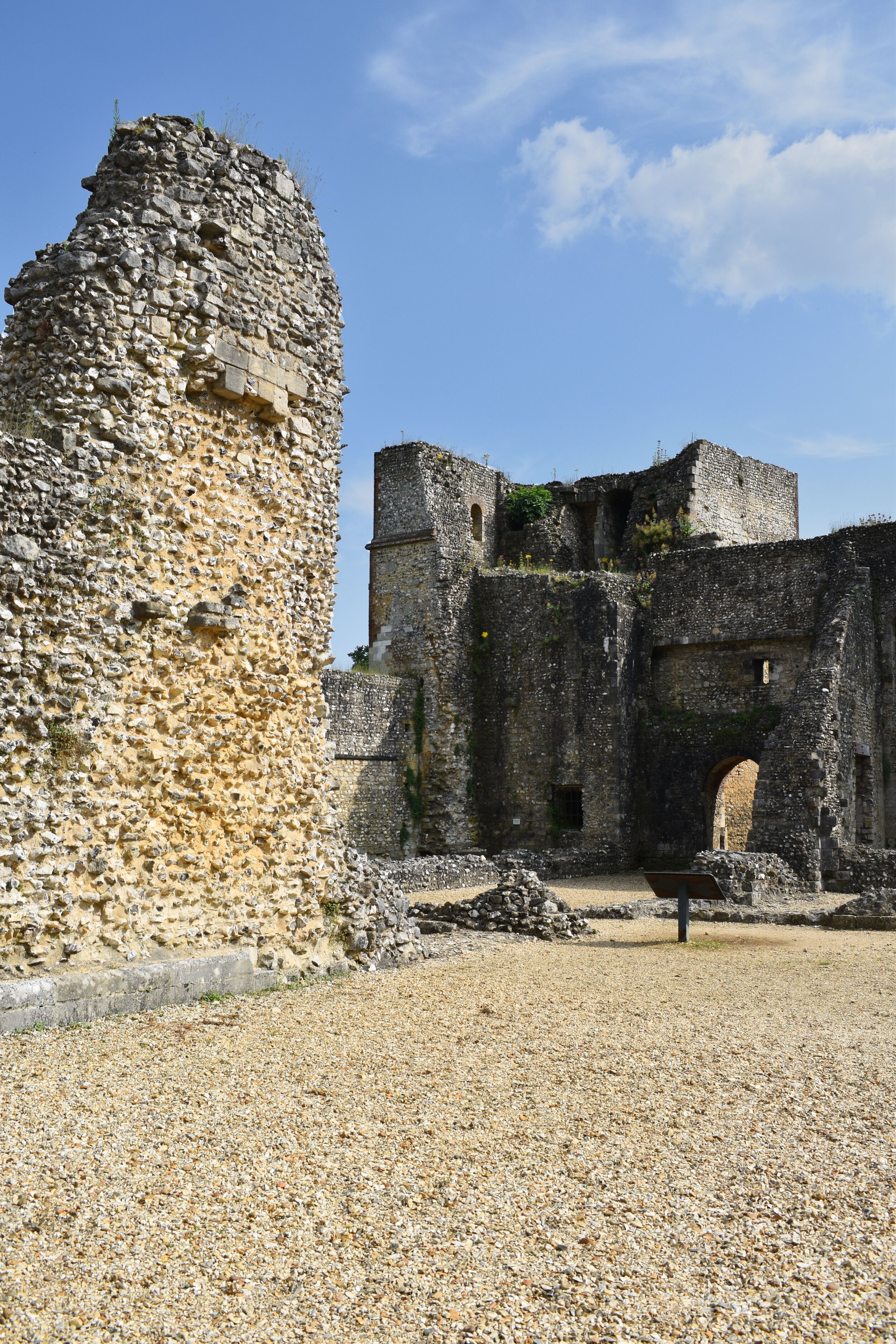
Images of Wolvesey Castle, where the Rout of Winchester took place
Catherine Capel
Catherine may be familiar to those of you who have been listening to our episodes for some time. She hosted an episode titled ‘Warfare in Winchester: Empress Matilda’s Last Stand’, in which Catherine describes the circumstances that brought Empress Matilda to Winchester.
Catherine Capel is in her third year of a full-time PhD at the University of Winchester, which she was awarded in 2018 as a full studentship. Her primary research interest focuses upon the participation and motivation of elite Anglo-Norman women in warfare, but she is also interested in notions of female power and reputation.
Further Information and Additional Links
If you enjoyed this episode, be sure to check out our previous episode: Warfare in Winchester: Empress Matilda’s Last Stand.