

Dark Gold: The Lifeblood of Early Modern Europe
In our final podcast of 2021, Andy Silen-McMillin joins Holly Marsden to trace the journey of chocolate across early modern Europe and its many uses as a product. It’s the perfect pre Christmas listen!
In our last episode on chocolate and our final one of the current season, Andy Silen-McMillin joins Holly Marsden as they trace its journey across early modern Europe and its many uses as a product.
When most people think of chocolate today, they think of hot chocolate or chocolate bars. However, did you know that it was once used as an aphrodisiac? Holly Marsden and Andy Silen-McMillin explore the recipes, uses, and products made with chocolate.
For kings and queens in early modern Europe, chocolate was power, and power was everything. Discover how this fascinating link developed!
Until the 16th century, Europeans were unaware of the cocoa bean’s existence. Everything changed when Spanish conquistador Hernán Cortés brought chocolate back to Spain in 1528. Afterwards, demand for chocolate exploded across Europe. From Moctezuma’s grand palace in Tenochtitlan to noble halls across Europe, Holly Marston and Andy Silen-McMillin trace the spread of chocolate and how people used it. The story of chocolate is the story of humanity at the time; slaves cultivated it, traders made riches from it, nobility consumed it, and everyone else coveted it. When Holly and Andy explore the reasons for its popularity, it’s easy to see why this is the case.
Further Links and Resources
This episode is the last of a three-part series on chocolate by members of #TeamQueens and you can find the first two episodes in this series in our HistBites episode library.
If this three-part series has inspired you to learn more about the history of chocolate, then why not check out these articles: History of Chocolate, Chocolate's Sweet History, How Europe went cuckoo for cocoa and Smithsonian’s A Brief History of Chocolate.
And if you’re curious about the work of #TeamQueens, why not check out their website and read about their research on all things queens.
Please note the HistBites team are taking a break over Christmas and January, but plan to return with a brand new season in February 2022. Already lots of podcasts have been recorded but if you know of a great Hampshire story or are a Hampshire based historian with a national or international story to share, do get in touch. We’d be delighted to hear from you, and maybe your story will appear in the first season of 2022.

Dark Gold: A Drink for Doctors and Kings
In episode two of this series, Holly Marsden joins Johanna Strong in uncovering the demand for chocolate in early modern England. We’ll hear of the importance of chocolate as a symbol of power and prestige for kings and queens - and of the darker elements behind its arrival in Stuart England.
Join us as we trace the fascinating journey of chocolate in the 17th, 18th and 19th centuries - from its arrival - not without issue - on Hampshire shores, to its place at the very centre of Stuart royal life. Guided on our way by Holly Marsden, a specialist on the life and times of Mary II, we hear how the Queen placed this bittersweet substance at the heart of her work to reshape the English Court, both physically and in terms of the ritual and image-making that projected power and prestige.
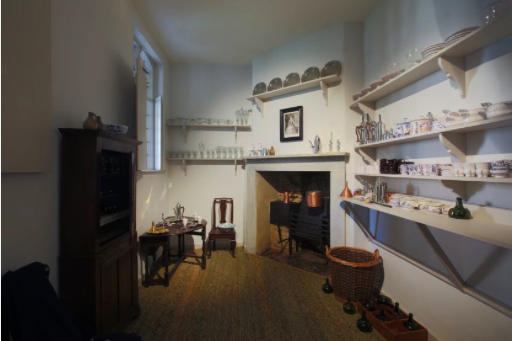
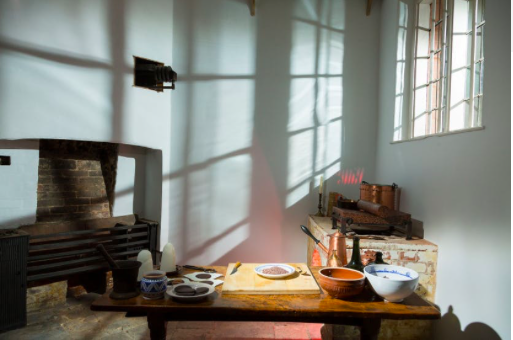
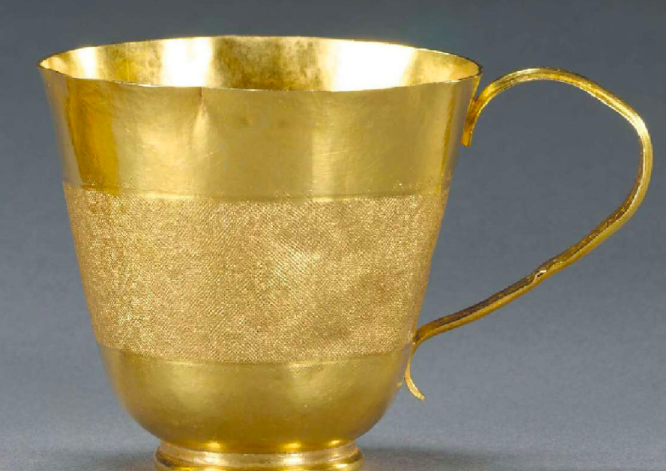
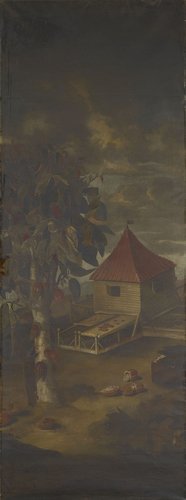
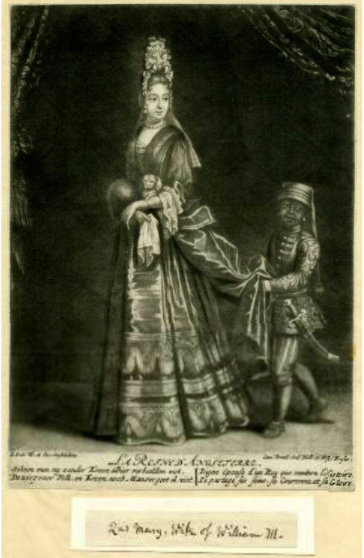
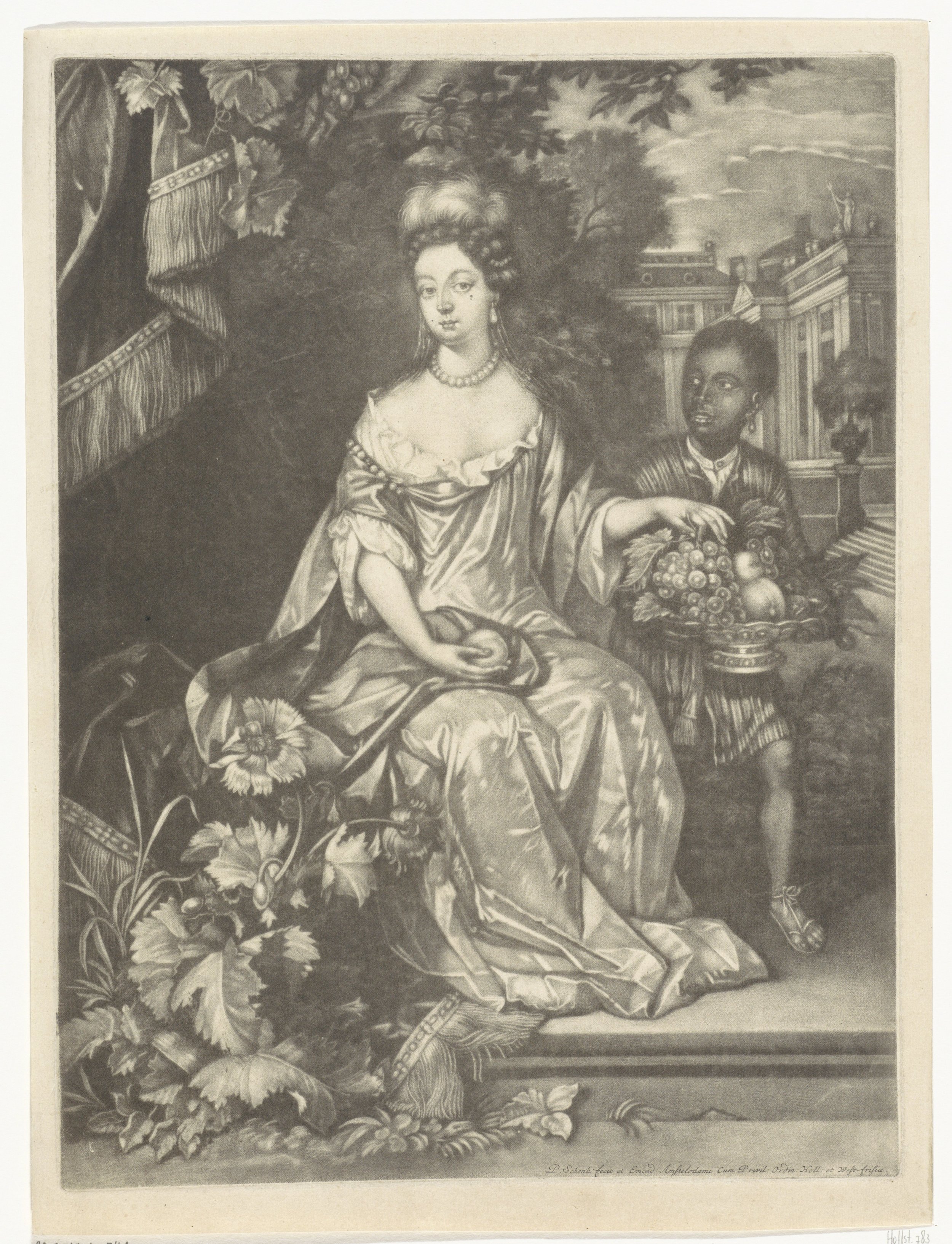
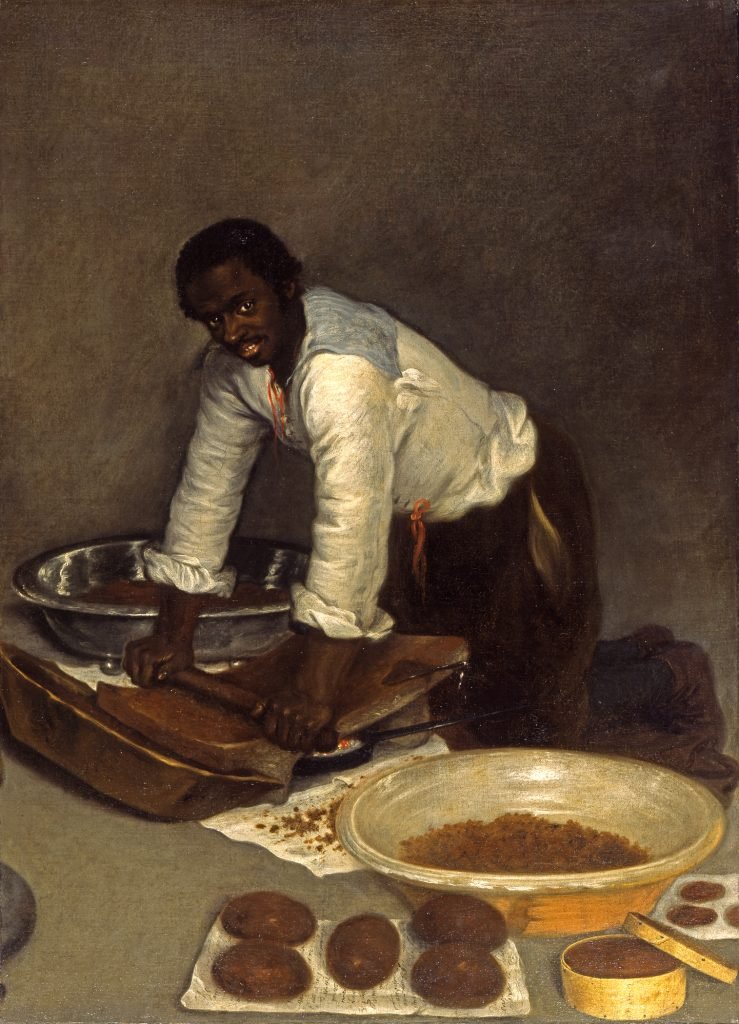
Starting in a series of rooms devoted to chocolate at Hampton Court Palace, a story emerges of Mary’s close attention to the potential of chocolate in expressing extravagance and exoticism, showcasing the success of empire and colonisation during this period. The Queen worked closely with Christopher Wren to ensure the ‘chocolate kitchen’ was at the literal centre of the Palace, right beneath the King’s apartments. The rich smells associated with its preparation, mixed with spices and the scents of refined horticulture nearby, contributed to a sensory overload that projected success, sophistication and modernity. But there was a darker side: this splendour came at the cost of considerable exploitation, and interacted closely with the triangular slave trade underway during this period- as contemporary portraiture shows.
Digging behind this fanciful, and far from flawless, facade, we sift through fascinating references in Samuel Pepys’ diaries to drinking chocolate after a night of heavy merrymaking; its source of worry to royal physicians; and, perhaps inevitably, the way in which it attracted the attention of the tax man. Some things never change... but listen in, and you might find more than a few things to surprise you in the history of this sugary treat!
Johanna Strong is a PhD student at the University of Winchester under the supervision of Dr Ellie Woodacre and Dr Simon Sandall. Her thesis examines the way in which Mary I’s legacy was posthumously created and how this legacy was perpetuated into the Hanoverian period. She’s a contributor to the Team Queens website, a digital global queenship project, and her research has been featured on a variety of platforms, including guest blog posts, podcasts (including Hampshire Histbites’ previous seasons!), and talks with History Indoors, an online history collective. Johanna is also looking forward to the publishing of her chapter in Valerie Schutte and Jessica S. Hower’s Writing Mary I: History, Historiography, and Fiction, expected for late 2021.
Holly Marsden is a second year AHRC Collaborative Doctoral Partnership student at the University of Winchester and Historic Royal Palaces, also working with National Portrait Gallery and Royal Museums Greenwich. Her thesis examines the multiple identities of Mary II and her wider research interests include global queenship, histories of sexuality and gender, art history and pop culture.
Further Resources and Links
If you want to know more about how chocolate came to court, then why not watch this YouTube video:
How Chocolate Came to Court
Below you can find suggested articles and websites which discusses royal connections and chocolate in Hampshire:
The Royal Chocolate House, Greenwich - A brief history of chocolate houses.
Chocolate Fit for a King - History and stories from Historic Royal Palaces.
Archives and collections in connection with slavery - Here you can have a look at items relating to slaves and slavery in Hampshire.
Great British Bake-Off: Queen Anne's Chocolate Puff Challenge - Inspired by Finals Week on GBBO, the curators at Historic Royal Palaces were inspired to create their own technical challenge. Read about it in their blog.
If you’re curious about their work as part of #TeamQueens, why not check out their website and read about their research on all things queens.
And if you want to do some further research on your own, Holly Marsden has kindly created a bibliography which you can download:
Dark Gold: Bringing Chocolate from Mesoamerica to Europe
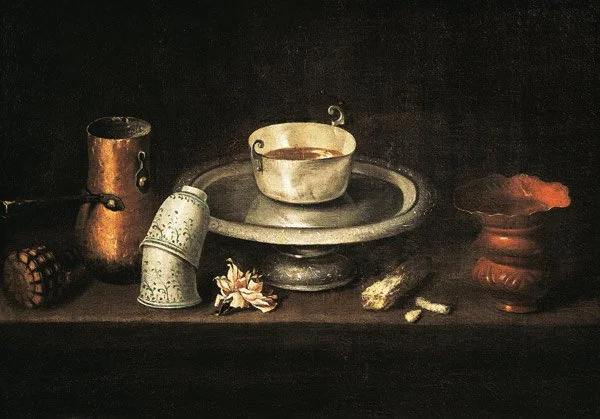
When Europeans discovered chocolate in 16th century Mesoamerica, desire for this delicacy exploded back home. However there was a cruel side to chocolate, first of three episodes on chocolate, we learn the methods used by Europeans to meet chocolate demands.
It’s that time of the year when Terry’s Chocolate Oranges and tins of Quality Streets are lining the shelves – but how much do you really know about the history behind chocolate?
In the first of a three-part series, join Dr Gabrielle Story and Johanna Strong as they explore the historical production process and chocolate’s journey to Europe. This episode sets the scene ahead of two subsequent episodes which will expand upon this topic to consider the history of chocolate in Hampshire, the use of chocolate in early modern court life, and different historical recipes and uses of chocolate.
CONTENT WARNING:
Please note that this episode will contain discussions of sensitive topics including enslavement and acts of violence. Any history of the development and production of chocolate must consider the impact it had on indigenous populations and how enslaved labour was exploited. This material may be distressing to some listeners, there is a transcript available if you would like to read this episode instead
Johanna Strong is a PhD student at the University of Winchester under the supervision of Dr Ellie Woodacre and Dr Simon Sandall. Her thesis examines the way in which Mary I’s legacy was posthumously created and how this legacy was perpetuated into the Hanoverian period. She’s a contributor to the Team Queens website, a digital global queenship project, and her research has been featured on a variety of platforms, including guest blog posts, podcasts (including Hampshire HistBites’ previous seasons!), and talks with History Indoors, an online history collective. Johanna is also looking forward to the publishing of her chapter in Valerie Schutte and Jessica S. Hower’s Writing Mary I: History, Historiography, and Fiction, expected for late 2021.
Dr Gabrielle 'Gabby' Storey is a historian of medieval queenship, gender, and sexuality, specialising in the Angevin royal women of the twelfth and thirteenth centuries. She is the founder of Team Queens, a digital global queenship project, and has taken part in several podcasts including the BBC's 'You're Dead To Me'. She is currently working on a biography of Berengaria of Navarre, queen of England, and a monograph based on her PhD research which was a comparative study of Angevin royal women and co-rulership.
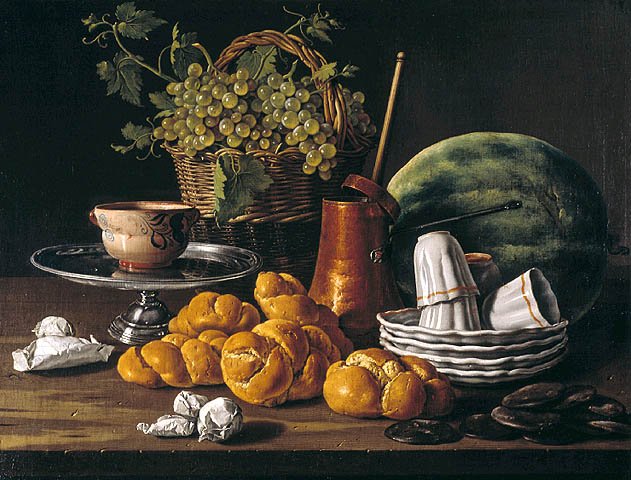
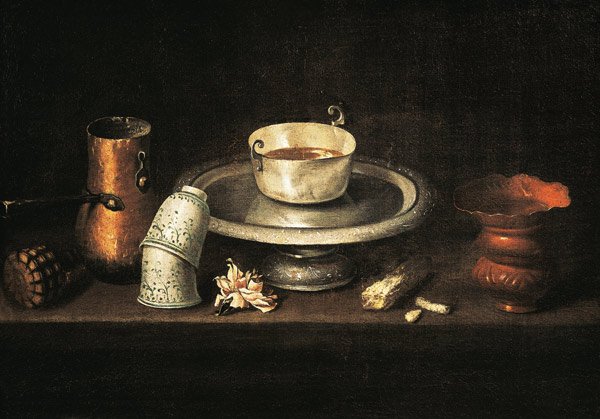
Further Resources and Links
When Europeans discovered chocolate in 16th century Mesoamerica, desire for this delicacy exploded back home. In the podcast Johanna Strong and Dr Gabrielle Story explore the cruelty of the methods used by Europeans to meet these demands. If you want to learn more about chocolate, why not check out these articles: History of Chocolate, Chocolate's Sweet History, How Europe went cuckoo for cocoa and Smithsonian’s A Brief History of Chocolate.
Jo and Gabby also recommend these two books if you want to delve further into the world of chocolate:
Louis E. Grivetti, Howard-Yana Shapiro, eds., Chocolate: History, Culture, and Heritage (2009)
Mara P. Squicciarini and Johan Swinnen, The Economics of Chocolate (2016)
If you’re curious about their work as part of #TeamQueens, why not check out their website and read about their research on all things queens.
You can find previous HistBites episodes with Gabby and Jo in our episode library.

Hampshire Ramblers’ Fight to Preserve our Paths
The UK’s historic walking trails have been used for millennia. Roman sandals have walked the same paths as modern trainers. But these routes are in danger of disappearing forever. Join Peter and Paul from the Hampshire Ramblers to learn how they’re being saved!
Don't Lose Your Way UPDATE
Good news! On 16th February 2022, the UK government announced that the 2026 deadline of registering historic paths is to be abolished in England - this means there is no immediate pressure to register these Rights of Ways. This will ease the pressure on the volunteers working on the project and will help ensure that most paths are recorded and protected for future generations.
Read more about what this means for the project on the Hampshire Ramblers website.
The UK’s historic walking trails have been used for millennia. Roman sandals have walked the same paths as modern trainers. But these routes are in danger of disappearing forever. Join Peter Cresswell and Paul Howlands from the Hampshire Ramblers to learn how they’re being saved!
2026 represents the deadline for retracing and reclaiming lost paths, and old rights of way, that have since dropped off the (latest) map in England and Wales. In this episode, we hear from two volunteers leading the effort to uncover what has been lost, and restore the rights of way to the map before time runs out. The project, ‘Don’t Lose Your Way’, aims to bring a nationwide community of volunteers together to review old maps of England and Wales, spot historic rights of way that no longer appear on the most modern plans, and support applications to have these ‘lost paths’ restored and preserved for posterity.
With a 2026 Deadline (instituted by the 2000 Countryside Rights of Way Act), the clock is ticking for this crucial work. But as we hear, there’s more to this than rushing to reclaim every path: prioritising which paths we look at matters - as does taking account of changes that have occurred over time - where development has blocked a way, for example, diversion is an important option today. Listen-in for a great guide as to where to start finding paths, what to consider when scanning the map and then, if you’re keen, how you too can lend a hand!
Alongside hearing about the project and its processes, we take a look back at how walking has helped us connect with our past throughout history and how our rights of way have been recorded in different types of sources over time. Sources like Tithe Maps are things of beauty in themselves and we hear first-hand how leafing through these documents allows us quite literally walk through time, witnessing the growth of towns, seeing local industry come and go and tracing changes in landscape, society and government in each evolution.

Discover more
Peter Cresswell (pictured) is Hampshire born and bred, having grown up in Bishopstoke and only having moved as far as Fareham. He is the Area Publicity Officer for the Hampshire Ramblers, which oversees all the county’s individual Ramblers groups, including the age-targeted groups like the Hampshire 20/30s Walking group, of which Peter is currently the youngest Area Committee position-holder.
Peter is passionate about dispelling the myth that the Ramblers is just for the retired, and is keen to get more younger people into walking, appreciating the natural world around us and enjoying both the physical and mental health benefits walking can bring. He has a long-held passion for the outdoors, the environment, history and literature as well as being in, and experiencing it… Whether that be a quiet walk along a wildlife-filled canal in Titchfield, walking in the footsteps of Charles II along the Monarchs way or seeing and experiencing the same things that - who knows? - may have influenced Jane Austen.
Paul Howland is a volunteer contributor to the ‘Don’t Lose Your Way’ project. He grew up in the Chilterns (Buckinghamshire) and has always been a keen walker. He moved to Andover in Hampshire in 1986 and has worn out many hiking boots walking the ancient paths that criss-cross this history-laden county. Paul joined the Ramblers around 1995 and was the Andover Ramblers Group footpath secretary between 2000 and 2005, before he started working on the Ramblers Don’t Lose Your Way project in November 2016. He has so far investigated 515 routes and made Definitive Map Modification Order Applications for 186 of them. His favourite walking places are the Himalayas where he met his wife, the Alps where his in-laws live, the White Mountains in Crete and much of this green and pleasant England he calls home.
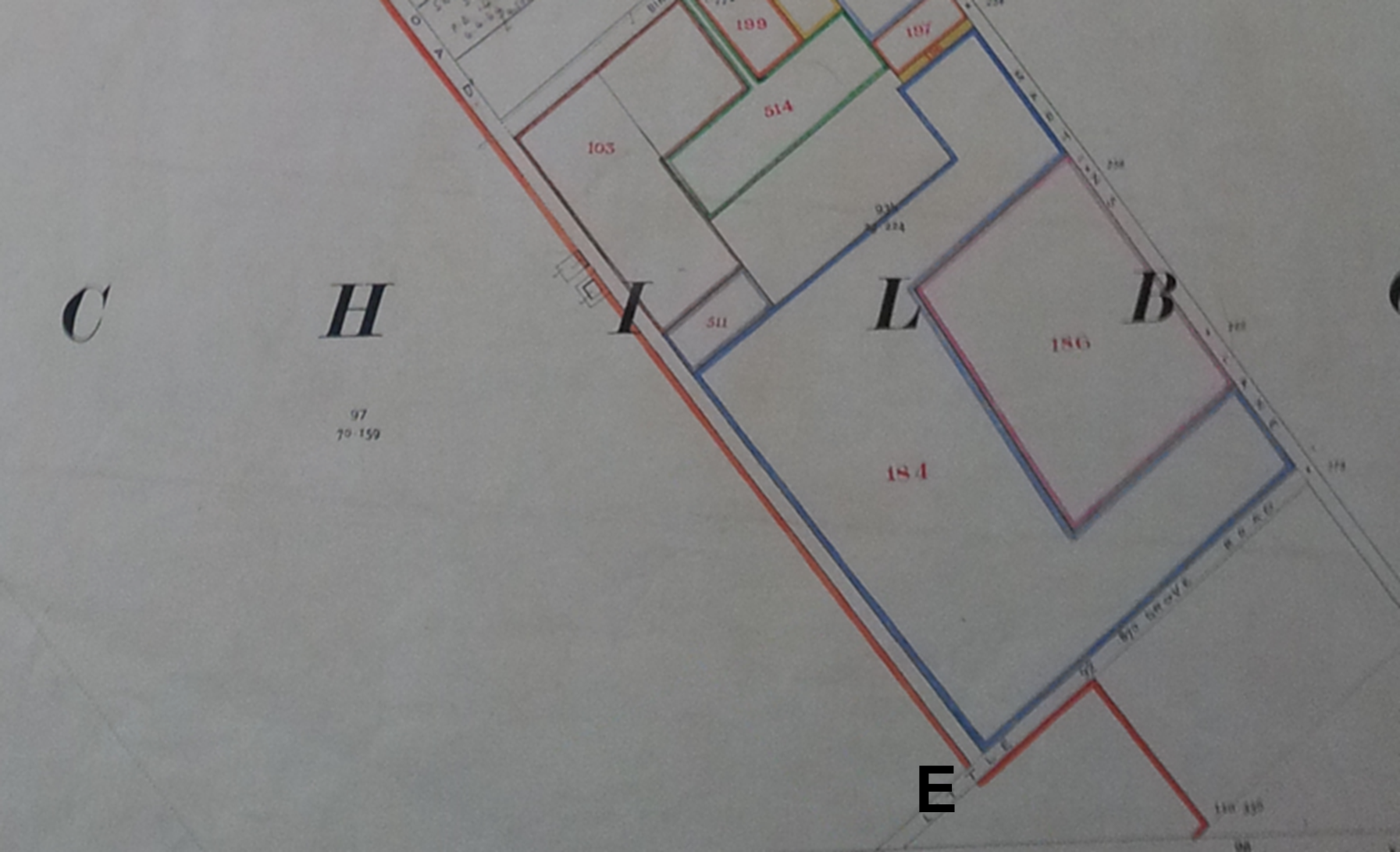
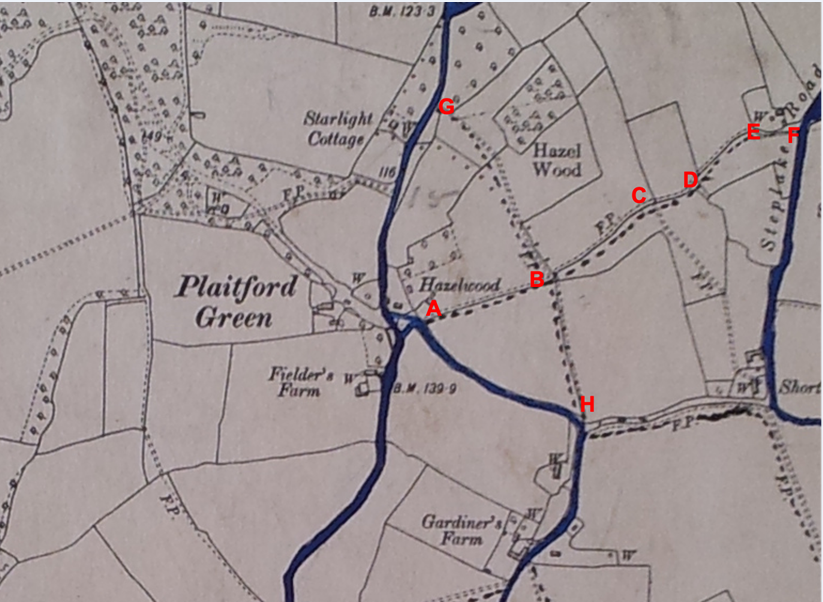
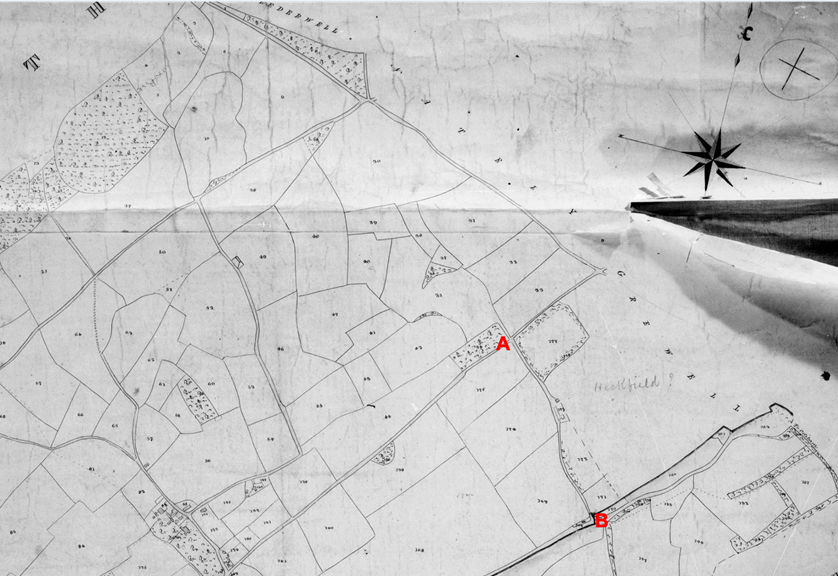
“Protecting these lost ways is important because if we lose them, we lose a connection to the past”
Further Resources and Links
Some advice from Paul Howland:
“The key to a successful application for a lost public right of way (PROW) is to show on the balance of probability the accumulated evidence confirms the likelihood of a particular route being a PROW.
When researching a route, its history unfolds, often providing tantalising glimpses into the lives of the people who used or owned them over the previous centuries. Their struggles, their work and their way of life. These fragments of the landscape also reflect the national and international challenges facing the political classes. How to raise more tax (Finance Act), how to cope with poor roads (Turnpike Act), how to respond to the motor car and tarmacadam and how to improve agricultural efficiency (Enclosure acts).
Having researched over one hundred lost ways, never again will I walk through the Hampshire landscape without pausing occasionally to think of the people who trod these routes or travelled them in their carriages. They, after all, made us what we are today.”
Why not explore the Ramblers ‘Don’t Lose Your Way’ project website, where you can sign up and also access maps to help you identify lost paths.
More old maps can be accessed at https://www.oldhampshiremapped.org.uk and https://maps.nls.uk
You can also visit the Hampshire Ramblers home website or have a look at their Hampshire 20s and 30s Walking Group.
If you’re on Facebook, just search for ‘Hampshire Ramblers’ or “Hampshire 20&30sWalking Group” for more information.
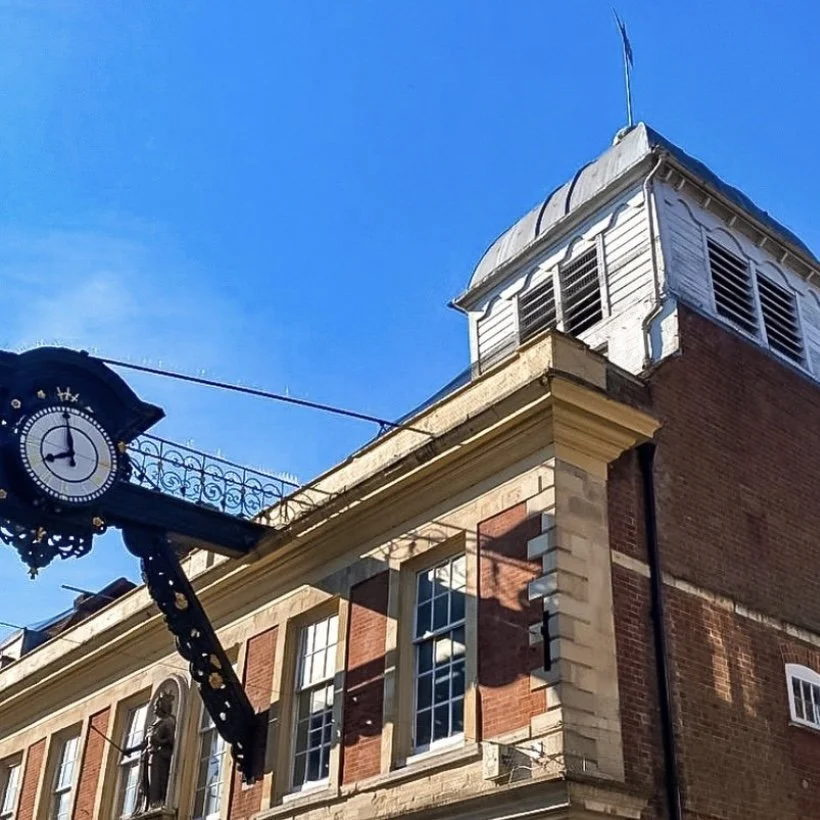
A Story Around Every Streetcorner: Explore Winchester's Vibrant History
Winchester is a city immersed with history, no matter where you look there is a past to discover and thanks to Instagrammer Miss Winchester we can discover its fascinating hidden history together
Winchester is a city immersed with history, no matter where you look there is a past to discover.
Instagrammer Miss Winchester has made it her duty to reveal fascinating hidden history behind objects and places throughout the old city.
Winchester is an old city filled with a rich and exciting history, echoes of the past can be seen all around as you walk through its streets - if you only know where to look. Join Instagram blogger Miss_WinchesterUK as she highlights some of the unusual facts throughout the city: discover where you can walk in the footsteps of royals; what curious rhyme you can find on a gravestone at the Cathedral and where you can hear the whispers of a ghost.
“Let’s Explore Winchester Together”

Miss_WinchesterUK is a Winchester based blogger on Instagram. Enthralled by her home city, she writes about everything happening in Winchester including food and drink, fitness, activities, shops, the past and most importantly the people. She uses the tagline 'Let's Explore Winchester Together’ as she enjoys sharing the love of her city with her followers.
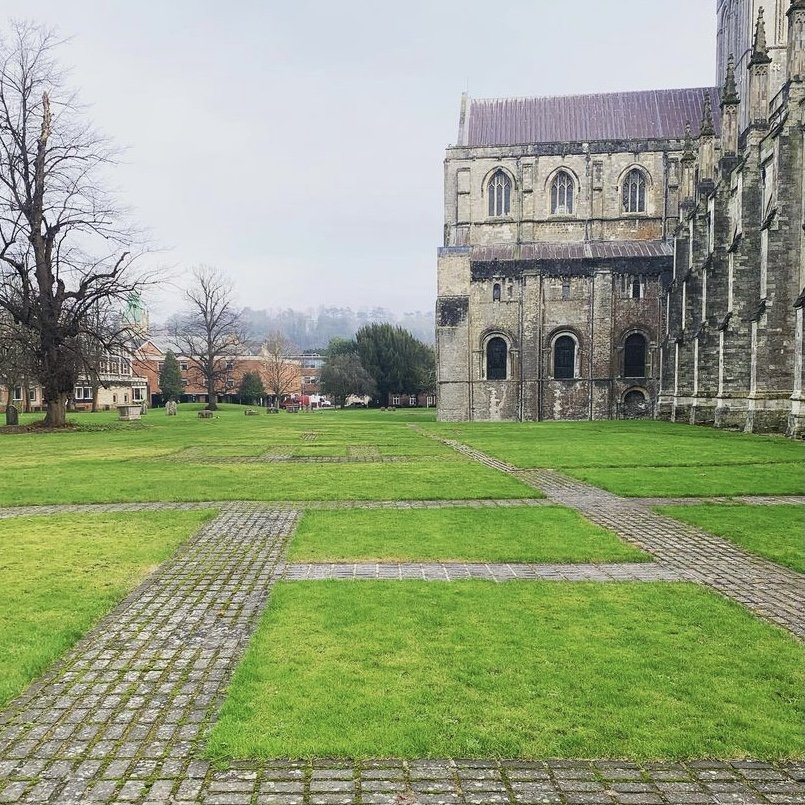
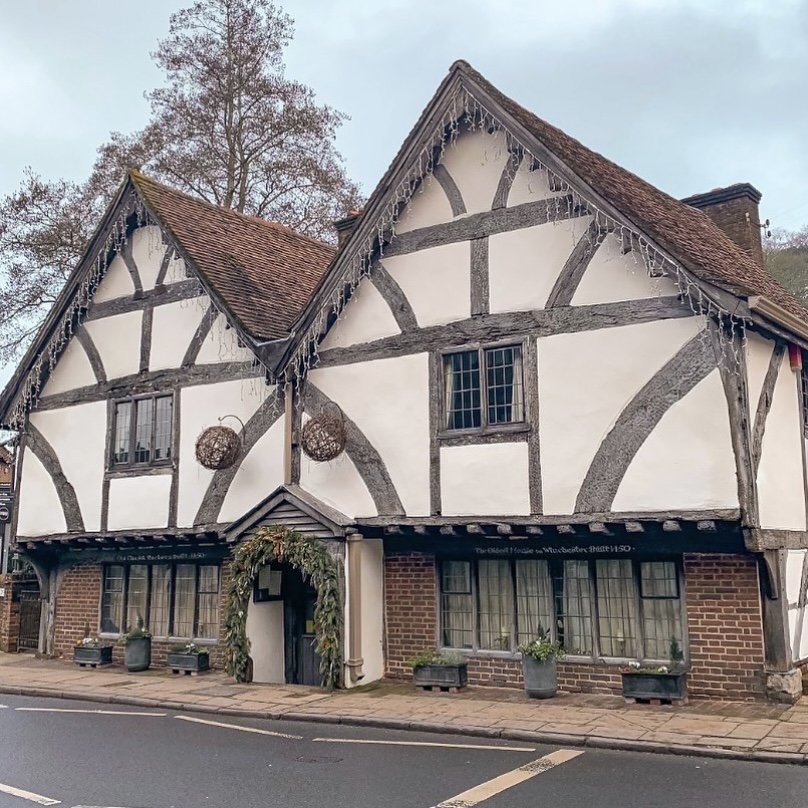
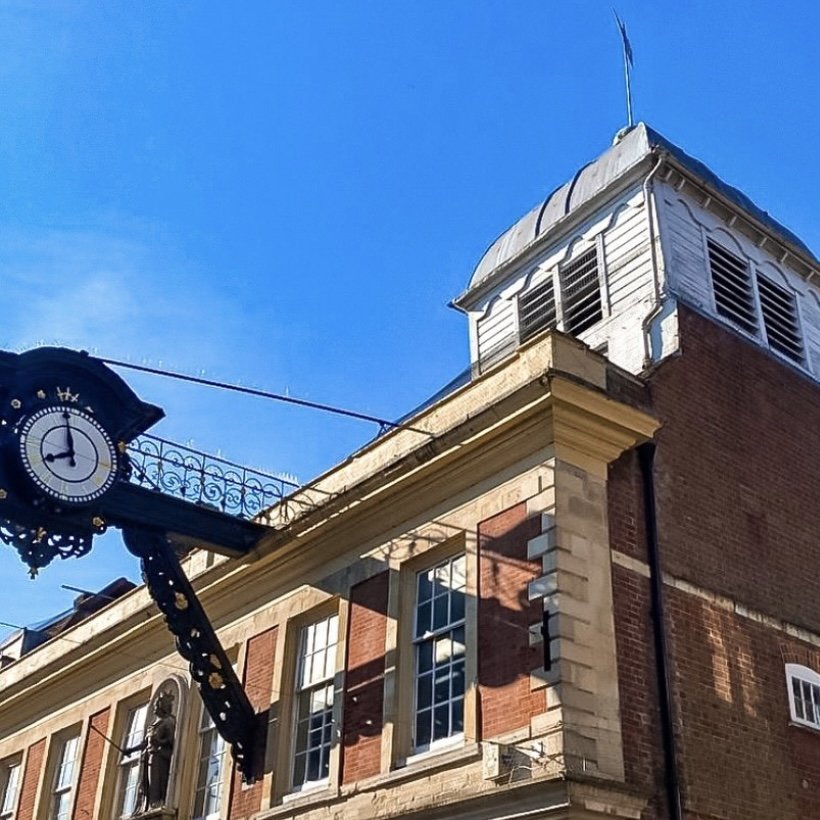
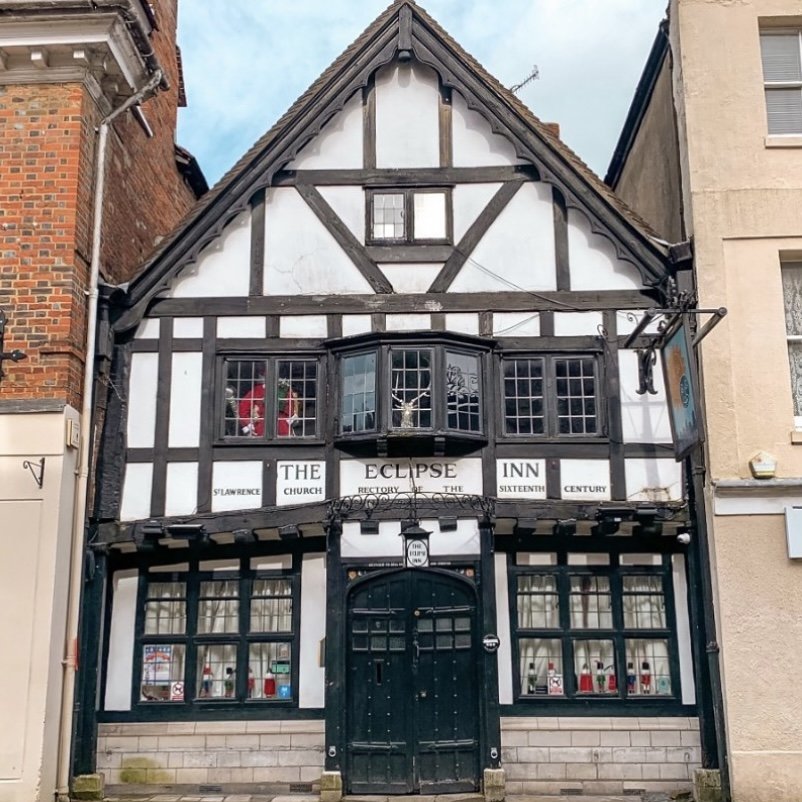
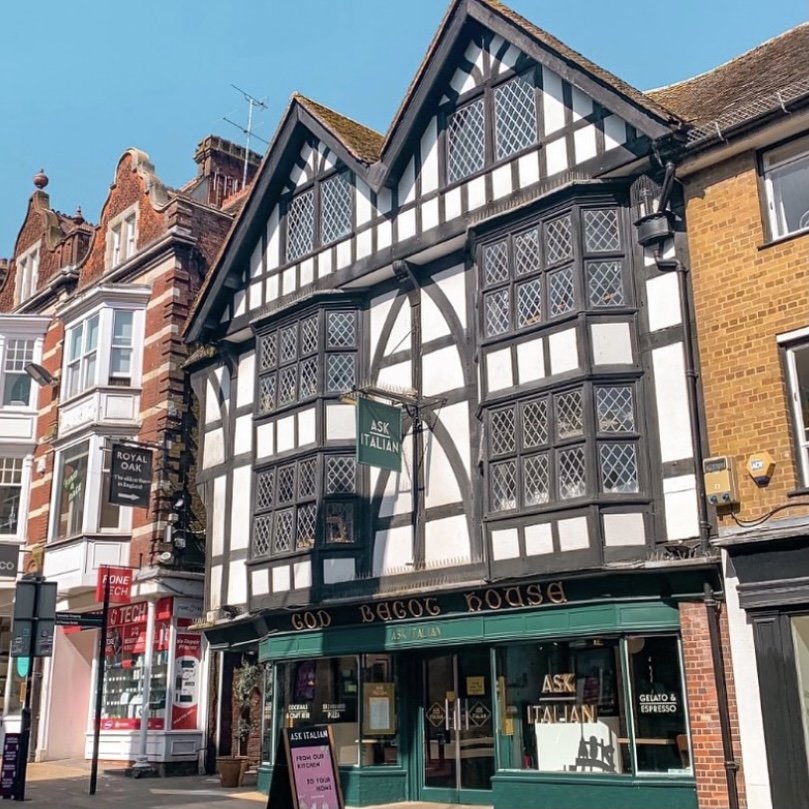
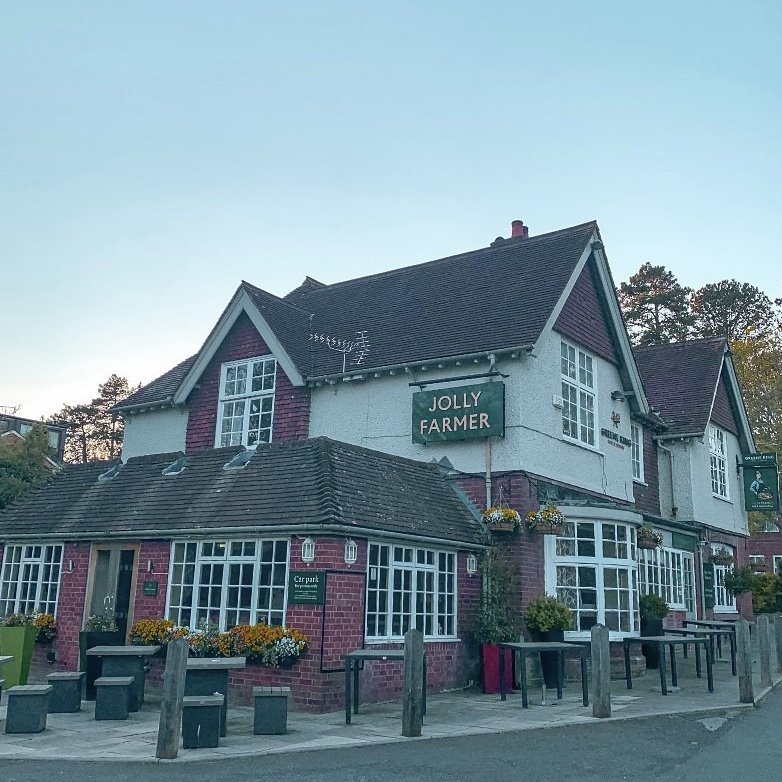
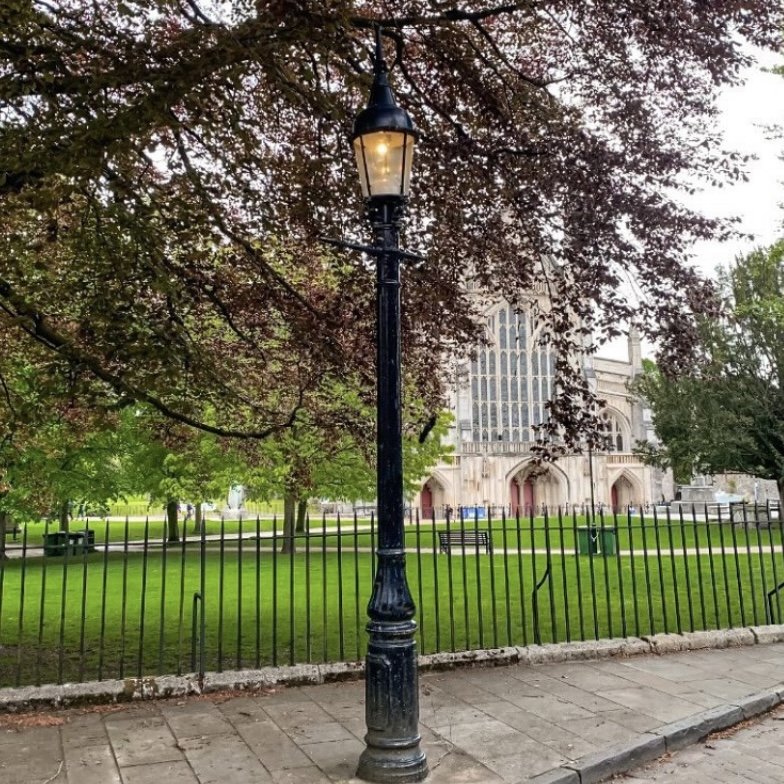
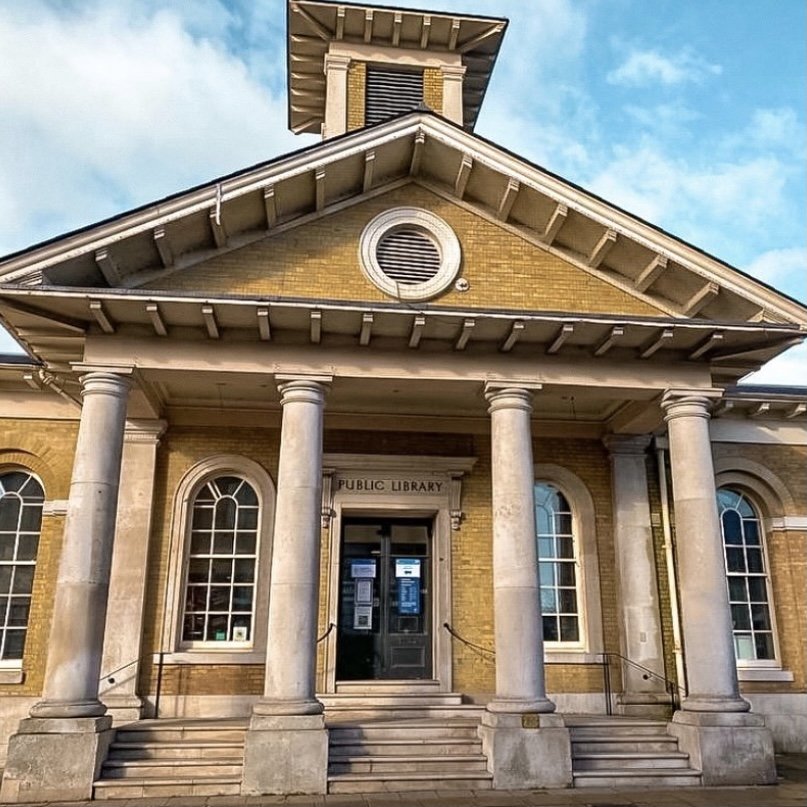
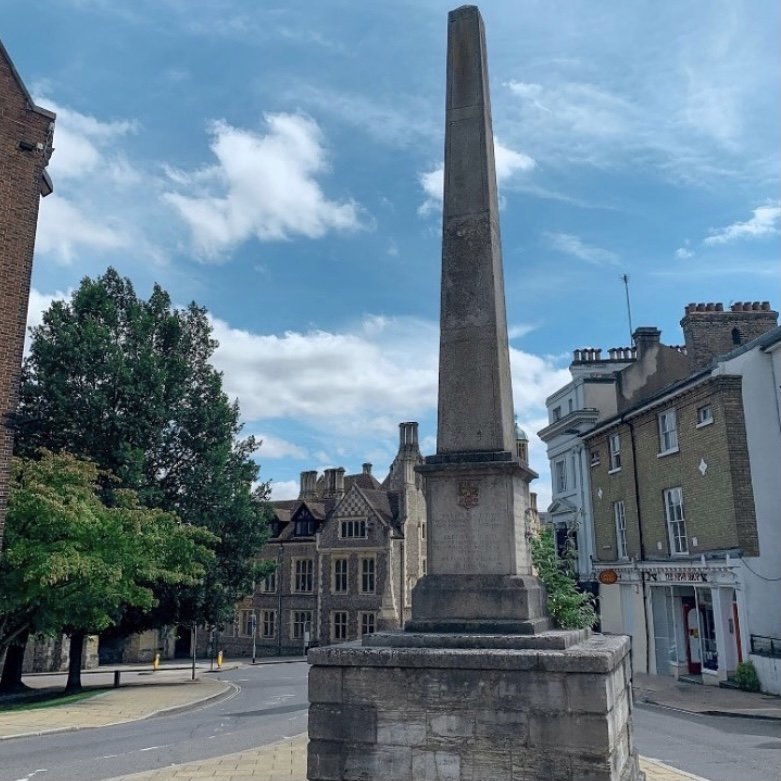
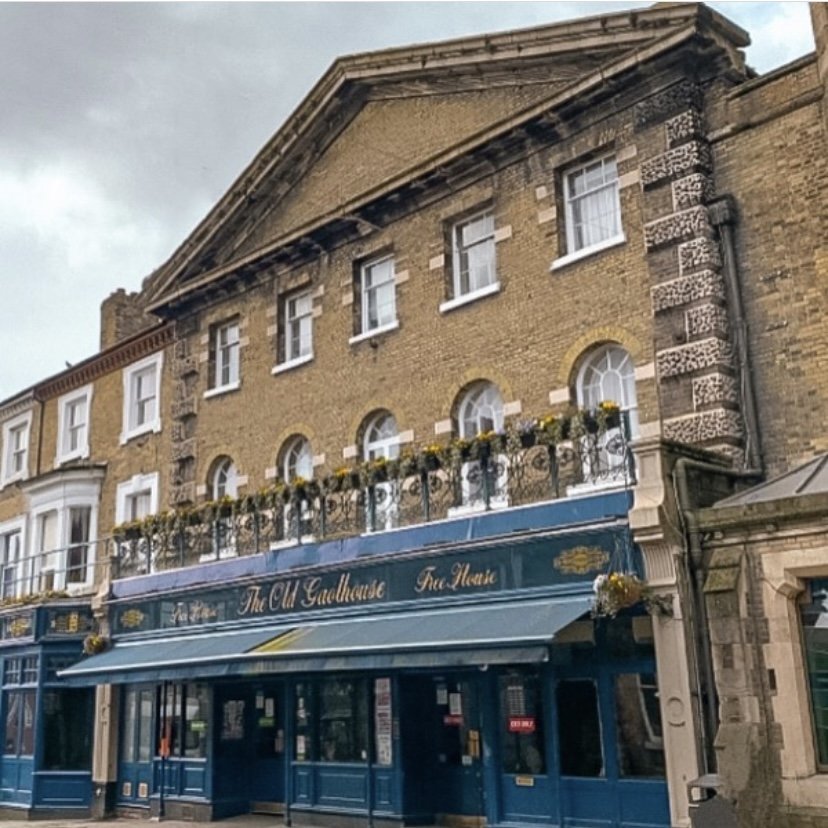
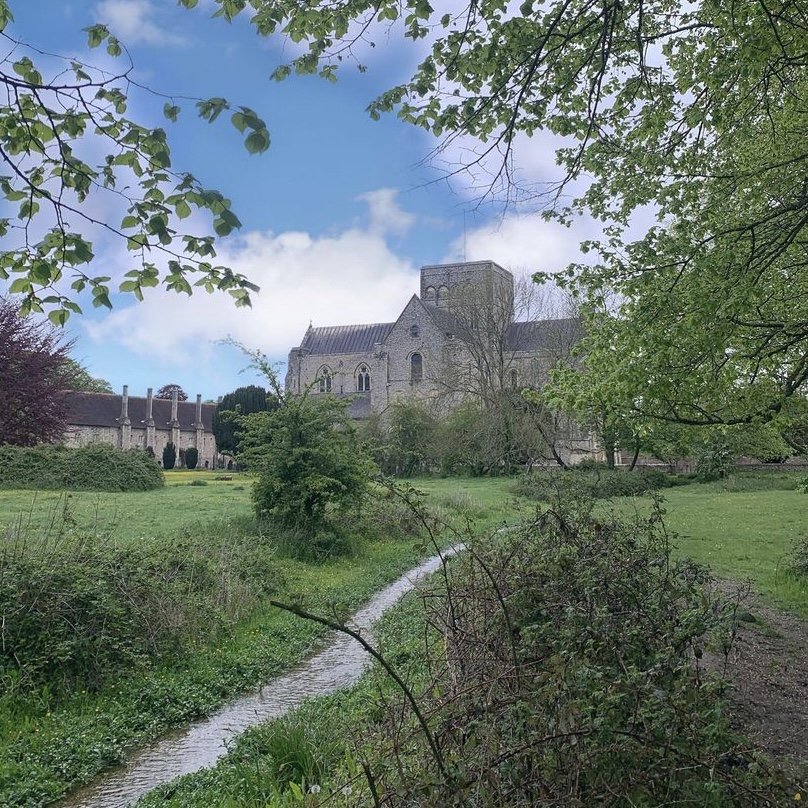
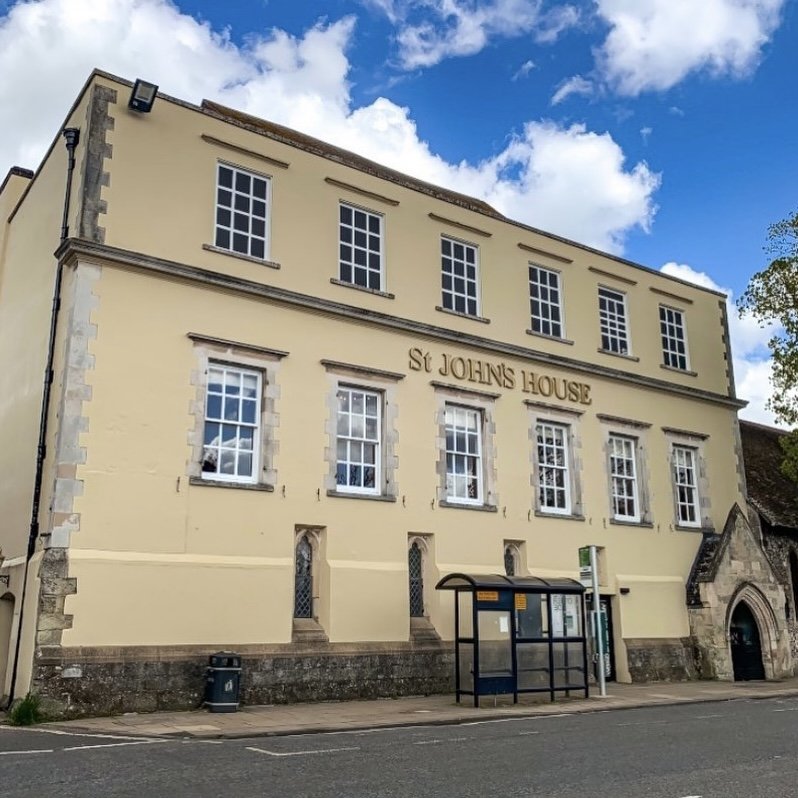
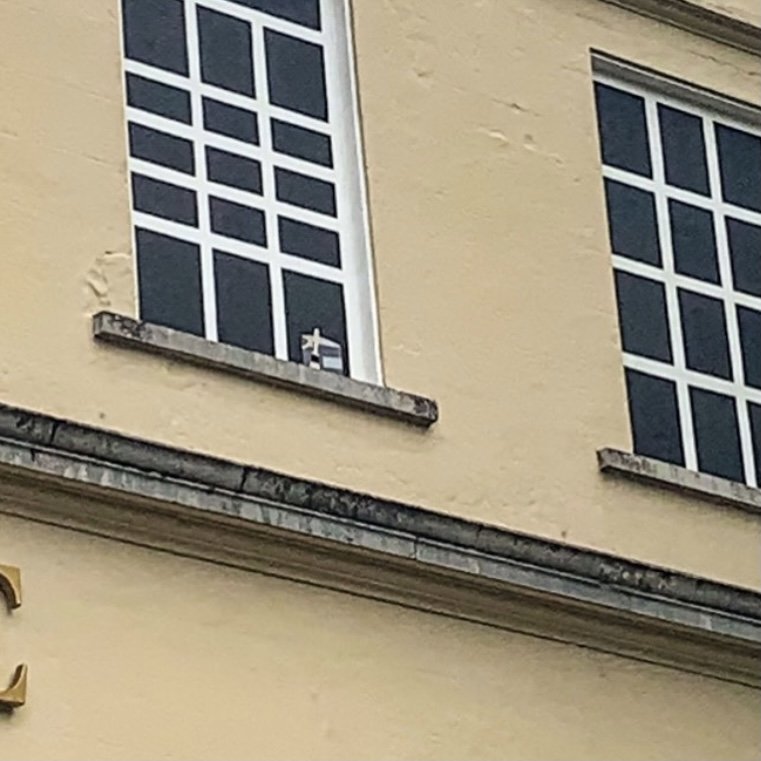
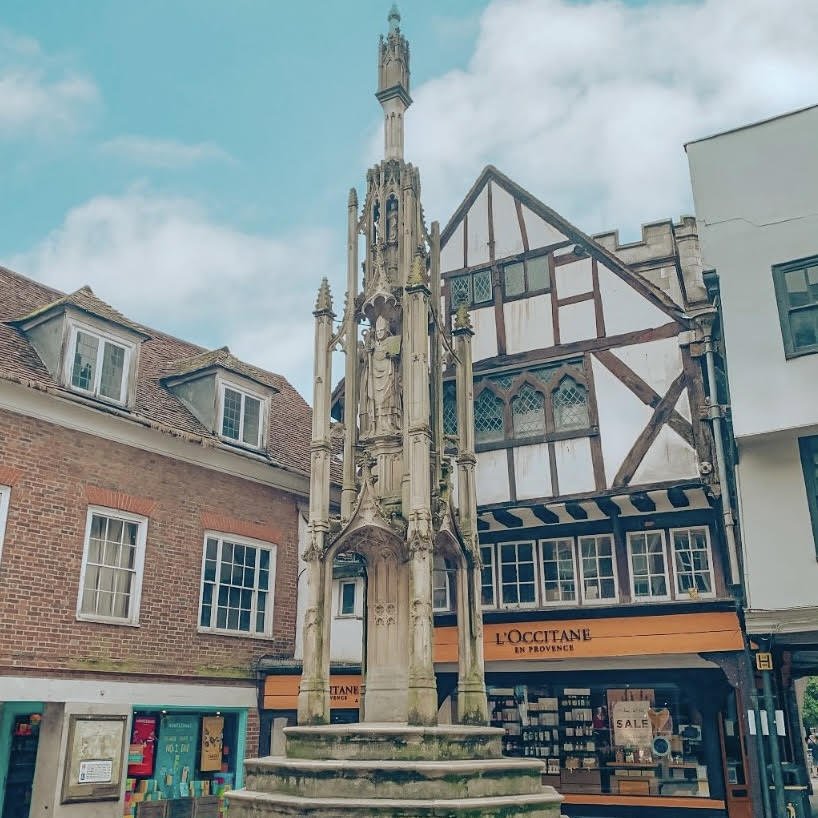
Photo credit: Miss Winchester
Further Information and Additional Links
Follow Miss Winchester on Instagram and join her every week for fun features which include ‘Where in Winchester’, ‘Let’s Discover Winchester’, ‘Fun Fact Friday’ as well as new guides and reels released every week!

30 Years of Hampshire Fare: Championing Local
In this podcast our final one of the festival season, Histbites goes in search of answers and finds a quiet success story behind some of the best of what the county has to offer.
We've all heard the name and seen the logo but what is Hampshire Fare and what do they do? In this podcast, we go in search of answers and finds a quiet success story behind some of the best of what the county has to offer.
Join us to celebrate the 30th birthday of Hampshire Fare. Did you know that this special organisation now champions beauty products, alongside its original range of fresh produce and support for delis, cafes and restaurants? Come along and hear what’s next - and how you can get involved!
From the 4,000 tonnes of sweet and juicy strawberries we grow today, to the delicious trout in our chalk-streams and the champagne-beating wines produced on our downs, it’s no surprise Hampshire producers are flourishing. No wonder even Prince Charles has given his seal of approval. Tracy Nash, Commercial Manager for Hampshire Fare, tells us how it is helping a growing family of over 400 members to champion these strengths - and a bright future is on the cards.
Tracy Nash is Commercial Manager for Hampshire Fare, one of the oldest county food groups in the country. Set up in 1991 by a small group of farmers to promote Hampshire’s abundance of exceptional local produce, Tracy Nash joined eight years ago to help secure Hampshire Fare’s future as it became a financially independent community interest company.
Tracy oversees a small team making a big difference to its members, which include not only producers, but independent retailers and hospitality venues across Hampshire and the Isle of Wight. She ensures Hampshire Fare is effective through a passion for business and mentoring, creating opportunities, facilitating powerful business collaborations, and developing Hampshire Fare’s voice for local at national level.

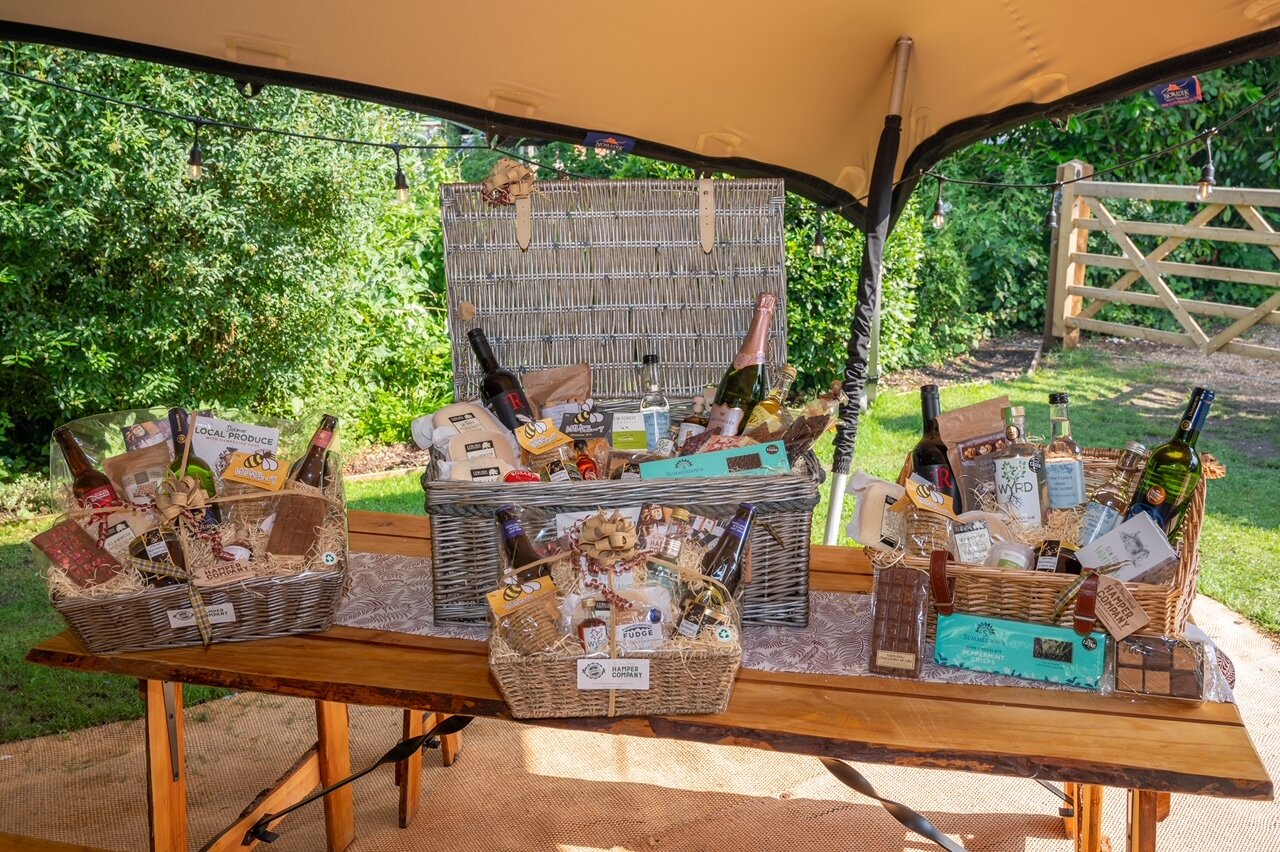

Further Information and Additional Links
If you want to know more about Hampshire Fare and their work, then why not visit their website: https://www.hampshirefare.co.uk/
They also have a great local produce guide celebrating 30 years of Hampshire Fare.
This was our final episode of the Heritage Open Days 2021 festival, we plan to be back for Season Six in late November 2021. You can still enjoy many of the festivals events including our Edible England Exhibition and some of the festival films, interviews and tour. Click here to visit our YouTube channel.
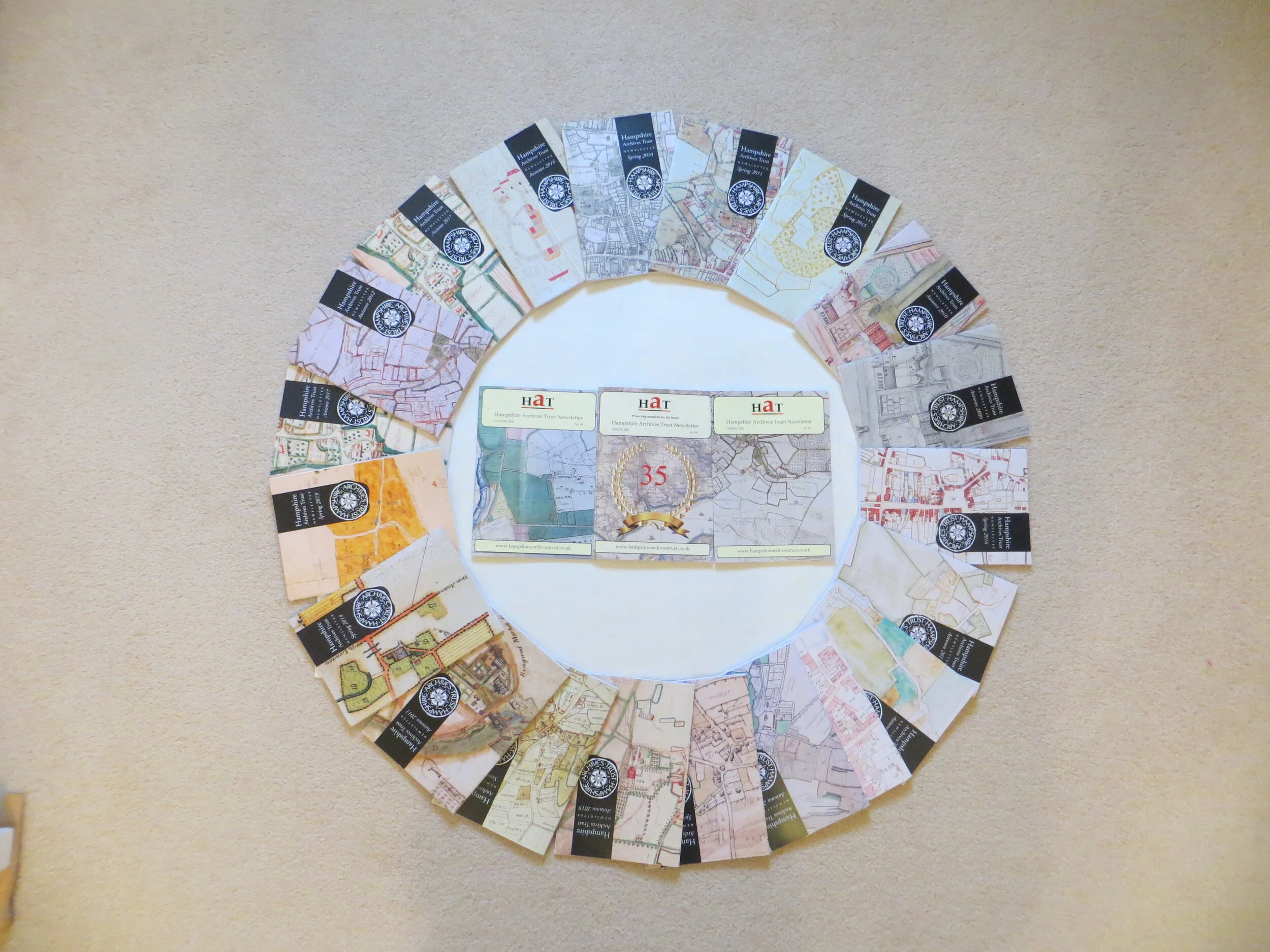
Archives Galore!
Join Barry Shurlock, Trustee at Hampshire Archives Trust for a fascinating Hampshire HistBites podcast on the richness of archives locally and nationally.
All history ultimately depends on archives of some kind – documents, film, sound recordings and increasingly digital files. There is a huge range of such archives of all sizes and levels of sophistication. Often, to properly research a subject, it is necessary to “roam around” sources. This often comes up with some surprising finds. In this podcast, specially recorded for Heritage Open Days 2021, local historian Barry Shurlock will attempt to show the richness of archives, with particular reference to Hampshire, but also more broadly.
BARRY SHURLOCK read Natural Sciences at Cambridge and after a research career spent the rest of his working life as a medical journalist. He has a long interest in local history, is a founder of the Worthys Local History Group, a trustee of the Hampshire Archives Trust and contributes regularly to the Hampshire Chronicle, the Southern Evening Echo and other newspapers. His published works include The Speaker’s Chaplain & The Master’s Daughter: A Georgian Family & Friends (2014) and most recently, in the Hampshire Industrial Archaeology Society Journal (2021, No. 29, 3-19): ‘Bertram Hutchings, the Winchester pioneer who built “houses on wheels” (1911-1959)’. He also recently presented a Zoom talk on Thomas Burberry (1835-1926), the Basingstoke draper and international fashion icon, for the The British Association for Local History.
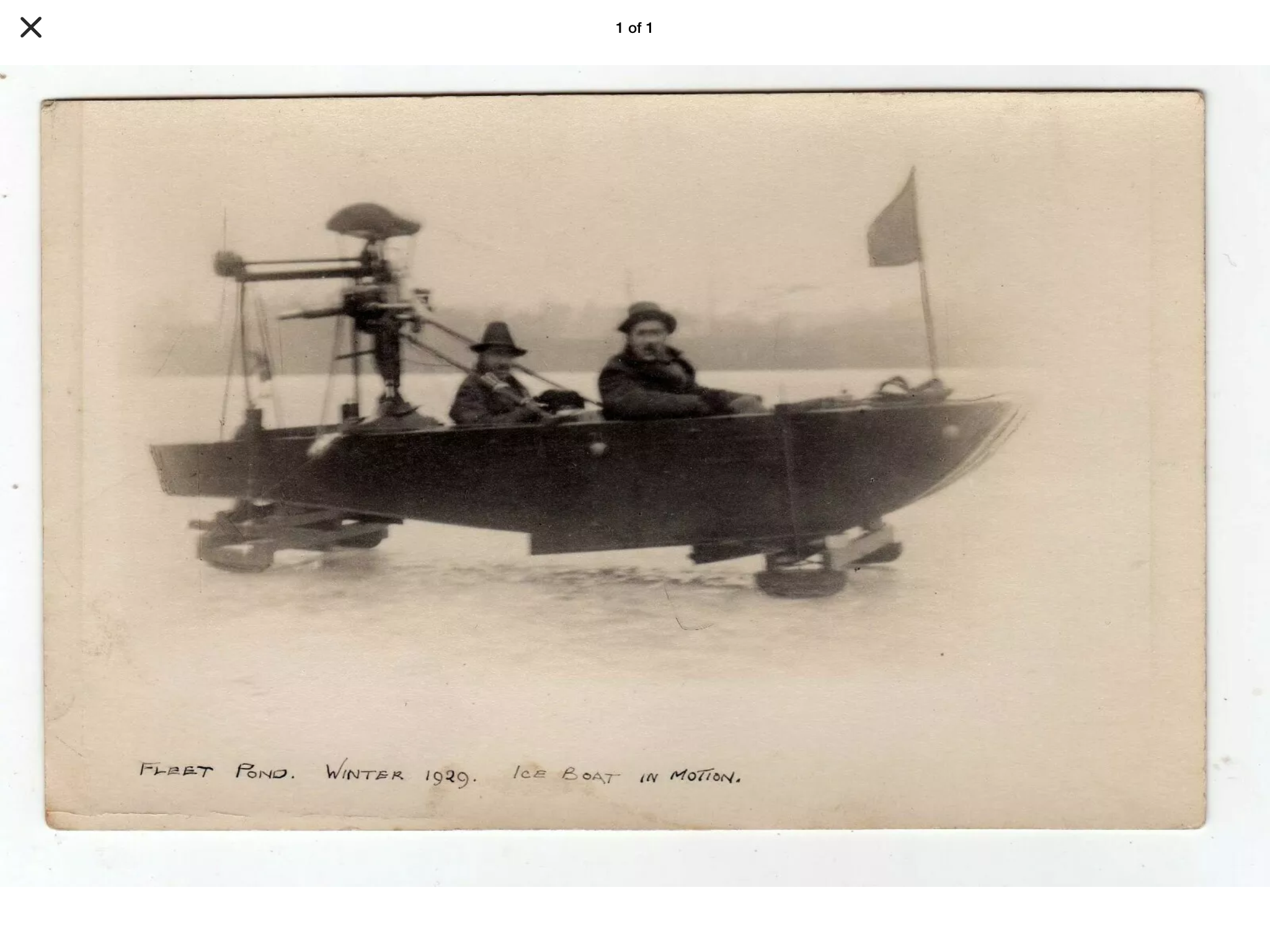

You can still enjoy many of our other Heritage Open Days events including our Edible England Exhibition and some of the festival films, interviews and tour. Click here to visit our YouTube channel.