
Walkeology: Wanders, Wonders and Wunderkammers
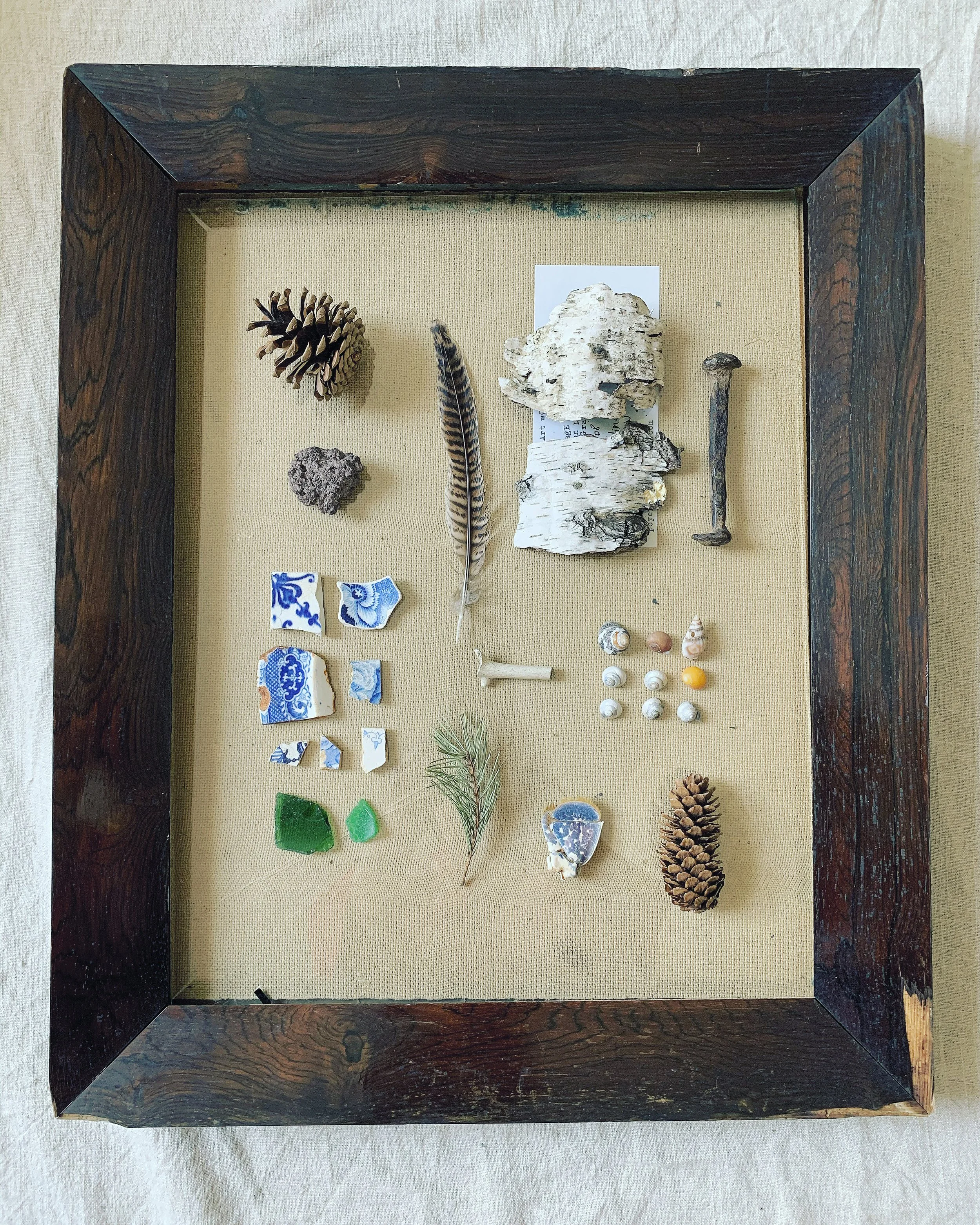
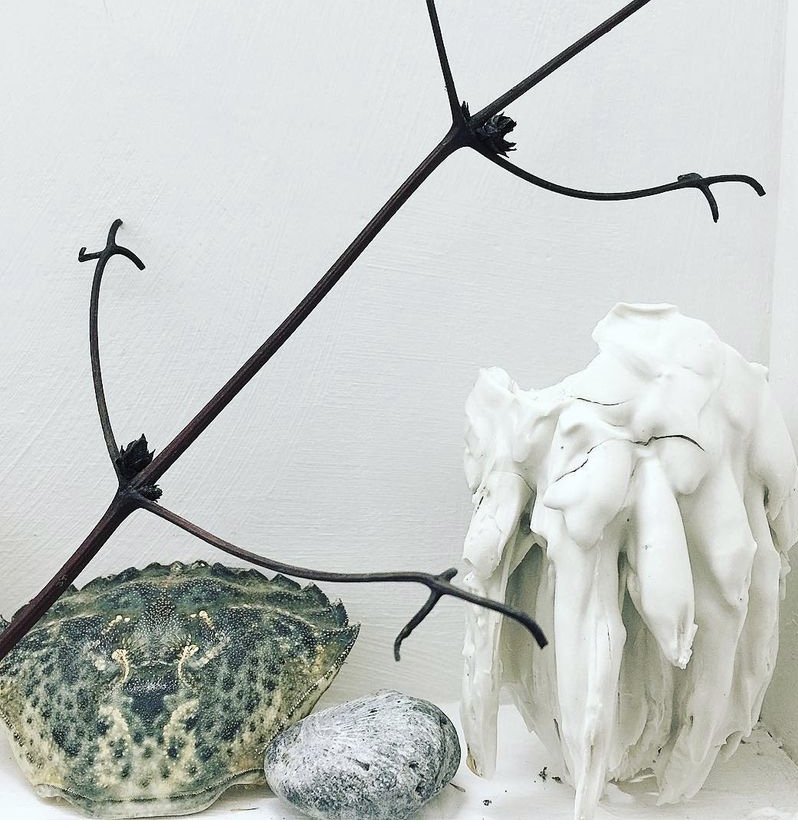
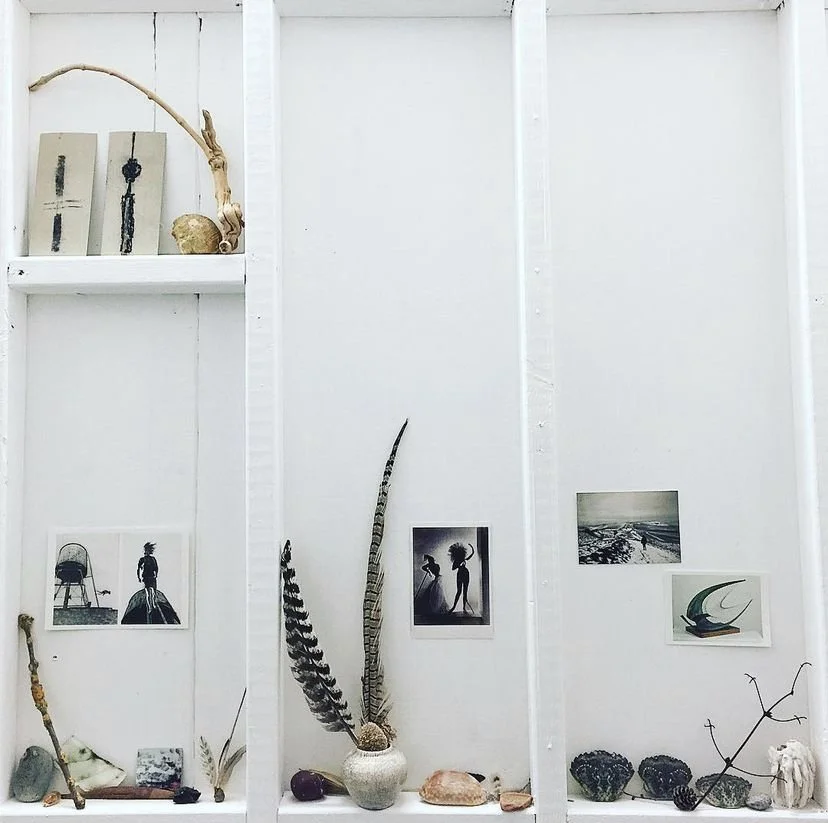
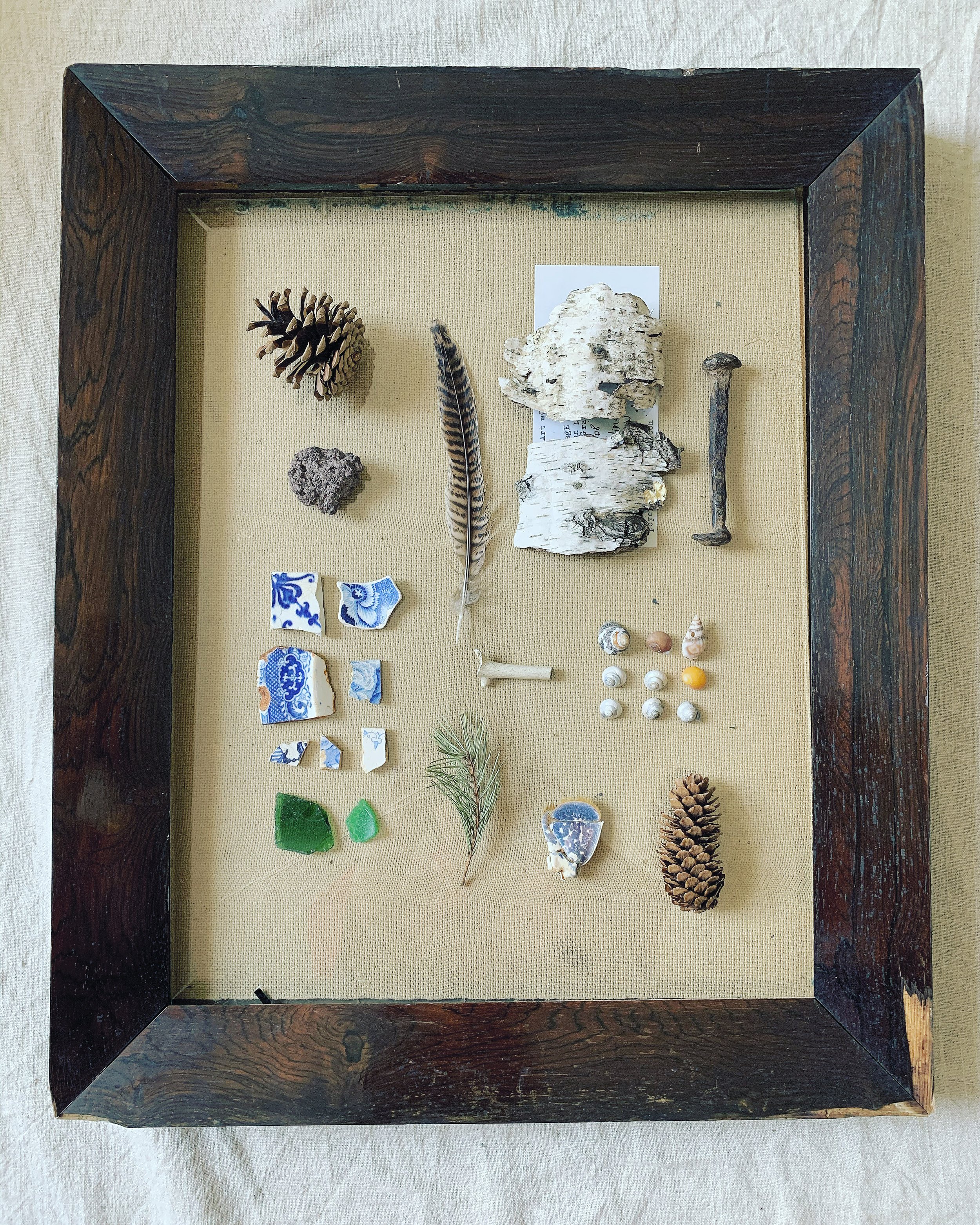
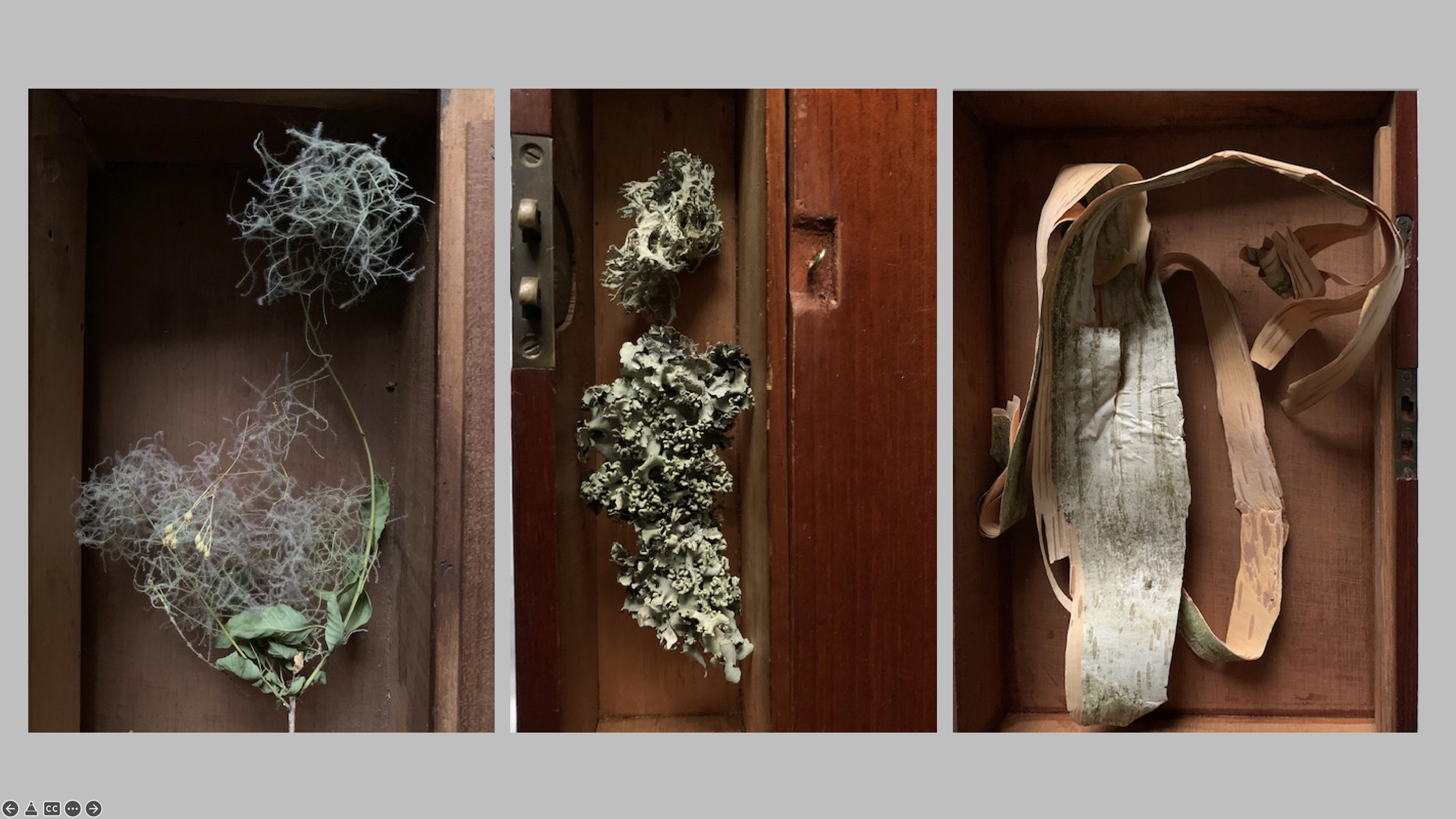
Fay Stevens takes us on a tour of the Walkeology project, inviting us to walk and connect with material culture around us, collecting and curating as we go. We can all create a ‘wunderkammer’ – a cabinet of curiosities – that mirrors our experience, emotions and environment as we go.
Fay Stevens takes us on a tour of the Walkeology project, inviting us to walk and connect with material culture around us, collecting and curating as we go. We can all create a ‘wunderkammer’ – a cabinet of curiosities – that mirrors our experience, emotions and environment as we go. In doing so, we follow in the footsteps of great antiquarians including Elias Ashmole and Sir John Soane, and engage with a rich heritage that lives not just in museums, but wherever we walk, collect and curate - even on our kitchen tables.
In this episode, the final one of Season 7 we join Fay Stevens, Adjunct Assistant Professor at the University of Notre Dame, and explore walking as a question. An archaeologist by training, Fay is interested in the potential of objects and the way we organise them to inspire wonder and stimulate both the individual mind and collective conversation.
Fay invites us to look closer at our world, to collect as we go, and to curate the resulting finds into our own cabinet of curiosities - a walking Wunderkammer. This invitation related to Fay’s work on a project known as ‘Walkeology’, created during the lockdowns of 2020 and 2021, when daily walks became a cherished and much-needed daily activity for many of us. The project contributed to the 2021 International Encounters Conference, at Prespa in Greece, whose theme was ‘Walking as a Question’; and evolved too into an event at Winchester Heritage Open Days that year. Later in 2022, Fay will publish a paper on the same subject.
Together, we note the long and illustrious history of cabinets of curiosities. Their rich heritage includes celebrated examples from Elias Ashmole (whose collection formed the foundation of today’s Ashmolean Museum in Oxford), and Sir John Soane (whose house in central London remains arguably the world’s foremost Wunderkammer). Often, these well-known collectors organised their displays to reflect their education and experience.
Today, contemporary artists continue to engage with the potential of materiality and the differing ways we can arrange objects to affect our interpretation of what we see before us- albeit often for different reasons. One way is to explore ‘phenomenological methods’ of being in a landscape, ‘listening’ to our bodies and our senses as we are affected by our surroundings, and drawing from these experiences. We often do this literally, as we pick up objects and take them with us, creating ‘embodied cartography’. That is, we create maps with the objects we acquire, and within those maps, are our experiences. By looking back at these ‘cartological collections’ we can chronicle, query and interpret the experiences that created them: this is walking as a question, or ‘walkeology’.
Fay is fascinated by how this kind of inquiry can ‘wake’ us to new experiences and new knowledge - as it did especially during lockdowns, when many of us were challenged to explore both familiar and new spaces, in unprecedented ways. Each of us has our own method of walking – intentional, paced; drifting, slow, or following light or sounds.
When we walk near heritage sites – which can be truly anywhere, as anything has a heritage – we experience that heritage anew; and that’s really exciting. Some walks have their own special aspects, too: walk the Clarendon Way between the historic Cathedrals of Salisbury and Winchester, and you are arguably walking as a form of faith, for example.
So we are invited to walk; and, when we return, either with memories, experiences or with physical spoils from a walk, to start to arrange, draw or engage in other activities prompted. In doing so, we can each conduct our own walkeology: from wanders to wonders, and the creation of our own ‘wunderkammer’.


Fay Stevens
Fay Stevens is an archaeologist, lecturer and researcher. She has worked in archaeological projects in Armenia, Europe and the UK and has travelled extensively on academic research including Syria, Jordan, USA and Japan. She teaches at the London Faculty of the University of Notre Dame, and is also a Visiting Lecturer for the MA in Cultural Heritage and Resource Management at University of Winchester, Sessional Lecturer at University of Oxford (OUDCE and OUSSA) and Visiting Lecturer in academic literacies, research methods, theory and practice for The Royal Central School of Speech and Drama, University of London.
FURTHER RESOURCES
You can see examples of Fay’s work at the following links:
A ‘soundwalk’ paper: Embodied Cartographies: Mineral Liquidities and Fluid Heritage in Bath (UK) and Guimarães (Portugal)
On Instagram (@stillpoints)
Via her presentation to the Drawing Symposium (February 2022 – approximately 26.10 minutes into the recording)
If you want to learn more about ‘Walking as a Question’, then why not explore their website.
Hampshire Cultural Trust: Linking the Past with the Future
Hampshire has a rich and vibrant cultural history, but how can it be made accessible to future generations? Join us and Hampshire Cultural Trust’s Chief Executive, Paul Sapwell as we explore how history is being shared in Hampshire.
Hampshire has an incredibly rich and vibrant cultural history, but how do we share the stories and make it accessible to future generations? Hampshire Cultural Trust’s Chief Executive, Paul Sapwell shares his thoughts.
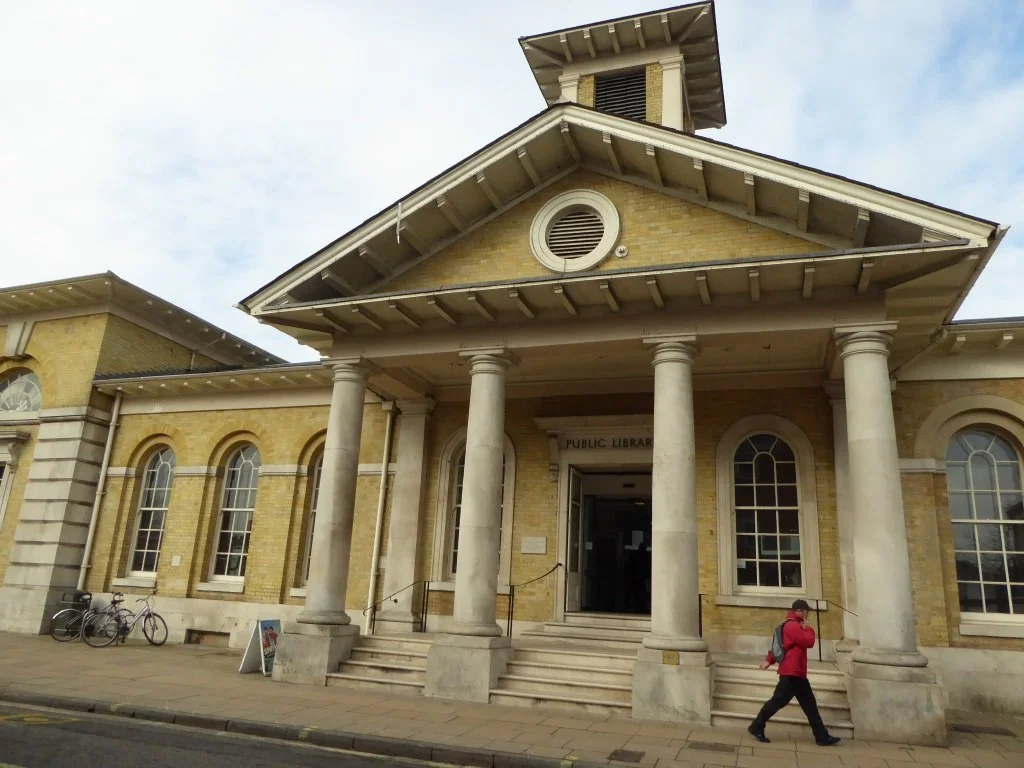
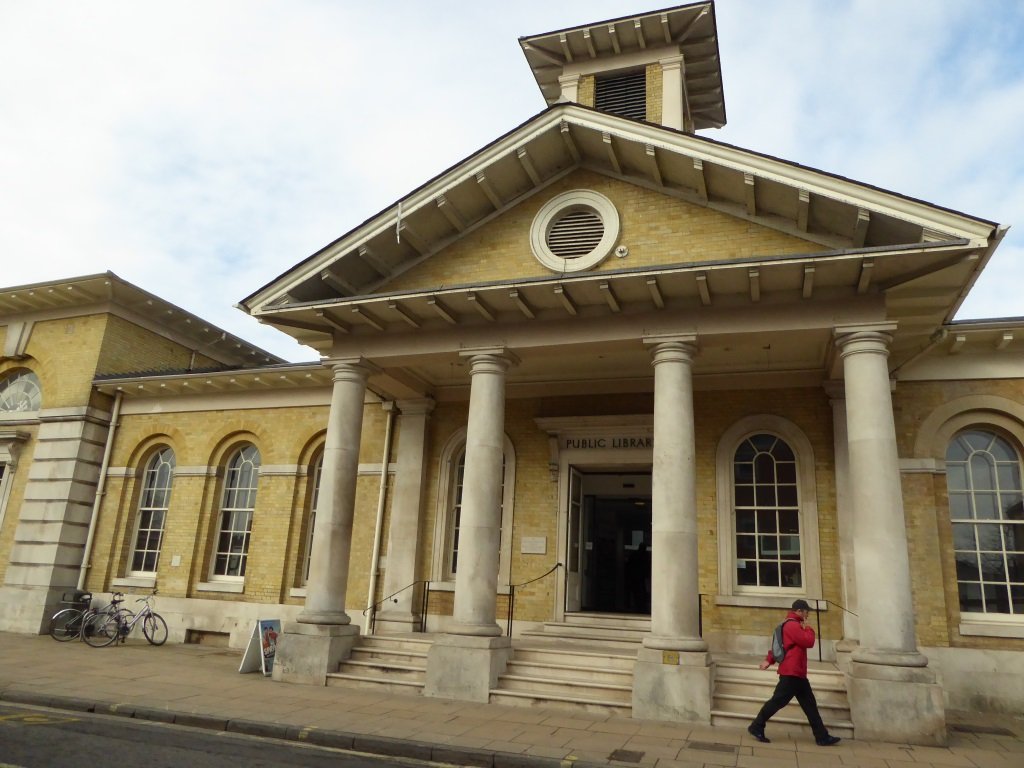
Hampshire Cultural Trust is an organisation that manages twenty-three museums, arts centres, and galleries across the county and cares for millions of historical objects. Chief Executive Paul Sapwell reveals what it takes to keep such a vast network of history and culture accessible to Hampshire’s residents. Additionally, he shares with us some exciting developments the Trust is currently undertaking, as well as a behind-the-scenes look at a fascinating partnership.

Paul Sapwell is Chief Executive of Hampshire Cultural Trust (HCT). One of the largest cultural trusts in England, HCT manages and supports 26 arts and museums attractions, delivers county-wide outreach programmes and cares for 2.5 million objects. Paul joined HCT in 2016, as Chief Operating Officer; and has been the Trust's Chief Executive since 2018.
Over the past six years, Paul has been integral in leading the trust towards independence from its local authority roots, shaping it to become a resilient, sustainable and commercially intelligent organisation, which has social impact firmly at its core. With a background in the tourism and hospitality sectors, prior to joining HCT Paul worked nationally at senior commercial and operational levels with the Youth Hostel Association.

FURTHER RESOURCES
Learn more about Hampshire Cultural Trust or become a volunteer here.
View an impact map to see how Hampshire Cultural Trust is working with the community:
Social impact map.
Read about Hampshire Cultural Trust’s partnership with the multinational video game company Ubisoft:
Assassin's Creed Creators Bringing Winchester to Life.
Follow Hampshire Cultural Trust on Facebook, Twitter, or Instagram.

The Hidden House in Hursley Park
In the quiet village of Hursley near Winchester, where spitfires were once made, the faint outline of a very large house can be seen on a croquet lawn. Dave Key and Stuart Rippon reveal the archaeological discovery underneath.
Today, Hursley Park near Winchester is a private estate owned by the IBM. Here you will find new buildings and also an 18th-century Queen Anne style mansion in which - many of our listeners will recall - once saw spitfires built in the ballroom!
Today’s story however is takes us back even further in time as once a grand Tudor house stood here, almost forgotten apart from a faint outline on the croquet lawn.
In 2021, the Winchester Archaeology Rescue Group (WARG) was given exclusive access to excavate the site and learn more about what was hiding under the earth. Dave Key, the voluntary science historian at Hursley Park and Stuart Rippon, a member of WARG reveals the incredible discoveries they made.

Stuart Rippon is a member of WARG, the Winchester Archaeology and Local History Society established in 1972 to preserve Winchester’s archaeology. Stuart took up amateur archaeology 6 years ago following 3 years research in the history of his own village which eventually led to a WARG dig to find medieval buildings.

David Key has a long-standing passion for local history in Hampshire and has been the voluntary site historian at Hursley Park for several years. In this role, he’s carried out wide-ranging research on Hursley Park’s incarnations as a grand country estate, wartime hospital, design facility for Vickers Supermarine and most recently as a development laboratory for technology company IBM.
What is WARG?
WARG stands for Winchester Archaeology Rescue Group and promotes the study of archaeology and local history in the City of Winchester and the surrounding area. They do this through monthly events including lectures, walks, excursions and excavations. WARG members are mostly amateur archaeologists and historians, some with 40+ years of experience, alongside professionals from the University of Winchester and commercial firms.
You can find more information about who they are and their work on their website.
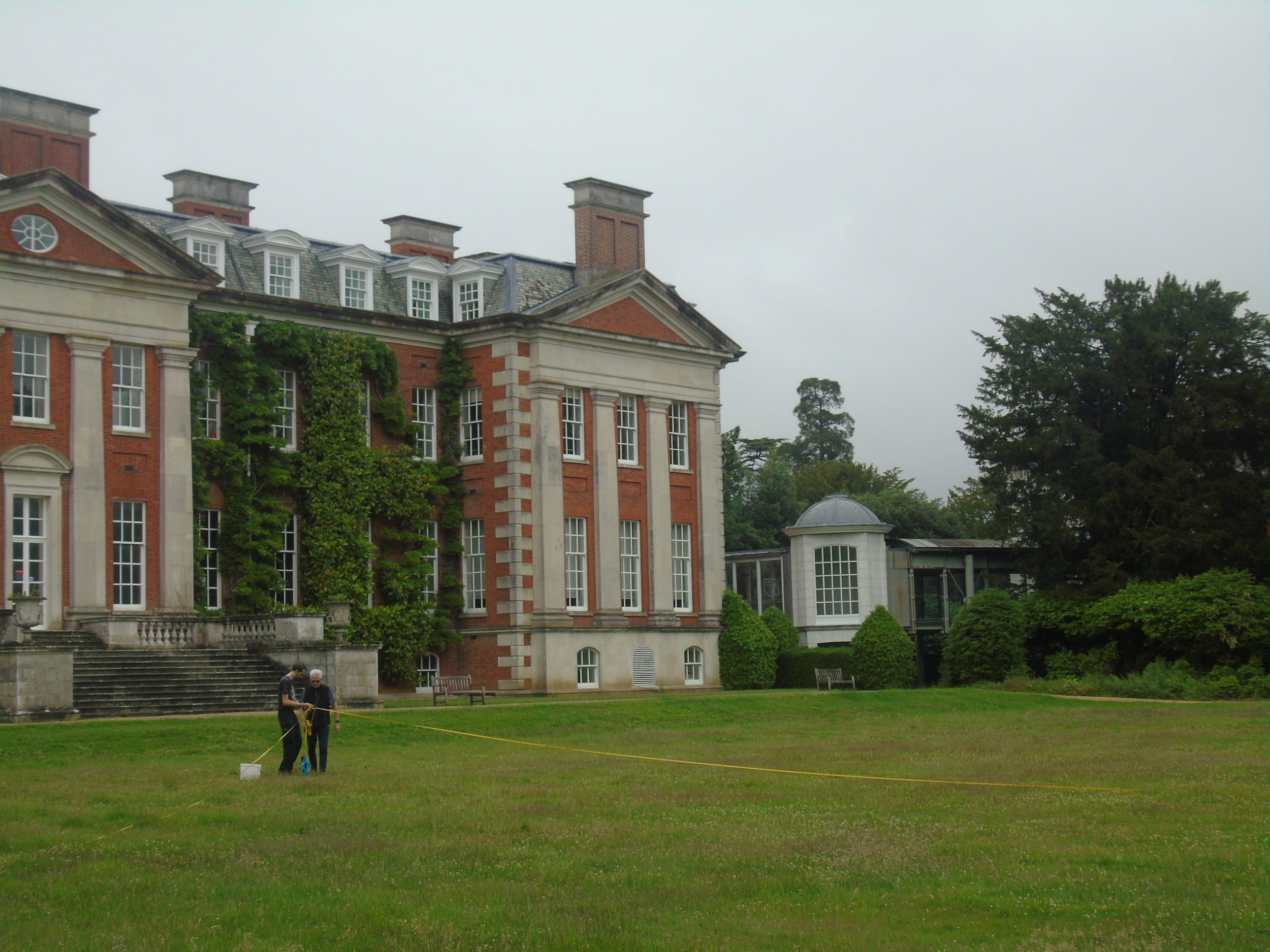
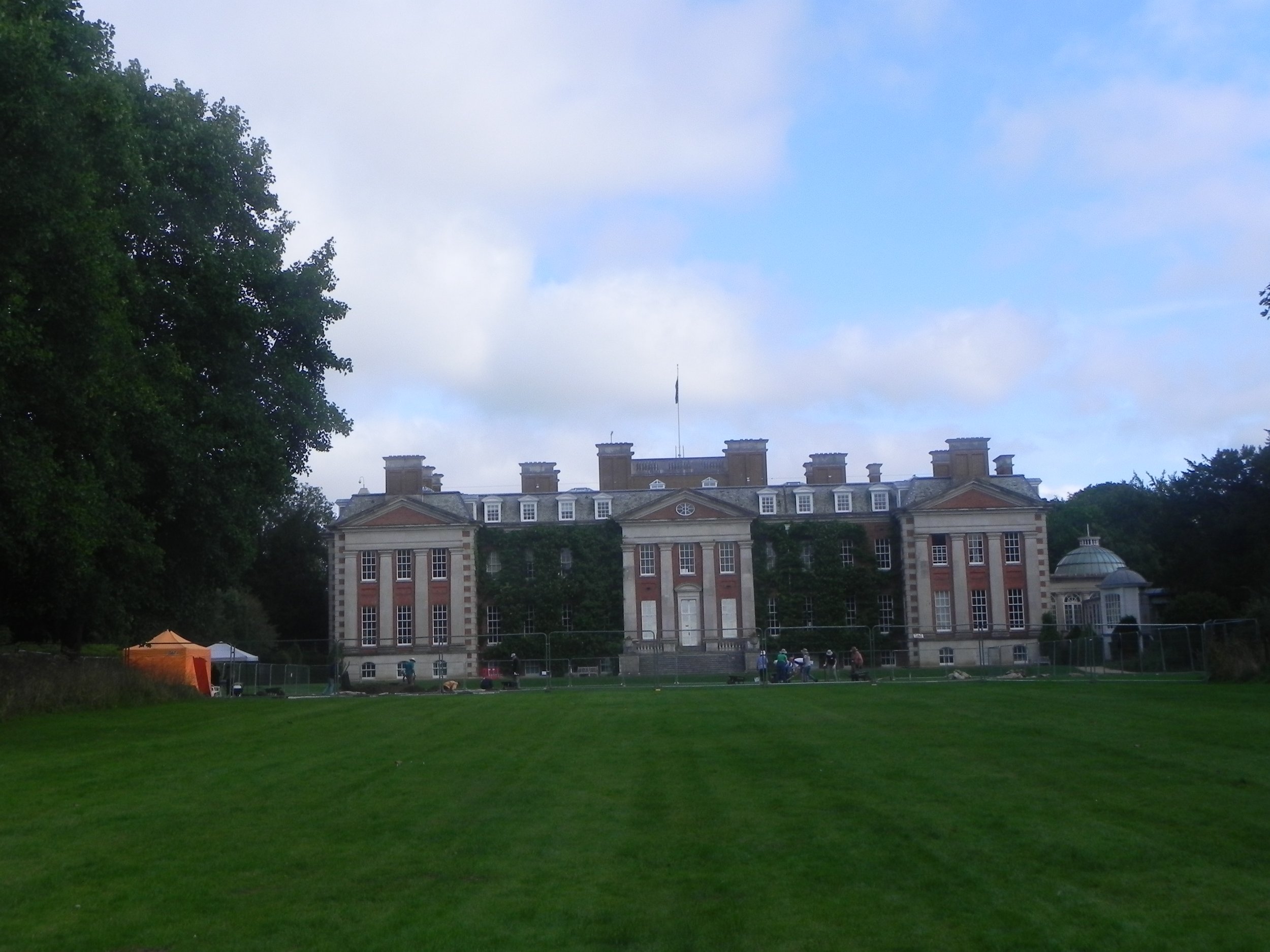
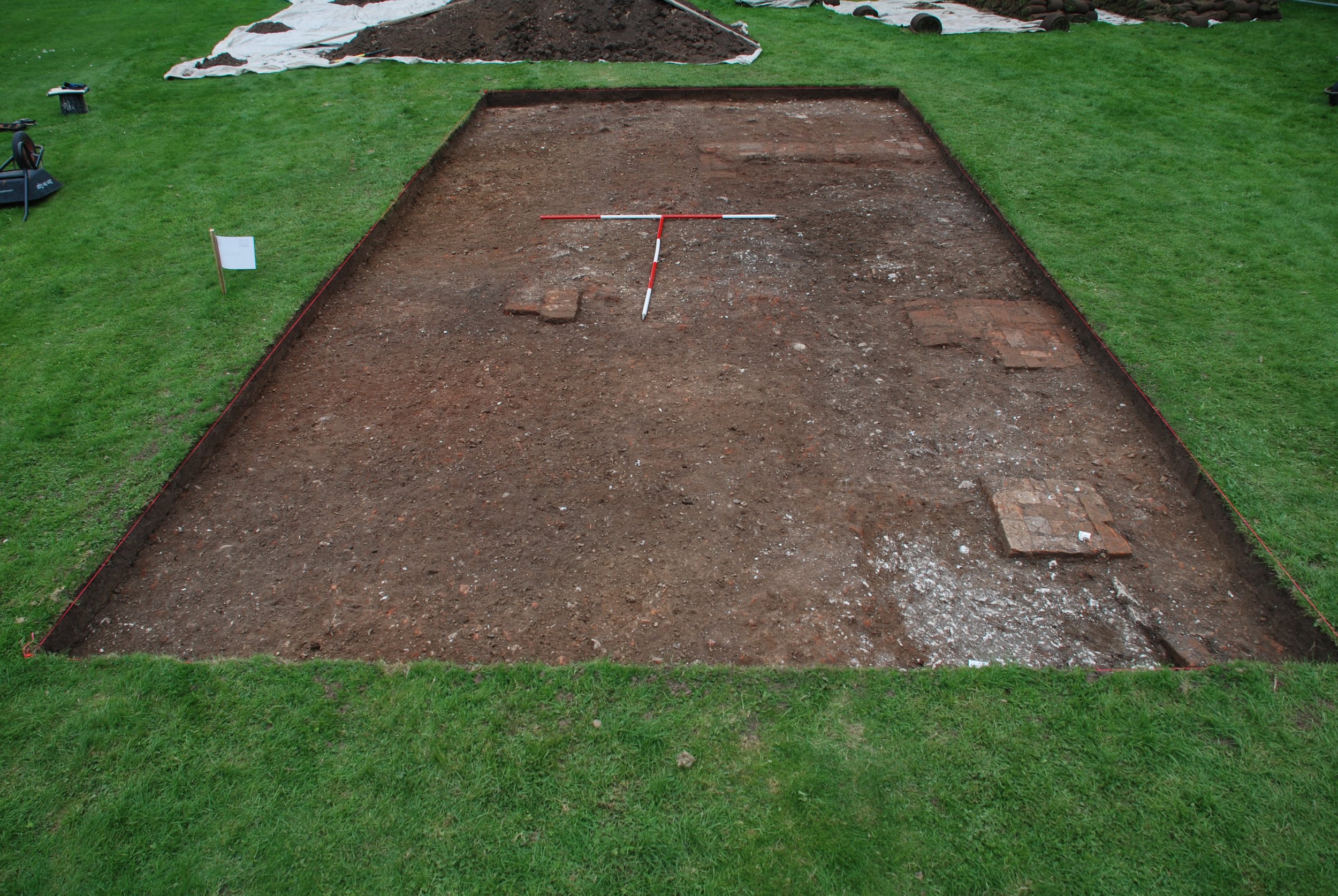
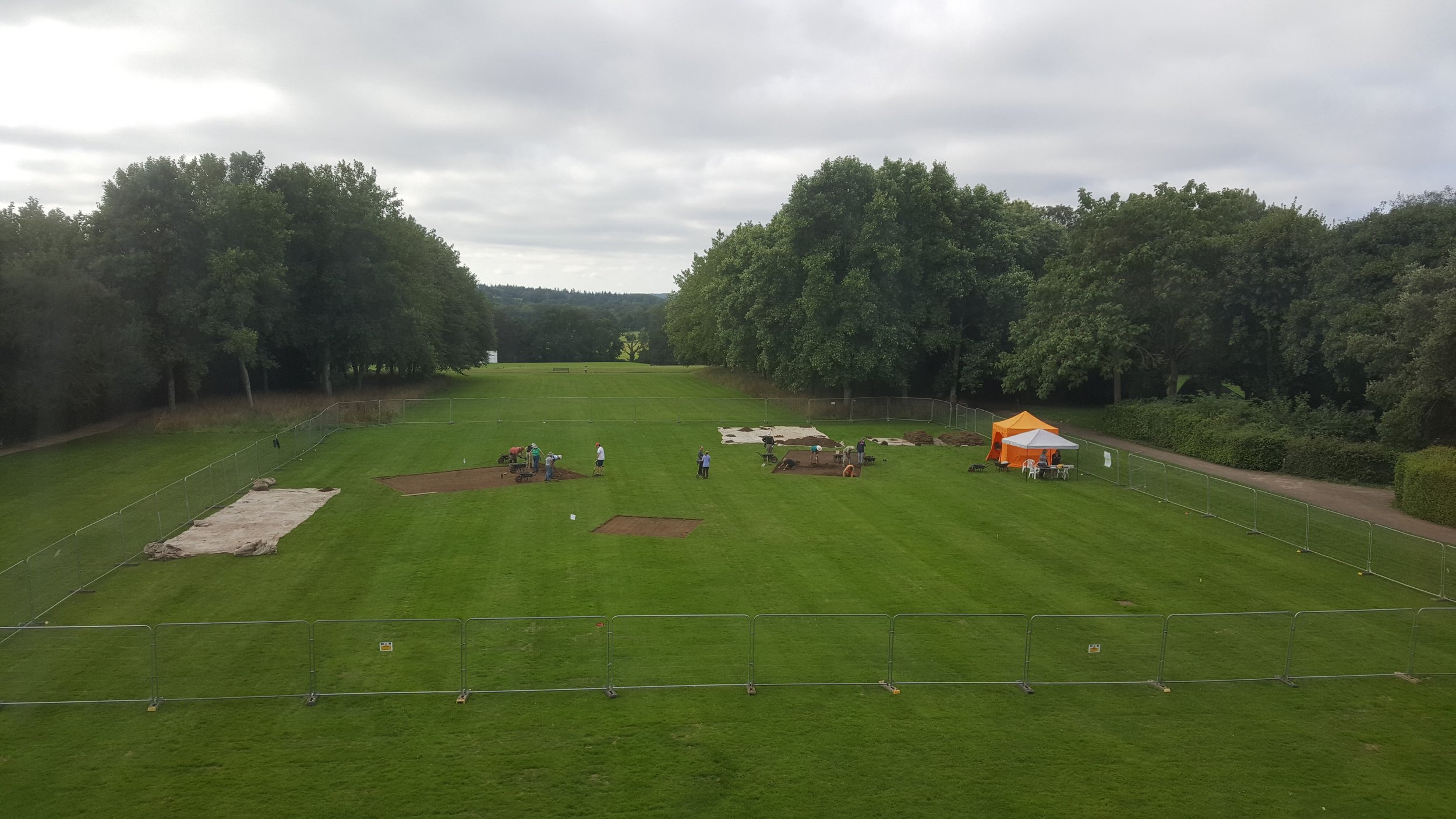
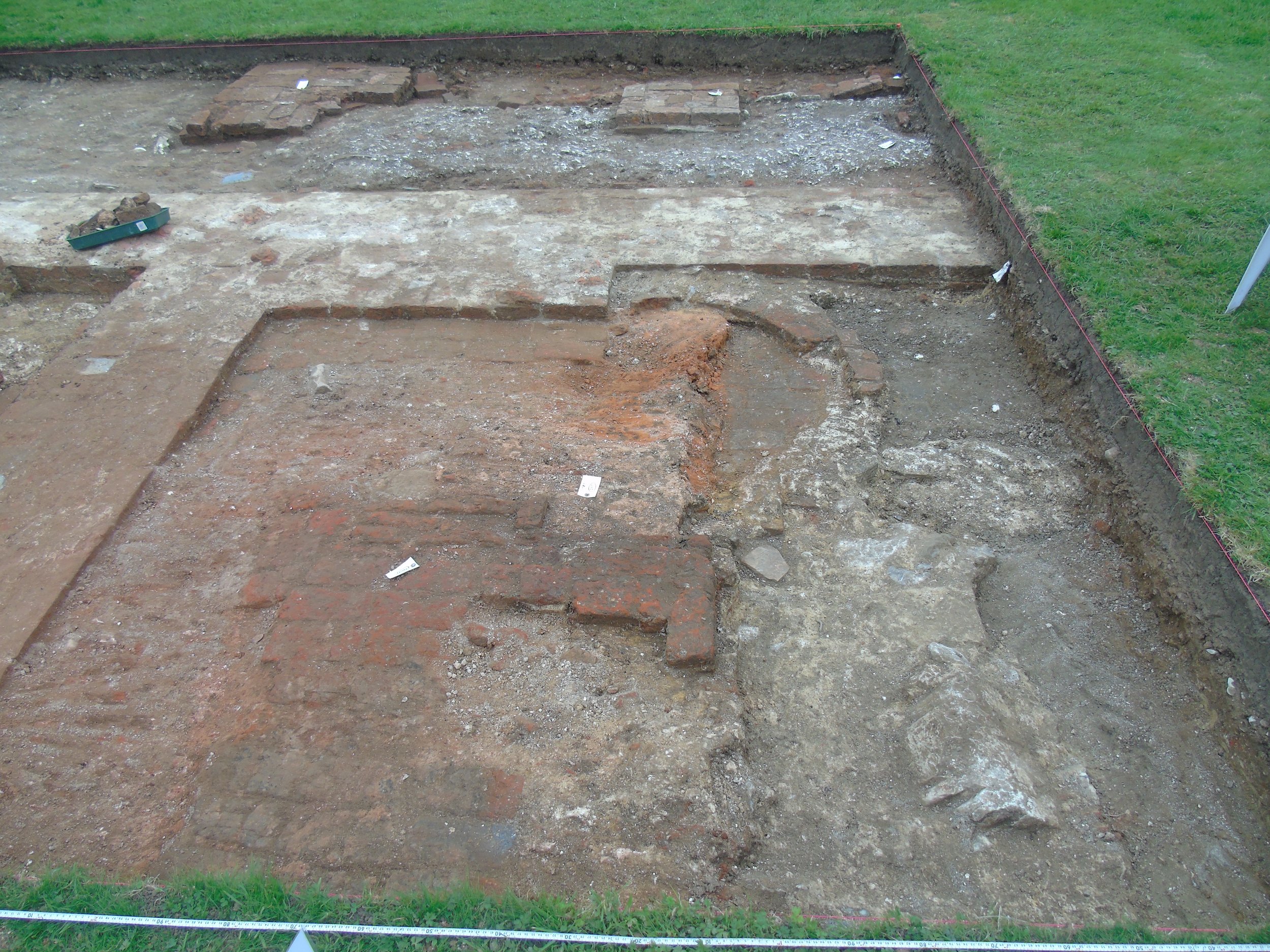
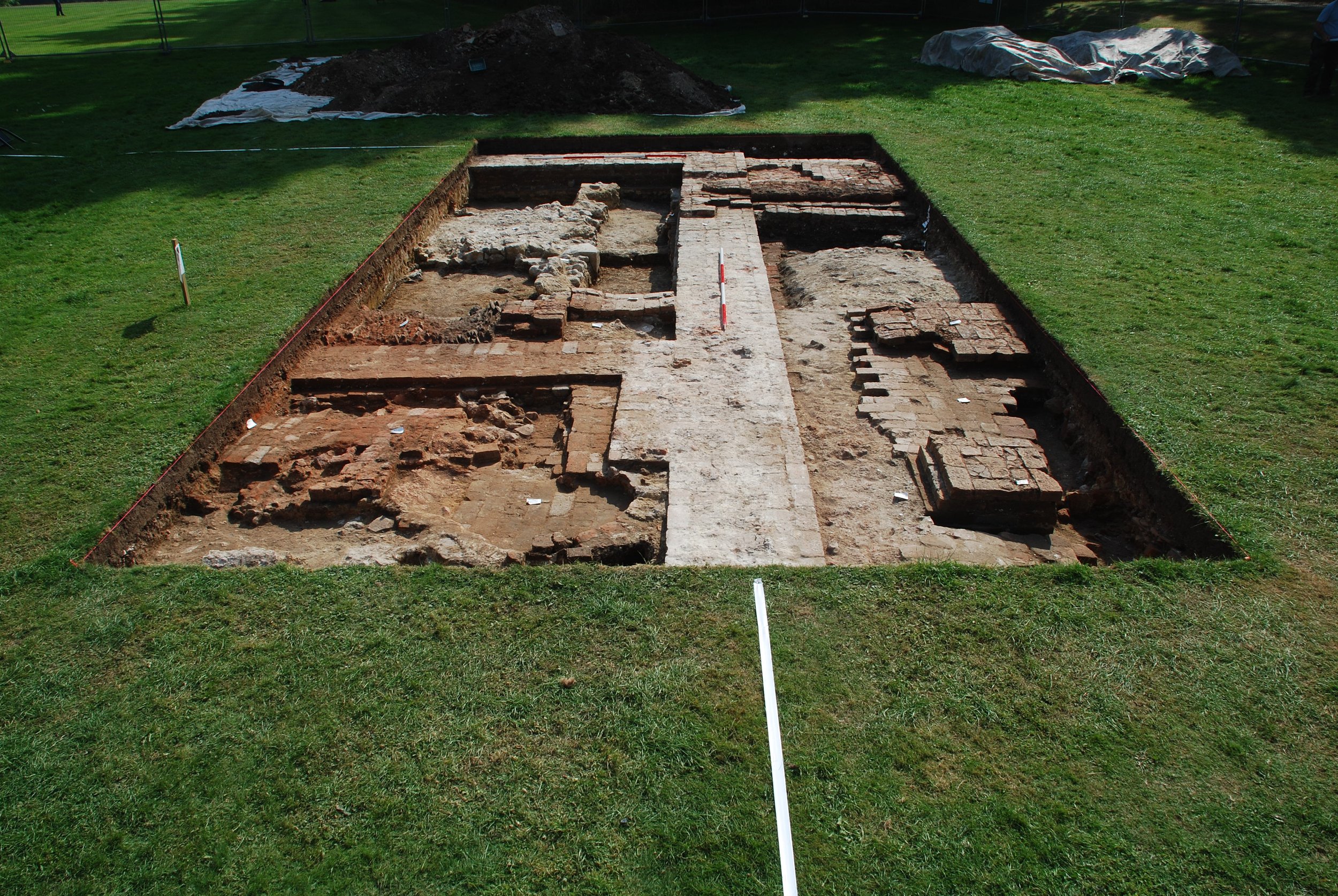
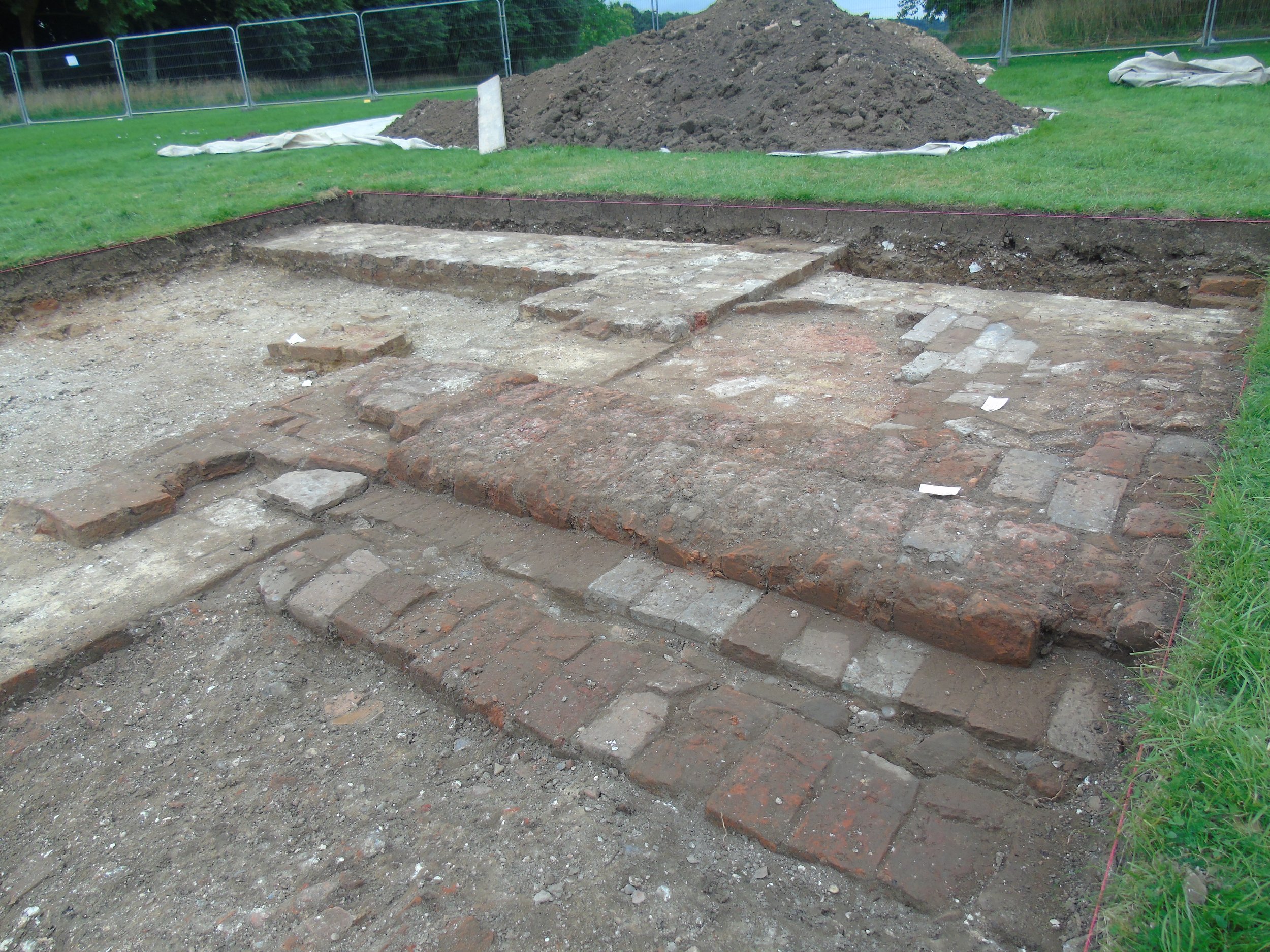
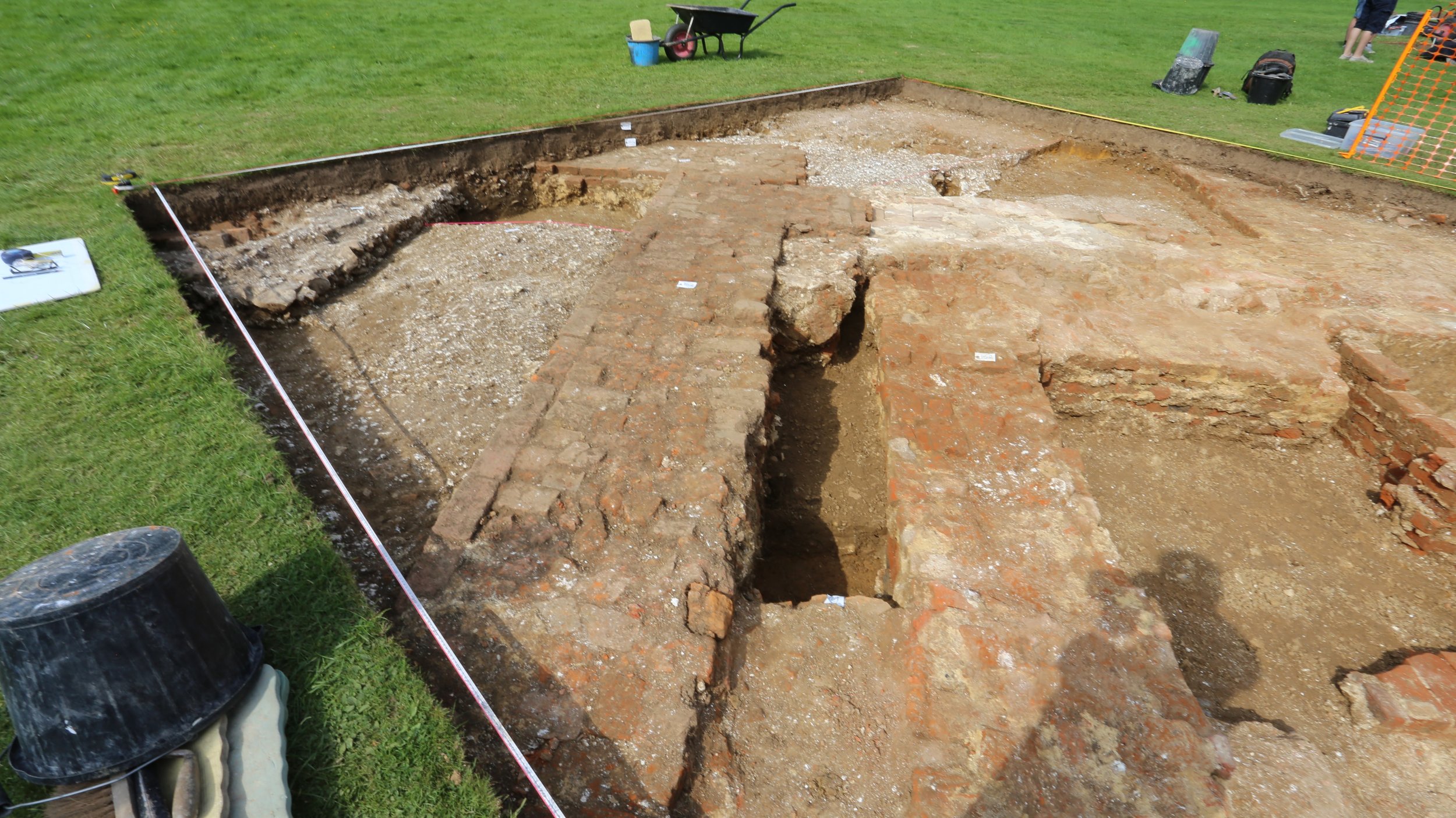
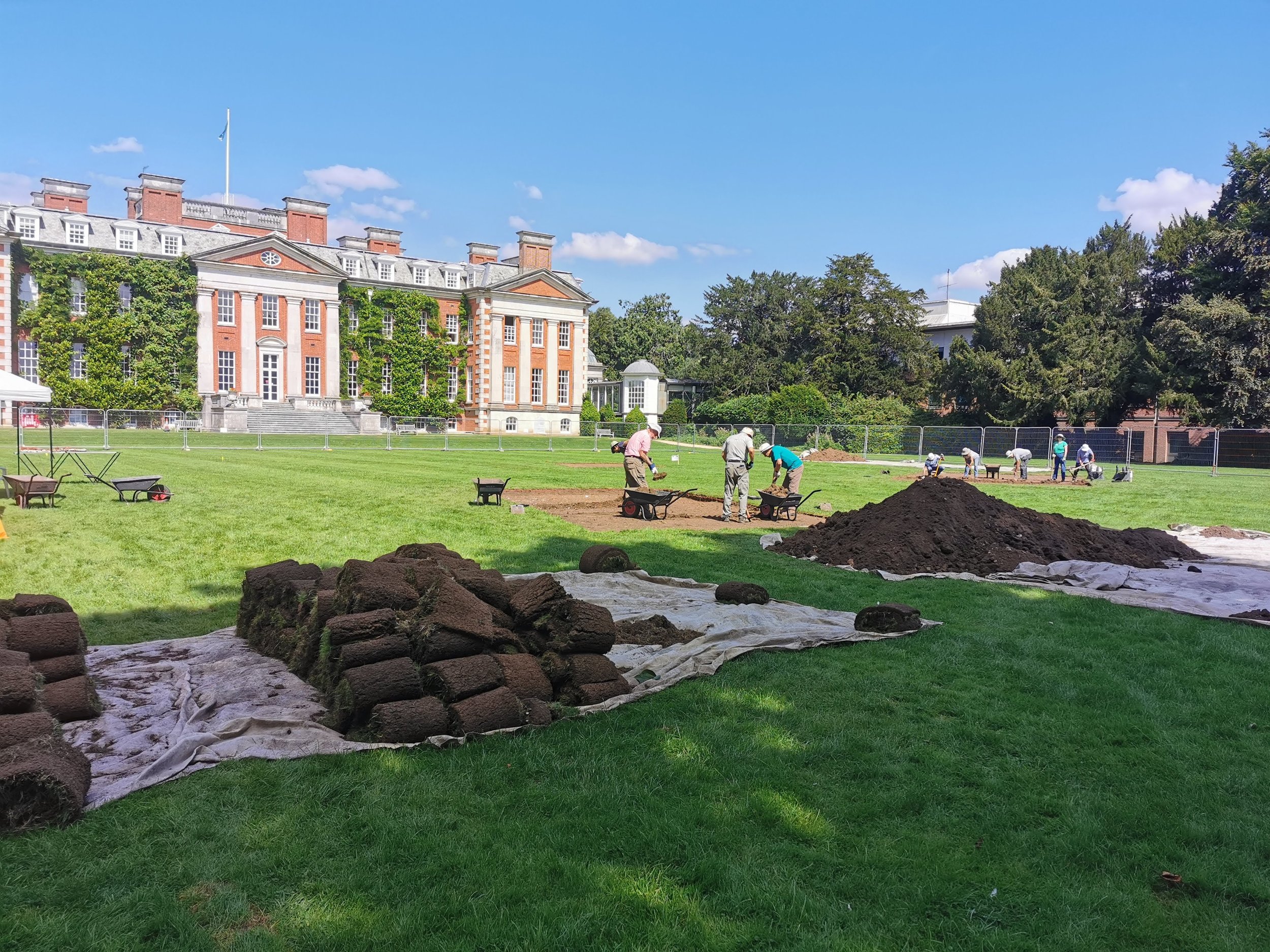
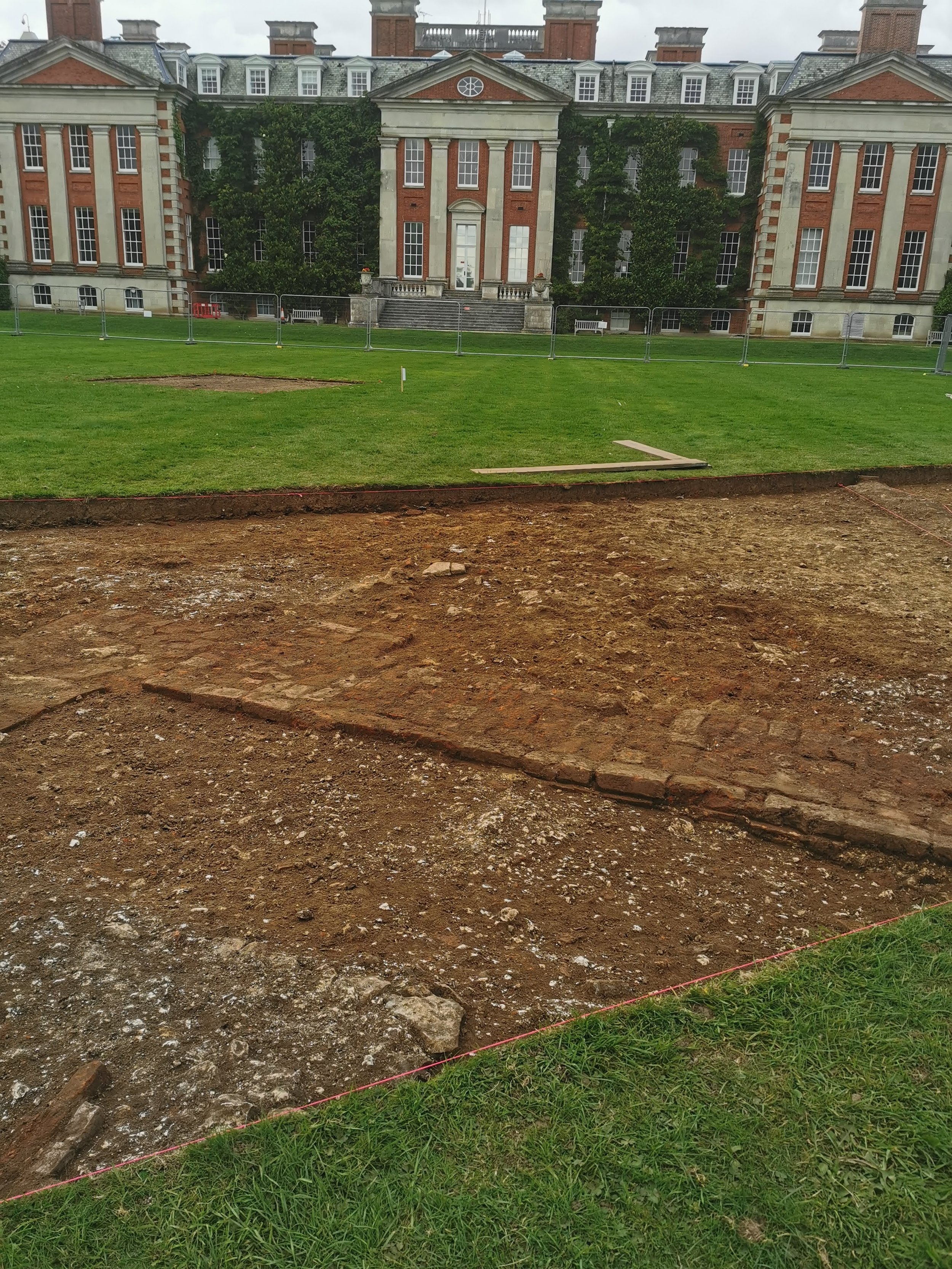
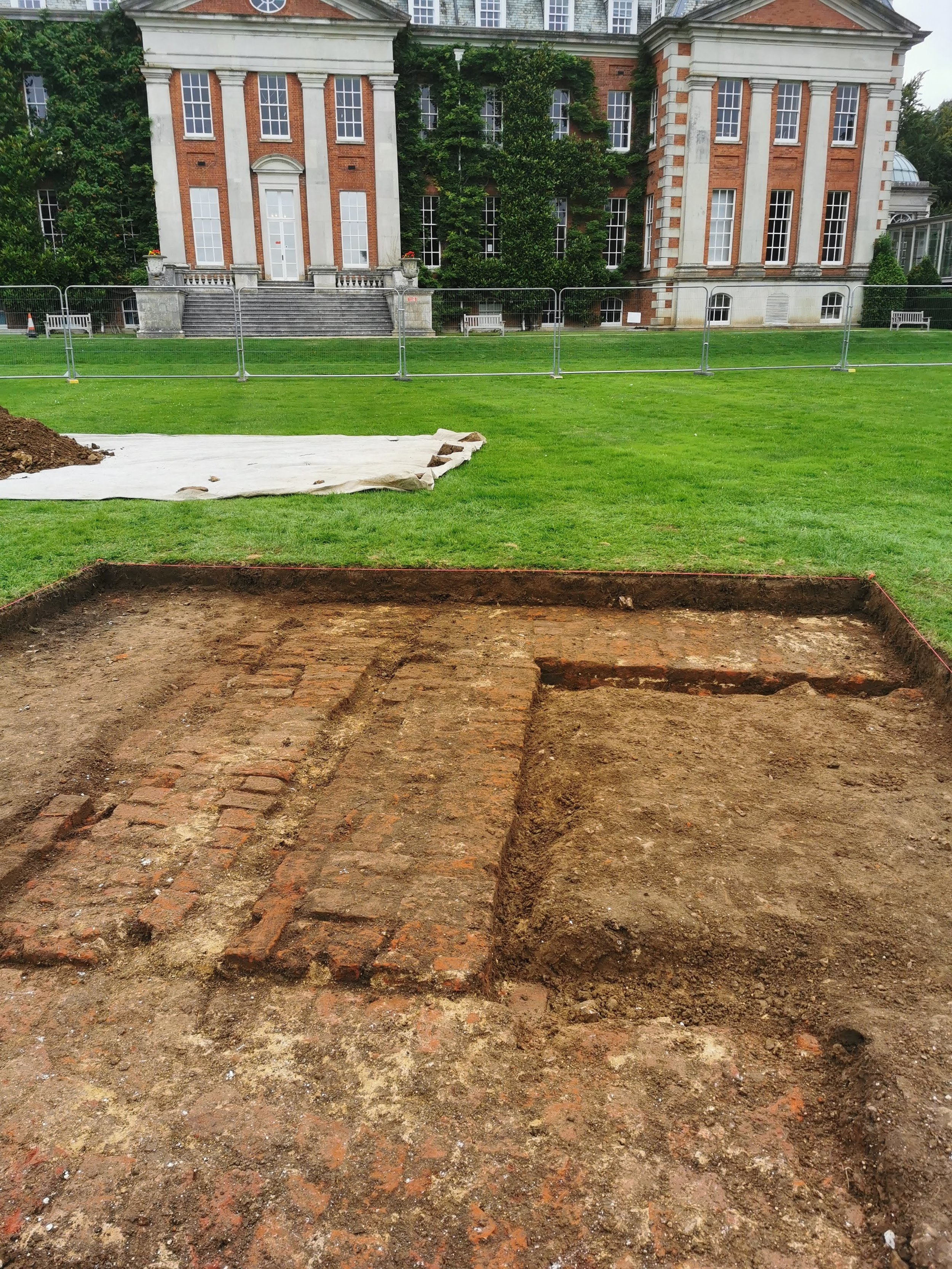
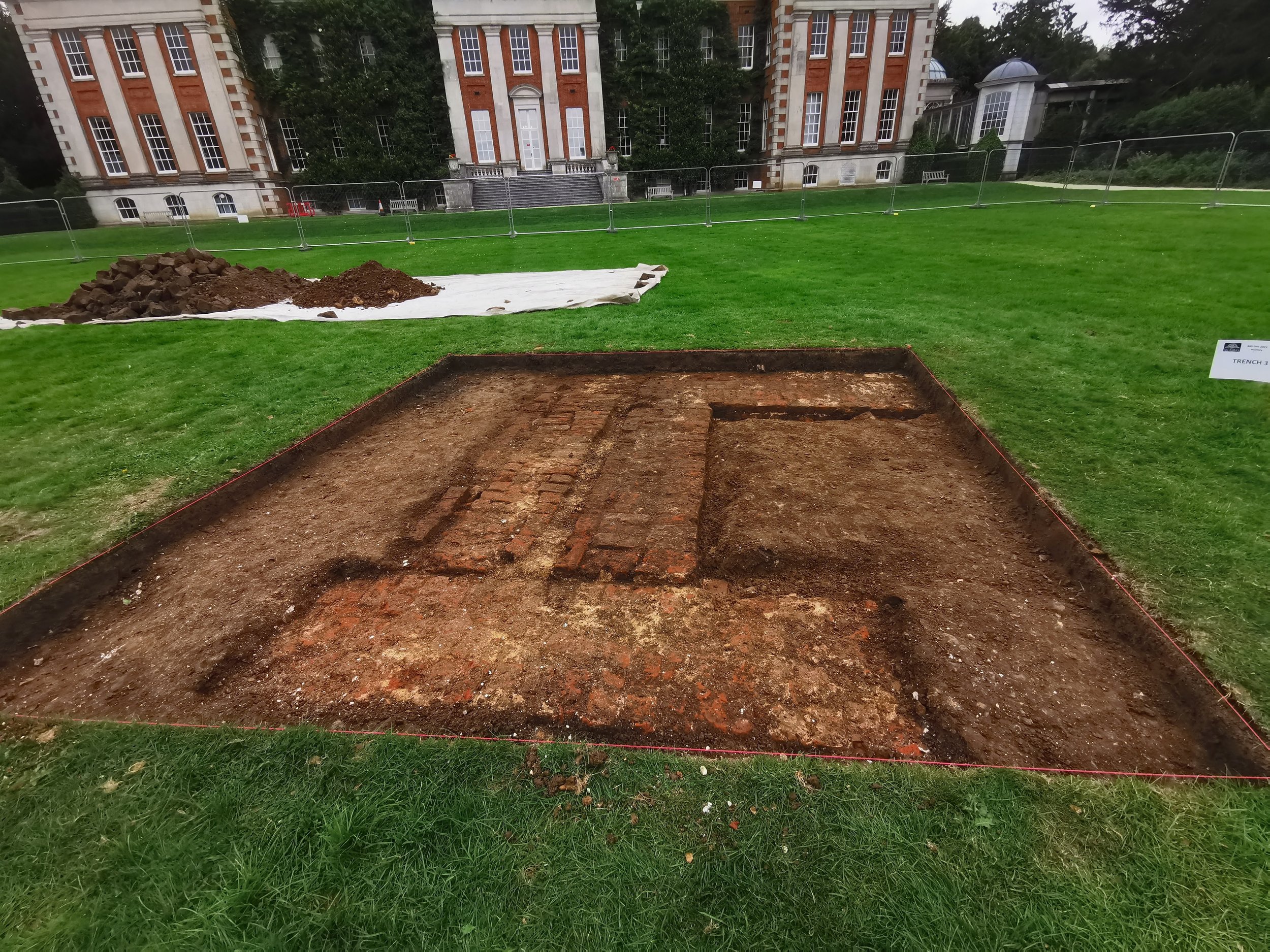
Photo credit: Stuart Rippon and WARG
Further resources
If you enjoyed this podcast and would like to find out more about the very important work and the rich history of Hursley Park, follow @hursleypark on Facebook.
Read Dave Key’s article about the excavation: Hampshire's Lost Mansion.
And if you want to learn more about Hursley Park, then why not visit their website.
As a result of their Big Dig project, WARG has created a diary where you can read more about the project itself - The Search for The Great Lodge at Hursley Park.

Tragedy at Sea: Southampton’s Connection to the Titanic
On 10 April 1912, the RMS Titanic began its maiden voyage from Southampton to New York City. Southampton tourist guide Mary Taylor covers how the disaster five days later impacted the city.
As the RMS Titanic left Southampton on 10th April 1912, crowds filled the docks to wave goodbye to their friends and family. Many of the ship’s crew and passengers were Southampton natives who would never return to their city again. Mary Taylor, a Southampton tourist guide, leads listeners on a trail through Southampton to historic sites relating to the ship, reveals how the city mourned after the tragedy, and explores the real stories of passengers aboard the ill-fated journey.
The map below contains the various locations in Southampton mentioned in the podcast episode. Click the various points of interest to learn more.
If you are in Southampton and would like to walk the Titanic trail yourself, then why not use our interactive Google map as a guide.
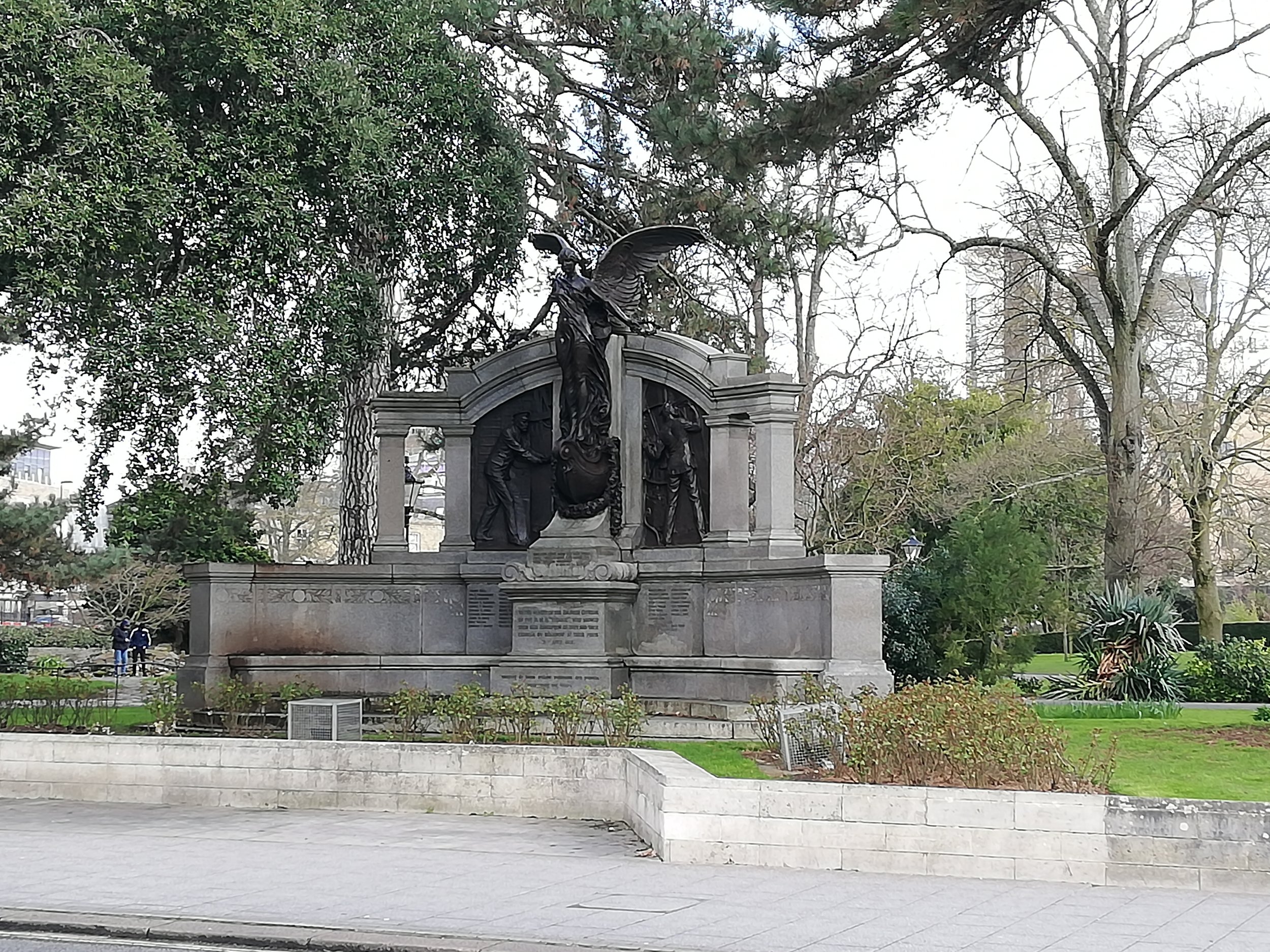
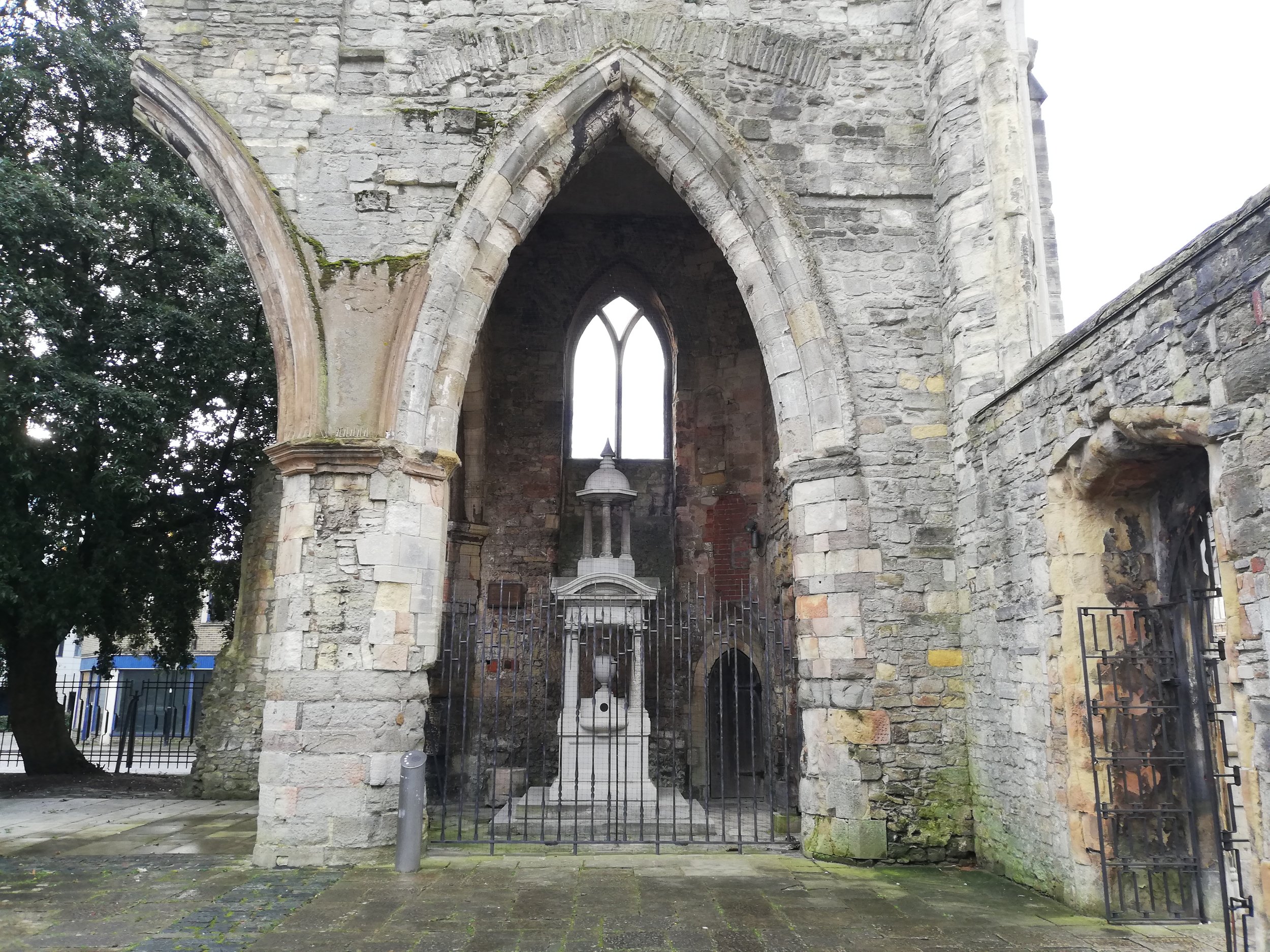
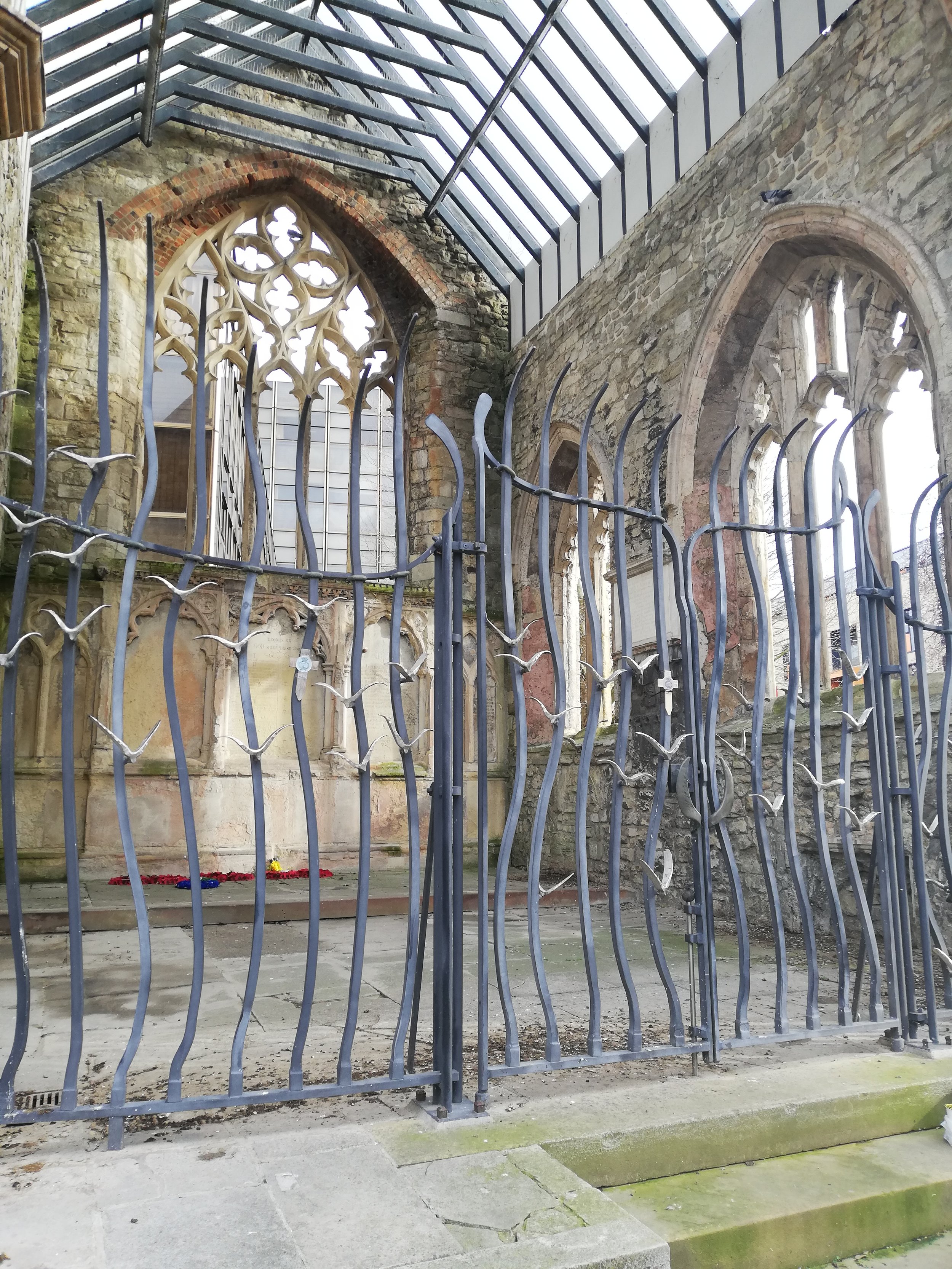
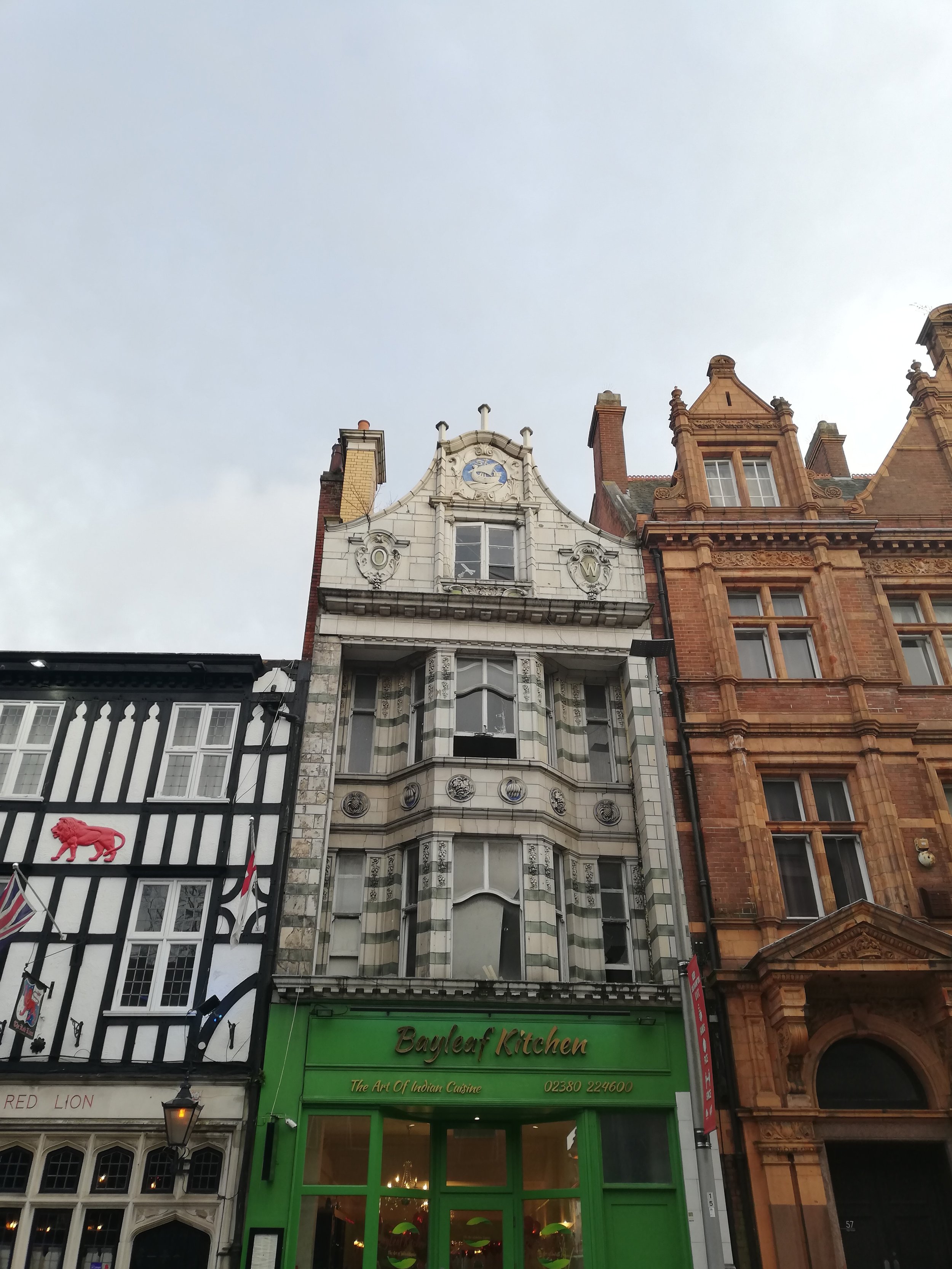
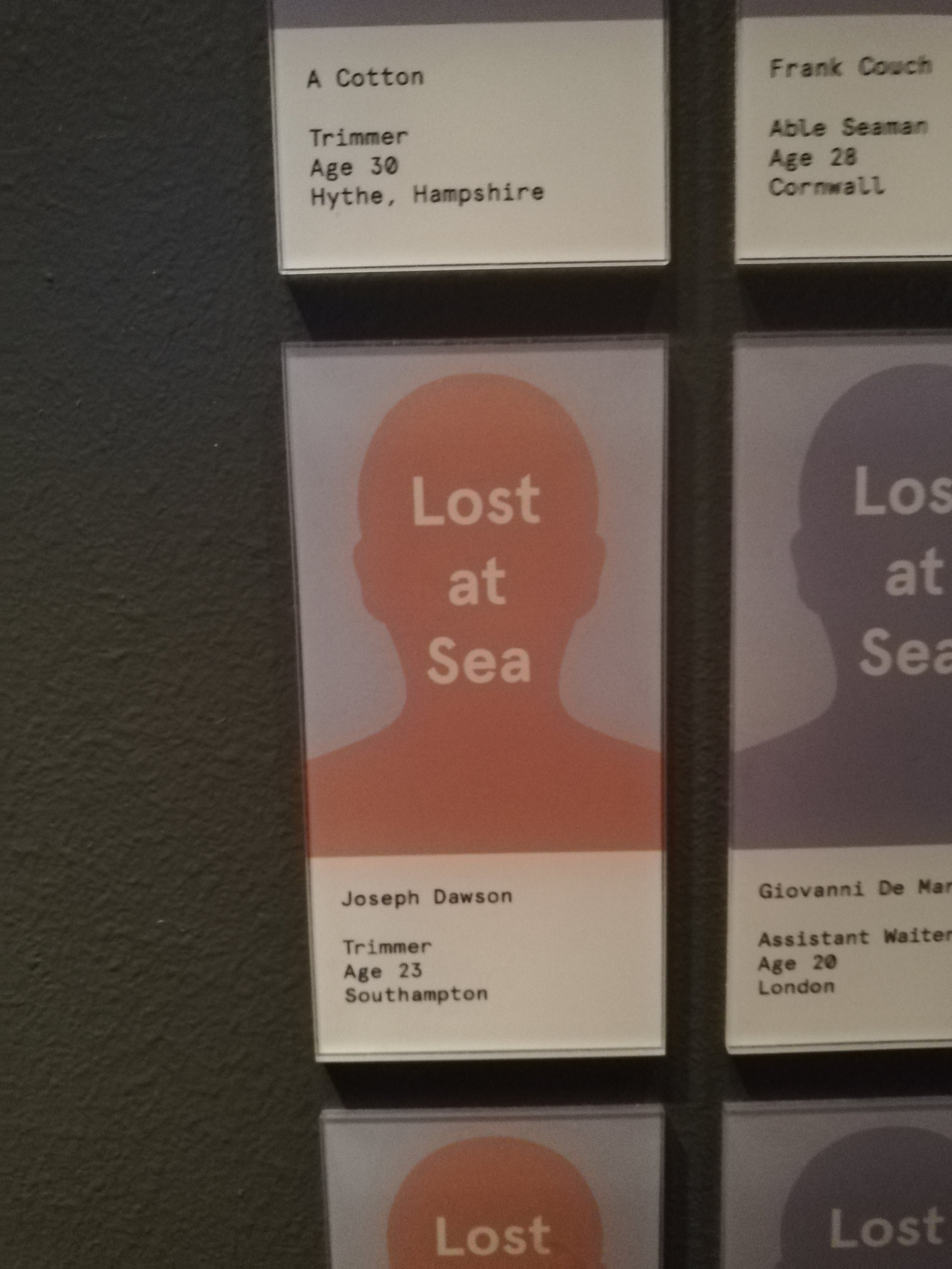
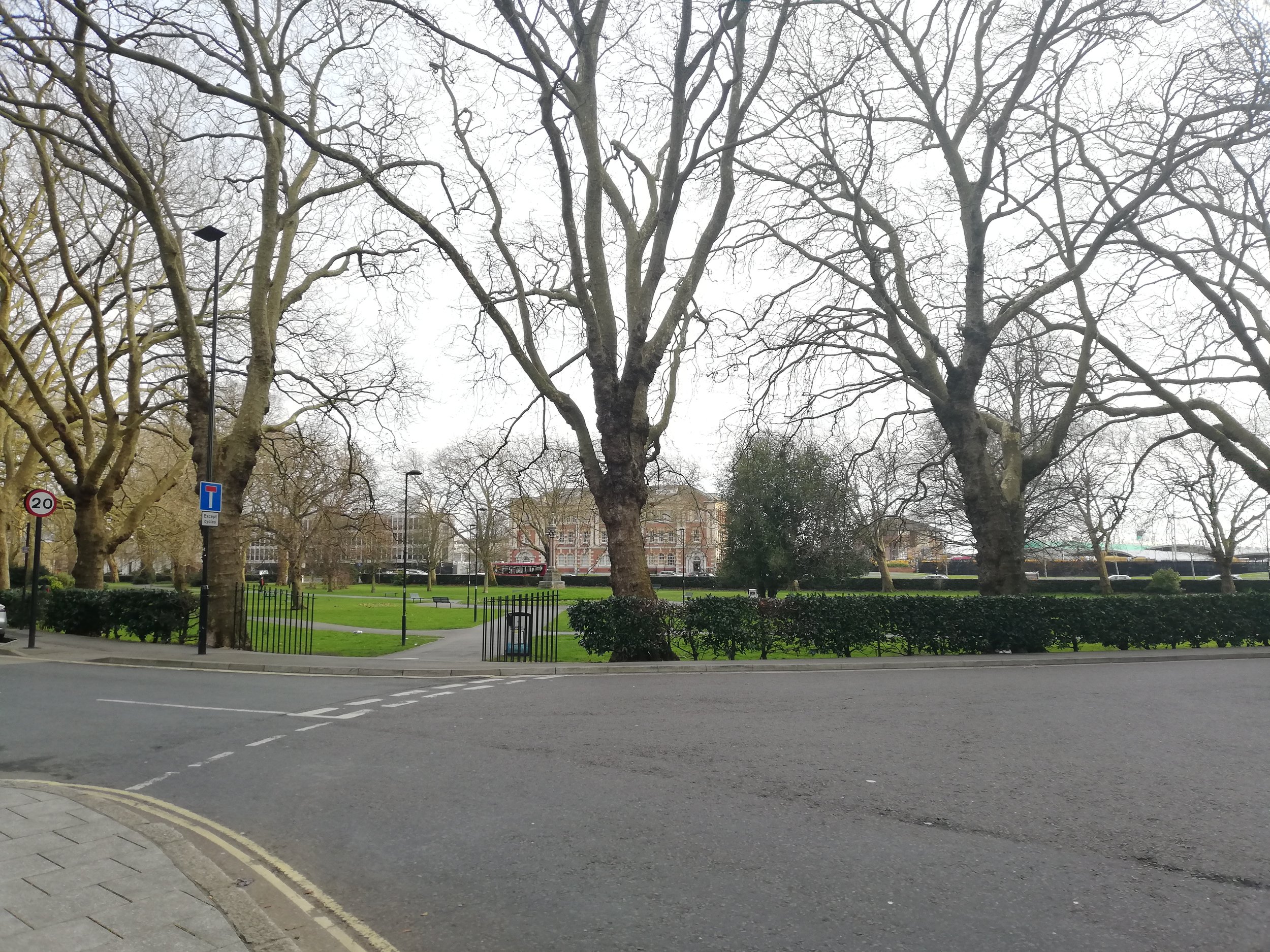
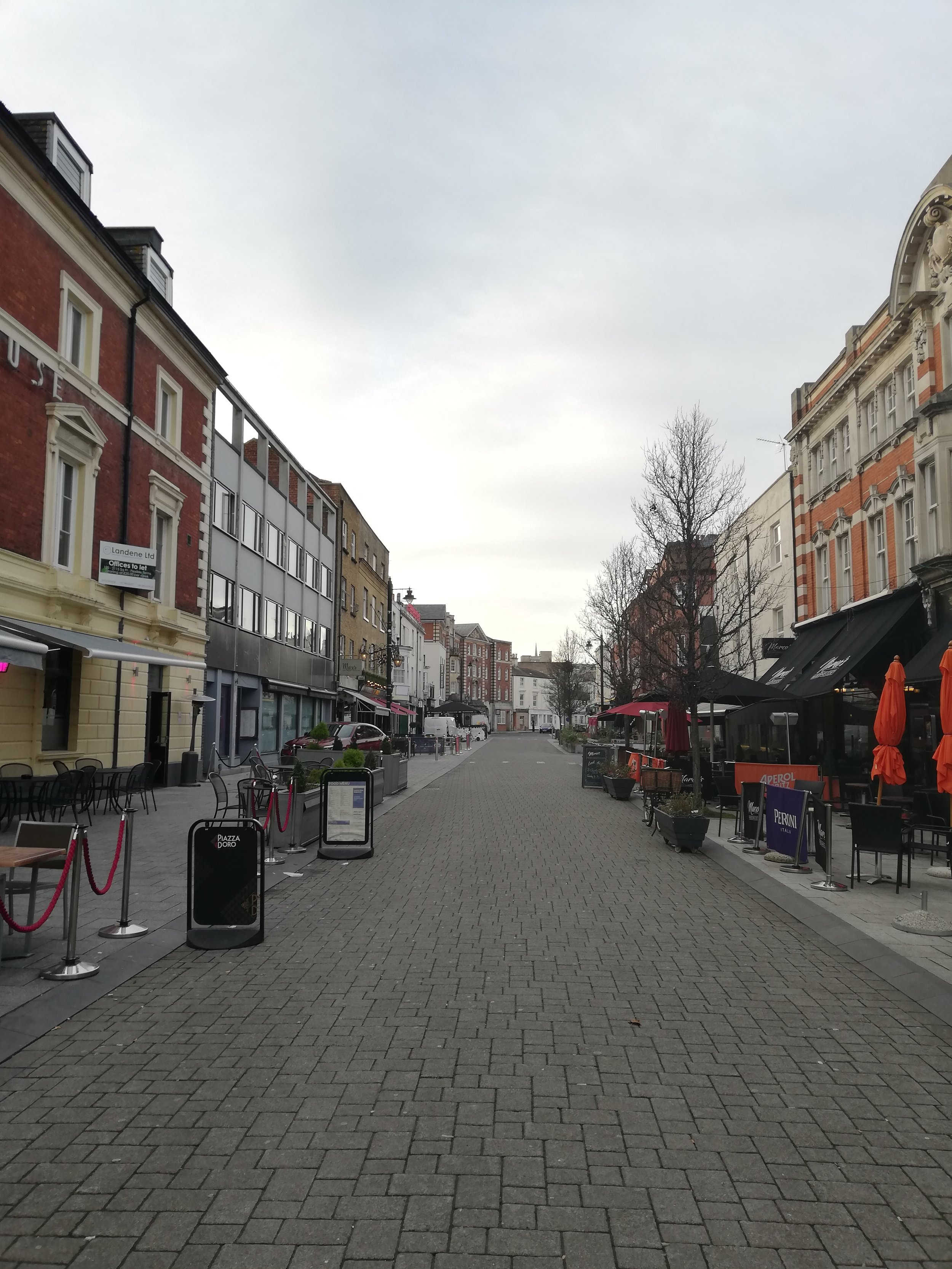
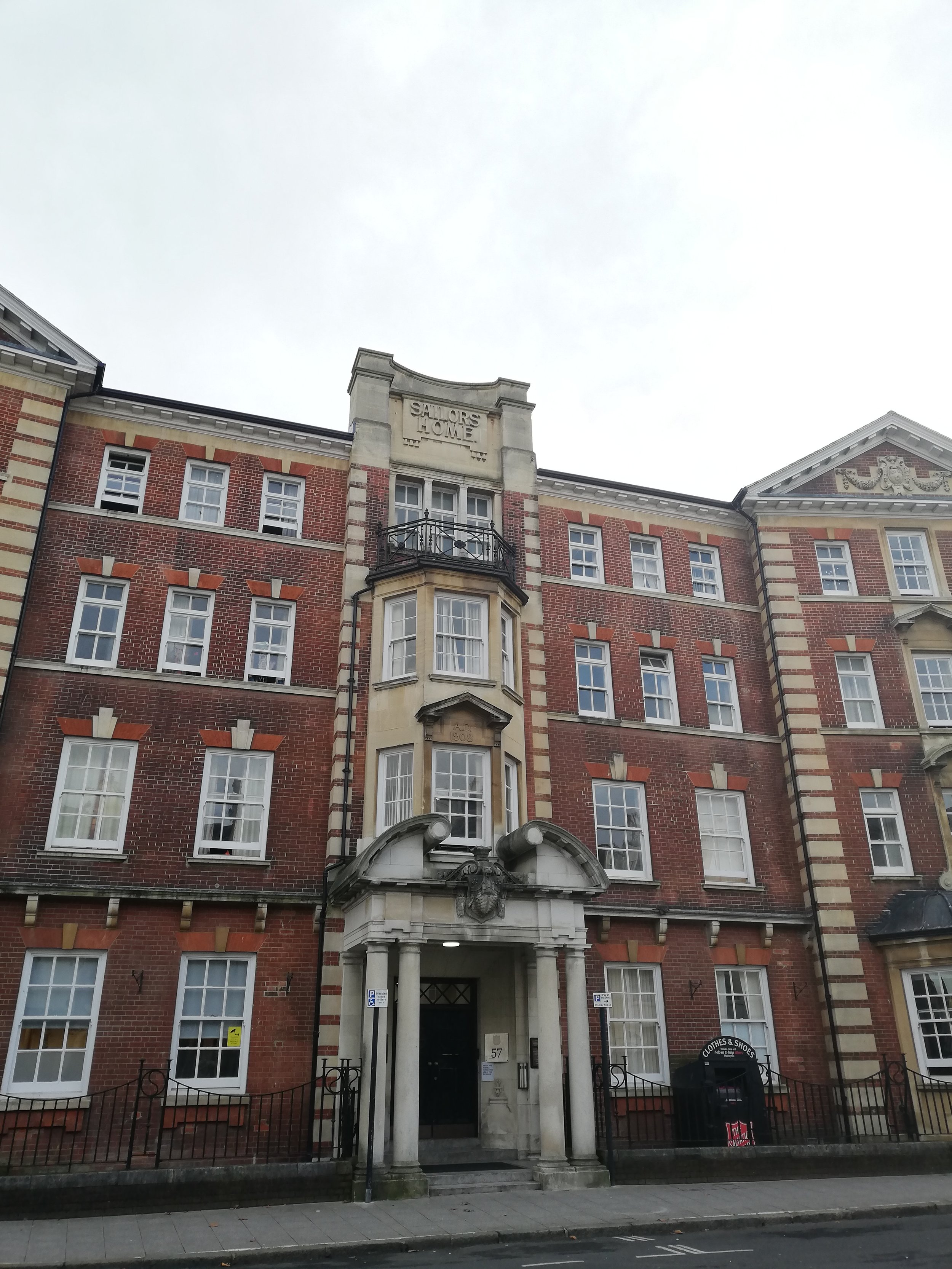
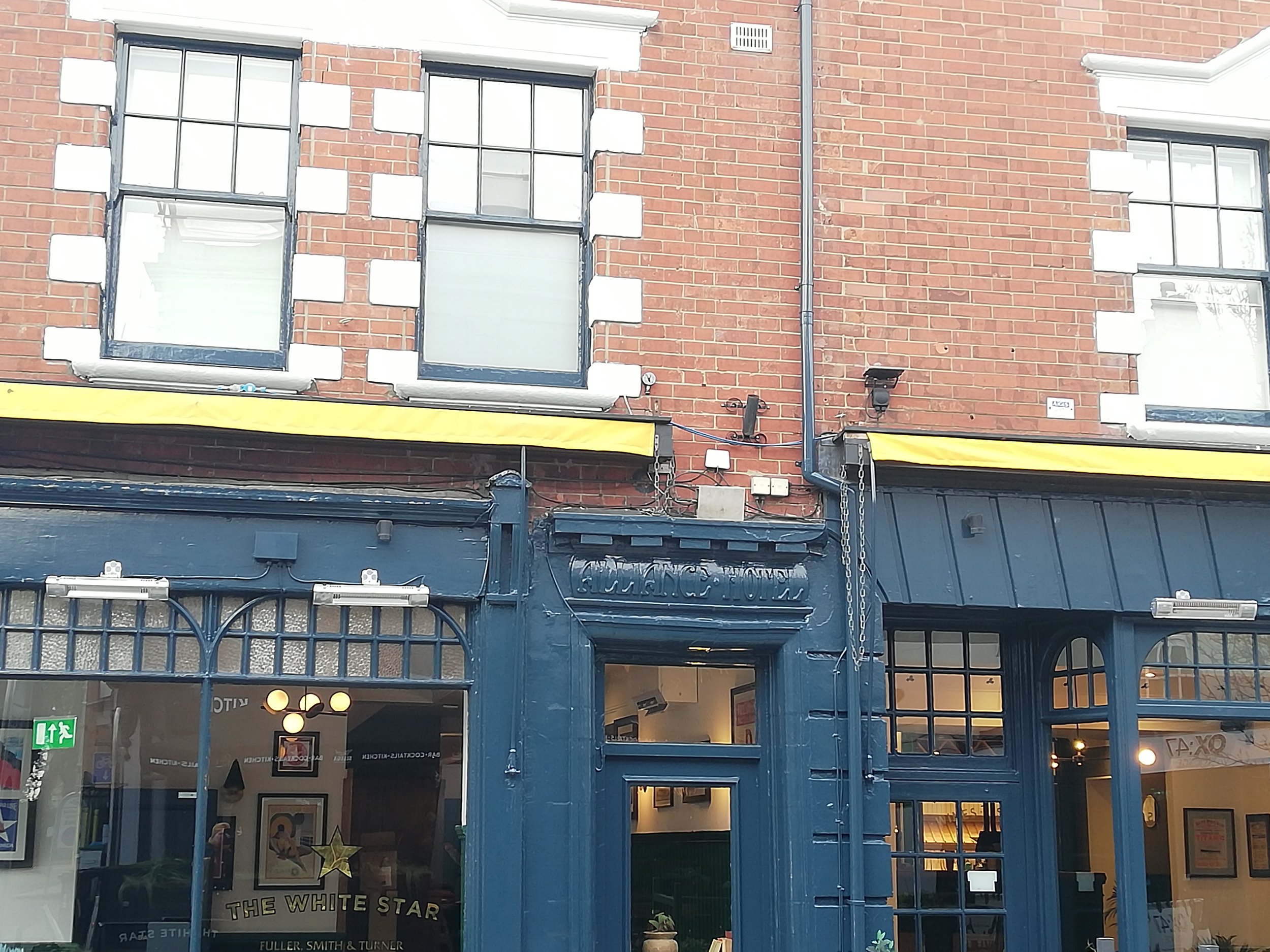
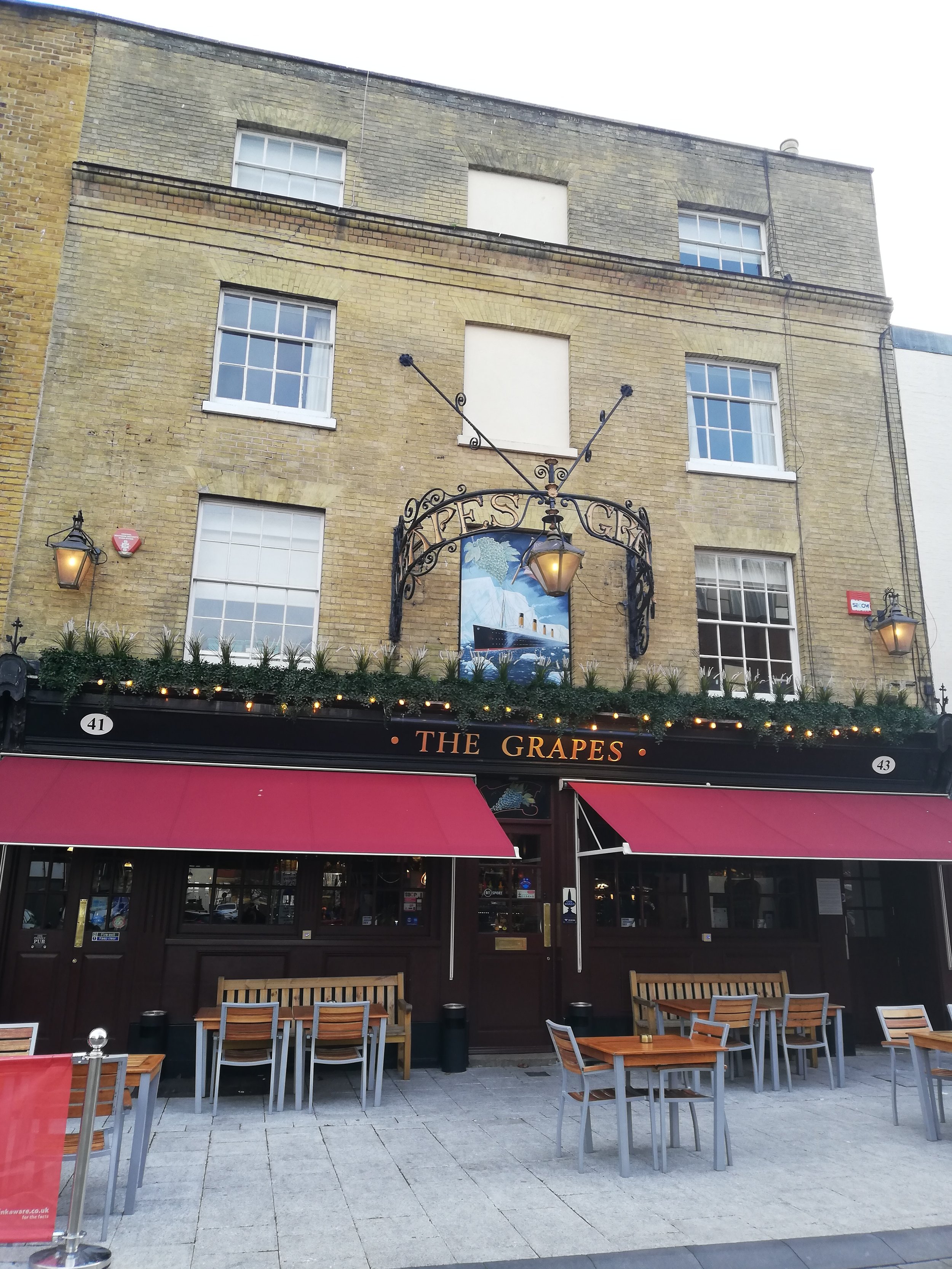
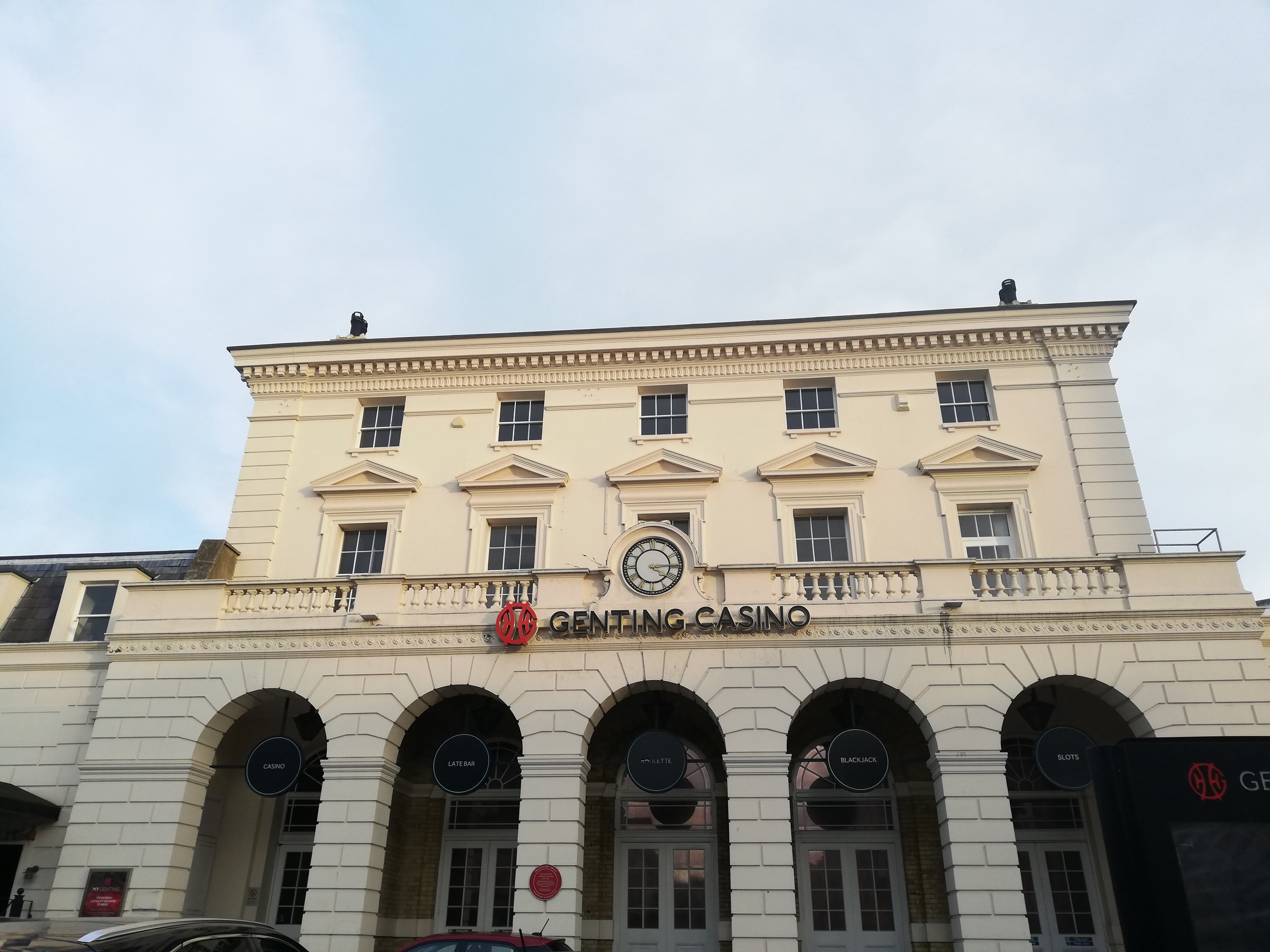
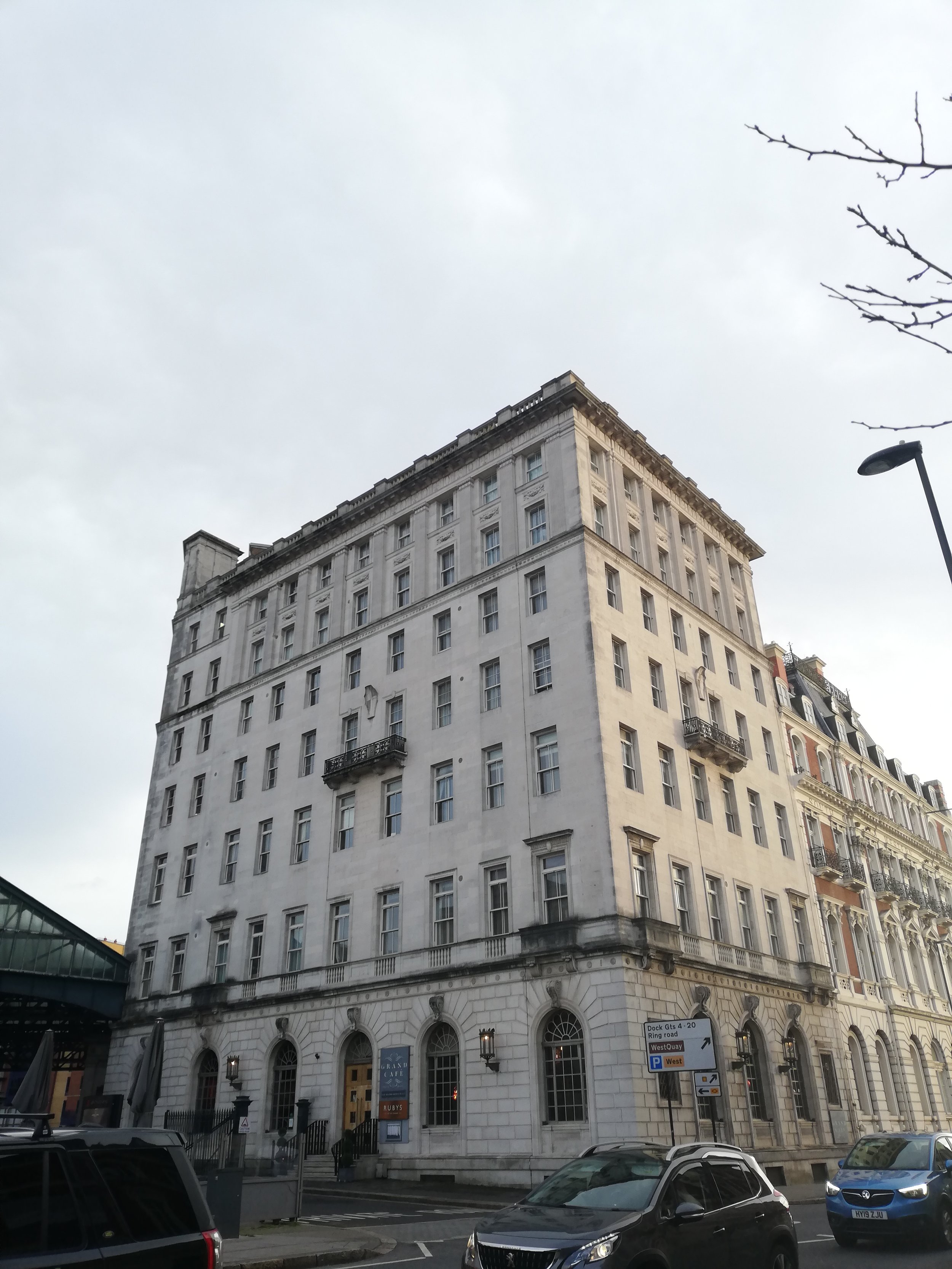
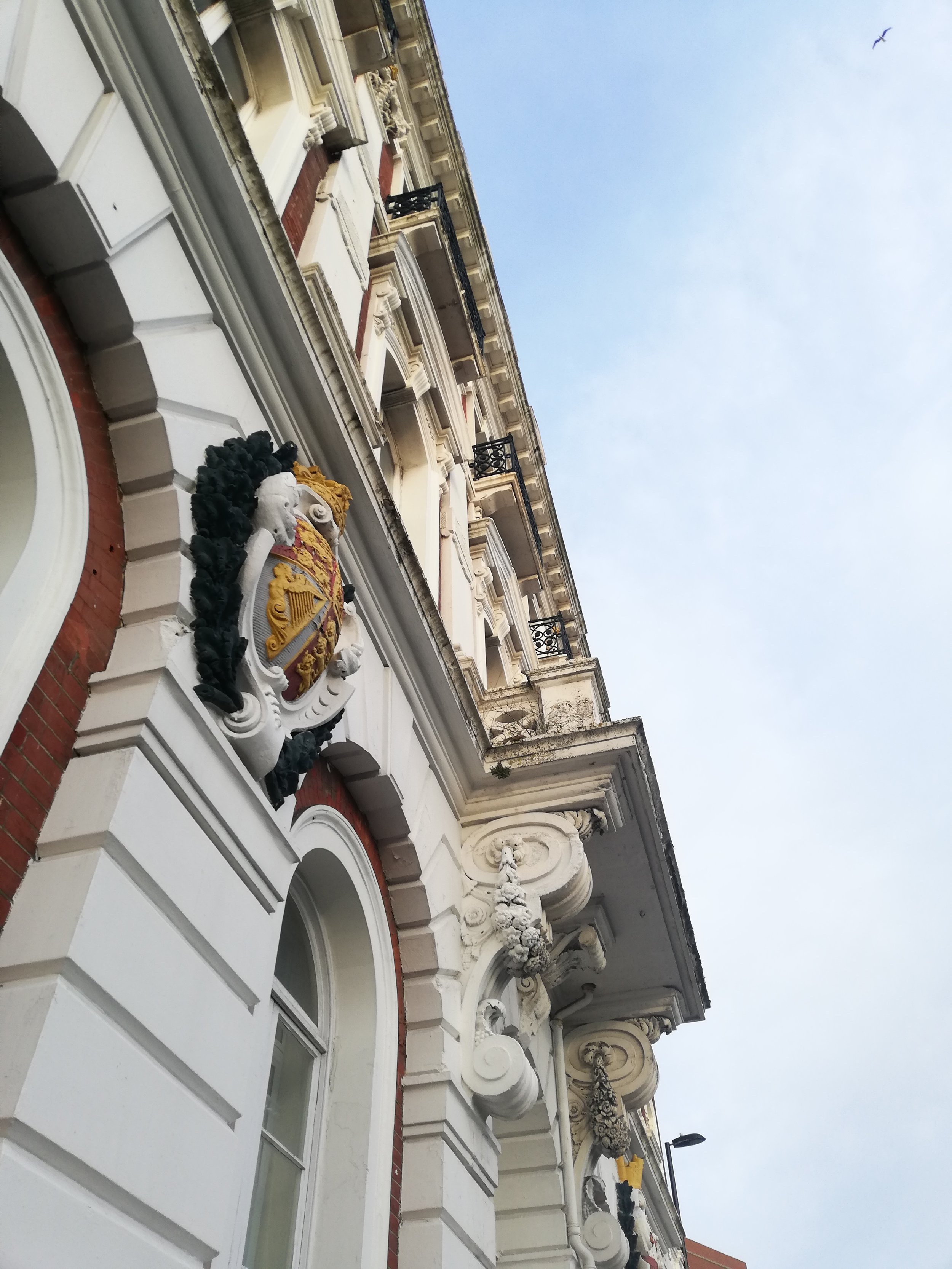
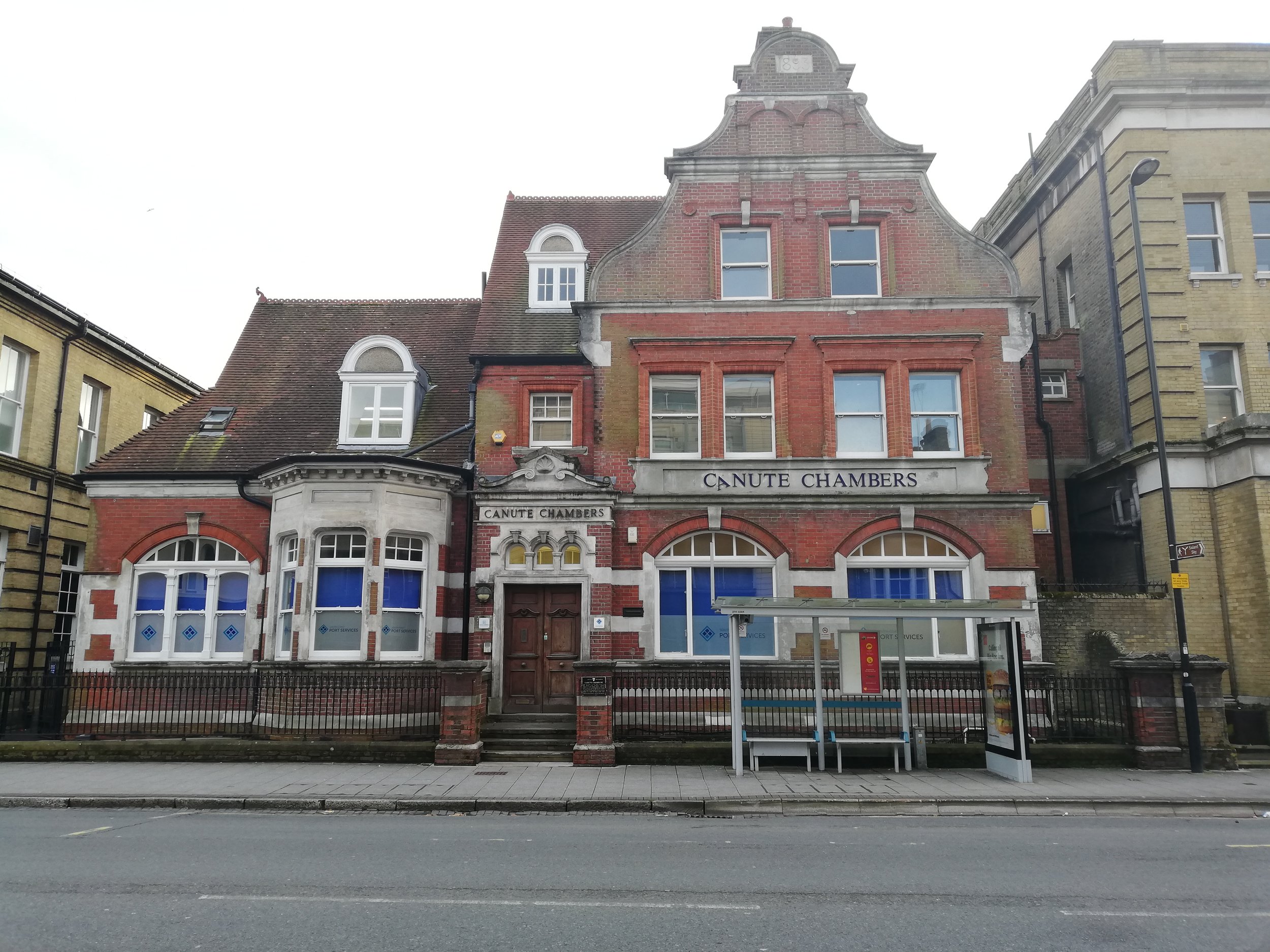
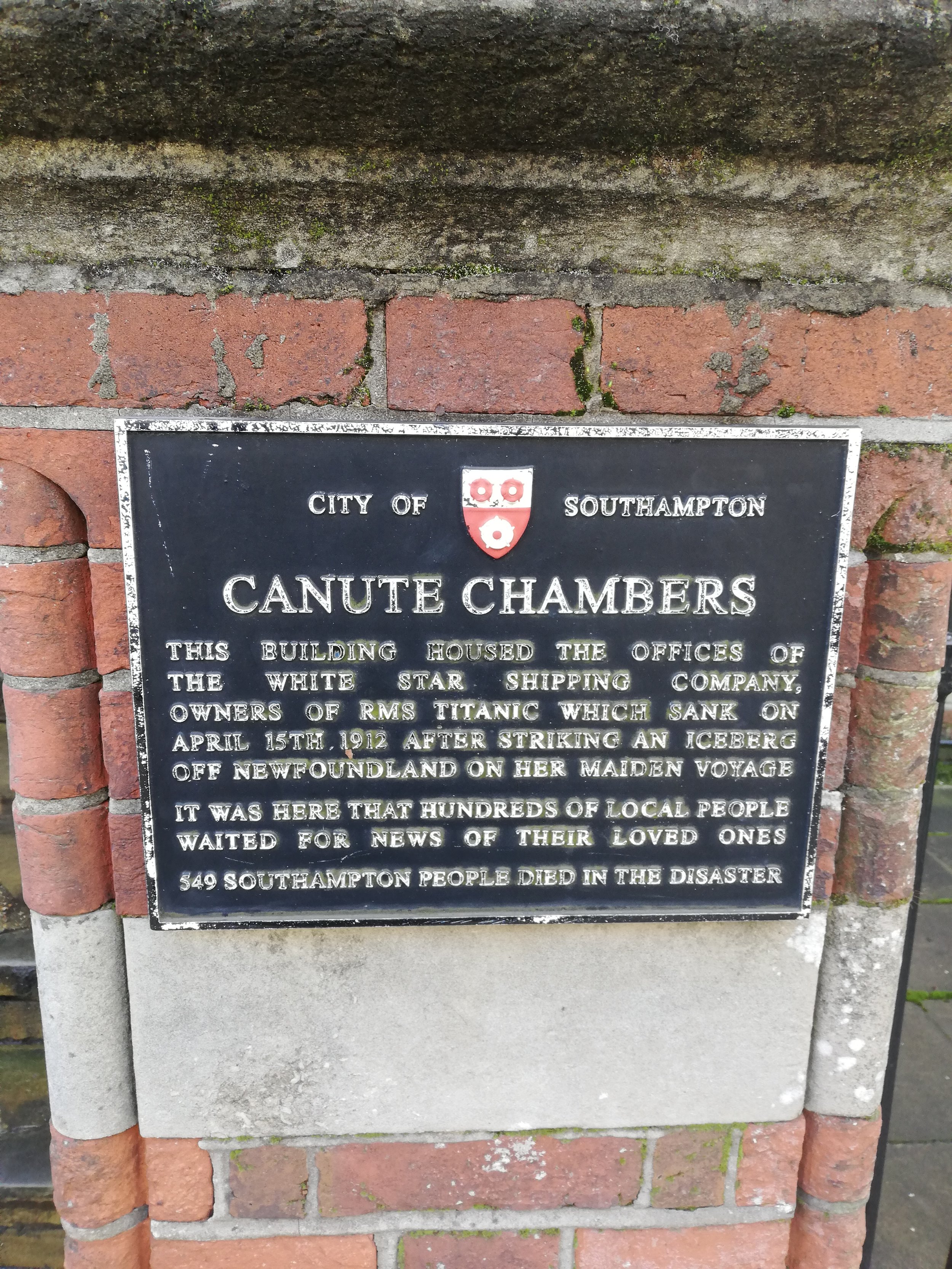
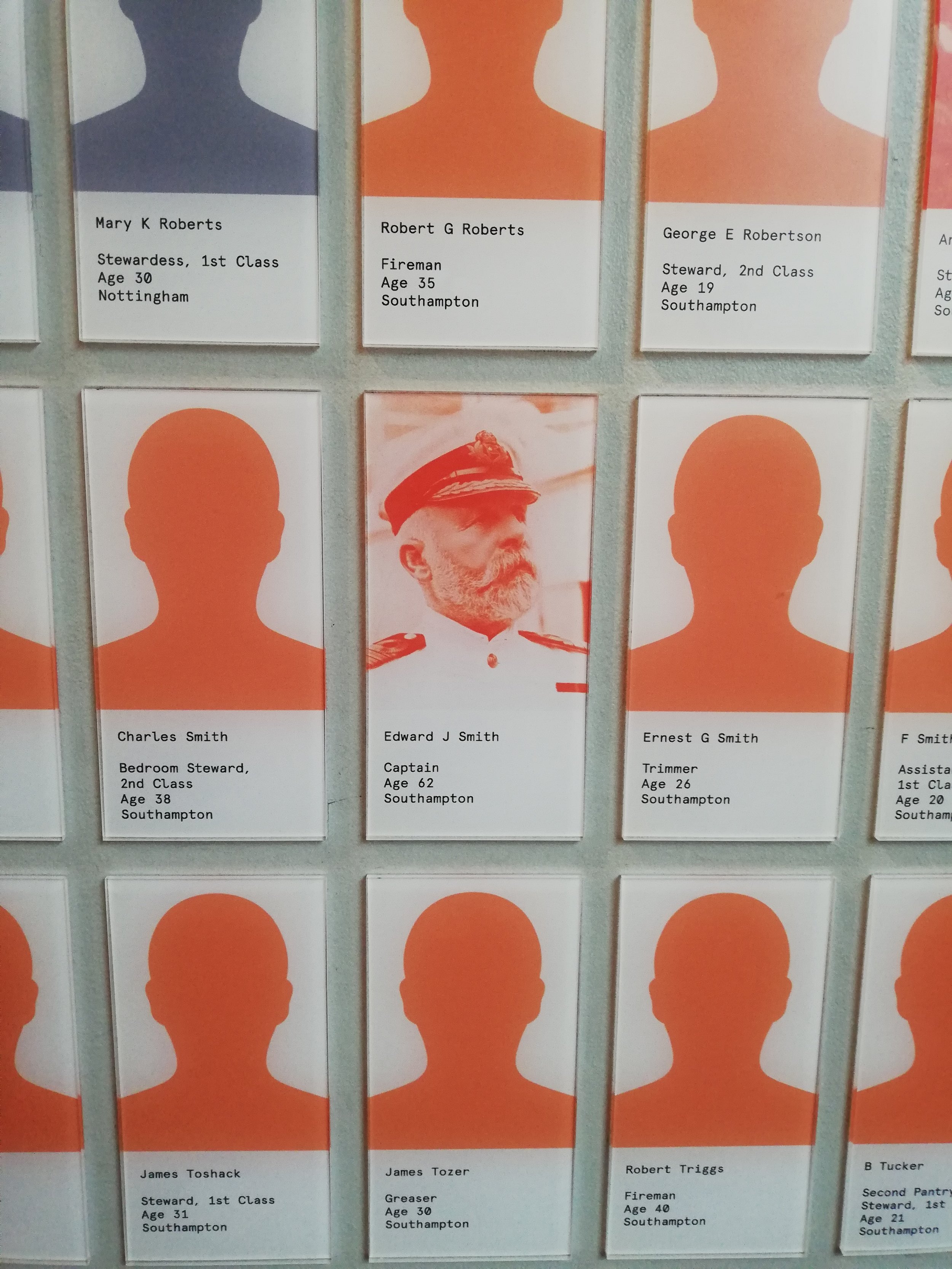
More photos of each location can be found in the interactive map above.
Further Resources
There is much to learn about the Titanic’s voyage and the aftermath, and our team have gathered a list of resources if you would like to learn more:
Recommended articles:
‘How the Titanic was lost and found’
‘Titanic’s maiden departure from Southampton’
‘Southampton’s lost Titanic generation’
‘The Devastating Impact the Sinking of Titanic had on Southampton’.
The SeaCity Museum in Southampton offers a powerful Titanic exhibition, so why not go for a visit next time you are in Southampton? Experience Southampton life in 1912, try sailing the Titanic out of the Solent, learn morse code and hear powerful oral testimony from survivors.
There are no Titanic victims buried in Southampton or anywhere else in the UK, but you can still find their names on family graves in the Southampton area: Learn more about the Titanic Graves.
Holyrood Church plays an important role in remembering the merchant navy and other aspects of Southampton history and heritage. Learn more about the site’s history here.
Explore the interactive map by Historic Southampton which shows where Titanic crew members lived and/or stayed before the maiden voyage.
Southampton Tourist Guides offers several guided tours in Southampton, and you can find more information on their website.

The Life and Death of Henry V’s Navy in Hampshire
At the bottom of the River Hamble in Hampshire, a mighty warship lies buried in the mud. How did it get there? Dr Ian Friel, a writer and historian, explores the fascinating story.
For centuries, England has been known as one of the world’s strongest naval powers, but in the tumultuous age of Henry V, this fearsome reputation had yet to be forged. During the Hundred Years’ War, England and France waged a fierce war at sea. In this episode, Dr Ian Friel talks about Hampshire’s vital role in defending England and attacking France, as well as the brutal methods medieval sailors waged war on each other.

The late medieval wall of Southampton, fronting the former West Hithe, one of the quays of Southampton in the Middle Ages. Ships would have once moored where the road now runs.
Dr Ian Friel MA, PhD, FSA
Historian, museum consultant & writer
Dr Ian Friel has degrees in history from the University of Lancaster (BA Hons), the University of Leicester (MA in English Local History) and a PhD in medieval maritime history from the University of Keele. He worked for 30 years in museums, including posts at the National Maritime Museum (NMM), Greenwich, the Mary Rose Trust (MRT), Littlehampton Museum and Chichester District Museum.
He has been an independent museum consultant, historian and writer since 2007 and has worked on projects for Sea City Museum and Tudor House Museum in Southampton, the NMM, the MRT, Windermere Jetty and Poole Museum, amongst others.
Ian has published widely and is the author of five books, The Good Ship (1995) and The British Museum Maritime History of Britain and Ireland 400-2001 (2003), Henry V’s Navy (2015), Britain and the Ocean Road (2020) and its sequel, Breaking Seas, Broken Ships (2021).
Further Information and Additional Links
You can find out more about Dr Friel’s work at his website - http://www.ianfriel.co.uk/
If you’d like to learn more about the English Navy during the period covered in this week’s podcast, Ian’s book, Henry V’s Navy, provides a good place to start.

Pear Tree Church: From the Bishop of Winchester to the Life of Pi
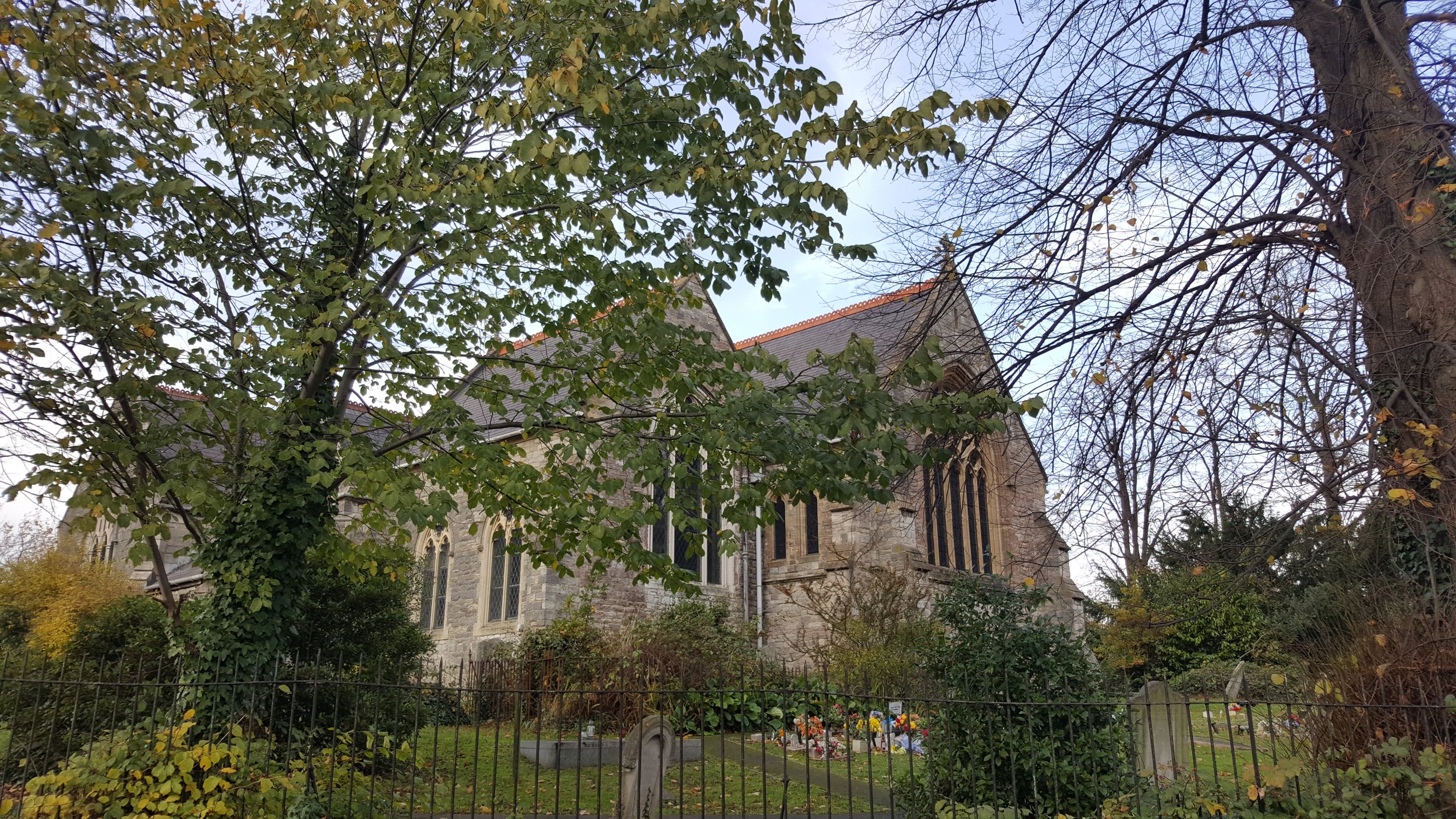
Join us for a fascinating insight into the history of little-known Pear Tree Church in Southampton, whose influence in the Anglican Church extends worldwide- and whose intrigue reaches deeper, and darker, than meets the eye. From beginnings as a small outpost across the river to a spa-town hub for a network of families involved in trade and tragedy, Peartree has lived an interesting life. Listen in for more!
From its peaceful position close to the eastern bank of the River Itchen, Pear Tree’s influence and intrigue stretch far wider than first jumps out to the eye. In fact, the Church represents the oldest place of worship anywhere in the world to have been intentionally constructed as a seat of the Anglican faith (rather than converted from use as a Catholic site, for example). What’s more, the sermon written for its consecration has gone on to have a worldwide impact, acting as the template for every service since conducted to inaugurate Anglican churches worldwide. Join us to hear how, and why this came to be.
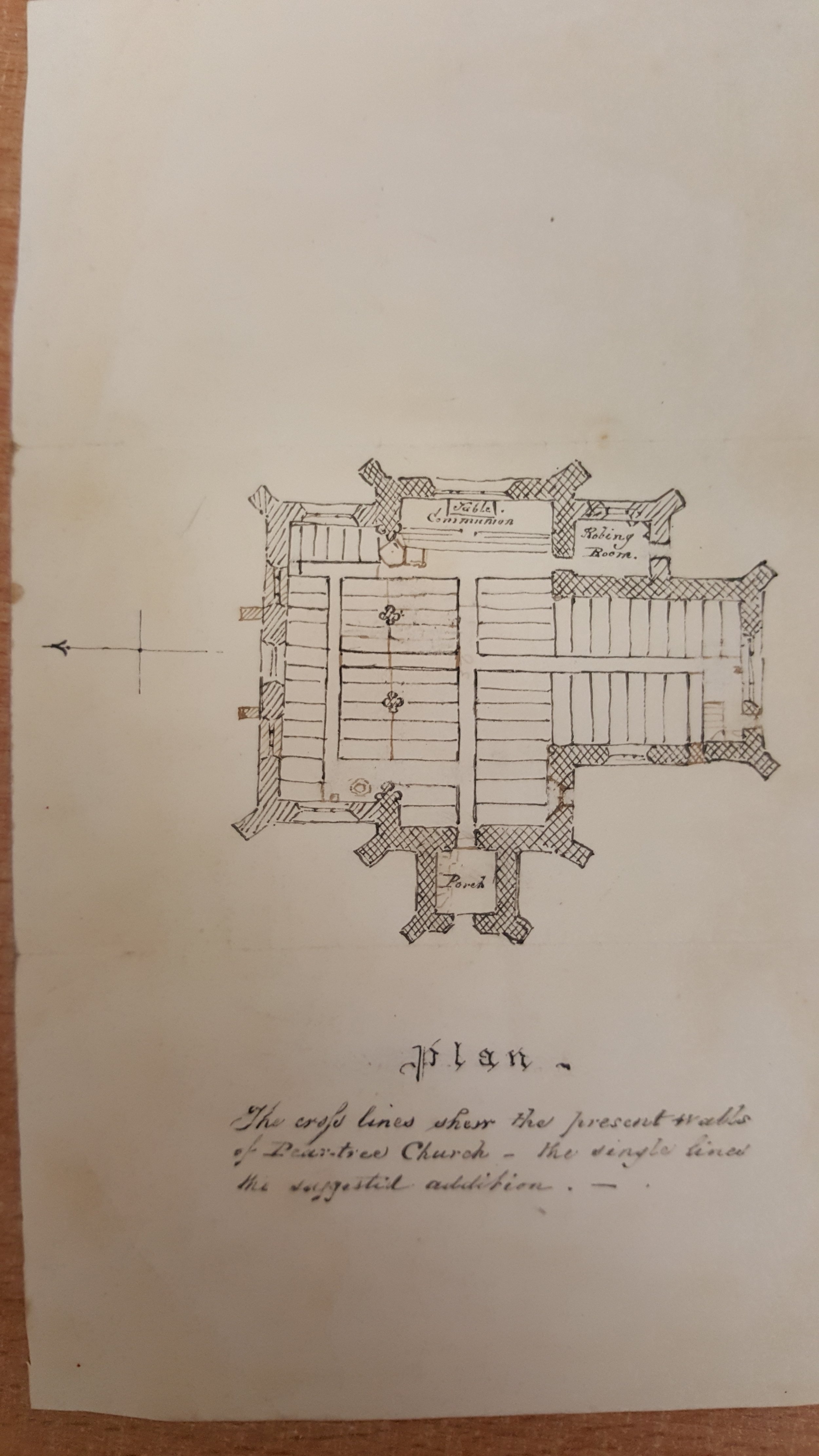
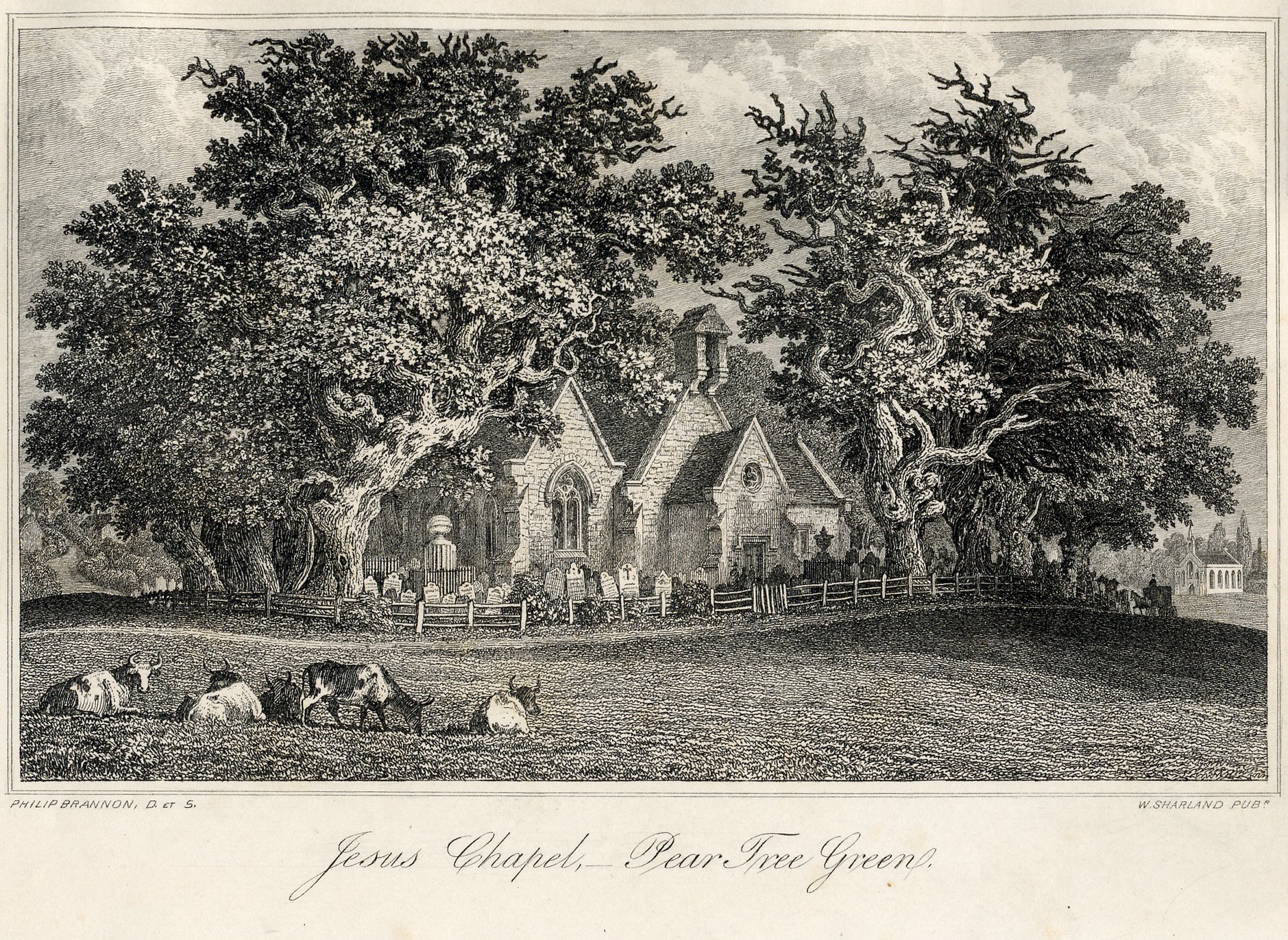
Stepping back from the grand and the global, there’s also a wealth of local history to discover in Pear Tree’s own story. In this episode, we’ll hear how the church has played a role in reflecting the ups and downs of its host city over the last four hundred years. Its roots were simple – though there’s rumour of a royal sapling somewhere along the way – and tell a story of a small community at the edge of a great maritime centre. Yet, over time, Pear Tree profited from growth, reinvention and the city’s evolution first into a bathing station and then a spa town at the heart of global merchant networks. Its fabric tells this story in their gradual aggrandisement.
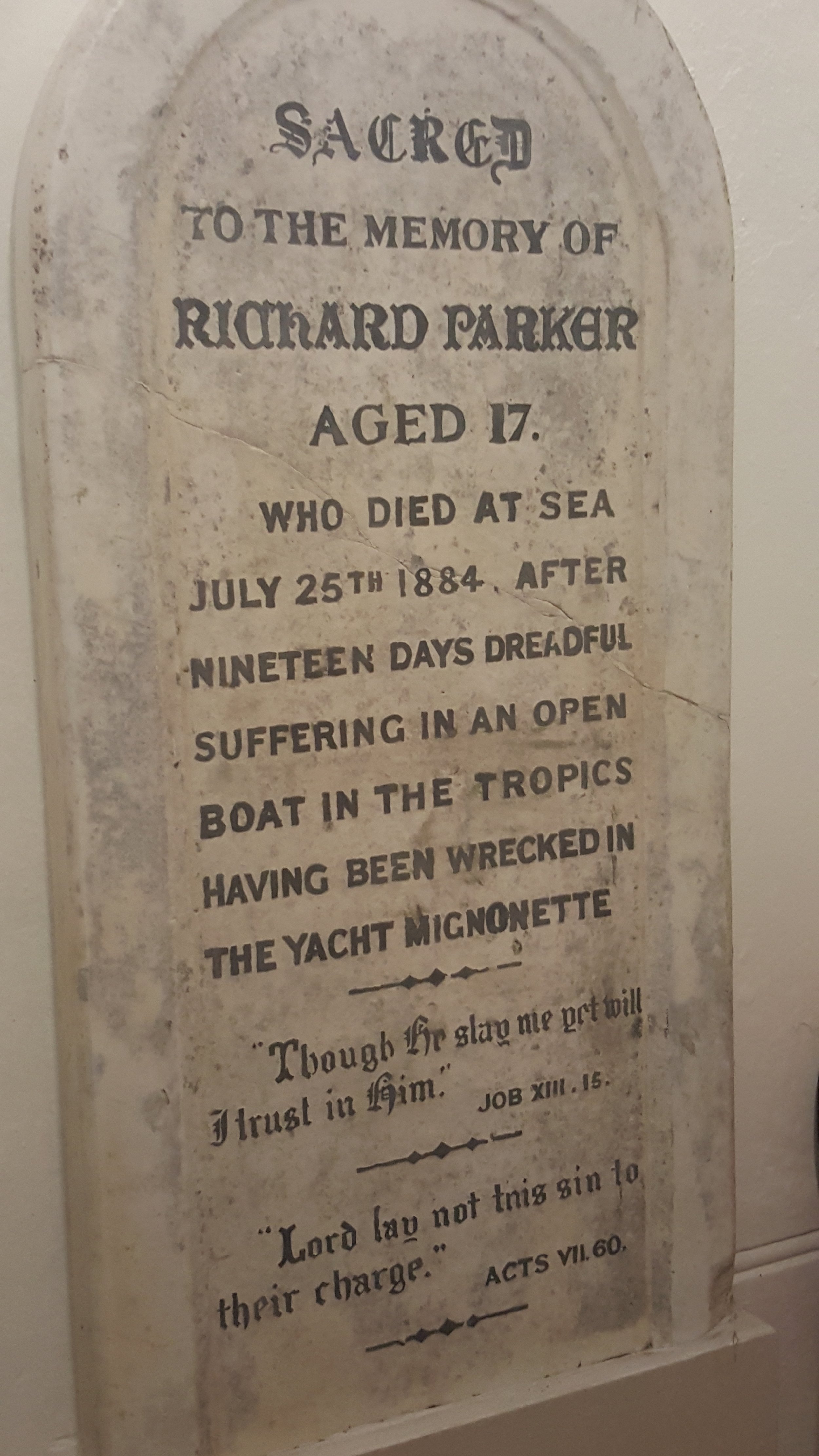
Nonetheless, there’s also a darker side to the site- a sorry tale of the sea and struggle for life. Within the Church’s walls lies a monument to one of Southampton’s young sons shipwrecked, killed by cannibals and eventually commemorated in the well-known novel The Life of Pi. This is no simple story - maritime tradition, family love and the history of English law are all woven within. Listen in for more.
WARNING: This episode includes references to cannibalism, which some users my find disturbing.
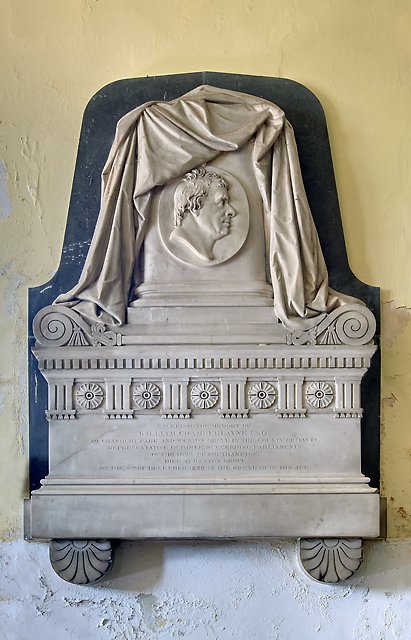

Dr Cheryl Butler
Dr Cheryl Butler holds degrees in history from the Universities of Winchester and Southampton and is a Fellow of the Royal Historical Society, Fellow of the Royal Society of Arts, and Honorary Fellow of the University of Winchester. She is a member of the editorial board for the Southampton Records Series and the Hampshire Papers and a trustee of the Hampshire Archives Trust. She has published a number of books and papers which have drawn upon the archives from the Southampton Records office and Hampshire Archives including three Southampton Records Series volumes
Dr Butler is currently working on The Southampton People Project 1485-1603 - a free-to-use database that holds biographies of all known persons who lived in Tudor Southampton and currently has 20,500 entries. She is also editing further works under the aegis of the Southampton Records Series and researching a new book on the East India Company families of Southampton Spa. More broadly, Cheryl runs a volunteer palaeography group that transcribes sixteenth-century documents and is a published novelist: her The Theatre of the World is set in Elizabethan England and is based on original material from Southampton town archives.
Further Information and Additional Links
You might like to visit the website of Pear Tree Church for more information on its history, including an excellent series of recorded talks on specific angles of its past. The website also contains useful information on visiting hours, in case you’d like to pop down for a look yourself: https://www.peartreechurch.org.uk/
You can find out more about Cheryl Butler’s work on her website, at www.cherylbutler.co.uk.
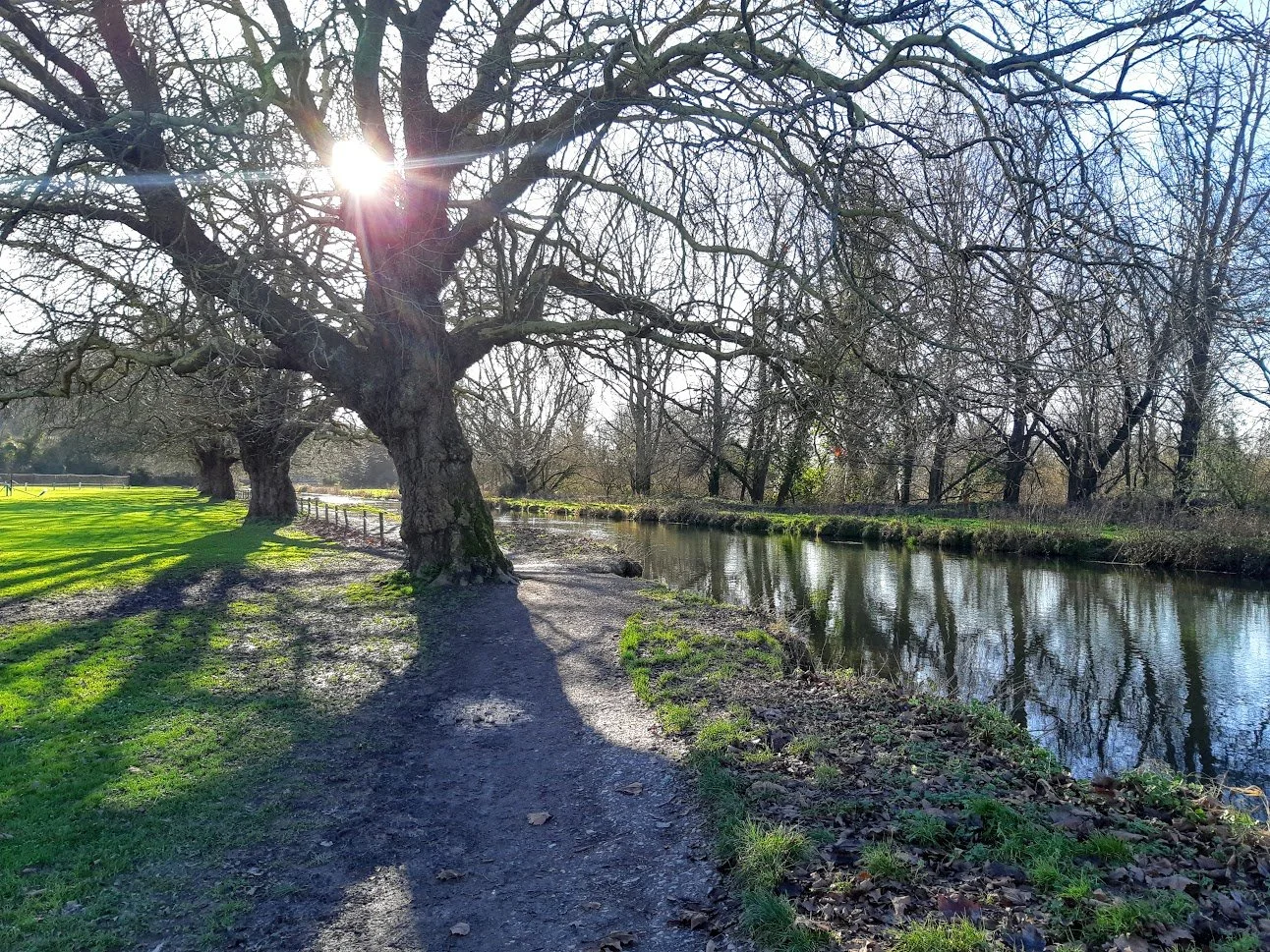
How Two Millenia of History Shaped the River Itchen
What do Ancient Romans, Medieval Anglo-Saxons, and modern residents of Winchester have in common? Historian Elizabeth Proudman explains how one river links generations of humanity together.
Yesterday was World Water Day and so we thought we’d begin this brand new podcast season with the story of one of Hampshire’s beautiful rivers.
At first glance, the River Itchen appears to be nothing more than a quaint waterway without much history behind it. However, within its calm streams rests thousands of years of human civilisation. Elizabeth Proudman, a local historian and former Winchester tour guide, takes listeners on a tour through the city’s history and its ties to the River Itchen. Whether it’s flowing past Iron Age fortresses, a Medieval capital, or a modern city, the river has been an inseparable part of local history.
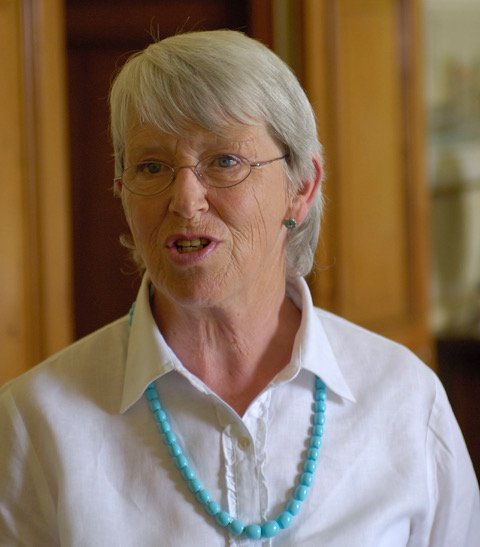
Elizabeth Proudman
Elizabeth Proudman has lived for many years in the historic centre of Winchester and was formerly a City Tourist Guide and lecturer. She holds a Diploma in Local History from the University of Winchester and published two articles on the Waterways of Winchester in the City of Winchester Trust’s TrustNews in 1994 and 1995. Today, Elizabeth is a Trustee, and former Chair, of the Jane Austen Society.
Maps and Visual Aids
As mentioned in the episode, we have included some maps and visual guides to accompany the explanation given by Elizabeth.

Waterways Map (credit: John Crook, Winchester Cathedral Record No. 53, 1984)

During the episode, Elizabeth does a wonderful job of describing the path of the River Itchen and its tributaries. To help visualise the path of the river and its tributaries, it can be useful to follow along with a modern map.
Further Information and Additional Links
To read more about Winchester’s waterways, here are Elizabeth’s articles in great newsletters from the City of Winchester Trust:
To view the painting that Elizabeth and Richard discuss, click here

If you enjoyed this episode, why not check out the discussion with Dr Eric Lacey about Valkyries in the Water Meadows
This episode is part of Season 7 of Hampshire HistBites. If you are enjoying what we do share your thoughts on social media or tell a friend.